Why firearm brand loyalty is starting to crack
For generations, gun buyers treated certain names on a receiver as a kind of insurance policy, trusting that a familiar rollmark guaranteed reliability, resale value, and even a shared culture. That reflex is weakening as product failures, political fights, and a flood of new competitors push shooters to scrutinize performance and ethics instead of just lineage. I see a market where loyalty still matters, but it is no longer unconditional, and the cracks in old allegiances are reshaping how firearms are built, sold, and talked about.
What is emerging is a more demanding, more fragmented customer base that expects transparency, modern features, and responsive service, and that is willing to walk away from even the most storied brands when those expectations are not met. The shift is visible in factory towns, in online forums, and in the way companies now advertise, and it is forcing the industry to confront a basic question: is the logo still enough.
From “sure thing” logos to uncomfortable questions
For many shooters, brand loyalty used to function as a shortcut, a way to avoid hard choices by assuming that a familiar emblem meant a “sure thing” on the range or in the field. That habit is now under pressure as long trusted names face recalls, lawsuits, and quality complaints that would once have been unthinkable. In one widely discussed critique of legacy manufacturers, the question is posed bluntly: is the logo on the receiver still a shortcut to confidence, or just a familiar story that no longer matches reality, and the piece lists several gun brands whose reputations have eroded.
That erosion is not just about nostalgia wearing thin, it is about specific failures that cut against the core promise of a defensive tool. When a pistol line is accused of discharging when dropped, or a rifle platform ships with chronic reliability issues, the damage goes beyond one model and starts to infect the entire marque. The same analysis that asks whether the logo is still a shortcut to confidence also presses whether brand loyalty itself has become a liability, suggesting that familiarity, not performance, has been doing too much of the work. As more buyers encounter these stories online before they ever walk into a gun shop, the old assumption that a big name equals a safe bet is losing its grip.
When a flagship pistol becomes a warning label
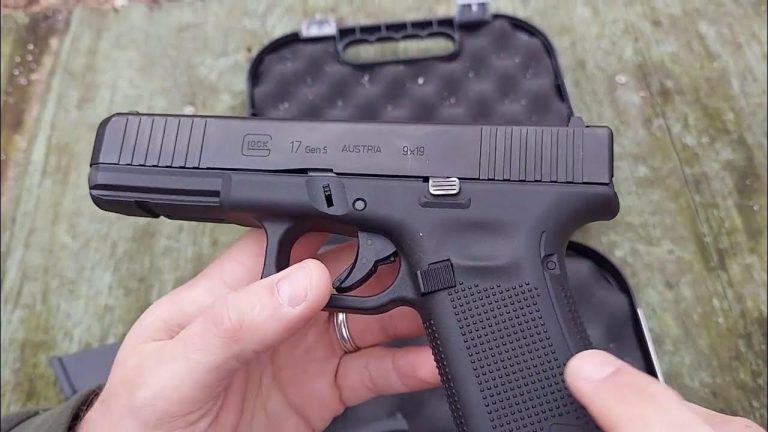
Nothing illustrates the fragility of brand devotion quite like a flagship handgun that becomes synonymous with risk instead of reassurance. In one detailed account of a popular striker fired pistol, the writer describes how a single negligent discharge incident, combined with a pattern of alleged uncommanded firing, was enough to permanently change personal behavior. The author states plainly, “But I do not touch the P320, nor do I recommend it to anyone,” arguing that there are exactly two things a loaded firearm must do, and that this model failed the test of not firing without a trigger press and of offering the redundancy of a manual safety. That refusal to carry or endorse the pistol, captured in the phrase touch, is a stark example of how one product can sour an entire brand relationship.
What matters here is not only the technical debate over drop safeties or striker designs, but the way those debates now unfold in public, searchable spaces where potential buyers can read first person accounts before they ever handle the gun. When a respected voice in the shooting world says a pistol is off limits, that sentiment travels quickly through training circles, forums, and social media. The same critique that begins with “But I do not touch the P320” goes on to argue that there are exactly two things a loaded firearm absolutely must do, and that any failure on those basics is disqualifying. In a market where defensive pistols are often bought for the gravest emergencies, that kind of categorical rejection can override decades of marketing and military contracts, turning a once aspirational product into a cautionary tale.
Remington’s long fall from untouchable to uncertain
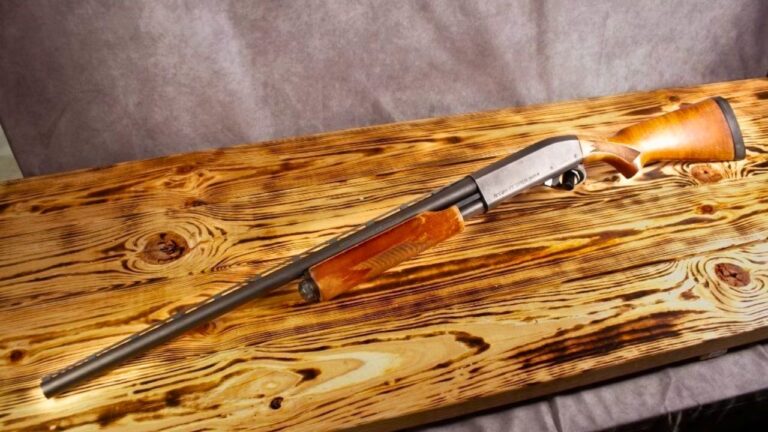
If one company embodies both the power and the limits of heritage, it is Remington. The History of Remington Firearms traces the firm from Eliphalet Remington’s first handmade gun in 1816 through its rise as one of the world’s most famous gun makers, chronicling how History of Remington became intertwined with American hunting and military life. That narrative emphasizes how the company’s products were marketed as “everyman’s gun,” accessible and reliable tools that could be passed down through generations. For a long time, simply seeing “Remington” on a barrel was enough to reassure buyers that they were joining that lineage.
Today, that aura is harder to sustain. The Remington gun factory nestled in New York’s Mohawk Valley is preparing to shutter its doors and move to Georgia after more than 200 years in the Empire State, a relocation that local leaders describe as the village “losing its soul.” The report on The Remington move underscores how economic pressures, lawsuits, and regulatory climates have battered the brand, to the point where even its physical presence in New York’s Mohawk Valley is no longer guaranteed. In a separate analysis of industry headwinds, Remington Arms is cited among “7 Gun Brands Disappearing from America by 2026,” with the segment on Remington Arms and its legal and financial troubles reinforcing the sense that a once unassailable name is now fighting for relevance and survival.
Digital disruption and the end of one way storytelling
For much of the twentieth century, gun companies could cultivate loyalty through glossy print ads, sponsored shooting teams, and a handful of television shows, all of which presented a carefully controlled image of rugged reliability. That model is breaking down as marketing shifts from print to a fragmented digital ecosystem where buyers expect direct engagement and real time information. One industry analysis describes how the firearm sector, rooted in tradition, has undergone a profound shift from magazine spreads to social media, influencer partnerships, and data driven campaigns, arguing that this evolution of firearm has disrupted the old top down relationship between brands and customers.
The same report notes that the move from print to digital disruption is not just about new ad formats, it is about a different balance of power. In a section explicitly labeled “The Evolution of Firearm Marketing: From Print to Digital Disruption,” the author explains how user generated content, online reviews, and interactive platforms now shape the industry’s future as much as corporate messaging does. That shift means a company can no longer rely on a full page ad to drown out criticism, because a single viral malfunction video or forum thread can reach more potential buyers than any catalog. As the analysis of Evolution of Firearm makes clear, digital disruption has turned loyalty into something that must be earned continuously, not assumed.
Forums where loyalty is debated in real time
Nowhere is the new skepticism more visible than in the online communities where gun owners trade advice, vent frustrations, and dissect corporate behavior. In one discussion titled “What makes a firearm company good according to reddit,” users argue that a brand’s reputation depends less on its logo and more on how it treats customers when things go wrong. One commenter notes that “There is a lot of guys in the industry who are pretty chill and a lot who are either completely insane or super aggressive when criticized,” adding that the best companies are the ones that listen, fix problems, and tell customers what they did. That emphasis on responsiveness, captured in the phrase There is a of variation in how firms react, shows how service can either reinforce or destroy loyalty.
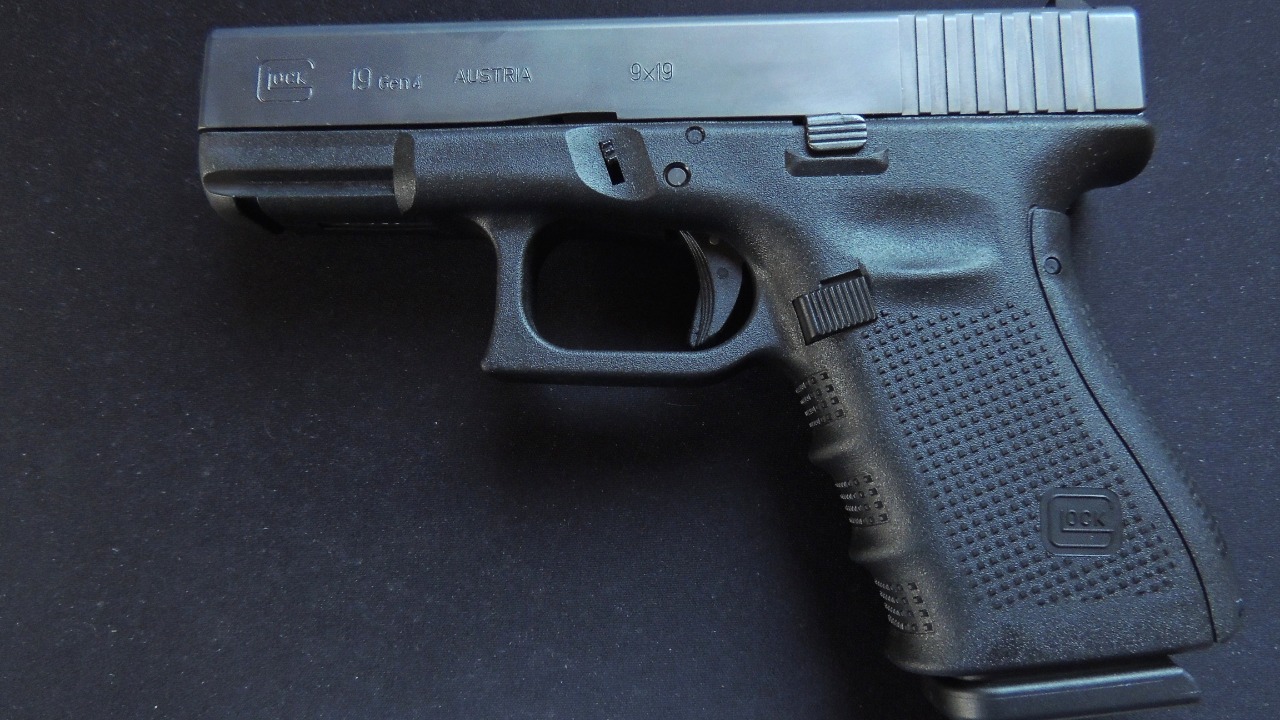
Other threads tackle the question of whether to stick with one manufacturer or branch out. In a conversation on r/handguns titled “Do I stay brand loyal or branch out,” one user jokes that the “Vp9 is the best Glock,” poking fun at the idea that all polymer striker pistols are interchangeable while also hinting at how brand identities blur when features converge. The same thread encourages shooters to rent different models at ranges instead of buying blind, a suggestion that undercuts the old habit of buying the same make over and over. The quip about Glock in that context is less about one company and more about a culture where experimentation is normal and loyalty is something to be weighed, not assumed.
Off brands, used glass, and the rise of value pragmatists
As prices climb and supply chains wobble, a growing slice of gun owners is prioritizing value and performance over prestige. In a thread on r/liberalgunowners titled “Why do you insist on off brands,” posters defend their choice to buy less famous manufacturers, arguing that many so called off brands offer solid reliability at lower cost. One commenter points out that some of these companies invest heavily in quality control and customer service precisely because they cannot lean on a century of name recognition, and that this makes them attractive to buyers who feel burned by big brands. The discussion of off brands frames the decision not as settling, but as a deliberate rejection of marketing hype.
A related conversation on r/liberalgunowners titled “Brand loyalty” extends that logic to optics and accessories. In the Comments Section, a user labeled “Top 1% Commenter” writes that they are “a huge fan of getting good used glass on eBay,” arguing that smart shoppers can find high end scopes at secondhand prices if they are willing to ignore the latest catalog releases. That comment, preserved in the reference to Comments Section and “Top 1% Commenter,” captures a broader shift toward mix and match setups where rifles, optics, and accessories come from different makers based on function, not matching logos. For retailers, this means the old strategy of locking in a customer to one brand family is less effective, because buyers are increasingly comfortable assembling their own ecosystem from whatever works best.
Politics, pressure campaigns, and values based buying
Brand loyalty in the gun world is no longer just about steel and polymer, it is also about politics and public image. Advocacy groups that focus on preventing violence have turned to financial pressure in the absence of sweeping legislative change, urging institutions to divest from companies that manufacture firearms or that sell to certain clients. One such effort notes that “Increasingly, in the absence of legislative action, organizations are divesting from companies that manufacture firearms, and consumers are pressuring companies to change what they are selling and/or who they are selling products to.” That use of the word Increasingly signals a trend in which loyalty is conditioned not only on product quality but on perceived social responsibility.
At the same time, research on political consumerism shows that this is not unique to firearms. One study of how liberals and conservatives shop differently reports that “Consumers are putting more pressure on companies to choose sides (a recent survey showed that 66% of consumers want companies to take public stands on social and political issues), interpreting company actions through a political lens.” The figure of 66% is striking in a sector where brands have long tried to stay apolitical while quietly courting certain demographics. As more buyers, on both sides of the debate, interpret sponsorships, lobbying, and public statements as signals of alignment or betrayal, companies find that loyalty can evaporate overnight if they are seen as choosing the wrong side.

Leo’s been tracking game and tuning gear since he could stand upright. He’s sharp, driven, and knows how to keep things running when conditions turn.