
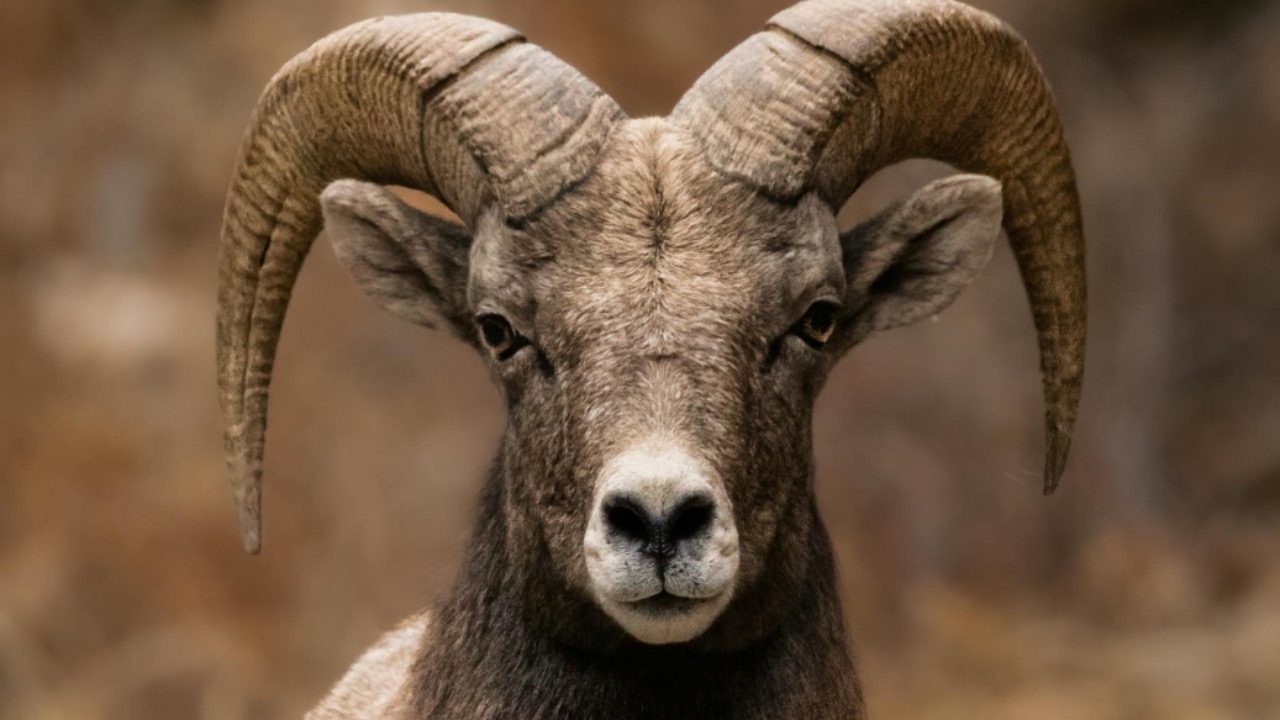
The U.S. States With the Largest Bighorn Sheep Populations
Bighorn sheep once ranged widely across the American West, then crashed under pressure from disease, overharvest, and habitat loss. Today their numbers are climbing again, and a handful of states now anchor the largest remaining herds in the country. Understanding where these wild sheep are strongest helps explain both a conservation success story and the work still ahead.
Across mountain and desert ecosystems, wildlife agencies track herd size, hunting permits, and disease threats to keep populations stable. Recent range wide tallies show that a small group of western states now hold the bulk of the nation’s bighorn sheep, from Rocky Mountain herds in high alpine basins to desert bighorns in the hottest canyon country.
How biologists rank the biggest bighorn states
Wildlife managers no longer rely on rough guesses when they describe which states hold the most sheep. A detailed range wide assessment of wild sheep compiles jurisdiction by jurisdiction figures for each LOCATION, listing the ESTIMATED POPULATION alongside RAM LICENSE and RAM HARVEST data as well as EWE LICENSES and EWE HARVEST, providing a consistent baseline for comparing states that manage both Rocky Mountain and desert bighorns. That assessment reports totals for each state and province on a single grid, allowing biologists to see at a glance where herds are expanding and where they are still struggling, and it is the backbone for describing which states now support the largest bighorn numbers.
These tallies sit within a broader global context. A recent overview of wild sheep explains that bighorn sheep (Rocky Mountain and desert forms) are part of a larger complex of wild Ovis that has been heavily shaped by human activity and modern disease pressure, yet Rocky Mountain bighorn sheep are still classified as of “least concern” because total numbers have rebounded from historic lows. The same analysis notes that bighorn sheep hunting remains popular in North America because of the species’ high trophic value and their aesthetic appeal, which in turn keeps pressure on agencies to maintain healthy, huntable herds through closely monitored quotas and transplants.
Colorado’s comeback and leadership role
Colorado now stands out as the clearest example of a state that nearly lost its wild sheep, then rebuilt them into one of the continent’s largest populations. Historical accounts describe how the state’s bighorn numbers dwindled in the mid nineteenth century until only an estimated 2,200 remained, before the Colorado Division of Wildlife began intensive research and reintroduction work in the mid twentieth century. A more recent summary of that effort notes that Colorado now has seventy nine separate breeding herds and an estimated total of 7,040 individuals, giving the state one of the largest single bighorn populations in the United States.
Those animals are spread across some of the most rugged terrain in the central Rockies, where herds use alpine meadows and steep cliffs to escape predators and deep snow. In places like the Creede area, visitors regularly see Rocky Mountain bighorn sheep grazing near roads and high elevation pastures, a visibility that reflects how thoroughly the species has reoccupied its historic range in the state. Colorado’s prominence as a stronghold for the species also shows up in national search and mapping tools, where a query for Colorado immediately surfaces the state’s mountainous geography that underpins this recovery.
Nevada and the rise of desert bighorns
While Colorado is often associated with classic Rocky Mountain bighorns, Nevada has quietly become one of the most important states for desert bighorn sheep. The range wide status report for wild sheep lists Nevada alongside other western jurisdictions in its LOCATION grid, and the state’s entry shows a substantial ESTIMATED POPULATION supported by a carefully controlled number of ram licenses. That balance between opportunity and restraint has allowed Nevada to rebuild herds across many desert ranges after they were nearly extirpated in the early twentieth century, and the same table that captures figures like 6,000, 160, 114, and 38 for Alberta illustrates how western agencies use comparable metrics to track their own progress.
Geography is part of the explanation. Nevada is dominated by basin and range topography, with long parallel mountain chains separated by arid valleys, and that structure creates ideal habitat for bighorn sheep that prefer steep rocky slopes with quick escape routes. Modern mapping tools that highlight the state’s terrain, such as a basic search for Nevada, reinforce how much of its landmass consists of isolated ridges that can each hold a discrete herd. Additional reference entries on Nevada’s location and basic state profile underscore how thoroughly the species is tied to this dry, mountainous environment.
Other western strongholds from Arizona to Oregon
Several neighboring states round out the list of major bighorn strongholds, each with its own mix of subspecies and management challenges. Arizona manages both Rocky Mountain and desert bighorn sheep, and the range wide report notes that the Arizona Game and Fish Department oversees populations in multiple mountain ranges in western Arizona while issuing a limited number of Rocky Mountain bighorn sheep permits. The same entry explains that biological samples are collected during harvest and that managers conduct a test and remove effort to limit disease, which helps keep desert bighorn sheep populations stable across the state’s rugged canyon and plateau country.
Farther north, Oregon provides an example of how a state can support more than one subspecies of wild sheep in a relatively narrow band of suitable habitat. The Oregon Department of Fish & Wildlife describes California bighorn sheep as one of two subspecies of wild sheep in Oregon and notes that they are usually found in open, broken country where steep slopes meet grasslands. Agency material on California bighorn sheep explains that these animals occupy several eastern Oregon ranges that were repopulated through transplants, which has allowed the state to offer tightly controlled hunting opportunities while maintaining viable herds.
Managing growth, disease, and public demand
Even in states with large populations, bighorn sheep remain vulnerable to disease and habitat conflicts, and agencies treat ongoing monitoring as a core part of management. In Wyoming, for example, The WGFD is currently collecting additional data using radio marked bighorn sheep to understand the status of the population and evaluate how factors such as disease and habitat quality affect survival. That kind of research, described in a species account for Ovis canadensis on the Bridger Teton National Forest, gives managers the detailed movement and mortality information they need to adjust hunting quotas and prioritize habitat projects.
Desert herds face their own pressures. The Peninsular bighorn sheep (Ovis canadensis nelsoni) is recognized as a distinct population segment of a desert bighorn sheep subspecies, and federal biologists report that numbers in that segment increased to 884 by 2016 after intensive recovery work. An official Overview explains how habitat protection, predator management, and limits on disturbance helped that recovery, mirroring strategies used in other desert states. Across the West, the same range wide status report that organizes LOCATION and ESTIMATED POPULATION data for wild sheep is used to track where such interventions are working, and a broader synthesis of bighorn sheep population by state notes that despite past declines, Rocky Mountain bighorn sheep are still considered of least conservation concern because of these coordinated efforts.
State by state comparisons also help frame public debates about hunting and access. A detailed breakdown of bighorn sheep population by state points out that sheep hunting is popular in the United States because of the species’ trophic value and their aesthetic appeal, which in turn drives demand for limited ram licenses in places like Colorado, Nevada, and Arizona. The same analysis, which compiles figures for multiple jurisdictions, aligns with the range wide status document available through the Wild Sheep Foundation, where a single table lists each LOCATION, its ESTIMATED POPULATION, and the number of RAM LICENSE and EWE LICENSE opportunities, providing a transparent look at how agencies balance recreation with conservation.

Asher was raised in the woods and on the water, and it shows. He’s logged more hours behind a rifle and under a heavy pack than most men twice his age.


