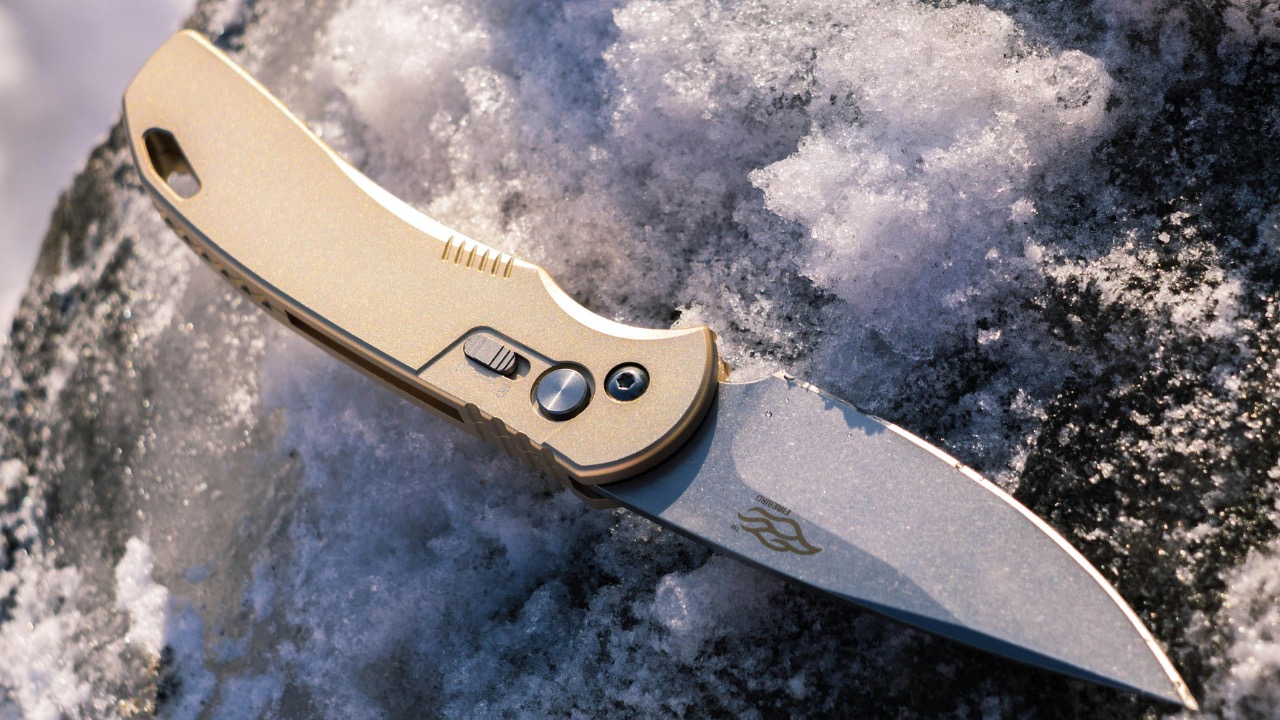
Knives That Became Legends Among Hunters and Outdoorsmen
Some knives are just tools. Others become shorthand for a whole way of life in the woods, carried by generations of hunters and outdoorsmen who trust them when the work turns bloody, wet, or cold. The blades that reach legendary status usually combine hard field use, distinctive design, and stories that tie them to specific people and places.
From early frontier patterns to folding icons that still ride in pockets, these knives show how function, culture, and myth converge on a hunter’s belt. Their shapes, steels, and even brand names trace a line from the first dedicated hunting blades to the modern mix of factory workhorses and collectible legends.
What Makes a Knife Legendary in the Field
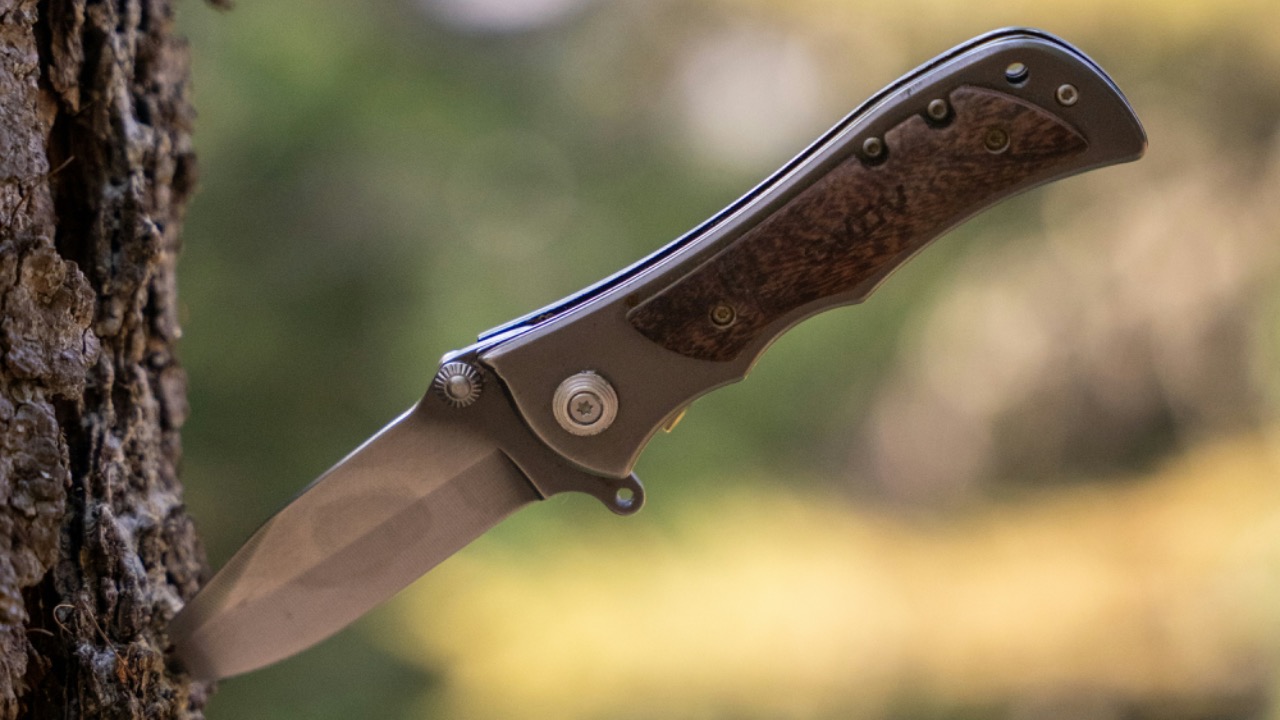
Among hunters and outdoorsmen, an iconic hunting knife is not defined only by price or exotic materials. One detailed overview explains that a truly iconic blade earns recognition for its historical role, distinctive design, and the stories that build up around it, especially when those stories involve demanding use in the wild. The same analysis notes that cultural symbolism and famous owners can elevate a knife even further, turning a practical object into a status piece that still has to perform on game and camp chores.
Traditional patterns show how this happens over time. A survey of classic designs describes how regional and cultural differences produced a wide range of hunting knives, each adapted to local game and conditions. In that account, the section titled Diversity of Traditional explains that these blades were used by generations of hunters, which is exactly how reputations are forged: slow, repetitive proof that a pattern works. When a knife keeps showing up on belts season after season, its shape and name start to mean reliability long before marketing gets involved.
Collectors and users often converge on the same models. A guide to collectible blades lists a group it calls Must Own Pocket, including the Benchmade 940 Osborne, the Buck 110, the Case Trapper, the Chris Reeve Sebenza, the CRKT M16, and the CRKT Snap Lock. The presence of workhorse hunting and utility folders in that list shows how practical reputation can turn into collector demand once a knife proves itself over decades.
From Stone Edges to Steel Classics
The story of legendary hunting knives starts long before brass bolsters and synthetic handles. A historical overview titled History and Transformation traces the tool back to early human hunters. In the section called The Beginnings of Hunting Knives, it describes how the first dedicated hunting blades were simple stone or bone edges used to process game. As metallurgy advanced, those crude tools gave way to forged iron and steel, which could hold a finer edge and survive more abuse in the field.
That same history notes how certain patterns rose above others. The piece highlights how the Bowie knife, also known as a symbol of American frontier culture, grew into more than a weapon. A separate account of how The Bowie became America’s knife explains that there are even towns named after it and that its namesake, James Bowie, became famous after a violent fight that helped cement the blade’s image. Historical material on James Bowie connects that legend to the Alamo and to a specific man whose name became shorthand for a large, clipped blade carried on the frontier.
Broader military history also feeds into hunting knives. An article on Blades that Forged lists the Bowie knife among weapons that had outsized impact, placing it alongside ancient swords such as the Falcata used by Celtiberian warriors. That context shows how a single pattern can bridge battlefields and backwoods. Later, as steelmaking improved and industrial production ramped up, knife makers began producing purpose-built hunting designs that blended those martial influences with the needs of trappers, guides, and recreational hunters.
The Buck 110 Folding Hunter: Pocket Icon of the Deer Camp
No discussion of legendary hunting knives can skip the Buck 110 Folding Hunter. When people picture a classic pocket knife with brass bolsters and woodgrain scales, many are really seeing this model in their minds. A detailed review of the Buck 110 Folding describes how, for many outdoorsmen, that brass and wood folder was their first serious knife. It combined a strong lockback mechanism with a clip point blade that could dress deer yet still fold safely into a belt sheath or pocket.
A spotlight on the model explains that the Buck Folding Hunter was introduced as a sturdy alternative to fixed blades and quickly became one of the company’s best selling knives. That source emphasizes the number 110 as central to the knife’s identity, to the point that some users refer to the pattern simply by that number. In that discussion, phrases such as Apr, Spotlight, Buck, Folding Hunter, The Buck, and When are used to frame the knife’s role in the broader catalog, underscoring how tightly the brand and model are linked in the minds of users. The piece also notes that the design set the template for a whole category of lockback hunting folders that followed.
An in depth history of the model, labeled HISTORY OF THE, tracks how the knife evolved from early production runs to the modern versions. That account highlights how the brass bolsters, wood handles, and lockback construction created a distinctive silhouette that many hunters can recognize at a glance. It also ties the pattern to Buck’s broader legacy, showing how the 110 helped define the company’s reputation for durable, field ready knives that could be passed down.
A separate historical overview of the brand points out that the Buck Knife Model 110 has reached enormous sales numbers, with millions of knives sold since its release. In that narrative, the story begins with Hoyt H. Buck, who learned to work steel as a young man and eventually gave his name to the company. The same source uses phrases such as Sep, Today, Buck, and Hoyt to ground the story in a specific person and timeline, then connects that history to the way the 110 still shows up on lists of classic knives decades after its debut.
Modern product roundups continue to reinforce that status. A guide to the Best Buck Knives describes the 110 Folding Hunter as a benchmark that some reviewers still consider the company’s best made knife. Another collector focused list that includes the Buck 110 among its Must Own Pocket Legends shows how a tool once marketed to deer hunters has become an object of nostalgia and investment. That mix of hard use credibility and collector appeal is central to why the pattern has become legendary.
The support infrastructure around the knife also speaks to how widely it is used. A help center for a major retailer that features the model in a section labeled Spotlight Buck Folding uses the number 110 repeatedly in product support content, and even the brand’s social media, such as the page at Knivesandtools.co.uk, showcases the pattern. Those references show that the 110 is not only a heritage piece but an active, supported product that continues to attract new hunters and collectors.
Fixed Blades in the Deer Woods: Tradition and Utility
While the Buck 110 brought folding convenience to big game hunting, many outdoorsmen still favor fixed blades for their simplicity and strength. Traditional hunting knives around the world include drop points, clip points, and regional patterns that reflect local game and butchering styles. The same overview that discusses Diversity of Traditional notes that these designs have been used by generations of hunters, which is a key ingredient in building legend status.
Another piece on the finest blades for the wild describes how certain hunting knives, including tracker style tools and Damascus steel patterns, have become symbols of craftsmanship and frontier spirit. That article, framed with phrases such as Oct, In the, and From the del, ties the performance of these knives to their visual drama. It argues that a knife that can skin an elk and split kindling while also looking distinctive in photos will often gain a following that extends beyond pure function.
Modern custom makers and small brands build on that foundation. A feature on Hunting Knives notes that patterns such as the Bowie knife, Damascus Knives, and Dagger Knife have all crossed over into popular culture while still being used in the field. That source explains that an iconic hunting knife is typically one that has gained recognition for its historical significance, innovative design, and the stories behind it. When a fixed blade checks all of those boxes and continues to ride on belts in the backcountry, it moves from being just another tool into the category of legend.
From the Battlefield to the Backcountry: The KA BAR Story
Some of the most famous knives among outdoorsmen started as military tools. A detailed feature on From the Battlefieldto the outdoors explains how historical military knives influenced modern designs. In the section titled The Roots of Military Knives, Function Forg, it describes how combat blades were built first for reliability under extreme stress, then later adapted by hunters and campers who valued the same ruggedness for survival and field work.
One of the clearest examples is the KA BAR pattern. A brand overview notes that KA BAR knives have a legacy rooted in American military history, first adopted by the U.S. Marine Corps during World War II. That account states that KA BAR became one of the most trusted brands among service members and later among civilians. The description emphasizes names such as BAR, American, Marine Corps, and World War II, highlighting how deeply the knife is tied to a specific branch and conflict.
A product description for the KA BAR USMC describes a full size fixed blade with a 7 inch clip point, designed for general purpose field and utility tasks. The write up notes that it comes with a sheath for carry and storage, and that it remains a standard pattern for those who want a single knife to handle camp chores, light chopping, and emergency defense. Another listing for the KA BAR 1217 USMC Straight Edge invites buyers to own a piece of American history, calling it the most famous fixed blade knife in the world and stressing the words Own, American, BAR, USMC, and Straight Edge to underline its heritage.
Modern gear reviews back up that reputation. One assessment of The Ka Bar notes that the knife still makes an excellent utility tool or bushcraft knife. It highlights the heavy duty clip point as highly resistant to breakage and stresses that the blade can handle both fighting and survival roles in a pinch. That dual identity is central to why the pattern migrated from the battlefield to deer camps and canoe trips, where users valued its toughness even if they never needed its original combat function.
Historical writing on Marine Corps gear, such as the piece at warfarehistorynetwork.com, goes further. It describes how the Marine Corps KA BAR fighting knife became a symbol for those who carried it and how veterans often held on to their blades after service, then used them for hunting and camping. That personal continuity helped seed the knife’s reputation among civilians, who saw it not only as a rugged tool but as a link to wartime sacrifice and skill.
The Bowie Knife: Frontier Legend Turned Hunting Staple
Few blades have accumulated as much myth as the Bowie knife. The historical overview of hunting knives that mentions the Bowie describes it as both a practical tool and a symbol of frontier life. It notes that the pattern, with its large clip point and pronounced guard, was originally associated with fighting but quickly found a role in hunting and camp work. The same source, in a section on The Hunting Knives of Today, explains that modern versions of the Bowie continue to influence large hunting and survival knives.
A feature on how The Bowie became America’s knife recounts how the pattern gained fame after a violent fight involving James Bowie. That article notes that America embraced the blade so thoroughly that there are towns named after it, and that its image appears in movies, books, and advertising. The combination of battlefield and backwoods utility made it a natural choice for hunters who wanted a knife that could both defend and dress game.
Historical material on James Bowie fills in the biographical side, portraying him as a figure whose life intersected with key moments in Texas and American history. The Alamo connection, along with stories of knife fights and frontier travel, gave the Bowie knife a narrative weight that few other blades can match. When modern hunters strap on a large clip point with a guard and call it a Bowie, they are tapping into that long chain of stories as much as they are choosing a tool for cutting.
That mythic status does not mean the pattern is obsolete. Modern makers still produce Bowie style hunting knives with updated steels and handle materials, and custom shops often treat the Bowie as a canvas for artistic engraving and exotic materials. The historical overview from Unholy Blades, amplified by social media channels such as Unholy Blades, Twitter, and Pinterest, shows how the design continues to evolve while keeping its distinctive silhouette.
Guides Who Staked Their Lives on Specific Knives
Knives become legends not only because of their design but also because of the people who rely on them. A profile of classic outdoorsmen lists figures whose names still carry weight among hunters. One section focuses on Bradford Angier, born in 1910, who lived with his wife in the backcountry of British Columbia and wrote magazine articles and books about wilderness living. The piece titled KNIVES CHOSEN BY explains that Angier depended on specific knives with bone stag handles, and that his recommendations influenced generations of readers who wanted to live closer to the land.
The same source profiles Calvin Rustum, born in 1895, describing him as the author of 15 books on woodcraft and canoeing. It notes that Rustum was a constant explorer along the Canad wilderness and that he, too, chose particular knives that he trusted for everything from carving paddles to preparing food. The account, which also mentions Fred Bear 1902 to 1988, shows how these individuals turned personal preferences into informal standards for their followers. When a respected guide or writer praises a knife repeatedly, that blade often becomes a default choice for readers heading into similar country.
These stories illustrate a broader pattern. Legendary knives are often attached to names: Bradford Angier, Calvin Rustum, Fred Bear, James Bowie, the U.S. Marine Corps. Each name carries its own credibility and narrative, and the knife benefits from that association. Over time, the tool and the person become intertwined in hunting lore, and new users adopt the pattern as a way to connect with that tradition.
Swiss Army and Modern Multi Tools in the Hunting Pack
Not every legendary knife in the outdoors is a large fixed blade or a heavy lockback. A list of iconic practical and utility knives singles out the Victorinox Swiss Army Knife as perhaps the most recognizable pocket tool in the world. The write up notes that the Victorinox Swiss Army Knife is Loved all over the world, emphasizing that phrase to capture the affection many users feel for the little red tool. While it began as a soldier’s knife, hunters quickly adopted it for its screwdrivers, saws, and small blades that complement a primary hunting knife.
The same list that praises the Swiss Army Knife also includes classic outdoor patterns such as the Marbles Ideal, noting that these knives are made to last. That durability, combined with multi function convenience, explains why many hunters carry a Swiss Army Knife or similar multi tool alongside a dedicated skinning or gutting blade. Over time, specific models gain reputations of their own, especially when they are used in memorable hunts or passed down through families.
Modern data tools also show how these preferences spread. A description of Google’s Shopping Graph explains how Product information is aggregated from brands, stores, and other content providers. While that system is designed for commerce, it also reflects what people are actually buying and searching for, which often includes classic hunting knives and multi tools that have earned trust in the field. As more users review and recommend specific models online, the feedback loop between real world use and digital visibility grows stronger.
Collectible Status and the Modern Market
Once a knife has proven itself over decades, it often crosses from pure tool into collectible object. The earlier mentioned guide to collectible knives lists both modern tactical folders and traditional hunting patterns under the heading Must Own Pocket Legends. The inclusion of the Buck 110 alongside the Benchmade 940 Osborne and the Case Trapper shows how a classic hunting folder can share shelf space with high end modern designs.
Brand specific roundups reinforce this shift. A detailed review titled 5 Best Buck frames the company’s offerings as Stalwart Blades in Versatile Varieties, then highlights the 110 as a benchmark. That sort of language treats the knife not only as a tool but as a touchstone for evaluating newer models. When reviewers and collectors measure other knives against a specific pattern, that pattern’s legendary status is effectively confirmed.

Leo’s been tracking game and tuning gear since he could stand upright. He’s sharp, driven, and knows how to keep things running when conditions turn.