The Knives Outdoorsmen Still Pass Down to the Next Generation
Outdoorsmen tend to keep gear longer than most folks. When something works season after season, it becomes more than a tool. It carries memories—cold mornings in a deer stand, long hikes into elk country, or quiet evenings at a skinning pole with family nearby. Knives especially earn that kind of respect because they’re used for the moments that define hunting and life outdoors.
The knives that get passed down usually share a few traits. They hold an edge, handle real work, and feel right in your hand even after years of use. They’re not always flashy, and some never trend on social media. But when you talk to hunters who’ve been at it for decades, these are the blades that keep showing up in camp—and eventually end up in the next generation’s hands.
Russell Green River Hunting Knife
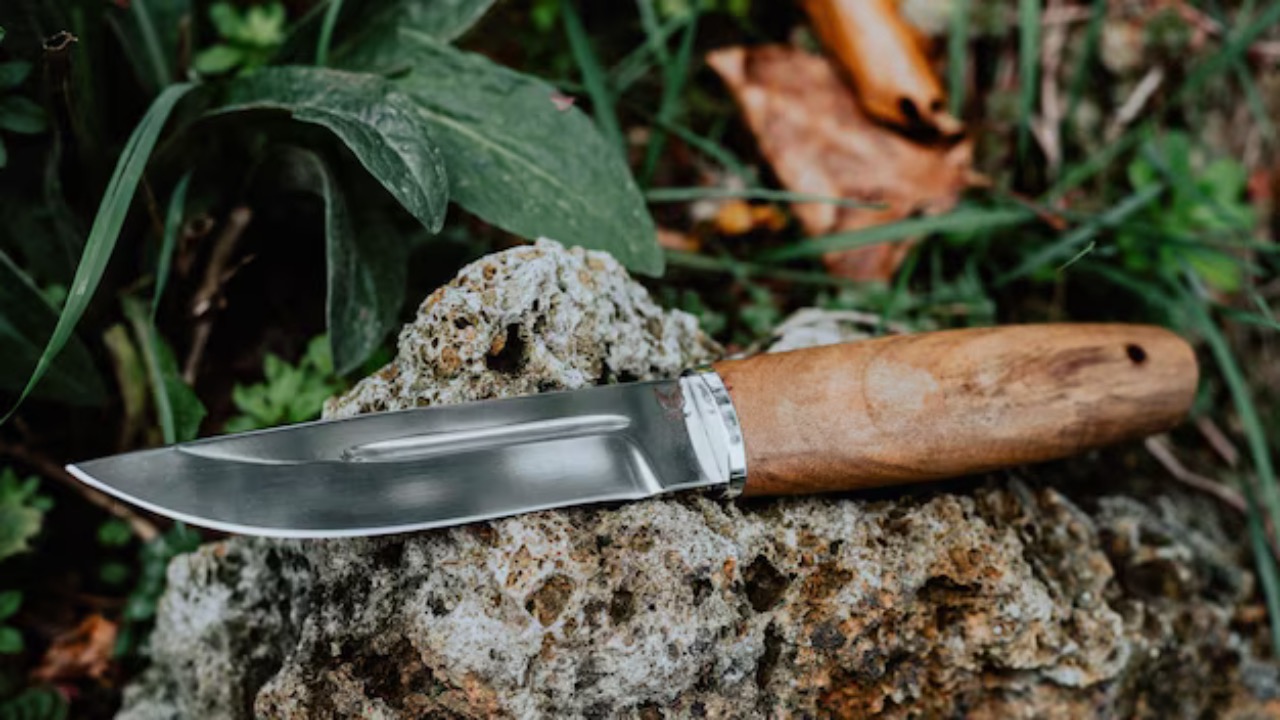
If you spend time around older trappers and woodsmen, the Russell Green River knife comes up sooner or later. These blades have been around since the 1800s and built their reputation in fur camps and frontier cabins. The steel takes a keen edge and sharpens easily in the field, which matters when you’re miles away from a bench stone.
You’ll notice the blade shape works well for skinning and light camp chores. Nothing about it feels complicated. Many hunters keep one in a leather sheath that’s worn smooth from decades of use. When a knife like that gets handed down, the story behind it often means as much as the blade itself.
Grohmann No.1 Original Design
The Grohmann No.1, sometimes called the Canadian Belt Knife, has a shape that looks unusual until you use it. That slight curve in the blade and handle makes a difference when you’re dressing game. The knife naturally angles the edge where you want it without forcing your wrist into an awkward position.
Hunters who carry one for a few seasons tend to stick with it for life. The blade handles skinning work smoothly, and the narrow point helps with careful cuts around joints. Over time the handle darkens and the sheath softens, giving the knife that worn-in feel that makes it hard to replace.
Bark River Bravo 1
The Bark River Bravo 1 wasn’t originally built as a hunting knife, but plenty of outdoorsmen adopted it anyway. The thick spine and strong steel make it capable of heavier camp chores that would damage thinner blades.
When you’re processing game or splitting kindling for a quick fire, the knife holds up without complaint. Owners often talk about the comfortable grip and the way the blade keeps cutting long after others dull out. Because of that durability, it’s common to see a Bravo 1 stay in the family for years before it finally changes hands.
Case XX Leather Hunter
Case knives have been part of American hunting camps for generations, and the Leather Hunter is one of the models that sticks around. The stacked leather handle feels warm in cold weather and provides a secure grip even when your hands are wet.
The blade profile works well when you’re opening up a deer or trimming meat back at camp. It isn’t oversized, and that’s part of the appeal. Hunters who grew up seeing one on their father’s belt often end up carrying the same knife decades later, eventually handing it to their own kids.
Condor Kephart
The Kephart design traces back to early wilderness guide Horace Kephart, and the Condor version keeps that practical approach alive. The blade shape handles nearly any outdoor task, whether you’re preparing kindling or working on game.
You’ll find that the knife balances nicely and doesn’t feel bulky on your belt. Outdoorsmen who spend long days in the woods appreciate that kind of practicality. Over time the blade gains scratches and wear that reflect years of camp life, making it a natural choice to pass along when someone younger starts building their own kit.
Buck Vanguard
The Buck Vanguard doesn’t get the same attention as the famous Buck 110, but experienced hunters know how dependable it is. The blade shape works well for skinning deer and other medium-sized game, and the handle fills your hand without feeling bulky.
Many hunters like the way the knife stays controllable during careful cuts around shoulders and backstraps. The brass guard and wood handle age well, picking up character with every season. It’s the kind of knife that quietly becomes part of your hunting routine until one day you realize you’ve carried it for twenty years.
Helle Harding
Norwegian knife maker Helle produces blades that feel at home in the woods, and the Harding model is one that often finds its way into long-term use. The laminated steel holds a sharp edge while remaining manageable to maintain.
The curly birch handle gives the knife a traditional look without sacrificing grip. Outdoorsmen who value practical tools often appreciate how well it handles camp work and field dressing. When someone eventually passes a Harding along, the knife usually carries years of experience with it.
Grohmann Boat Knife
The Grohmann Boat Knife isn’t strictly a hunting knife, but many outdoorsmen keep one nearby for camp and general utility. The blunt tip adds safety when cutting rope, straps, or other gear around camp.
You’ll notice how sturdy the blade feels when working on tougher materials. Fishermen and hunters alike rely on it during long trips where gear needs constant attention. Because it handles so many tasks, the knife tends to stay around long enough to become part of family gear handed down over time.
Bark River Gunny
The Bark River Gunny has earned a following among hunters who want a compact knife that still feels capable. The blade shape is practical for skinning and general camp chores, and the steel holds up well through repeated sharpening.
It rides comfortably on a belt without getting in the way during long hikes. Outdoorsmen who spend a lot of time in the field appreciate gear that works without fuss. Over the years, a Gunny can easily become the knife someone associates with countless hunts and eventually passes on.
Fallkniven F1
The Fallkniven F1 started as a survival knife for Swedish Air Force pilots, but hunters quickly realized it could handle field work too. The laminated steel offers strength and edge retention, while the rubber handle keeps a firm grip in wet or cold conditions.
Outdoorsmen who carry one often mention how dependable it feels when conditions turn rough. The blade handles meat processing, camp chores, and even heavier work when needed. A knife that proves itself in that many situations tends to stay in circulation for a long time.
LT Wright Genesis
The LT Wright Genesis has become popular among hunters who appreciate traditional bushcraft design. The blade shape handles skinning tasks easily while still managing camp work without feeling delicate.
The handle is comfortable for long sessions at a skinning pole or around camp. That matters more than many people realize until they’ve spent hours working with a knife. Because it performs well in so many roles, the Genesis often becomes one of those knives that sticks around long enough to be handed down.
Puma White Hunter
The Puma White Hunter has been around since the mid-1900s and built its reputation on durability. The blade shape is unusual, but it handles skinning, cutting, and camp work without hesitation.
Many hunters bought one decades ago and never saw a reason to replace it. The thick blade and solid construction mean the knife can survive years of hard use. When something lasts that long and proves itself repeatedly in the field, it naturally becomes the kind of tool a hunter wants to pass along.
Grohmann Trout and Bird Knife
The Grohmann Trout and Bird knife is smaller than many hunting blades, but that’s exactly why some outdoorsmen prefer it. The thin blade and narrow point give you control when working on smaller game or delicate cuts.
It disappears easily on a belt, which makes it convenient for long days in the woods. Hunters who carry one often discover that it handles most field dressing tasks without trouble. Over time, the knife earns a place in their gear lineup and eventually becomes something worth passing on.
Benchmade Hidden Canyon Hunter
The Benchmade Hidden Canyon Hunter is compact but capable. The blade profile works well for skinning deer and other game, and the steel holds a sharp edge through long sessions in the field.
You’ll notice how comfortable it feels during careful cuts. The smaller size makes it easy to control when working around joints or trimming meat. Hunters who carry one often keep it for years, and by the time it changes hands, the knife already has a long story behind it.
Enzo Trapper
The Enzo Trapper blends traditional design with modern steel. Hunters appreciate the clean blade shape and the way it handles both camp work and game processing.
It feels balanced and steady in your hand, which matters when you’re making careful cuts. The knife ages well too, with handles that develop character after years of outdoor use. For many outdoorsmen, it becomes the kind of knife that sticks around long enough to pass down when someone younger starts hunting.

Asher was raised in the woods and on the water, and it shows. He’s logged more hours behind a rifle and under a heavy pack than most men twice his age.