How Water Conditions Are Affecting Catch Rates
Catch rates do not rise and fall by luck alone. Every bite you get is tied to what the water is doing under and around your boat, from temperature and clarity to current, wind, and rain. When you start reading those conditions the way you read a map, you stop guessing and start fishing with a plan.
I have watched tough days turn around the moment I matched my tactics to what the water was telling me. The same patterns show up whether you are chasing trout in a cold river or redfish on a tidal flat: understand the conditions, and your odds of connecting with fish go up fast.
Why Water Conditions Decide Whether You Catch Fish
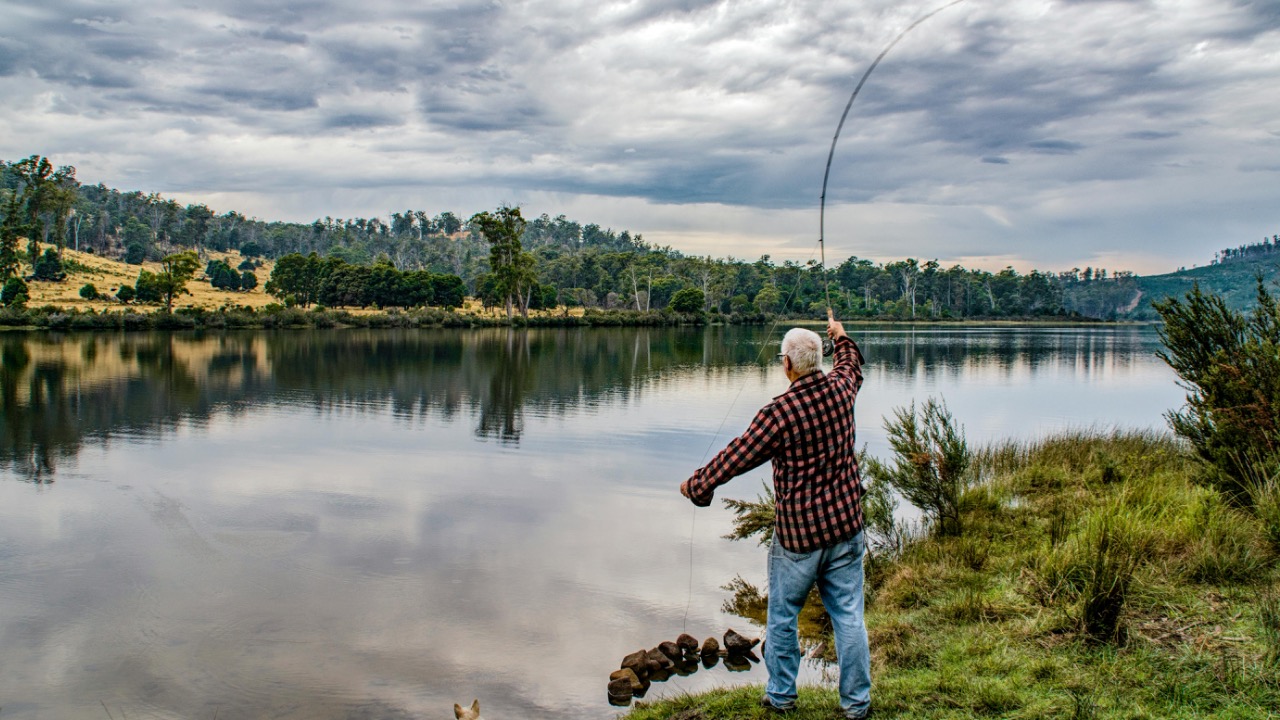
Fish live in a world of limits. They are cold blooded, they breathe dissolved oxygen, and they burn energy every time they fight current or chase food. That means small changes in water conditions can flip a switch between feeding and shutting down. When the water lines up with a species’ comfort zone, fish slide into predictable spots and feed more aggressively, which is exactly when catch rates spike.
On the flip side, when conditions push fish outside that comfort zone, they hunker down, move to safer water, or feed only in short windows. Research on catch data has shown that variables like sea surface temperature, current, and light levels can all change how many fish are caught per hour of effort, with models such as a generalized additive model tying shifts in catch directly to changing SST. When you start thinking like a fish and paying attention to those same triggers, you stop blaming “bad luck” and start making smarter calls on where and how to fish.
Clarity, Color, and Light: Seeing the Water the Way Fish Do
Water clarity is one of the first things I look at when I walk up to a lake or river. Clear water usually means fish can see farther, which often pushes them deeper or tighter to cover during bright light, while stained water lets them roam shallower and feed more confidently. Detailed instruction on how to observe water clarity and adjust lure size, color, and presentation shows how critical this factor is to improving your catch rate.
Color changes tell their own story. A greenish tint can signal plankton and active bait, while chocolate brown runoff often means low visibility and debris that push fish to edges and eddies. On bright days in clear water I downsize line, go with natural colors, and fish slower. In dingy water I lean on bulkier profiles, vibration, and darker shades that throw a strong silhouette. Reading the “mood” of the water this way lets you match your approach to how far and how well fish can actually see.
Temperature: The Thermostat That Controls Feeding Windows
Water temperature might be the single most important number in fishing. Because fish are cold blooded, their metabolism rises and falls with temperature, which changes how often they need to eat and how far they are willing to chase a meal. Detailed breakdowns of how water temperature affects show that each species has a fairly tight band where it can reproduce, recover from stress, and feed efficiently.
In real terms, that means a few degrees can make or break your day. Guidance on how within limits colder water holds more oxygen, while shallow water heats up quicker, explains why fish slide to deeper holes in a heat wave and into skinny water on a mild spring afternoon. Seasonal walk‑throughs of how water temperature across winter, spring, summer, and fall reinforce the same point: if you are not tracking temperature changes, you are guessing at where the fish will be and how active they are.
Current, Flow, and Water Level: The Conveyor Belt of Food
Current is the conveyor belt that delivers food to fish, and it dictates where they can hold without burning too much energy. In rivers, even a small bump in flow can reposition fish from mid‑river seams to softer inside bends, logjams, or behind boulders. Instructional breakdowns of how current flow show how predators tuck into eddies and breaks, letting the river bring them insects, baitfish, and crustaceans while they wait in ambush.
Water level is the other half of that equation. When levels rise, new shoreline cover floods and fish often push shallow to feed in the fresh water, while dropping levels pull them off the bank and concentrate them on remaining structure. Veteran advice from Bill Dance Fishin Tips spells it out clearly: in a creek or river, the water level controls fish location, and when it rises you should look for new cover along the shoreline. I have seen that play out on everything from smallmouth streams to big tailwaters, where a foot of change in flow can move the entire bite.
Drought, Low Water, and Long-Term Stress on Fish
Extended drought does more than make boat ramps tricky, it reshapes fish behavior and survival. As reservoirs and rivers drop, water warms faster, oxygen levels fall, and habitat shrinks, which can stress every species in the system. Biologists have laid out in detail how drought impacts, noting that low flows and higher temperatures can affect all fish species, not just the cold‑water ones anglers tend to worry about.
On the water, that shows up as shorter feeding windows, more fish stacked in the few remaining deep holes, and sometimes outright closures to protect stressed populations. When I fish drought‑stricken water, I plan trips around cooler parts of the day, handle fish quickly, and avoid the shallowest, warmest stretches. Understanding how fragile those systems become in a dry year helps explain why catch rates can tank even when the water looks calm and clear.
Tides, Wind, and Big-Picture Weather Patterns
In saltwater, tides are the heartbeat of fish movement. The best windows often line up with moving water, when bait and predators both shift with the flow. Detailed explanations of HOW TIDES AFFECT point out that the strongest bites usually happen during the periods of faster tidal movement, while slack water often means fish are less likely to bite. I have seen flats that felt lifeless at dead low tide come alive with wakes and busting bait as the first trickle of incoming water rolled across them.
Wind is just as important, even on inland lakes. It stacks plankton and baitfish on the windward side, creates surface chop that breaks up light, and can either help or hurt boat control. Monitoring Wind Speed and Wind Direction shows how gusts can be a plus or a minus, with fish often more active ahead of a front and more finicky right after it passes. Broader weather patterns matter too, and guidance on What Weather Affects notes that gradual temperature changes tend to be better than sudden swings, which tracks with what most seasoned anglers see on the water.
Rain, Runoff, and the After-Storm Bite
Rain can be a curse or a gift, depending on timing and intensity. A steady shower that stains the water slightly and knocks insects and worms into the current can fire up fish, especially along banks and inflow points. Longtime river anglers know that rainy weather creates desirable low‑light conditions and washes food into the system, but they also warn that when oxygen becomes low after prolonged hot, still weather, fish can turn inactive.
Light to moderate rain often pulls fish shallower, especially along wooded banks where bugs and other critters get knocked into the water. Anglers trading notes have pointed out that after a good rain, Fish come closer to the banks looking for bugs that fall from trees or are washed into the river. I have had some of my best smallmouth days casting tight to flooded grass and laydowns right after a storm, when the water is rising but not yet blown out with mud.
Reading Structure and “Fishy” Water in Real Time
Even with perfect conditions, you still have to put your bait where the fish actually live. That starts with reading structure and current seams, then layering in what the water is doing that day. Detailed breakdowns of how to read water emphasize that fish are cold blooded and will shift to spots where temperature, oxygen, and food all line up, whether that is a shaded undercut bank, a mid‑river boulder, or a deep channel edge.
On lakes, I look for points, humps, and weedlines that intersect with wind and light changes. On rivers, I focus on seams where fast and slow water meet, plus any irregularity like a logjam or rock pile. When you combine that structural reading with real‑time clues like clarity, temperature, and flow, you start to see why one side of a point is dead while the other side is loaded. That is the difference between covering water blindly and fishing the highest percentage spots first.
Putting It All Together: A Practical Water-Reading Game Plan
To turn all of this into more fish in the net, you need a simple checklist you can run through every time you launch. I start with the basics: clarity, temperature, and water level. Then I factor in current or tide, wind direction, and any recent rain or drought. Detailed breakdowns of the six key factors that help you Catch More Fish by Understanding These Important Variables line up neatly with that approach, and they echo what most experienced anglers already do instinctively.
From there, I match my tactics to what the water is telling me. In cold, clear conditions I slow down and fish smaller, more natural offerings. In warm, stained water with current or wind, I speed up and use baits with more thump and flash. When I see a front coming, I try to fish the day before, when barometric pressure and Wind shifts often push fish into a short but aggressive feeding window. Over time, you start to recognize the patterns: certain lakes that fish best on a rising barometer, rivers that light up after a small bump in flow, or tidal flats that only really turn on during a specific stage of the tide.

Asher was raised in the woods and on the water, and it shows. He’s logged more hours behind a rifle and under a heavy pack than most men twice his age.