Eight mistakes to avoid during a nighttime traffic stop
Nighttime traffic stops compress stress, fear and legal risk into a few minutes on the side of the road. Darkness makes it harder for everyone to see, raises safety concerns for officers and drivers, and magnifies any misstep. Avoiding a handful of common mistakes can reduce the chance of arrest, escalation or misunderstandings while still protecting a driver’s rights.
Attorneys who handle impaired driving cases in places such as Winston, Salem and Greensboro in North Carolina stress that knowing the rules is only the first step; the second is actually following them when blue lights appear behind the car. The eight errors below show how small choices about where to stop, what to say and how to move inside the vehicle can shape what happens next during a late night encounter.
1. Stopping in a dangerous or confusing spot
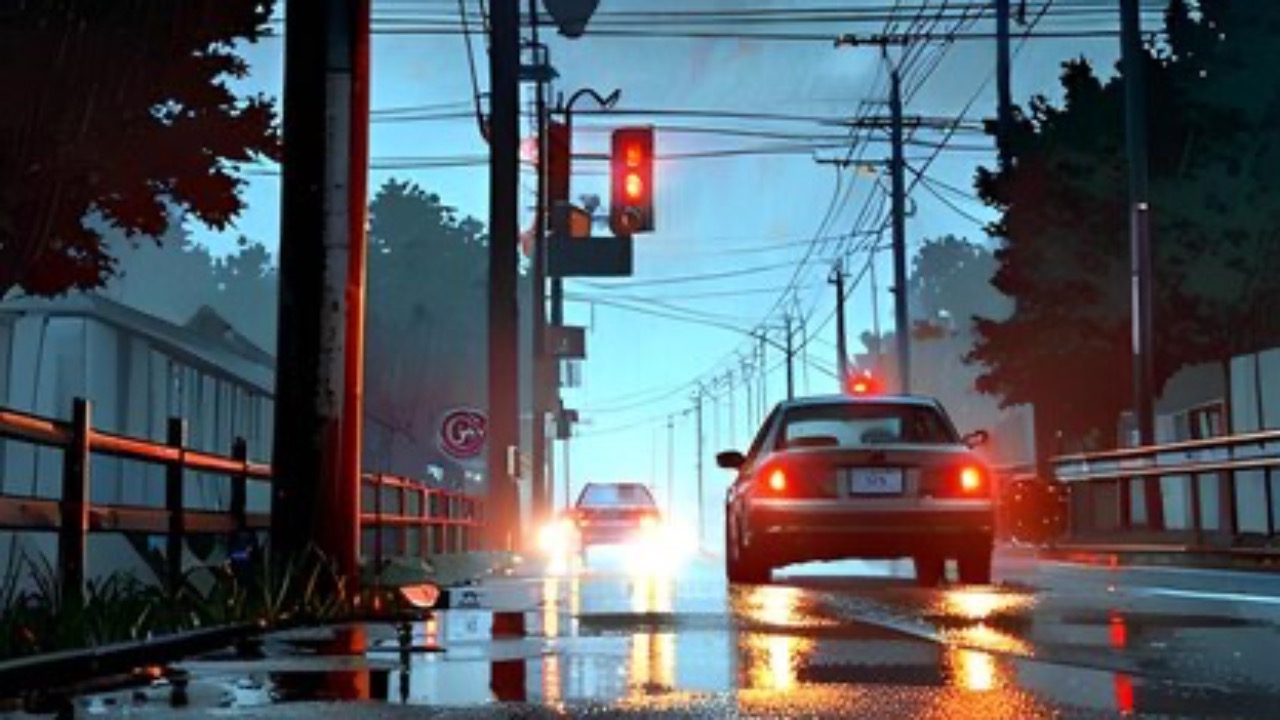
The first mistake often happens in the first few seconds: slamming on the brakes or pulling over in a risky place. Safety guidance for drivers urges people to pull off the road as far to the right as reasonably possible, rather than stopping in a live lane, on a blind curve or in the middle of a narrow bridge. At night, a driver who panics and stops abruptly can surprise traffic behind them and leave the officer walking up in near darkness with cars rushing past, which increases the risk of a crash and can immediately raise tension.
Legal and law enforcement sources describe how officers expect drivers to slow down, signal, then choose a location that is lit and reasonably wide, even if that means rolling for a short distance with hazard lights on. One sheriff’s office in North Carolina tells drivers to carefully choose where because the spot matters more to the officer than to the motorist. Other guidance aimed at newcomers to the United States repeats the same point, advising drivers to pull off to as far as safely possible so the interaction starts in a place where everyone can see and hear.
2. Jumping out of the car or making sudden moves
Once the vehicle is stopped, another serious mistake is stepping out without being asked or moving around quickly inside the cabin. Training materials for drivers warn that people should not exit their car unless an officer instructs them to, and that otherwise they should remain seated with the engine off and hands visible. At night, when officers already struggle to see inside a dark vehicle, a door suddenly opening or a driver bending out of sight can trigger a heightened safety response that sets a confrontational tone from the start.
One city brochure on traffic stop dos tells drivers to stay put unless told otherwise, both to avoid disrupting traffic and to keep the officer from wondering if the person is trying to run, hide something or reach for a weapon. Attorneys who focus on impaired driving cases add that officers conducting nighttime DUI checks feel especially vulnerable when they cannot clearly see a driver’s hands, which is why some recommend placing both hands on the steering wheel and waiting for instructions before reaching for a wallet or glove box. That simple habit can prevent a routine stop from being misread as a threat.
3. Waiting too long to pull over or trying to evade
Some drivers, especially at night on unfamiliar roads, make the mistake of ignoring lights for too long or trying to get away. Legal guides are blunt that once a marked patrol car activates its lights, the driver is expected to acknowledge the signal promptly. Continuing at full speed, weaving through traffic or turning off into side streets can look like an attempt to flee, even if the person behind the wheel is simply scared or confused.
Defense lawyers who handle evasion and DUI cases describe how people talk themselves into trouble in those first minutes, convincing themselves that if they can just get home or to a friend’s driveway they will somehow avoid consequences. One firm notes that from the moment the lights come on, being pulled over is already an event the officer can document, and any delay or evasive maneuver only adds new potential charges. A better approach is to slow, signal, and if the immediate area feels unsafe, turn on hazard lights and proceed at a reduced speed to the next safe, well lit turnout while clearly indicating compliance.
4. Acting hostile, overly nervous or argumentative
Emotions tend to spike during a nighttime stop, but letting fear or anger spill over into visible hostility is another mistake that can escalate the encounter. Legal analysis of common errors during roadside stops points out that acting extremely nervous, getting defensive or raising one’s voice can make officers more suspicious and less flexible. Even if a driver believes the stop is unfair, arguing on the shoulder of the road rarely helps and can shift the officer’s focus from a minor infraction to the driver’s behavior.
One breakdown of mistakes to avoid highlights that calm, polite communication often leads to shorter interactions and fewer citations. Social media posts that share general rules for stops echo the same theme, with one widely shared message stating that lawmakers in ATL set certain rules and adding that people should “give respect before you demand it.” That advice reflects a broader reality: officers have discretion in how they handle minor violations, and a cooperative attitude can influence whether they use it.
5. Talking too much or answering trick questions
Another common misstep is volunteering unnecessary information, especially in response to questions designed to draw out admissions. Defense lawyers routinely warn clients about prompts such as “Do you know why I pulled you over?” or “Do you know how fast you were going?” which can lead drivers to guess or confess to an offense the officer has not yet established. One guide on what to say during a stop suggests that if asked why the driver was stopped, a simple “No” is safer than speculating, and that if a person does not plan to contest a ticket, a brief apology is often sufficient.
Attorneys who dissect trick questions police explain that “Do You Know Why I Pulled You Over” is designed to prompt drivers to waive some of their protections by admitting wrongdoing on the spot. Another resource aimed at motorists in California and other states notes that while drivers must obey lawful commands under rules such as California VC 2800, they still retain the right to avoid self incrimination. Keeping answers brief, factual and limited to identity and documents, while calmly declining to guess at violations, helps balance cooperation with legal caution.

Leo’s been tracking game and tuning gear since he could stand upright. He’s sharp, driven, and knows how to keep things running when conditions turn.