Women in South Africa Turn to Guns and Martial Arts for Protection
Across South Africa, women are quietly reshaping how they think about personal safety. Faced with high rates of gender violence and low conviction rates for rape, they are signing up for firearms courses and martial arts classes, building skills they once assumed only police or soldiers needed.
From BRONKHORSTSPRUIT to South Africa’s largest city, women and girls are learning to load pistols, throw an attacker off balance and move together as a disciplined line on shooting ranges and gym mats. Their goal, they say, is not bravado but a basic right to walk home, open a front door or sit in a car without feeling hunted.
Training on the firing line
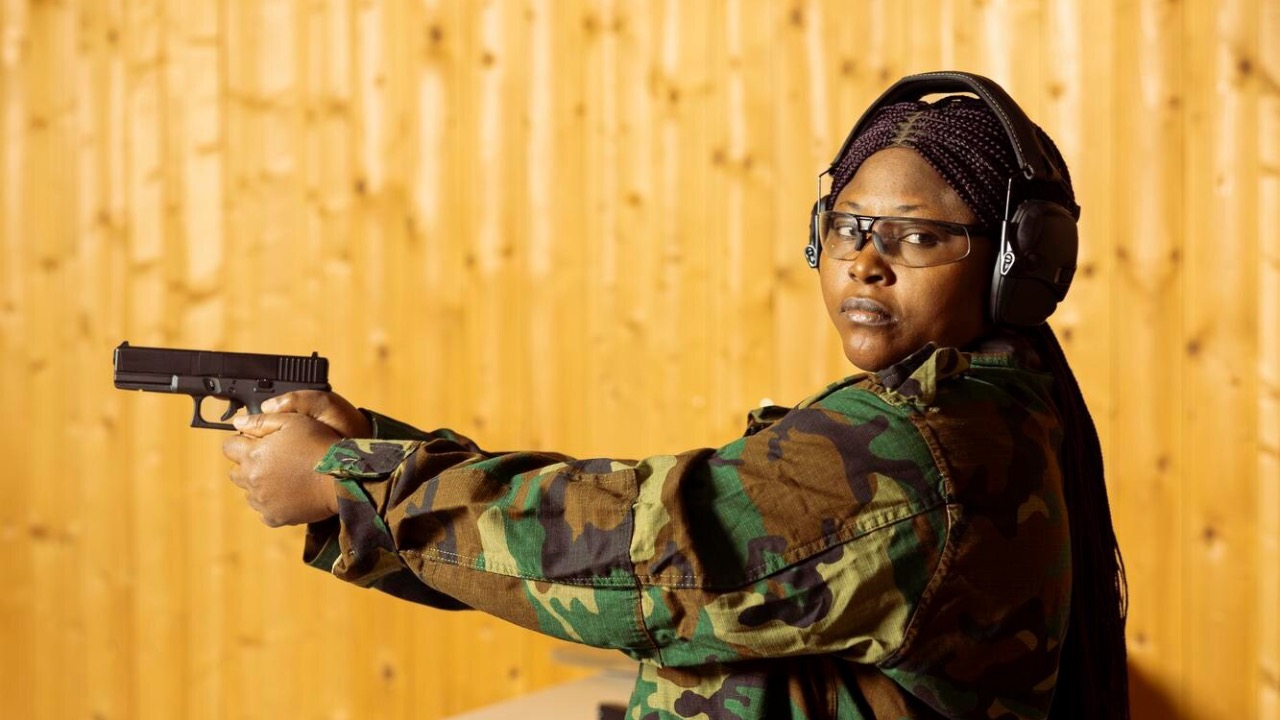
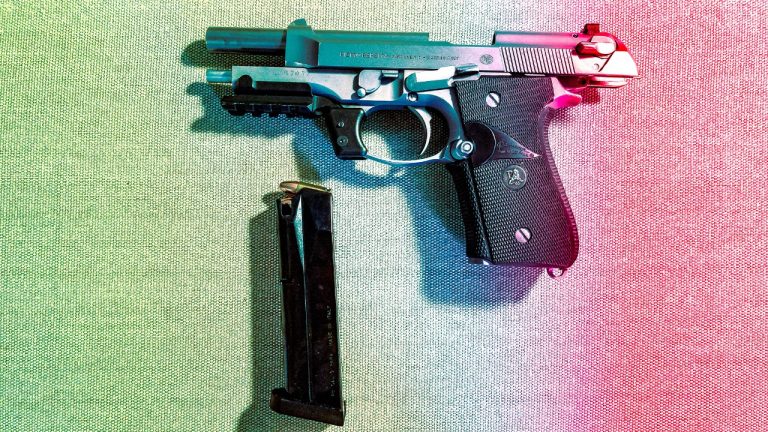
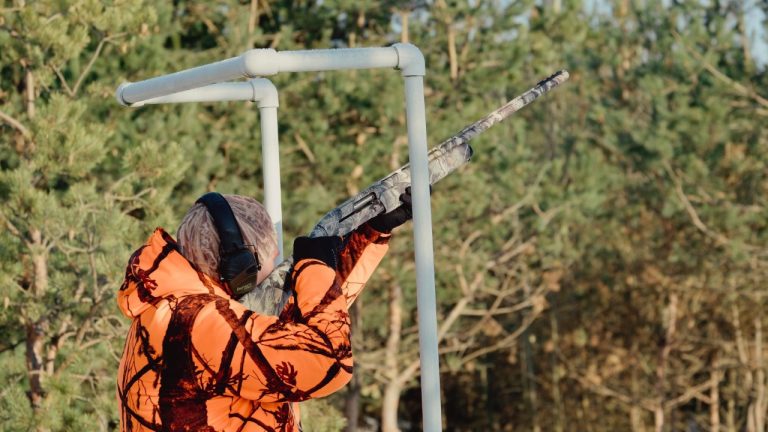
On the dusty edge of Bronkhorstspruit, a women only group gathers at the Out There Sport Shooting Range, close to Pretoria. At the command of a female instructor, a line of girls and women, some wearing pink ear protectors, lie on their stomachs and backs as they practice handling handguns and rifles under close supervision at a dedicated self-defensesession.
The class is structured, almost military in its rhythm. Students move in formation, adjust their stance, then squeeze off rounds in controlled bursts before instructors check their grip and breathing. At the Out There Sport Shooting Range in Bronkhorstspruit, Pretoria, South Africa, sessions are scheduled on Saturday to fit around work and school, and the atmosphere mixes tension with camaraderie as participants prepare together for another shooting round described in detail in a separate account.
Instructors stress that these women are not training to become vigilantes. They drill basic safety rules, storage requirements and the legal boundaries of self-defense, often repeating that a firearm is a last resort and not a substitute for awareness or avoidance.
From jiujitsu mats to urban gyms
Firearms are only one part of the shift. Across South Africa, women are also signing up for jiujitsu, Krav Maga and other martial arts that promise leverage and technique over raw strength. One report describes South African Women Pursue Firearm and Jiujitsu Training Amid Gender Violence Crisis, a phrase that captures how empty storefronts and fitness studios are being repurposed as training hubs for self-defense.
Many classes start with situational awareness, then move to practical drills. Students practice breaking free from wrist grabs, defending against chokes and using body weight to flip a larger attacker. Instructors frame these skills as tools to create a window to escape, not to stand and fight indefinitely.
For many women, the jiujitsu mat becomes a place to process fear and anger as much as to learn armlocks. The physical contact is controlled and consensual, in stark contrast to the violence they are trying to guard against, and that difference helps some students rebuild trust in their own bodies.
A response to a crisis of violence
The surge of interest in guns and martial arts is rooted in a grim reality. Violence against women is a persistent problem in South Africa, where activists point to high rates of rape and femicide, an overloaded justice system and an underresourced police force as factors that leave survivors feeling abandoned. One detailed account notes that violence against women is a national emergency and highlights the impact of an underresourced police force.
South Africa has a very low conviction rate for rapes, with only around 8 percent of those reported in 2021 resulting in convictions, according to figures cited in another detailed report. That gap between reported attacks and successful prosecutions feeds a perception that perpetrators act with impunity and that official promises of zero tolerance have not translated into safety on the ground.
Advocates say the result is a form of quiet triage. Women still call the police and still push for legal reform, but they are also taking parallel steps to protect themselves in the moment, in case help does not arrive or a case collapses in court.
Why women are arming themselves
In interviews, women describe a mix of fear, pragmatism and defiance behind their decision to train. Some recount being followed from bus stops, harassed at work or assaulted by partners, and say that learning to shoot or fight back helps them feel less like passive targets. One detailed account from BRONKHORSTSPRUIT, South Africa, describes how, at the command of a female instructor, a line of girls and women respond in unison, an image that captures both discipline and shared determination.
In South Africa’s largest city, Johannesburg, women are taking their safety into their own hands in part because they no longer believe they can rely fully on public institutions. One account notes that in South Africa’s largest city, pressure from women’s advocacy groups has helped expand access to self-defense courses and has pushed instructors to tailor training to the specific threats women face when commuting, at home or in public spaces.
Participants also point to a psychological shift. Carrying a firearm or knowing how to escape a chokehold changes how they walk through a parking lot or stand in a crowded taxi rank. They describe a new posture, more upright and alert, that signals they are not easy prey, even if no one else knows they have a weapon or training.
Inside the training culture
On the range and in the dojo, instructors try to build more than technical skill. Many women speak of joining a family of support, a phrase one student used to describe the mix of mentorship and friendship that grows in these classes and that was highlighted in a detailed interview.
Sessions often include debrief circles where women share experiences of harassment or assault that they have never reported. For some, this is the first time they speak openly about abuse by a partner or relative. Instructors say those conversations can be as transformative as learning to shoot from a prone position or break a wrist lock.
Trainers at the same time emphasize discipline. Students must pass background checks to own firearms, and many ranges require them to complete several safety modules before they can even load live ammunition. Jiujitsu coaches remind students that restraint is part of the art, and that walking away from a confrontation is usually a victory.
Law, regulation and risk
South Africa’s gun laws are not permissive. The process by which civilians can own firearms is quite strict, and gun ownership is subject to strict regulations that spell out who may apply, how weapons must be stored and when they may be used, as detailed in a legal analysis that notes that Gun ownership is tightly controlled and that There are rules governing licensing and use that applicants must satisfy before approval, according to one study.
Applicants must provide reasons for ownership, such as self-defense, and complete accredited training. Licenses can be revoked if owners fail to renew paperwork or if they are involved in certain crimes. For women seeking protection, that bureaucracy can feel both like a hurdle and a safeguard that keeps weapons out of some dangerous hands.
Critics worry that more guns in circulation could escalate domestic disputes or lead to accidental shootings, especially in homes with children. Advocates counter that the current situation already leaves women exposed and that properly trained and licensed ownership, combined with martial arts skills, offers a measure of control in a context where the state has struggled to provide security.
A growing movement, online and off
The shift toward self-defense is not confined to formal classes. On social media, including pages such as APNews, stories of women training with firearms and martial arts circulate widely, inspiring others to seek out local courses. Videos from instructors and advocacy groups show drills, explain legal rights and share advice on staying safe during daily routines.
Broadcast segments and online clips, including a YouTube video that begins in Nov and traces how organizations like the River Rebecca Steam function and Women Fight Back coordinate training and outreach, have helped normalize the idea of women on shooting ranges and jiujitsu mats, as seen in one widely shared video.

Leo’s been tracking game and tuning gear since he could stand upright. He’s sharp, driven, and knows how to keep things running when conditions turn.