Firearms hunters trust deep in the backcountry
Far from roads and cell service, hunters do not have room for gear that might or might not work when it matters. The firearms they carry into steep basins and thick timber have to balance power, reliability, and packability, and they tend to be models with long track records rather than flavor‑of‑the‑month releases. When I look at what experienced backcountry hunters actually strap to their packs or hips, a clear pattern emerges around rugged rifles, stout revolvers, and carefully chosen optics that earn trust one hard mile at a time.
Those choices are not just about ballistics on paper. They reflect a philosophy that every ounce must justify itself, that simple mechanisms beat complexity in the cold and wet, and that a rifle or sidearm should feel like an extension of the hunter. From lever guns that stop big bears at breath‑holding distance to lightweight bolt actions that still hold tight groups in the wind, the firearms that keep showing up in remote camps share the same DNA of dependability.
Sidearms that stay on your belt when things go bad

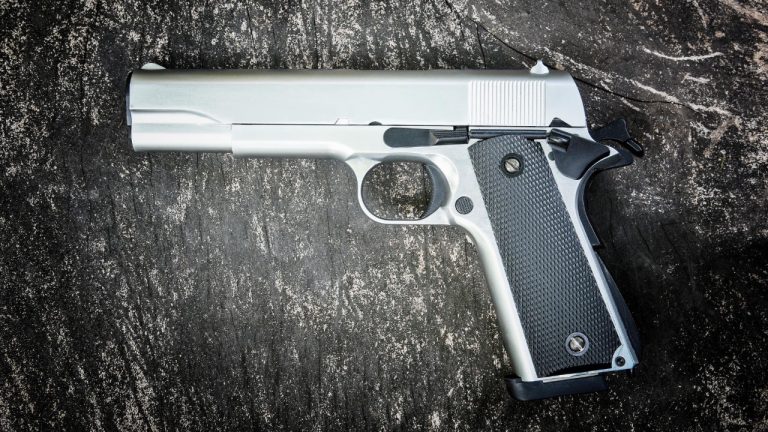
When hunters talk about last‑ditch protection in grizzly country, they almost always start with heavy revolvers. Guides who spend their seasons in thick cover consistently favor big‑bore wheelguns, and one detailed look at bear pistols notes that, Without exception, the hunters interviewed preferred revolvers in .45 caliber for their bear rigs, a choice rooted in the idea that Murphy‘s Law is alive and well in the backcountry. That preference dovetails with broader guidance that backcountry defense firearms must be simple, durable tools that keep you protected whether you are hiking, camping, or hunting, a point underscored in a manufacturer’s overview of dedicated Firearms for wilderness defense.
Specific models come up again and again. A classic single‑action like the Ruger Blackhawk is repeatedly described as a solid choice for remote carry, and one seasoned hunter even notes that Another revolver he packs a lot is a Ruger Blackhawk in a hard‑hitting chambering. Semi‑auto fans point to stout 10 mm pistols, with one comparison highlighting The Ruger 10 mm and a Springfield as viable backcountry sidearms, while another analysis of wilderness carry bluntly argues that facing Dangerous game while backpacking means you should have a solid revolver, but also asks whether semi‑autos can be just as reliable, concluding with a cautious But about their limitations. Broader hunting advice mirrors this emphasis on power, urging bowhunters who are allowed to carry a pistol to Opt for cartridges like .357 M Magnum or .45 ACP for defense against large predators.
Rifles that balance weight, reach, and reliability
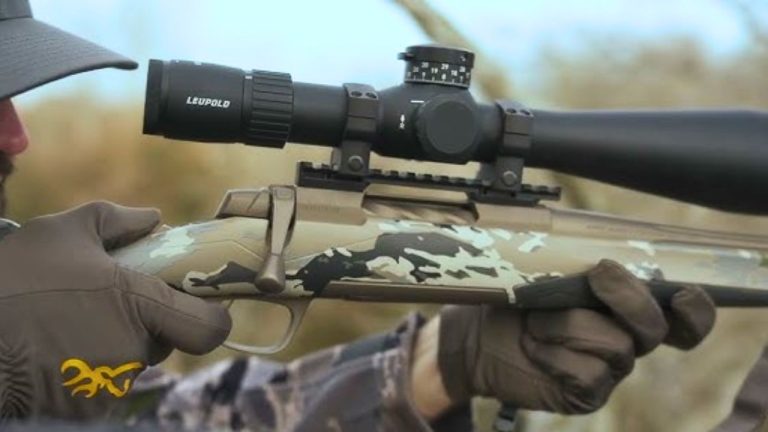
On the primary‑weapon side, the rifles that keep showing up in remote camps are those that carry easily yet still hit hard and track straight in bad weather. One detailed breakdown of tracking rifles lists The Best five Rifles for Tracking or StillHunting, emphasizing Dependability, Carry‑ability, and accuracy, and highlighting a Remington pump action as a classic example. That focus on reliability over gadgetry echoes broader guidance that Bolt‑action rifles provide accuracy and robustness in the harsh terrain typical of elk trips, and it is reinforced by a reminder from Shimanski that hunters need stocks that can be adjusted at home so there are no knobs or dials catching on brush in the field, a design philosophy built into the Savage AccuFit system.
Weight is the other non‑negotiable. One gear guide defines Lightweight Rifles as Typically 5 to 7 pounds, a range that lets hunters maintain agility on steep, rough ground. That benchmark is reflected in modern mountain rifles like the Weatherby Mark V Backcountry guide Ti, which pares ounces without sacrificing strength, and in a newer titanium‑action rifle that uses Weatherby‘s six‑lug Mark V action and a double‑helix fluted barrel to improve cooling and rigidity. Even air rifles are being built with long hikes in mind, with one overview noting that Lightweight and Portable air rifles are designed for hunters who trek deep into the wilderness.
Cartridges, optics, and the rifles hunters actually reach for
Caliber choice in the high country is shifting toward efficient, mid‑bore cartridges that stretch distance without punishing recoil. One backcountry story describes a .300 WSM rifle Outfitted with a Sig Whiskey5 3‑15x scope and a leather Montana Gun Sling, a setup praised for rugged, trustworthy performance. Another experienced voice, Joe, says he favors the 7 mm Remington magnum for its versatility and wide range of off‑the‑shelf bullets when traveling. Newer rounds are earning similar loyalty: one builder calls the 7 mm Back Country from Federal the hottest new cartridge of the year, while a follow‑up discussion notes that the 7 mm backcountry cartridge from Federal has now been in hunters’ hands for about a year, long enough for real‑world feedback on performance at distance.

Leo’s been tracking game and tuning gear since he could stand upright. He’s sharp, driven, and knows how to keep things running when conditions turn.