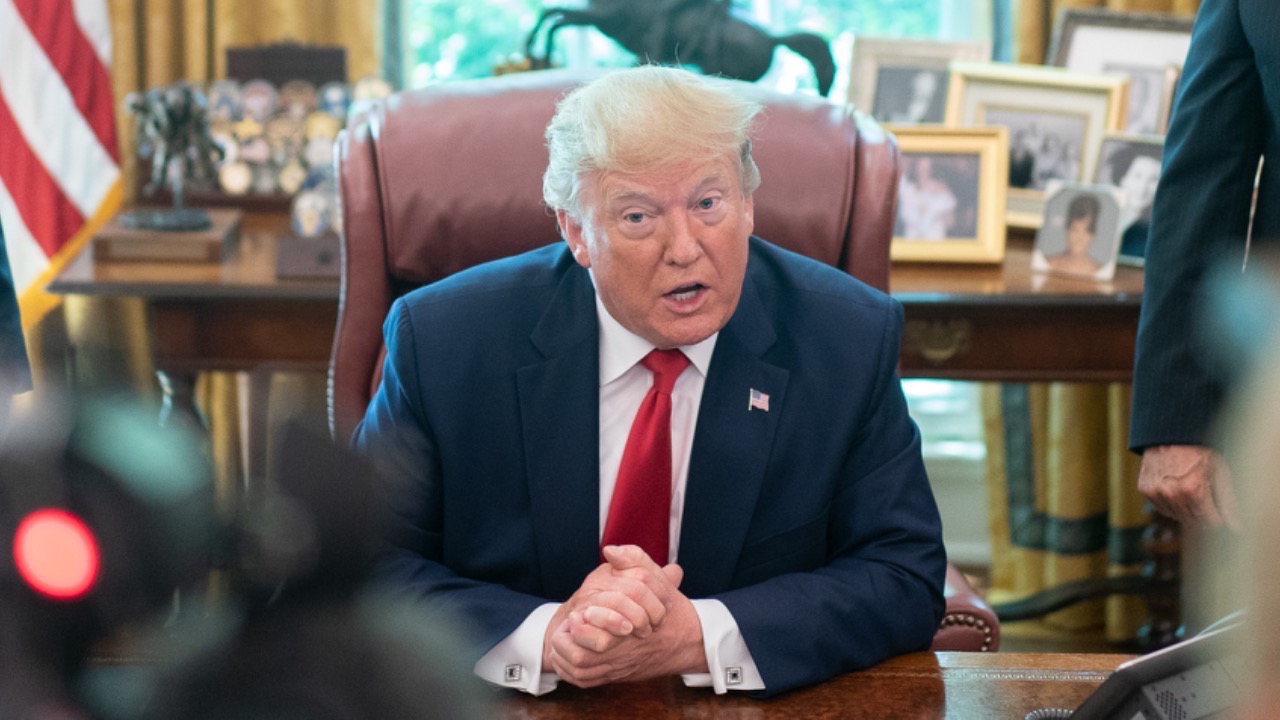
Trump questioned why U.S. forces destroyed Iranian ships instead of capturing them
When President Donald Trump spoke about the ongoing U.S.–Iran conflict this week, one anecdote grabbed attention. He said U.S. forces had sunk dozens of Iranian naval vessels and recalled asking military officials why they didn’t capture some of those ships instead. According to Trump, the reply was that it was “more fun to sink them,” and that sinking was “safer.”
That exchange raises questions about tactical priorities, legal frameworks, and how military leaders balance risk versus reward in active combat operations. It also reflects how this administration communicates wartime decisions to political audiences, turning operational matters into rhetoric that resonates differently at home and abroad.
Scope of U.S. Attacks on Iranian Naval Forces
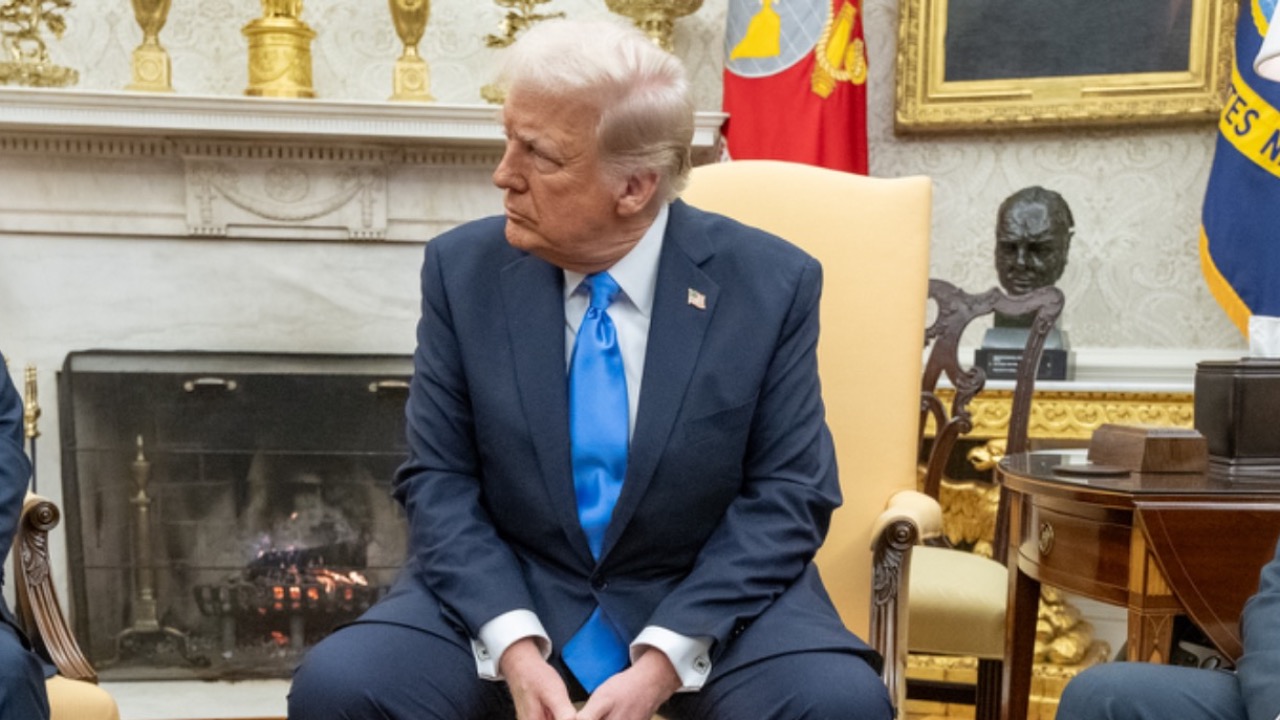
In recent days, Trump has publicly claimed that U.S. forces have destroyed a large portion of Iran’s naval capacity, asserting that 46 “top-of-the-line” ships were sunk in a brief span of operations. While precise verification from independent military sources is limited, the president’s comments underscore a broader campaign of strikes aimed at crippling Iran’s ability to project power at sea.
These naval actions are part of a larger set of operations that U.S. officials say have hit thousands of targets inside Iran, including missile and drone infrastructure. Trump’s framing emphasizes the scale of destruction while seeking to reassure allies that key threats have been degraded. The naval assertion, however, sits alongside conflicting reports about engagements and the contested nature of naval losses in wartime reporting.
Trump’s Choice of Words and Military Messaging
Trump’s recounting of the conversation about why ships were sunk rather than seized drew laughter at a political event, but it also sparked controversy. The casual framing of destruction over capture illustrates how military messaging can be repackaged in political settings.
In formal military and strategic contexts, decisions about whether to capture or destroy enemy equipment hinge on legal authorities, risk to personnel, and broader mission goals. Capturing large naval vessels intact is rare in modern warfare because of the danger to boarding parties and the logistical burden of maintaining captured enemy assets. Still, the anecdote highlights how such decisions are perceived and communicated outside strict operational channels.
Safety, Practicality, and Capture Operations
Capturing an enemy warship involves high risk. Boarding actions at sea can expose sailors to hostile fire, traps, or sabotage. Modern naval engagements favor neutralizing threats quickly and decisively, especially in an active conflict zone where rules of engagement and force protection are paramount.
U.S. commanders frequently weigh the tactical value of intact seizure against danger to personnel. In the current situation, sinking vessels likely reduced operational risk and prevented their reuse or recovery by Iranian forces. This calculus is common in military doctrine, even if political leaders interpret or explain it differently.
Iran’s Claims and Contrasting Narratives
Iran’s response to U.S. claims has been sharply critical. Iranian state media described some forces involved in exercises as unarmed at the time a ship was attacked, leading to allegations that U.S. actions crossed lines of engagement. Media outlets in Tehran reported casualties aboard specific vessels such as the IRIS Dena, which Iran said was unarmed and on friendly operations when torpedoed.
These conflicting accounts reflect the fog of war and competing narratives that shape international perception. While the U.S. insists that its strikes targeted legitimate military assets, Tehran’s claims emphasize civilian and ceremonial roles, complicating the picture for analysts and the public alike.
Legal and Ethical Dimensions of Modern Naval Warfare
Modern rules of armed conflict stipulate that combatants may only engage legitimate military targets and must avoid disproportionate harm to civilians. Deciding whether a vessel qualifies as a military target involves careful intelligence and legal review. The debate over sinking versus capturing touches on these principles.
Capturing enemy warships intact could reduce loss of life but carries substantial risk. Commanders often choose to neutralize threats in ways that minimize danger to their own crews and ensure mission continuity. How these decisions are explained publicly, especially by political leaders, can influence both domestic opinion and diplomatic relations.
Broader Strategic Message from the U.S.
In telling the story, Trump linked the naval campaign to broader objectives in the conflict, claiming that Iran’s military infrastructure—missile systems, drones, communication nodes—has been severely degraded. He framed the operations as essential to national and regional security, even as energy markets and global geopolitics respond to war developments.
This strategic messaging aims to reassure allies and domestic audiences that military actions have clear goals and measurable effects. Whether that narrative aligns with on-the-ground realities remains subject to verification and analysis by independent observers outside official channels.

Asher was raised in the woods and on the water, and it shows. He’s logged more hours behind a rifle and under a heavy pack than most men twice his age.