Bass rods that lack real sensitivity
Bass anglers talk endlessly about “feel,” but on the water the difference between a rod that telegraphs everything and one that goes numb can be the difference between a banner day and a blank. When a blank, handle and guides smother vibration, even the best line and lures cannot rescue your ability to detect light pressure bites or bottom changes. I want to look squarely at the bass rods that lack real sensitivity, why they fall short, and how to recognize when marketing hype is masking a dead stick.
What sensitivity really means on a bass rod
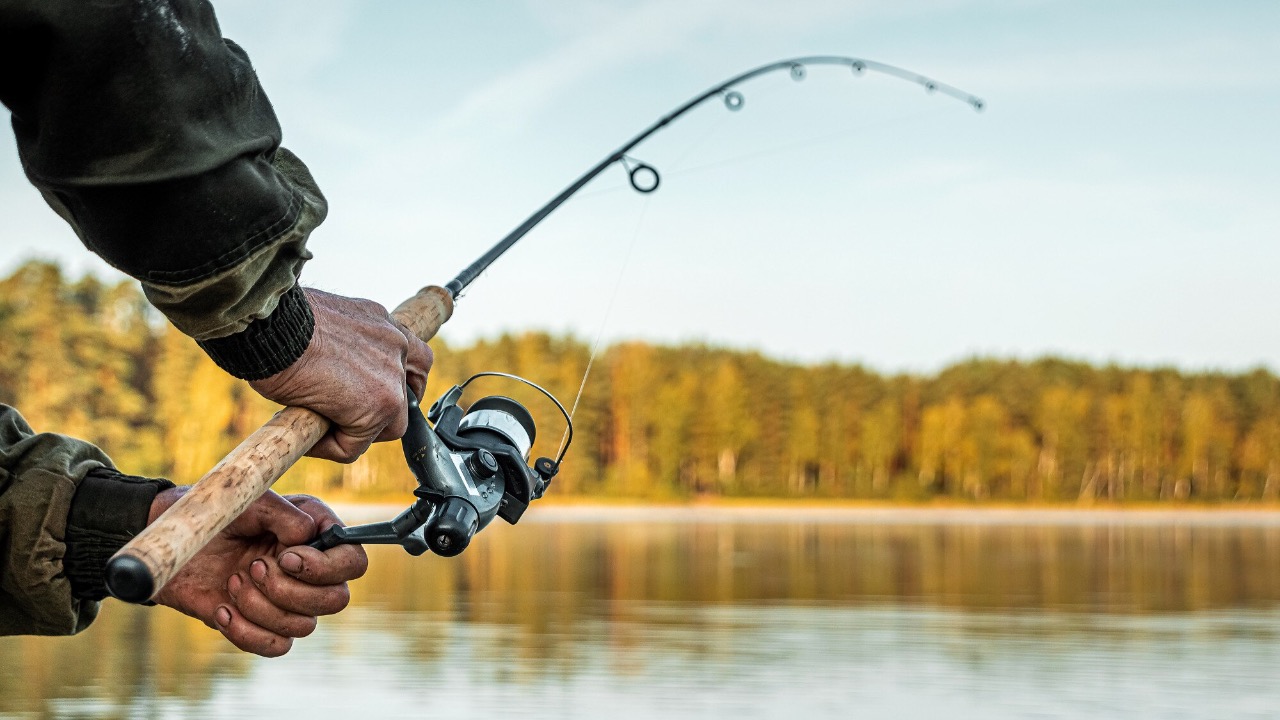
In bass fishing, sensitivity is not a vague buzzword, it is the rod’s ability to transmit tiny changes in tension and vibration from the lure, through the blank, into your hand. When I talk about a “live” rod, I mean one that lets me feel a jig tick a rock, a worm slide over a branch, or a bass simply inhaling and sitting still. Experienced builders describe sensitivity as the sum of the blank material, wall thickness, guide train, handle design and even the way the reel seat exposes the blank, which is why Experienced rod builders obsess over every component when they design a serious bass stick.
On the water, that engineering translates into practical advantages. A sensitive rod lets you distinguish between grass and wood, or between a bluegill peck and a largemouth loading up, which is crucial when you are working bottom-contact baits or trying to keep a fish pinned on a long cast. When a rod lacks that responsiveness, you start swinging at nothing or missing the subtle pickups that often produce the biggest fish, especially when you are applying finesse techniques or trying to execute precise moves like the kind of topwater adjustments described in advice to Tweak the Rings on Your Topwater Lures Nothing.
Why some materials feel dead in your hand
The fastest way to end up with a rod that feels numb is to start with the wrong material for the job. Traditional Fiberglass Fishing Rods are a Time Tested Classic for durability and forgiveness, but the same qualities that make Fiberglass bend deeply and survive abuse also dampen vibration, which is why even advocates concede that Fiberglass is very durable yet can make it challenging to detect subtle bites. When a blank is built thick and heavy to survive high sticking and boat rash, it tends to soak up the micro feedback that matters most for bottom-contact bass techniques.
That tradeoff shows up clearly in rods built around fiberglass composites. Fans of the iconic Ugly Stik often praise how They are amazingly rugged and can withstand pure torture over the course of the outing, but even supporters acknowledge that toughness comes first and feel comes second. In a separate discussion, one angler pushed back on the idea that these blanks are naturally crisp, pointing out that Ugly Stik blanks are made from a fiberglass composite and that fiberglass by its nature is not sensitive, arguing that material choice matters more than rod power or action when you are chasing feel.
Action, power and the hidden sensitivity penalty
Even with the right material, the way a rod bends can either sharpen or blunt sensitivity. Action describes how much of the rod deflects when you put pressure on the tip, and a fast action that bends mainly in the top section tends to transmit vibration more directly than a slow, parabolic curve. Guidance on This describes how much of the rod deflects makes it clear that fast and extra fast actions concentrate flex near the tip while keeping the lower blank firm, which not only improves hooksetting power but also reduces the amount of blank that can absorb subtle feedback before it reaches your hand.
Power, or how much force it takes to load the rod, adds another layer. A heavy power stick built to winch fish out of cover often uses thicker walls and more material, which can muffle feel even if the action is technically fast. That is why many anglers looking for sensitivity gravitate toward medium or medium heavy powers with crisp actions, especially for techniques like dragging a jig or shaking a worm where bite detection matters more than brute strength. When a rod is both slow in action and heavy in power, it may cast well and fight fish safely, but it usually falls into the category of bass rods that lack real sensitivity.
When popular bass rods fall short on feel
Some of the most widely sold bass rods illustrate how durability and price can trump sensitivity in design priorities. The Bass Pro Shops Extreme STK Casting Rod is marketed as an exciting fiberglass hybrid made with cutting edge materials, but its very identity as a hybrid signals that feel is being traded for toughness, a point underscored in product copy that highlights the Bass Pro Shops Extreme STK Casting Rod as a fiberglass hybrid rod. That construction can be a smart choice for crankbaits or reaction lures that benefit from a softer, more forgiving blank, but it is a liability when you are trying to feel a light bite on a slack line.
Even within brands known for performance, not every model is built with maximum sensitivity in mind. The St Croix Black Bass Casting Rod Experience the marketing language leans heavily on luxury and craftsmanship, positioning the St Croix Black Bass Casting Rod Experience the as part of a Black Bass Series carefully crafted to elevate the bass angling experience. That kind of positioning can absolutely align with high sensitivity, but if the blank leans toward a more moderate action for versatility, or if the handle uses heavier components, the end result may still feel less communicative than a purpose built bottom contact rod, even from the same manufacturer.
How high end builds chase sensitivity, and where they still miss
On the other end of the spectrum, some rods are explicitly engineered to maximize feel, yet even they can fall short if the design choices are not matched to the way you fish. The Lamiglas Pro XP Bass Casting Rod XP703C is described as Made using the highest quality components, Performance and quality tested and Premium handcrafted equipment, with a Pro X Lamiglas Bass focus that clearly targets serious anglers. Product descriptions for the Lamiglas Pro XP Bass Casting Rod XP703C emphasize that heritage, and the company’s own technical notes on sensitivity stress how blank choice, guide layout and handle design are tuned to transmit vibration.
Yet even a rod like that can feel muted if an angler pairs it with heavy braid and a stretchy leader, or buries the blank under thick gloves and a full cork grip. I have seen the same pattern with other premium lines, including the Black Bass Series, where a second listing for the St Croix Black Bass Casting Rod Experience the again highlights the Black Bass Series branding but leaves it to the angler to decide whether the specific model’s action, power and handle layout actually deliver the level of feel they expect for techniques like dragging a football jig or working a shaky head.
The Ugly Stik paradox: bombproof, but not always sensitive
No discussion of rods that feel dull would be complete without looking at the Shakespeare Ugly Stik family, which has built its reputation on being nearly indestructible. The Shakespeare Ugly Stik GX2 Spinning Rod Well known for toughness and durability, with the Ugly Stik GX2 Spin models handling a wide range of lure weights, is held up as a workhorse that can survive abuse in salt and fresh water, as highlighted in overviews of the Shakespeare Ugly Stik Spinning Rod Well known for toughness. That same DNA runs through the bass oriented models, which often use fiberglass or composite blanks that prioritize strength over crispness.
Recent designs have tried to close the gap. The Overview Pairing Ugly Stik description for the Shakespeare Ugly Stik Carbon Spinning Rods notes that they combine Ugly Stik’s unmatched durability with next level sensitivity, using carbon blanks to give anglers the best of both worlds, a claim spelled out in the Overview Pairing Ugly Stik Shakespeare Ugly Stik Carbon Spinning Rods product description. Yet even there, some retailers caution that specific models like the Ugly Stik Carbon 6’6″ medium 2 piece spinning rod are Not suitable for finesse techniques; lighter and more sensitive rods are preferred for precision fishing strategies, a warning spelled out in the Not suitable for finesse techniques note. That is the paradox in a nutshell: these rods are ideal when you value survival over feel, but they are a poor fit when you need to sense a bass simply mouthing a drop shot in 20 feet of water.
What real world anglers say sensitivity feels like
For all the engineering talk, the clearest verdict on whether a rod is sensitive comes from anglers who fish it hard. In one Jan discussion on rod sensitivity, a long time bass angler reported being happy with Croix rods after about 15 years of use, specifically calling out Avids, Premiers and Triumphs as models that deliver the kind of feedback he wants, a perspective shared in a thread on Jan Croix Avids Premiers Triumphs. That kind of long term, side by side comparison is often more revealing than any spec sheet, because it reflects how rods behave across seasons, techniques and line choices.
At the same time, other anglers push back on blanket claims that certain brands are automatically sensitive or dull, pointing out that within a single lineup there can be huge differences between a graphite heavy, fast action model and a composite, moderate action one. I have seen that firsthand when comparing a Pro level casting rod to an entry level composite from the same maker, and it is echoed in debates where some anglers insist that material and build quality matter more than price tags or logos. That is why I pay close attention to how rods like the Bass Pro Shops Extreme STK Casting Rod or the Made Performance and Premium Pro Lamiglas Bass models are actually used on the water, rather than assuming their marketing language tells the whole story.

Leo’s been tracking game and tuning gear since he could stand upright. He’s sharp, driven, and knows how to keep things running when conditions turn.