Trump calls for action against cartels — Mexico’s president says the U.S. should tackle guns and addiction first
The issue of drug cartels has long stretched across the U.S.–Mexico border, shaping policy discussions on both sides. Recently, former President Donald Trump has stepped up his language and proposals, urging a more forceful push against cartel organizations that traffic drugs and wreak violence in both countries. Trump’s framing links cartel power to broader concerns about public safety and national security, and his rhetoric has been sharp and repetitive.
On the other side of the border, Mexico’s president, Claudia Sheinbaum, has pushed back on the idea that U.S. military or direct intervention is the answer. She insists that the problem is more complex, tied not just to violent organizations but to demand, trafficked weapons, and shared responsibilities between nations. The tensions highlight deep disagreements over strategy, sovereignty, and the root causes of the drug trade.
Trump Frames Cartel Violence as a Hemisphere‑Wide Threat
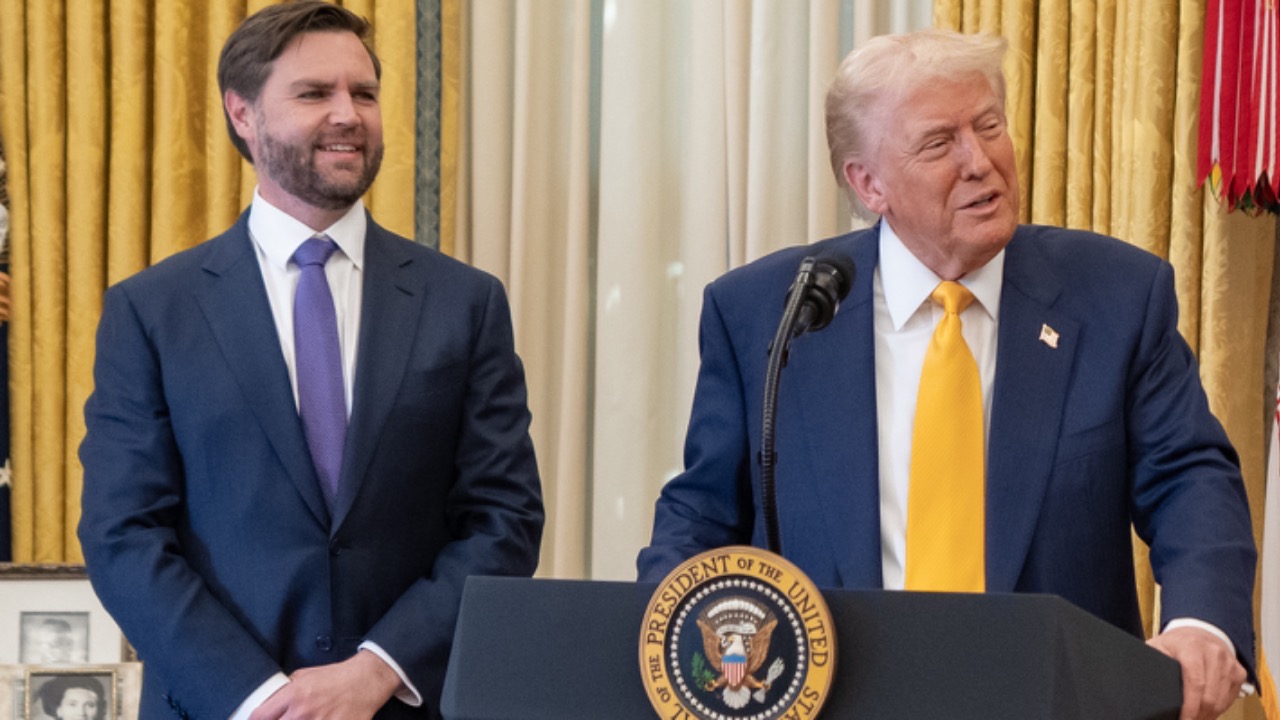
In recent speeches, Trump has cast Mexican cartels as a direct threat to U.S. security, arguing they fuel violence and undermine stability across the Americas. Speaking at the Shield of the Americas summit with a group of like‑minded regional leaders, Trump called for a coordinated military effort to dismantle powerful cartels operating south of the border. He suggested that conventional law enforcement approaches have failed and that military power is necessary to confront these groups head‑on.
This framing connects cartel activity to broader geopolitical concerns, including the influence of foreign actors in Latin America. Trump’s remarks reflect a view that cartel violence isn’t a local law‑enforcement problem but a national‑security challenge. His call to “use lethal military force” against drug trafficking organizations signals a willingness to expand the role of U.S. government power beyond traditional policing and cooperation.
Mexico’s President Rejects Military Intervention on Sovereignty Grounds
Mexico’s leader has been clear in rejecting direct U.S. military action within Mexican territory. President Sheinbaum emphasizes sovereignty and the need for cooperation rather than coercion. She’s repeated that Mexico will not allow foreign troops on its soil to target cartel networks, arguing that such moves would violate legal frameworks and national autonomy, while insisting on continued intelligence sharing and law enforcement cooperation.
Her response reflects long‑standing Mexican concerns about external intervention. Mexico has its own legal and strategic framework for combating organized crime, and recent cooperation has seen arrests, lab destructions, and cartel leader deaths carried out by Mexican forces with U.S. intelligence support — but not direct U.S. military boots on the ground.
Sheinbaum Points to U.S. Gun Trafficking as a Core Issue
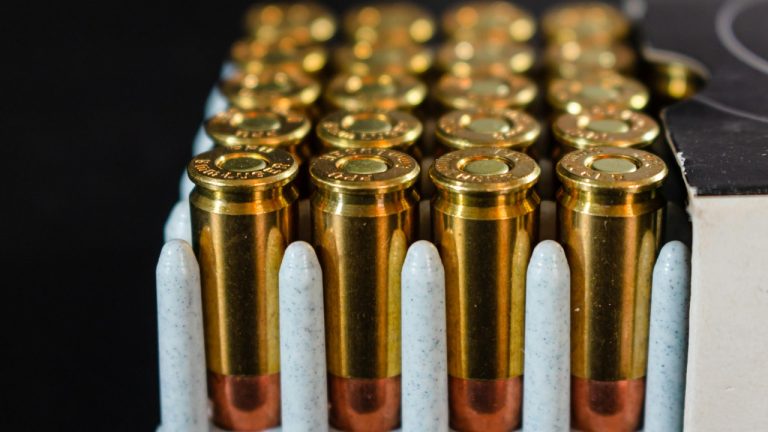
One of the sharpest elements of Sheinbaum’s response focuses on the flow of firearms into Mexico. Mexican officials note that a large percentage of weapons seized from criminal organizations originate in the United States, trafficked across the border through illegal networks. Sheinbaum argues that stemming this flow would weaken cartels’ capacity to exert violence and intimidate communities.
Her comments point to broader disagreements over priorities. While Trump pushes for a more direct confrontation with cartel operations, Mexico’s leadership wants more focus on reducing the supply of weapons and addressing demand for drugs. For leaders in Mexico, tackling the upstream factors of violence — including arms trafficking — is central to any sustainable reduction in cartel power.
Sheinbaum Links Cartel Power to U.S. Drug Demand
In public remarks, Sheinbaum has tied cartel influence to the large and sustained U.S. demand for illegal narcotics. Her argument is straightforward: as long as there’s a profitable market for drugs in the United States, criminal enterprises will have incentives to expand production and trafficking.
Her point isn’t a dismissal of harm but a call for Americans to reckon with internal drug consumption realities that fuel cross‑border trade. Mexico faces the downstream effects of violence and trafficking, while she believes the U.S. must work on both demand suppression and interdiction. This stance underscores how politics, economics, and public health intersect in the wider debate.
Historical Cooperation and Mistrust Shape the Debate
The U.S. and Mexico haven’t been strangers to cartel‑focused cooperation in the past. Initiatives like the Merida Initiative, which spanned years and multiple administrations, aimed to strengthen law enforcement, judicial cooperation, and border security. But these efforts have often been underscored by mistrust and debates over priorities and outcomes.
Current tensions reflect those historical undercurrents. Trump’s recent approach revives aggressive rhetoric and proposals that many Mexican officials have long viewed warily. Mexico has often insisted on controlling how anti‑cartel measures unfold within its borders, even as leaders on both sides acknowledge that the transnational drug trade requires collaboration.
Broader Risks and Regional Dynamics
Experts have long warned that direct military action against cartels carries significant risks, including civilian harm, diplomatic fallout, and unintended consequences like deeper cartel fragmentation or regional instability. Military solutions can undermine long‑term rule‑of‑law efforts if not paired with economic and social strategies that address underlying drivers of organized crime.
This reality complicates any straightforward path forward. While Trump and some allies see military coalitions as effective means to weaken cartels’ operational capacity, others argue that holistic, long‑term strategies involving social policy, border security, development, and binational cooperation are more likely to reduce violence sustainably.
Looking Ahead in U.S.–Mexico Relations
As this debate continues, both sides cling to their core priorities: Trump’s camp emphasizes forceful disruption of criminal organizations, while Mexico’s president calls for addressing weapons supply and drug demand at their roots. Each approach speaks to different historical experiences and domestic political pressures in both countries.
What’s clear is that the next chapters in this story will shape not only cartel responses but also U.S.–Mexico relations broadly. Whether through enhanced cooperation, policy shifts, or continued political sparring, the contours of this conflict are likely to remain central in both nations’ public discourse in the months ahead.

Asher was raised in the woods and on the water, and it shows. He’s logged more hours behind a rifle and under a heavy pack than most men twice his age.