The racing pigeon that earned a military medal for saving soldiers
War stories usually center on soldiers, pilots, or commanders. But sometimes the most important figure in the field has feathers instead of a uniform. During the brutal fighting of World War I, one small racing pigeon carried a message that changed the outcome for hundreds of American troops. Without that bird making it through gunfire and chaos, an entire battalion likely would have been wiped out by enemy forces—and even their own artillery.
You might picture carrier pigeons as relics of an earlier era, but in the trenches of 1918 they were often the most reliable communication available. Radios failed, signal lines were cut, and runners were easy targets. A trained pigeon, though, could slip through the sky where soldiers could not. One bird proved that better than any other.
Military Pigeons Were Critical to Frontline Communication
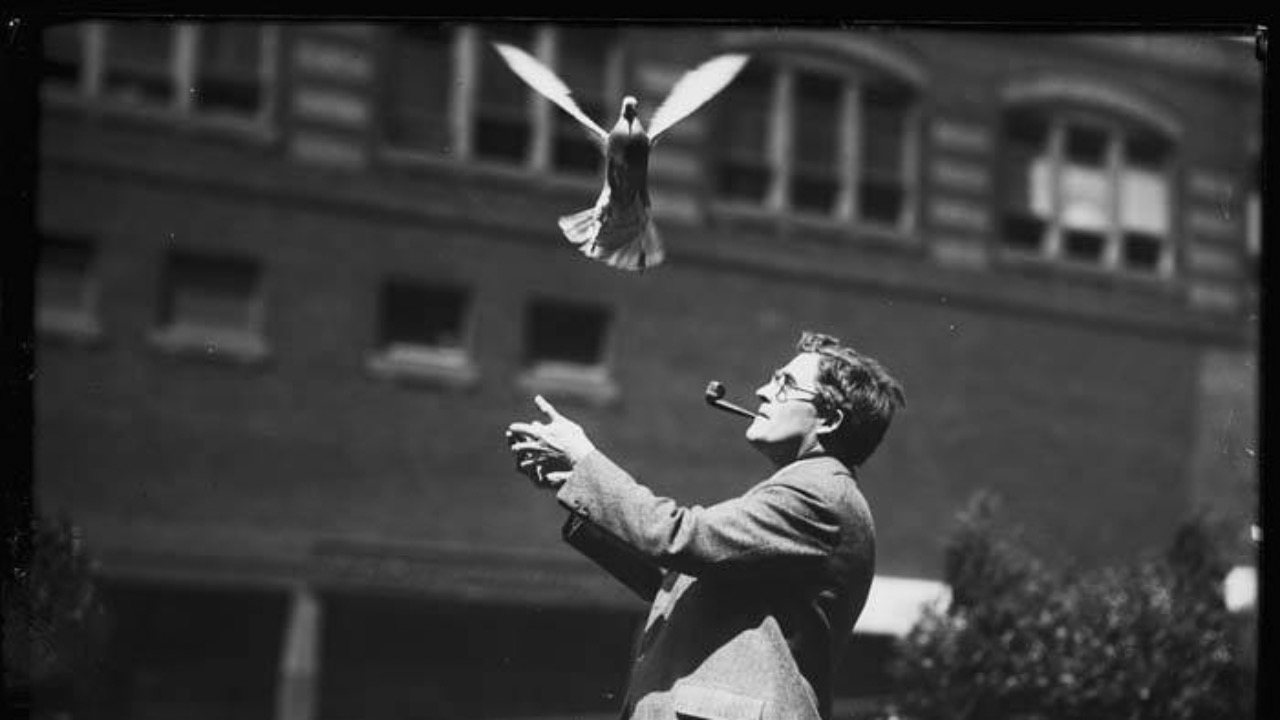
When you look at how armies fought during World War I, you quickly realize communication was one of the biggest challenges. Trenches stretched across miles of terrain, and artillery fire constantly destroyed telephone lines. Runners had to cross open ground under machine-gun fire. Many never made it.
That’s where homing pigeons came in. You’d carry them into the field in small wicker cages. When you needed to send a message, you wrote it on thin paper, rolled it tight, and attached it to the bird’s leg. The pigeon then flew back to its loft, where handlers collected the message. It was fast, quiet, and often the only way information moved through the chaos.
The Lost Battalion Found Itself Completely Cut Off
In October 1918, during the Meuse-Argonne offensive, more than 500 American soldiers pushed deep into a wooded ravine while advancing against German lines. Once they moved forward, the enemy closed in around them. Suddenly the unit was surrounded.
You would have been trapped with almost no options. Supplies ran low, wounded soldiers filled makeshift aid stations, and communication with friendly forces vanished. To make matters worse, American artillery began falling on the same position. The guns firing those shells believed the battalion had already pulled back. The men desperately needed a way to send word that they were still there.
Earlier Messenger Pigeons Were Shot Down
The trapped soldiers did exactly what the army trained them to do. They released messenger pigeons carrying notes describing their position and situation. But the Germans understood what was happening and opened fire on the birds.
One pigeon went up and was shot almost immediately. Another followed and never reached its destination. With every failed attempt, the situation grew worse. The artillery barrage continued, and the battalion’s position became more desperate by the hour.
By the time the final pigeon was brought forward, the men knew this was their last chance to get a message through.
The Final Bird Carried a Desperate Message
The last pigeon was released with a short but urgent note attached to its leg. The message told American artillery units to stop firing on the battalion’s location. The note also included the exact coordinates where the trapped soldiers were holding out.
If you were standing there watching, you would have seen the bird launch into the air as German troops opened fire again. The sky above the ravine became a dangerous place for something as small as a pigeon.
Within seconds the bird was hit. But instead of dropping from the sky, it kept flying.
The Bird Flew While Seriously Wounded
The pigeon took a bullet through the breast and another through a leg. One eye was badly damaged, and the message capsule was hanging from the nearly severed limb. By any normal expectation, that flight should have ended right there.
Instead, the bird kept going.
You can imagine the distance it had to cover while injured and under fire. The flight took roughly 25 miles back to the command post where pigeon handlers waited. When it finally arrived, the bird collapsed from its injuries—but the message was still attached.
That note reached commanders exactly when it was needed.
The Message Stopped Friendly Artillery
Once the message was recovered, officers realized American shells were landing directly on the trapped battalion’s position. The artillery barrage was immediately redirected.
That single change likely saved hundreds of lives. Without it, the battalion would have continued taking fire from both sides—the German troops surrounding them and their own supporting guns.
You can trace the survival of those soldiers directly to the arrival of that wounded pigeon. Communication that took only a few words carried the weight of hundreds of lives.
Nearly Two Hundred Soldiers Survived Because of the Flight
When relief finally reached the battalion, only about 194 men remained capable of fighting. Many had been wounded, and supplies were almost gone. But they had survived long enough for reinforcements to break through.
If the artillery fire had continued, the outcome would have been far worse. The men credited that last pigeon with giving them a chance to hold out until help arrived.
In a war filled with massive battles and huge armies, it’s remarkable that one small bird played such a direct role in keeping those soldiers alive.
The Bird Received a Military Medal
The pigeon’s effort didn’t go unnoticed. After the battle, the bird was awarded the French Croix de Guerre, a decoration given for acts of bravery during combat. That honor usually went to soldiers who showed exceptional courage under fire.
Awarding it to a pigeon says a lot about how seriously the military viewed the bird’s actions.
Handlers treated the bird’s injuries, and the story spread quickly through military units. Soldiers who heard it understood that their lives sometimes depended on the smallest members of the war effort.
The Pigeon Was Preserved After Its Death
After the war, the famous bird eventually died from the wounds it had suffered during that flight. But the story was too important to fade away.
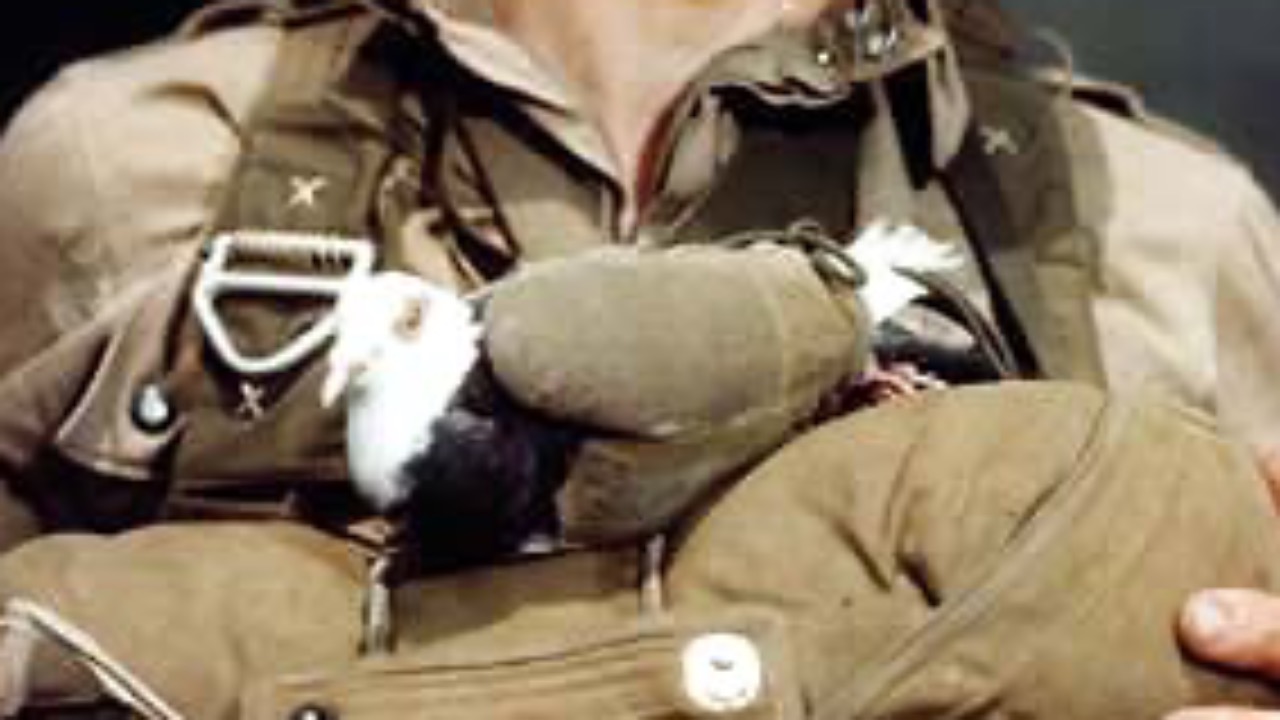
The pigeon’s body was preserved and placed on display so future generations could see the unlikely hero that helped save American troops. For many visitors, it’s a reminder that wartime courage doesn’t always come in the form you expect.
Standing in front of that display, you realize the bird was small enough to fit in your hands. Yet it carried the responsibility of an entire battalion.
The Story Still Shows What Determination Looks Like
When you look back at the events of that day, it’s easy to focus on the battle itself. But the moment that changed everything happened when a wounded pigeon kept flying instead of falling.
You don’t often think about birds as part of military history. Still, homing pigeons served in both world wars and delivered thousands of messages. Most of them did their job quietly and without recognition.
This one became famous because its mission came at the worst possible moment. And when it mattered most, the bird made it home.

Asher was raised in the woods and on the water, and it shows. He’s logged more hours behind a rifle and under a heavy pack than most men twice his age.