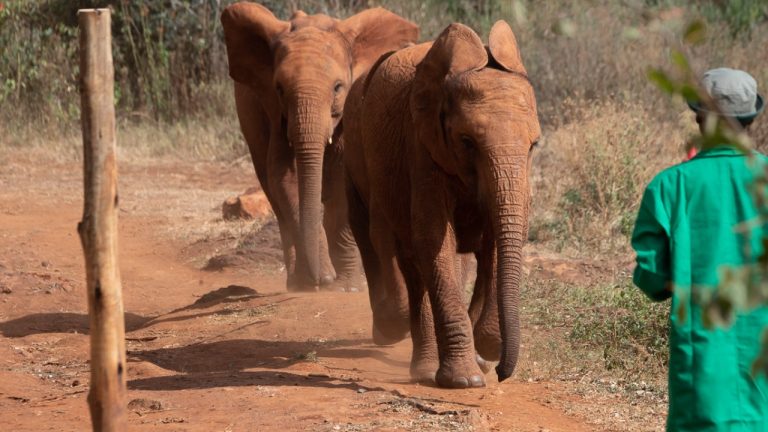
Pressure mounts to outlaw trail hunting as campaigners call for jail sentences
Trail hunting has gone from a niche countryside pursuit to a political flashpoint, with fresh calls to make it a criminal offence that can land offenders behind bars. Campaigners argue that what is billed as a harmless activity has become a cover for illegal fox hunting, and they want the law tightened so that repeat offenders face real jail time rather than token fines.
At the same time, the government is edging toward a full ban as part of a wider animal welfare push, while rural groups warn that ministers are trampling on countryside culture. I want to unpack how we got here, what the main players are really arguing for, and why the debate over trail hunting has become a test case for how seriously the country takes wildlife protection.
From fox hunting ban to trail hunting loophole
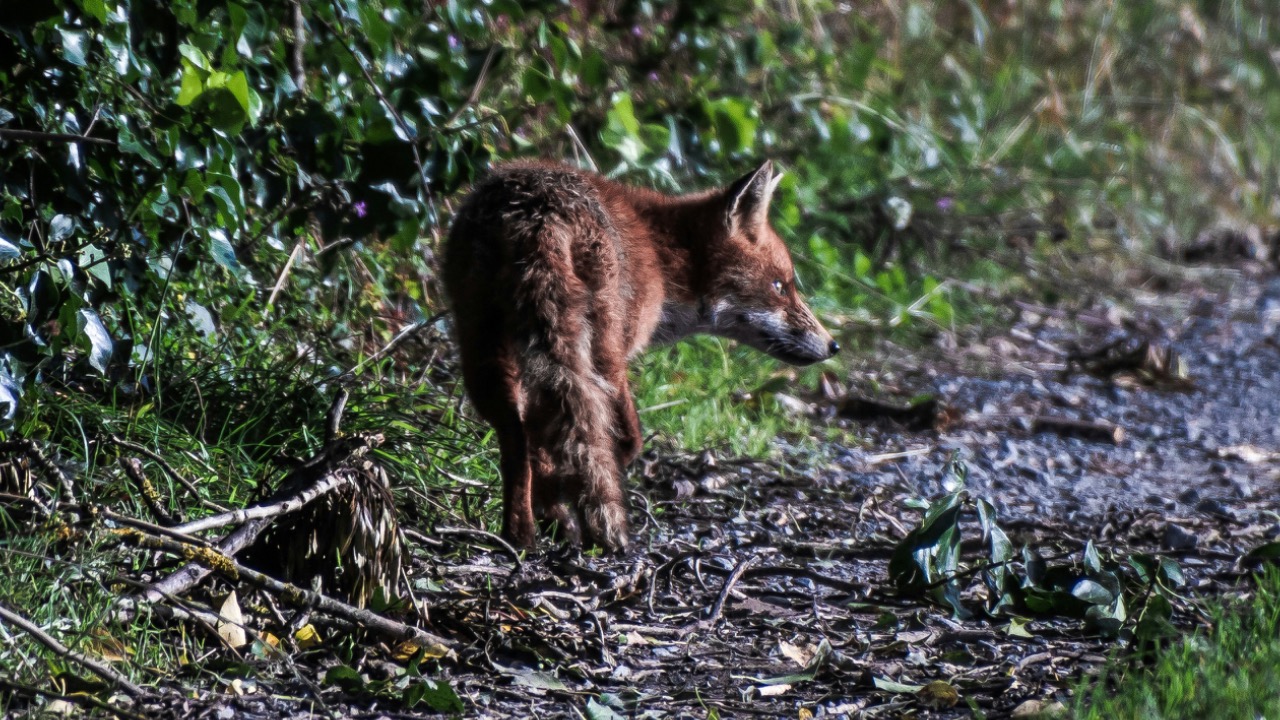
When traditional fox hunting with hounds was outlawed, trail hunting was sold as the compromise that would keep hounds working and hunts in business without killing live quarry. The idea was simple enough: lay an artificial scent, usually fox-based, and let the pack follow that instead of a living animal. On paper, that kept within the letter of the law while preserving the spectacle and the jobs that go with it. In practice, critics say the line between legal and illegal has blurred to the point of vanishing, with packs “accidentally” finding foxes far too often to be coincidence.
That is the backdrop for the current push to treat trail hunting as a legal problem in its own right rather than a grey area. Animal welfare groups argue that the loophole has been exploited for years, and that enforcement has struggled to keep up with hunts that know the terrain, the law and the limits of overstretched rural policing. The result is a running battle between monitors and hunt staff in the field, and a growing sense among campaigners that only a clear statutory ban with meaningful penalties will close the gap between what the law intends and what actually happens on a winter’s morning.
Public opinion hardens and campaigners talk jail time
The most striking shift in the last couple of seasons has been in public opinion. Emma Slawinski, the chief executive of the League Against Cruel Sports, has leaned heavily on new polling that she says shows people “from across the political spectrum” want tougher action on trail hunting. According to that research, a clear majority of those asked thought the activity should be illegal, while only a smaller group believed it should remain lawful, and Slawinski has used those figures to argue that the political class is lagging behind the country at large.
On the back of that polling, she has gone further than many older-style campaigners by calling for trail hunting to be punishable by jail. In her view, fines have become a cost of doing business for some hunts, and only the threat of custody will deter those who treat the current law as a game to be gamed. Her comments, reported in detail in coverage of the League Against Cruel Sports’ latest poll, frame the issue as a straightforward matter of enforcing the public will rather than a fringe concern of activists, and they have helped push the idea of custodial sentences into the mainstream of the debate around trail hunting.
Government promises and the slow march toward a ban
While campaigners have been turning up the volume, ministers have been edging forward more cautiously. Since the last general election, the government has repeatedly restated its intention to ban trail hunting with dogs, and independent trackers of manifesto pledges now rate that commitment as “in progress” rather than stalled. Officials have talked about bringing forward legislation in early 2026, which would finally move the issue from speeches and strategy papers into the hard grind of parliamentary drafting and votes.
That timetable matters because it shows the ban is no longer a theoretical promise parked in the long grass. The pledge to outlaw trail hunting has been folded into a wider programme of animal welfare reforms, and the expectation, according to detailed scrutiny of the pledge, is that ministers will introduce a bill that closes off the use of dogs to follow any scent that could plausibly lead to live quarry. The same analysis notes that, although the government has repeated its intention several times, the real test will come when a concrete bill is published and MPs are forced to pick a side on the future of trail hunting dogs.
Labour’s animal welfare strategy and the politics of culture clash
The political framing of the ban has become almost as contentious as the substance. In its animal welfare strategy for England, the government has set out a broad ambition to safeguard animals “for the long term” and to change how policy is delivered so that cruelty is tackled more systematically. That strategy explicitly links hunting with other practices that “exploit animals and families,” signalling that ministers see trail hunting as part of a wider pattern of outdated behaviour that needs to be phased out rather than a special case to be handled delicately.
Critics on the rural side have seized on that language as proof that the government is importing city values into the countryside. One internal critic quoted in coverage of the looming ban complained that outlawing trail hunting “reinforces the narrative” that Labour does not care about rural communities and is “imposing urban values on people they do not understand.” That complaint surfaced in reporting on how the ban will be packaged as part of the animal welfare agenda, and it underlines how the fight over trail hunting has become a proxy for a deeper argument about whether Labour respects countryside life or sees it as something to be managed from afar.
Backbench pressure and the “smokescreen” argument
Inside Parliament, backbenchers have been doing their best to keep the issue from slipping down the agenda. On April 1st, Perran Moon, the Labour MP for Cornwall’s Camborne and Redruth constituency, pressed ministers to move faster on what he called “so-called trail hunting,” tying his intervention directly to the government’s manifesto commitments. By singling out the practice on the floor of the House, Perran Moon signalled that for some MPs this is not a niche concern but a test of whether the government will deliver for voters who thought they were voting for a tougher stance on hunting.
He is not alone. In a separate debate, Mr Zeichner told MPs that trail hunting has become a “smokescreen” for illegal fox hunts and urged ministers to back jail terms for those who repeatedly flout the law. Mr Zeichner also reminded colleagues that there have been very few successful prosecutions under existing hunting legislation in the past 20 years, which he argued shows that the current framework is not fit for purpose. His comments, reported in detail in coverage of that Commons exchange, have helped cement the idea that the government’s promised consultation later this year must grapple with whether Mr Zeichner is right that the law has been systematically sidestepped.
Consultations, manifesto pledges and what happens next
Ministers have tried to answer that pressure by pointing to a formal process that is already in motion. On April 1st, the same day Perran Moon spoke in the Commons, the government confirmed that it would launch a consultation on stronger anti-hunting measures, including a potential ban on trail hunting. That consultation is being framed as a way to test public and expert opinion on how far the law should go, and officials have linked it explicitly to the government’s manifesto promise to tighten hunting rules rather than presenting it as a blank-sheet review.
Campaigners are wary of consultations that drag on without delivering change, but in this case the process matters because it will shape the detail of any future bill. The announcement, reported in depth by campaign group commentators, stressed that the consultation would look at so-called trail hunting in the round, including how it is policed and how it interacts with existing exemptions. It also tied the exercise back to the broader animal welfare strategy, underlining that the government sees this as part of a package of reforms rather than a one-off gesture. That linkage was highlighted in analysis of how the consultation reflects the Government’s manifesto commitments.
What a “proper ban” would look like on the ground
Outside Westminster, some of the most detailed thinking about what should replace the current system has come from campaign groups that have spent years monitoring hunts in the field. Protect the Wild has gone as far as commissioning the legal firm Advocates for Animals to help draft a model Hunting of Mammals Bill, which they say would deliver a “proper ban” on hunting rather than the patchwork of offences and exemptions that exists now. Their overview argues that any new law must be simple enough for police and courts to apply, and tough enough to deter hunts from trying to find new loopholes.
In practical terms, that would mean outlawing the use of dogs to pursue any mammal, regardless of whether an artificial trail is laid, and tightening up defences that currently allow hunts to claim accidents or confusion. The same overview stresses that the bill is designed with real-world enforcement in mind, drawing on years of evidence gathered from hunts in the field to show how current rules are sidestepped. By putting forward a worked-up draft, Protect the Wild and Advocates for Animals have tried to shift the conversation from abstract arguments about cruelty to a concrete plan for how a new law could finally stop hunts in the from using trail hunting as cover.
Rural backlash and warnings of “unintended consequences”
Hunting interests and rural advocacy groups see that kind of blanket approach as a direct threat to their way of life. The Countryside Alliance has been particularly vocal, describing the planned ban on trail hunting as government “virtue signalling” that will have “inevitable unintended and harmful consequences.” In their view, ministers are targeting a legal activity to score political points with urban voters, while ignoring the economic and social role that hunts play in many villages, from supporting farriers and feed merchants to providing a focal point for local events.
They also argue that a ban would do little to improve animal welfare and might even make things worse by undermining land management practices that rely on close cooperation between farmers and hunts. The Alliance has warned that once trail hunting is outlawed, campaigners will not stop there, and that other countryside sports will quickly find themselves in the firing line. Those warnings were laid out in a detailed response to the animal welfare strategy, which framed the decision to outlaw trail hunting as part of a broader pattern of hostility to rural culture and criticised the way Trail hunting has been singled out.
Enforcement, sentencing and whether jail terms will bite
Even if Parliament does outlaw trail hunting, the question of how tough the penalties should be will not go away. Campaigners like Emma Slawinski and MPs such as Mr Zeichner want jail terms on the table for serious or repeat offenders, arguing that anything less will be shrugged off as a business expense. They point to the small number of successful prosecutions under existing hunting laws and say that without the threat of custody, well-funded hunts will continue to push the boundaries, confident that the worst they face is a fine and some bad headlines.

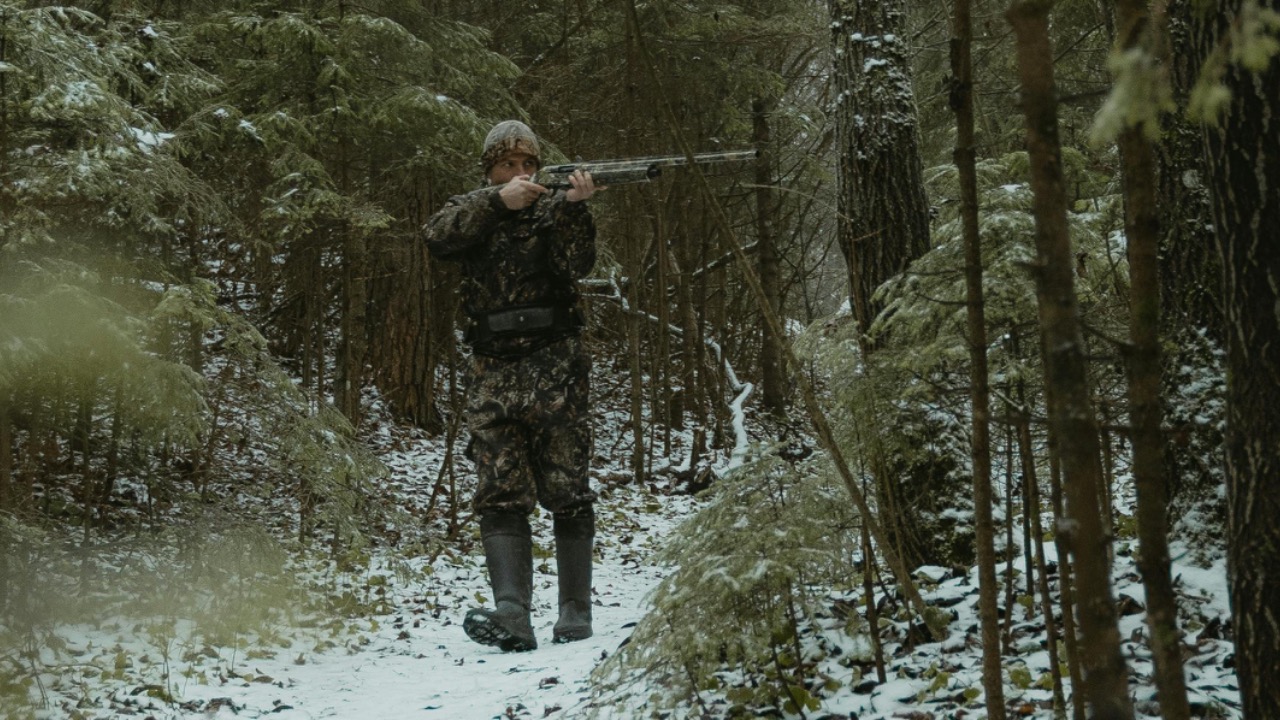
Asher was raised in the woods and on the water, and it shows. He’s logged more hours behind a rifle and under a heavy pack than most men twice his age.