Winter storm warnings call for up to five feet of snow and dangerous winds
When forecasters start talking about snow totals measured in feet instead of inches, you know you’re dealing with a serious winter storm. Systems capable of dropping four or five feet of snow usually arrive with powerful winds, bitter cold, and visibility that disappears in seconds. For anyone living in the storm’s path, preparation matters as much as patience.
If you spend time outdoors—hunting, working land, running livestock, or traveling rural roads—you already know storms like this can turn routine decisions into dangerous ones. Roads close, power lines fall, and drifts pile higher than truck hoods. When the warnings start stacking up, you need to pay attention and think ahead. Here’s what storms of this size usually bring, and what you should expect if one heads your way.
Wind Turns Snowfall Into Whiteout Conditions
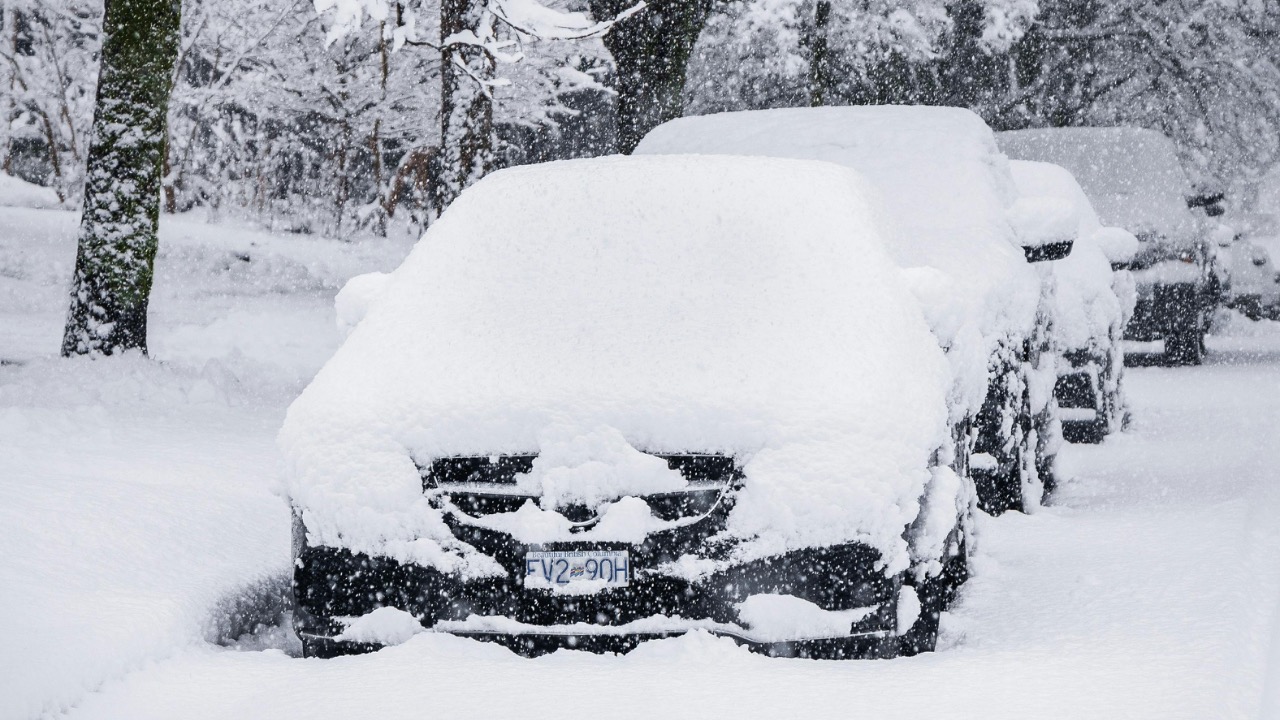
Heavy snowfall alone is dangerous, but the wind is what makes these storms truly difficult. Strong gusts can lift snow off the ground and throw it across fields and highways, creating whiteout conditions where you can’t see more than a few yards ahead.
If you’re driving or traveling outdoors, that lack of visibility becomes the biggest risk. Familiar roads vanish under drifting snow, landmarks disappear, and it becomes easy to lose direction. Even experienced drivers can find themselves stuck when wind-packed snow piles across roads faster than plows can clear them. In storms producing several feet of snow, the wind often keeps blowing long after the heaviest snowfall ends.
Snow Drifts Can Bury Roads and Buildings
Five feet of snowfall rarely falls evenly. Wind redistributes it quickly, stacking drifts far deeper than the official totals. A storm predicting four feet can easily produce drifts eight to ten feet high along fences, buildings, and tree lines.
If you live in rural areas, that drifting snow can trap vehicles, block barn doors, and bury access roads. Even snowblowers and plows struggle when drifts harden overnight. You might wake up to find your truck completely surrounded or the driveway erased under a wall of packed snow. Clearing paths becomes a slow process, and it can take days before roads open fully again.
Power Outages Often Follow the Heaviest Snow
When deep snow combines with strong wind, power lines take a beating. Heavy snow loads down lines and tree limbs, while gusts push branches into wires or snap poles outright. That’s why major winter storms frequently lead to widespread outages.
If the storm is strong enough to drop several feet of snow, power restoration can take time. Utility crews often struggle to reach damaged areas until roads are cleared. That means you could be without electricity for hours or even days. Having backup heat sources, flashlights, and extra batteries becomes critical during storms of this scale.
Livestock and Wildlife Face Serious Stress
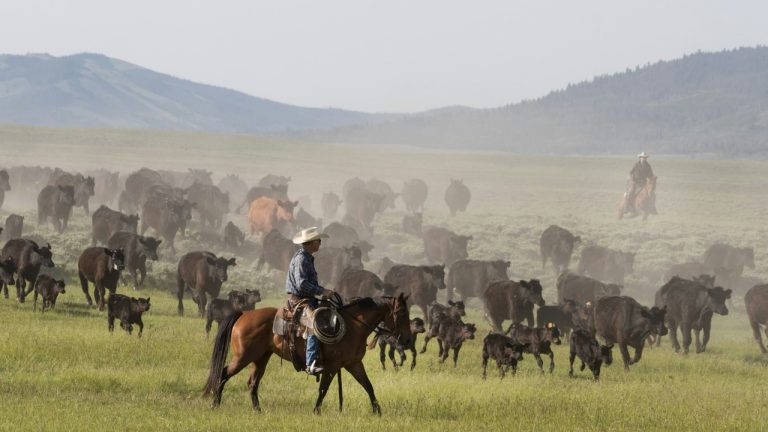
Deep snow affects more than roads and power lines. Livestock and wildlife often struggle during storms that pile up several feet of accumulation. Grazing animals have trouble reaching feed, and cold winds force them to burn more energy simply staying warm.
If you manage livestock, storms like this demand preparation. You’ll need accessible feed, windbreaks, and water that won’t freeze over quickly. Even wildlife adapts by moving less and seeking heavy cover. You may notice deer bedding down in timber or shelterbelts where wind is reduced. These storms reshape how animals move across the landscape for days afterward.
Travel Can Shut Down Entire Regions
When snowfall totals push toward several feet, travel becomes nearly impossible in many areas. Highway closures become common, especially in open country where blowing snow repeatedly fills plowed lanes.
State crews sometimes shut down roads entirely to keep drivers from becoming stranded. Emergency vehicles also face challenges reaching people once drifts start forming. If you’re planning to travel during a storm like this, the safest decision is often staying put. Even a short trip can turn into a long wait if you slide off the road or encounter an unexpected closure.
Roofs and Structures Carry Heavy Loads
Snow might look light when it’s falling, but several feet of accumulation adds enormous weight to roofs and structures. Wet snow in particular can stress barns, sheds, and older buildings that weren’t designed to carry that kind of load.
If a storm warning mentions multiple feet of snow, it’s worth paying attention to buildings with wide spans or shallow roof angles. Snow removal becomes important once the storm passes, especially for barns housing animals or equipment. Letting several feet sit for too long increases the chance of structural damage when temperatures fluctuate.
Cold Temperatures Make the Situation Worse
The snowstorm itself is often followed by a blast of colder air. Temperatures can plunge well below freezing once the system moves through, locking snow and ice in place across roads and driveways.
For anyone working outdoors, that cold creates another layer of risk. Frostbite becomes possible quickly when wind and subzero temperatures combine. Equipment also struggles in deep cold, especially diesel engines or older machinery left outside. If you rely on vehicles, generators, or tractors during winter storms, keeping them maintained and fueled before the storm hits can save you serious trouble.
Emergency Services Become Stretched Thin
Large winter storms affect entire regions at once. Emergency crews handle everything from stranded drivers to power failures and medical calls. When snow totals climb into the multi-foot range, response times can slow down significantly.
Blocked roads and drifting snow make it difficult for emergency vehicles to move quickly. In rural areas, some locations may be temporarily unreachable until plows reopen access routes. That reality makes preparation even more important. Keeping supplies on hand and avoiding unnecessary travel helps reduce the strain on emergency responders during major storms.
Snow Removal Becomes a Multi-Day Job
After a storm drops several feet of snow, the work doesn’t end when the sky clears. Plowing, shoveling, and clearing equipment paths often take several days, especially if wind keeps pushing snow back into open areas.
You may need to clear the same stretch of driveway more than once as drifting continues. Heavy equipment can help, but even tractors and plows hit limits when drifts grow tall and compact. Taking the job slowly and safely matters, especially if temperatures remain cold and surfaces stay slick.
Storms Like This Change the Landscape
A five-foot snowstorm leaves a mark long after the last flakes fall. Fence lines disappear, fields develop massive wind-carved drifts, and trails vanish beneath packed snow. It can take weeks before the landscape starts to look familiar again.
If you spend time outdoors, you’ll notice how these storms reshape travel patterns for both people and animals. Snowmobile routes replace dirt roads, wildlife concentrates in sheltered areas, and deep drifts block paths that were easy to walk a few days earlier. Storms of this size remind you how quickly winter can take control of the landscape.

Asher was raised in the woods and on the water, and it shows. He’s logged more hours behind a rifle and under a heavy pack than most men twice his age.