Survival experts explain what matters most during the first 24 hours of a collapse
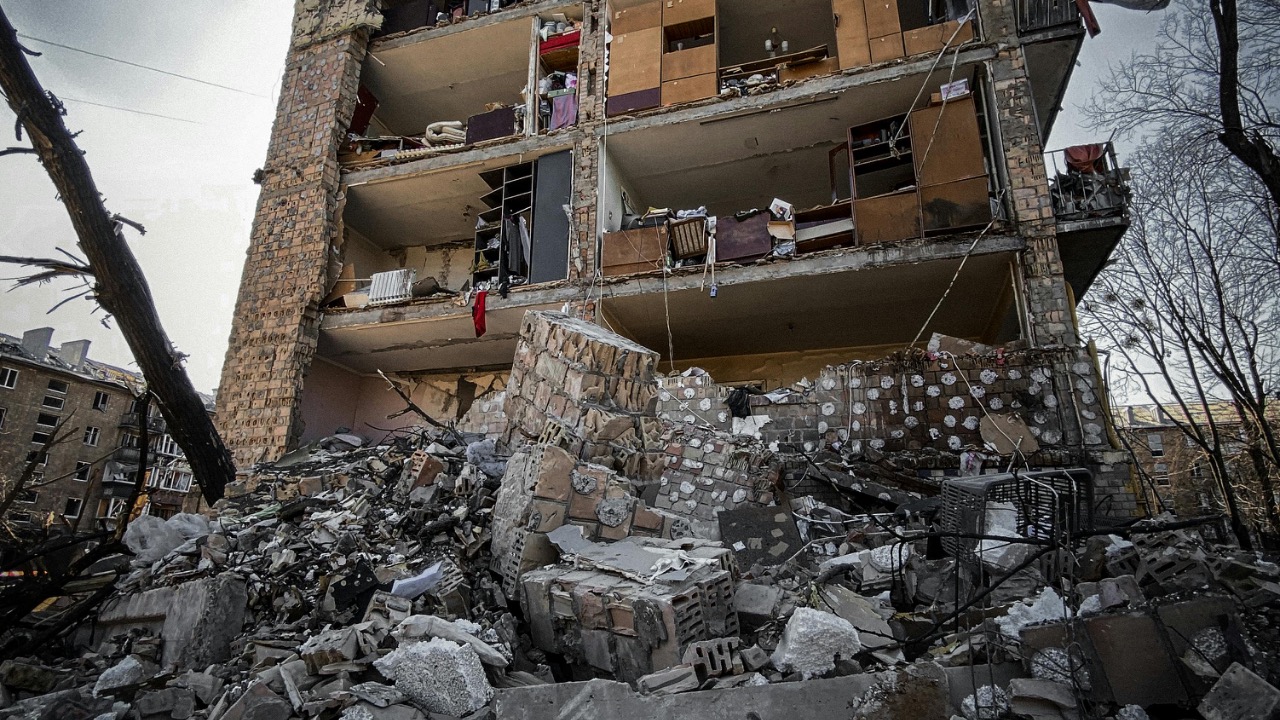
The first day of a true collapse is not about heroics, it is about not making the mistakes that kill people fast. When power, communications, or basic services fail, the clock starts on a very predictable chain of problems: exposure, injuries, dehydration, and bad decisions. Survival experts focus on those first 24 hours because what you do, and what you ignore, in that window often decides whether you are still in the fight on day two.
I have spent years talking with instructors, first responders, and backcountry hunters about what actually keeps people alive when everything goes sideways. Their advice lines up with hard lessons from disaster research and wilderness survival: control your head, follow a clear order of priorities, and move methodically instead of chasing every fear at once. Here is how that plays out when the world around you suddenly stops working.
Understanding the real survival clock
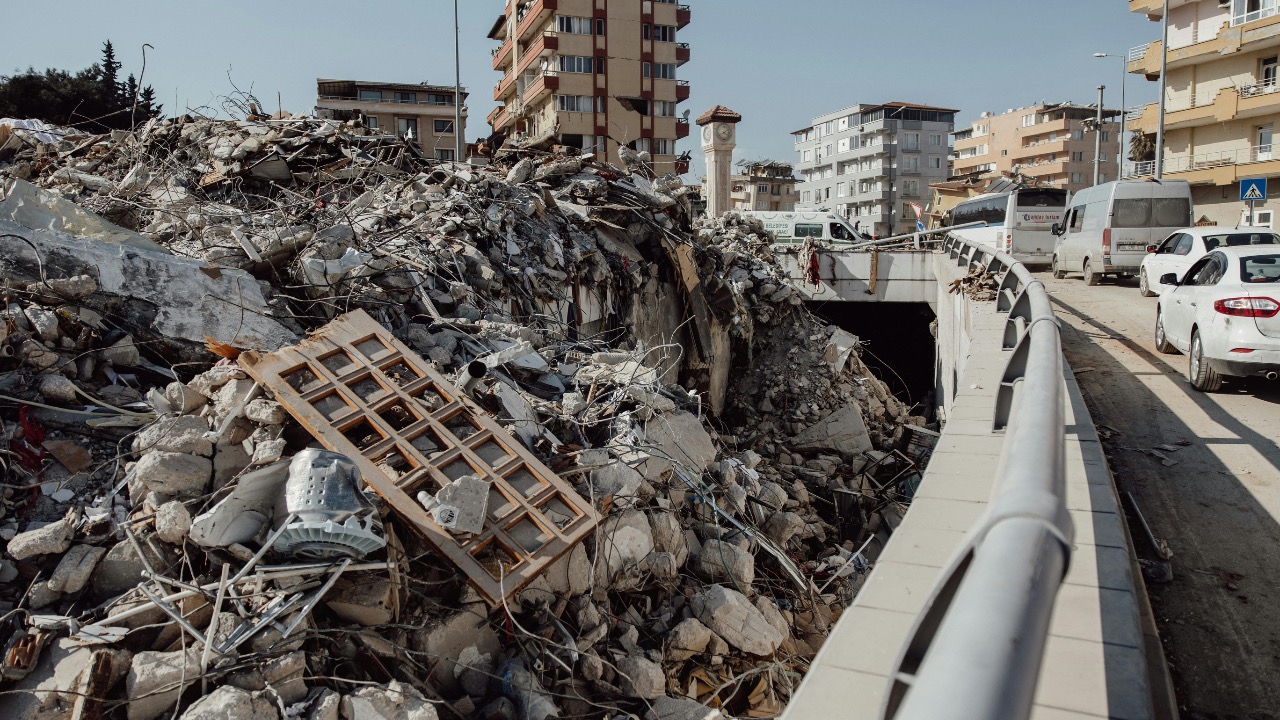
When people imagine collapse, they usually picture running out of food, but the body fails in a different order. In the field, I have watched strong hunters unravel from cold rain long before hunger mattered. That is why seasoned instructors lean on the “Rule of threes” as a mental checklist: air and major bleeding first, then shelter and body temperature, then water, and only much later, calories. If you burn your first 24 hours worrying about the pantry instead of your lungs, your blood, and your core temperature, you are solving the wrong problem.
The classic Rule states that You can survive three minutes without breathable air, three hours without adequate shelter in harsh conditions, three days without water, and roughly three weeks without food. Knife makers and backcountry trainers echo that same ladder of needs, and one detailed guide from a Montana instructor walks through how that rule of threes shapes every decision in the field. In a collapse, that same clock applies whether you are stuck in a high-rise, a flooded neighborhood, or a truck on the side of a winter highway.
Why the first 24 hours feel worse than they are
Disaster research shows that the wider emergency window is measured in days, not hours, but the first day is when panic does the most damage. Analysts who study major crises point out that the first 72 hours after a major shock are usually the most chaotic and dangerous, which is why emergency planners push families to build at-home kits and evacuation plans before anything happens. If you can get through the first 24 hours without injury, hypothermia, or dehydration, you are in a much better position to ride out the rest of that three day storm.
Preparedness groups that review the first 72 hours emphasize that this is when services are most disrupted, information is scarce, and help may be delayed. That does not mean you are on your own forever, it means you need to be able to stabilize your situation for at least that long. The first day is about stopping the slide: treating injuries, getting dry and warm, securing water, and avoiding rash moves that turn a survivable event into a fatal one.
Recognition: the mental switch that keeps you alive
Every survival instructor I respect talks about the same turning point: the moment you admit that normal is gone. State emergency managers describe this as Recognition, and they call it The Wake Up Call. In plain language, it is the second you stop waiting for the lights to flick back on and start acting as if they will not. People who freeze in denial lose precious minutes and sometimes their only chance to move to safer ground.
Emergency planners in Oregon break survival into seven steps and put that mental shift first for a reason. When disaster strikes, whether you are dealing with wildfire, earthquake, or a cascading grid failure, the first and most crucial step is to recognize that the event is real and that your normal routines no longer apply, as one official guide puts it, Let us break down these seven steps and why they matter. In the first 24 hours, that recognition is what lets you pivot from “this is annoying” to “this is life threatening” before the cold, the dark, or the water level proves it to you.
Stabilizing air, bleeding, and shelter
Once your head is in the game, the first physical priority is anything that can kill in minutes. In a building collapse or riot, that might mean moving out of a smoke filled hallway, clearing debris from someone’s airway, or applying pressure to a serious wound. I have watched hunters bleed more from a careless knife slip than from any animal they ever shot, and in a collapse, emergency medical help may not be coming. A basic pressure dressing or improvised tourniquet can be the difference between a scary story and a body on the floor.
After that immediate triage, you move straight into shelter and body temperature, which the rule of threes framework treats as the next ticking clock. In cold rain or wind, hypothermia can sneak up in a couple of hours, even in town. That might mean getting everyone into one interior room, hanging blankets over windows, shutting off drafts, and using candles or a camp stove safely for heat and light. In summer, it might mean finding shade, ventilation, and cool water to prevent heat stroke. The first day is when you decide whether your home, car, or office is a viable shelter or whether you need to move before conditions get worse.
Water and food: what really matters on day one
Once air, bleeding, and shelter are handled, the next priority is water, not dinner. In every major disaster I have covered, people burn energy and risk injury chasing food in the first hours when they should be filling containers from taps that still work. Municipal systems often hold pressure for a while after the power fails, which gives you a short window to fill bathtubs, sinks, and every bottle you own. That water will matter far more on day two and three than anything in your freezer.
Food is emotionally loaded, but physiology is on your side. A community preparedness post that looks at the first day after a disaster reminds people to Keep in mind that food does not go from good to bad in an instant and that You have a little time to decide what to do with the perishables in your fridge. That matches what I have seen in long power outages: the smart move is to keep the refrigerator closed as long as possible, cook what you can on a grill once it starts to warm, and save canned and dry goods for later. In the first 24 hours, water planning and food triage beat panic eating every time.
Seven-step thinking when everything is loud and confusing
In a real collapse, the hardest part is not knowing what is coming next. That is where a simple mental checklist keeps you from spinning out. Oregon’s emergency managers talk about seven steps for survival, starting with recognition and moving through assessment, shelter, water, and communication. They frame it as a way to cut through the noise when alarms are going off, neighbors are shouting, and your phone is dead. I have used similar checklists in the backcountry to keep a broken leg from turning into a body recovery.
The same state guidance that labels recognition as The Wake Up Call also stresses that each step builds on the last instead of competing with it. You do not need a laminated card to use that logic. In the first 24 hours, I tell people to think in passes: first pass, stop the bleeding and get out of immediate danger; second pass, lock in shelter and water; third pass, improve comfort and plan for the next day. That rhythm keeps you moving without letting fear dictate your priorities.
Communication, information, and when to move
Once you are stable, the next question is whether to stay put or move, and that hinges on information. In a grid down scenario, your smartphone may still connect to local radio apps or cached maps even without a cell signal. Battery powered radios, car stereos, and even word of mouth from neighbors can give you a sense of whether you are in a safe pocket or in the path of something worse. In my own kit, a small NOAA-capable radio has proven its worth more than any fancy gadget.
Analysts who study the first 72 hours of disasters point out that roads may be blocked, services overloaded, and official guidance slow to reach everyone. That is why at-home preparedness plans put such a premium on having a safe room, supplies, and a way to get updates without leaving shelter. In the first 24 hours, you should only move if staying is clearly more dangerous, such as rising water, fire, structural damage, or credible reports of violence in your immediate area. Wandering out “to see what is going on” is how people get hurt in the most chaotic phase of a crisis.
Using everyday spaces and gear like a survivalist
One of the biggest myths about collapse is that you need to be in the woods with a pack to use survival skills. In reality, the same principles apply in a studio apartment or a minivan. I have turned living rooms into makeshift bunkhouses during ice storms by dragging mattresses into one interior room, taping trash bags over windows, and using body heat and safe heaters to keep a small space warm. In a vehicle, you can crack windows for ventilation, run the engine periodically for heat while watching for exhaust buildup, and use reflective sunshades and blankets to trap warmth.
The rule of threes mindset helps you see those options. You are not trying to live comfortably forever, you are trying to keep air breathable, body temperature in range, and water accessible for the next day. A bathtub becomes a cistern, a closet becomes a windbreak, a car trunk becomes a food cache. The first 24 hours are when you repurpose what you already own into a system that keeps you alive instead of waiting for someone else to show up with gear.
Thinking past day one while you still have energy
If you manage the first 24 hours well, you will end that day tired but not wrecked, and that is when you quietly plan for the next phase. Disaster research that focuses on the first 72 hours makes it clear that the second and third days are when supply chains, medical systems, and law enforcement are still stretched. You should assume that help may be delayed and that you are responsible for your own security, sanitation, and morale for at least a couple more sunrises.
Community preparedness groups that talk through the first day after a disaster remind people that You have more time than you think with food, but less time than you think with water, medicine, and mental health. Before you sleep on that first night, take ten minutes to inventory what you have, set a loose rationing plan, and decide what you will do at first light if conditions have changed. In my experience, that quiet planning session, done while everyone is as safe, warm, and hydrated as you can manage, is what turns a lucky first day into a survivable week.

Asher was raised in the woods and on the water, and it shows. He’s logged more hours behind a rifle and under a heavy pack than most men twice his age.