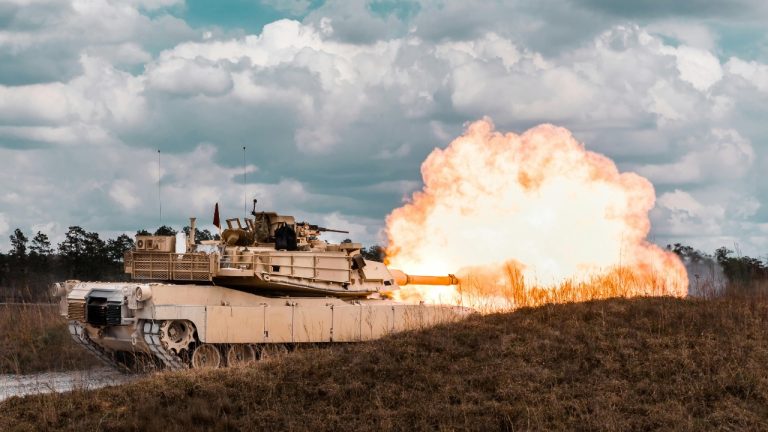
8 Military Vehicles the U.S. Retired Too Soon
American forces retire vehicles for clear strategic reasons, yet some departures still spark debate among troops, planners, and historians. From close air support icons to armored workhorses that shaped entire campaigns, several platforms arguably left the inventory while they still had unique value to offer. These eight examples show how the drive to modernize can collide with battlefield experience, and why some veterans believe the United States retired certain military vehicles too soon.
1. A-10 Thunderbolt II “Warthog”
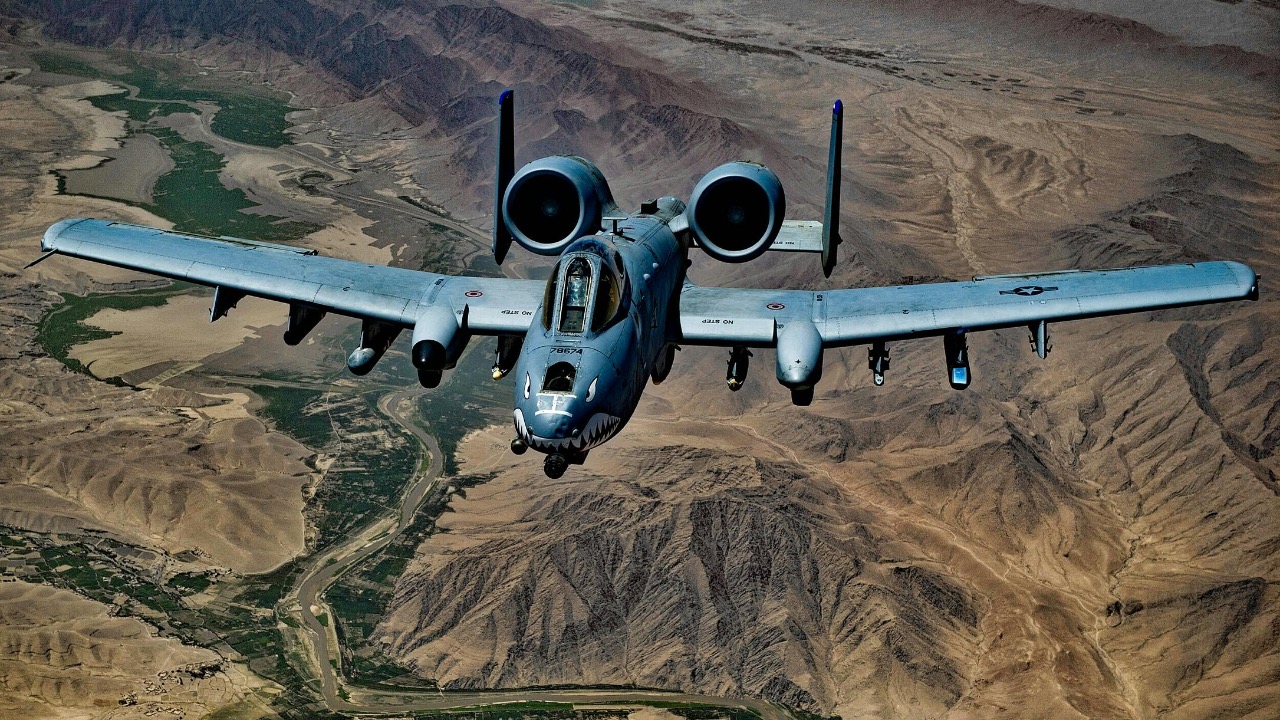
The A-10 Thunderbolt II, better known as the Warthog, is the clearest case of a platform many believe is being pushed out early. The Air Force has asked to retire its remaining 162 A-10s and send them to the Boneyard in 2026, a plan that would remove a purpose built close air support jet that ground units still praise. One budget proposal seeks authority to divest a total of 340 aircraft in a single fiscal year, including 162 A-10s and 62 F-16C and Ds, in order to free money for newer systems.
Supporters of the plan argue that survivability against modern air defenses requires stealthier aircraft and standoff weapons, as described in detailed retirement plans. Critics counter that no replacement offers the same loiter time, armor, and psychological reassurance for troops under fire. For them, the decision trades away proven battlefield utility for a future threat picture that remains partly theoretical.
2. Marine Corps M1A1 Tank Units
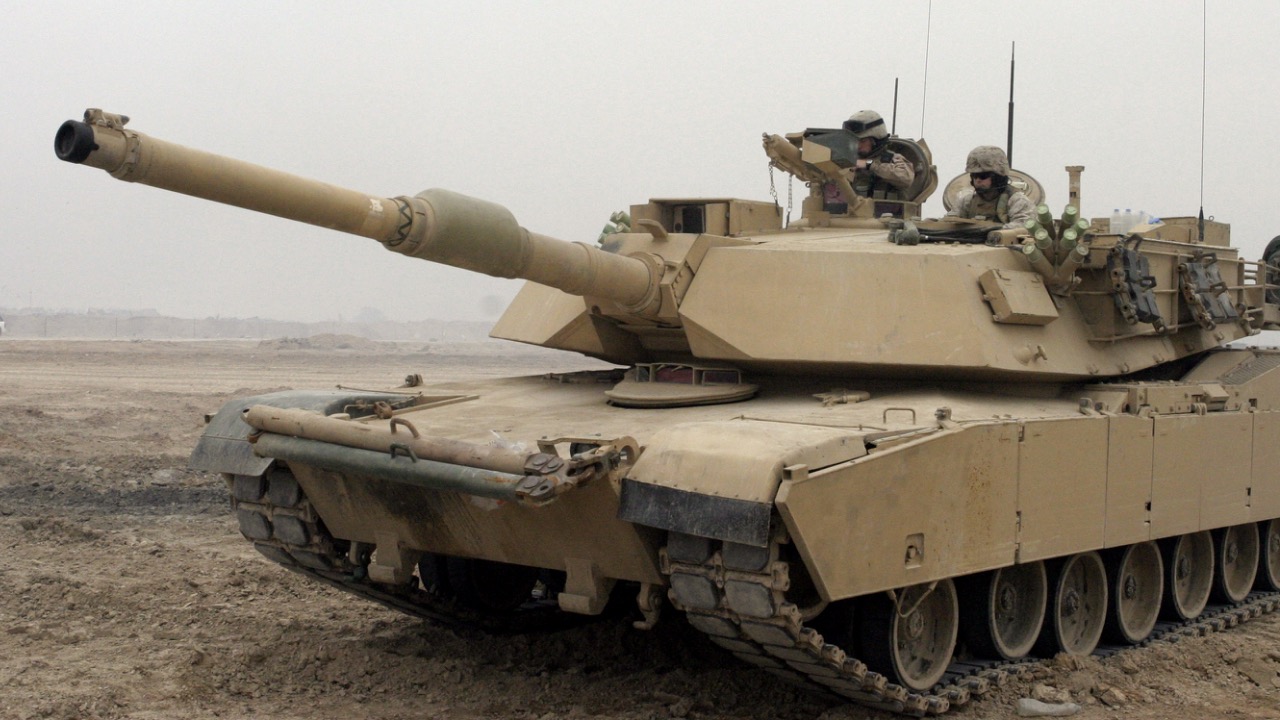
The Marine Corps decision to decommission its M1A1 tank battalions under Force Design 2030 marked a dramatic break with its own history. Senior leaders concluded that heavy armor slowed amphibious forces and consumed resources better spent on missiles, drones, and lighter vehicles tailored for dispersed operations in the Pacific. Reporting on the shift explains how the top Marine argued that traditional tank formations were ill suited to the island hopping, long range fires concept that now guides planning for potential conflict in the Indo Pacific.
That logic convinced planners, yet many Marines warn that giving up organic armor removes a key tool for urban assaults and high intensity land combat. Analyses of how the Marine highlight what is lost along with what is gained. The risk is that future joint operations could again demand armored breakthroughs, leaving Marines dependent on Army support that may not always arrive on their timeline.
3. Humvee Tactical Truck
The Humvee became a symbol of American power and vulnerability in Iraq and Afghanistan, and now the Army is pushing to retire it as quickly as budgets allow. A recent memo cited in reporting on axed Army vehicle labeled the Humvee “wasteful,” “outdated,” and “obsolete.” Another account of the Army of the future described a broader effort by The Army to abandon obsolete systems and modernize, with the Humvee among the most visible targets of that shift.
Interviews about why the military is retiring the Humvee capture both the vehicle’s flaws and its emotional pull. One veteran recalled, “But I am trapped inside screaming and yelling at the top of my lungs for someone to come pull me out,” in a segment on how the Humvee. Even so, its sheer numbers and adaptability mean some commanders believe a modernized variant still has a place, especially in lower threat environments and support roles.
4. Assault Amphibious Vehicle AAV7A1
The Assault Amphibious Vehicle, or AAV7A1, spent 50 years carrying Marines from ship to shore, yet its retirement has stirred questions about whether its replacement is truly ready. The Marine Corps has finally retired the AAV7A1 after 50 years of service, where it saw action across the globe from small Caribbe operations to the deserts of Iraq. A separate feature described how, from the shores of Grenada to the deserts of Iraq, the AAV shielded Marines before the “workhorse” was officially decommissioned.
Advocates of the decision point to safety concerns and the need for better protected, more modern amphibious vehicles. However, commentary in detailed AAV history stresses how few systems can match its blend of capacity, range, and proven performance in surf and sand. Until a successor is fielded at scale, Marines face a capability gap in the very mission that has defined the Corps since World War II.
5. Canceled Robotic Combat Vehicle Prototypes
The Army’s decision to halt its planned Robotic Combat Vehicle award surprised industry and soldiers who had invested in unmanned ground combat concepts. An internal message from Dean indicated that “Artillery modernization is still on ‘pause’ for the moment,” and the same communication outlined how the cancellation would ripple through several other programs. Reporting on the decision described it as part of a broader reprioritization that shifted money toward near term air and missile defense projects.
Supporters of the pause argue that autonomy, communications, and doctrine for robotic vehicles remain immature, and that rushing a program of record could lock in flawed designs. Yet the abrupt stop leaves unanswered questions about sunk costs, lost testing data, and whether adversaries will seize the initiative in unmanned armor. For soldiers who saw promise in early prototypes, shelving the effort feels like walking away just as the technology began to prove itself.
6. Legacy Programs Cut in Army Transformation
Alongside specific vehicles, the Army’s sweeping transformation plan has targeted a cluster of legacy platforms that some observers believe still have untapped value. Coverage of The Army of the future describes a push to abandon obsolete systems and modernize, with leaders signaling that entire families of vehicles could be retired or cut back sharply. A separate discussion of out with the framed this as a necessary purge to fund long range fires, air defense, and advanced command networks.
However, a widely shared list of vehicle programs being cancelled or suffering cuts, including the M10 Booker, AMPV, Stryker, JLTV, and Humvee, has fueled concern among soldiers and veterans. A post titled Vehicle programs captures that anxiety, even if some details remain unverified based on available sources. The risk is that aggressive divestment could leave gaps in armored mobility and protection before replacements are mature.
7. Early F-22 Raptor Divestments
The Air Force has also moved to retire some of its most advanced fighters earlier than many aviation experts expected. One budget proposal discussed by Air Force divestments included plans to cut 250 old aircraft, among them 33 F-22 Raptor stealth fighters, in order to purchase 82 new airplanes. Leaders argued that the oldest Raptors were too costly to upgrade to the latest standard and that resources were better directed to the Next Generation Air Dominance program.
Critics respond that every F-22 airframe represents irreplaceable stealth capacity in the near term, especially as potential adversaries field more advanced fighters and surface to air missiles. Retiring even a subset of Raptors reduces training capacity and surge potential in a crisis. For pilots and planners who see the F-22 as a unique air superiority asset, cutting it early looks like a gamble that future programs will arrive on time and perform as advertised.
8. Stored “Retired” Vehicles That Still Have Life
Behind headline retirements sits a quieter story about how the United States handles vehicles that leave active service but could still be useful. One detailed explanation of what happens when a vehicle is retired notes that when a vehicle, not a system, is retired, it is usually because it is no longer serviceable or economically repairable. The same discussion explains that an M3 or similar platform might be kept in storage, sold, or scrapped, depending on its condition and the cost of bringing it back.
That practice has direct implications for emergency planning and surge capacity. If too many vehicles are written off instead of preserved, future crises could find the services short of basic transport, engineering, or support platforms that do not need cutting edge technology. The Quora thread on retired vehicles captures how much of this process remains opaque to the public, even as taxpayers and local communities are stakeholders in what happens to aging fleets.

Asher was raised in the woods and on the water, and it shows. He’s logged more hours behind a rifle and under a heavy pack than most men twice his age.