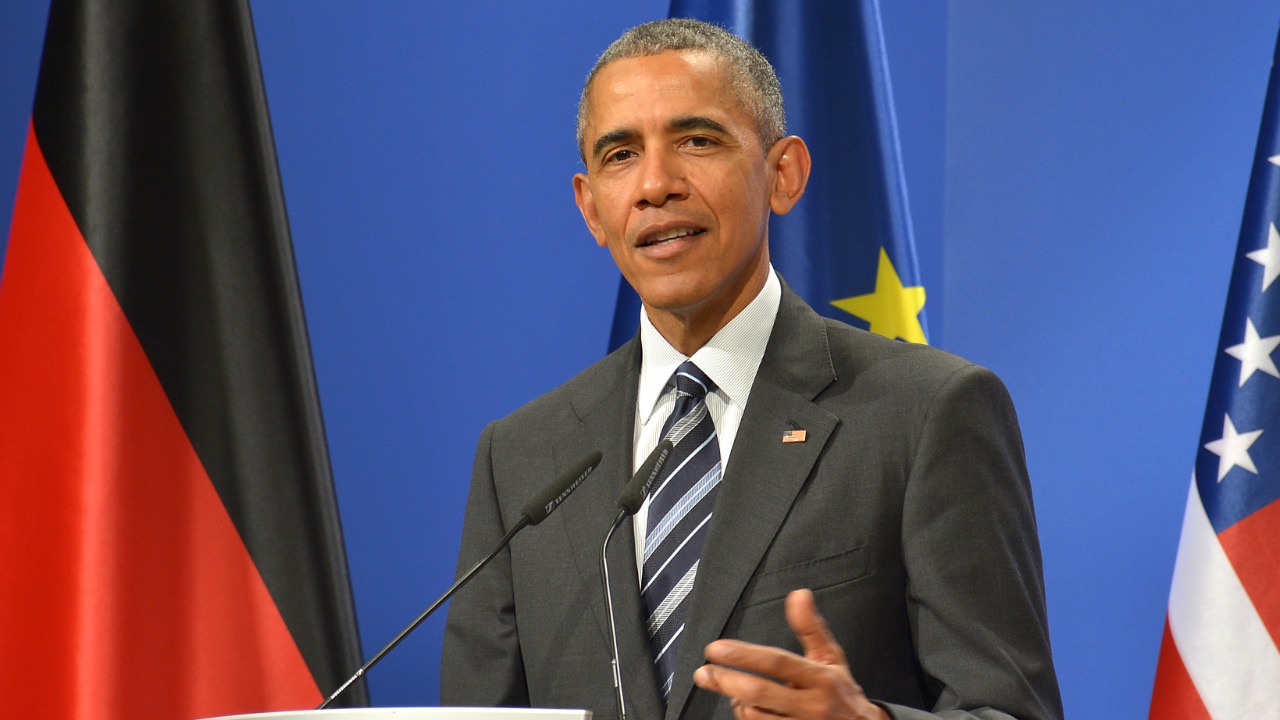
Fact check: how many bombs Obama dropped in 2016 without congressional approval
Discussions about modern U.S. military action often circle back to one number: how many bombs were dropped in a given year. When people talk about the final year of the presidency of Barack Obama, the number that gets repeated is roughly 26,000. That figure comes from compiled data drawn from Pentagon strike reports and military records.
But the number alone doesn’t explain the full picture. The airstrikes were tied to several conflicts happening at once, including the fight against the Islamic State and ongoing counterterror operations across multiple regions. Many of these actions were not authorized by a brand-new vote in Congress. Instead, they were carried out under older war authorizations passed years earlier.
If you want to understand the claim properly, you need to break down the numbers, the legal basis, and where those bombs actually fell.
The Total Number Dropped in 2016
In 2016, the United States dropped about 26,171 bombs across seven countries during overseas military operations. That estimate comes from analysis of U.S. Air Force strike data compiled by researchers at the Council on Foreign Relations and other tracking groups.
Put another way, that averages out to roughly 72 bombs per day, or close to three bombs every hour throughout the year. Those numbers include bombs, missiles, and other air-launched munitions used during combat operations conducted by U.S. forces and coalition partners.
The figure is also considered conservative. Military strike reports often count a “strike” rather than each individual munition, meaning the real number of weapons used can be higher than the headline statistic.
The Countries Where Bombs Were Dropped
The majority of those weapons were used in the campaign against the Islamic State in Iraq and Syria. Under the coalition operation known as Operation Inherent Resolve, the United States carried out the bulk of coalition strikes that year.
Two countries accounted for most of the total: Iraq and Syria, where more than 24,000 bombs were dropped combined. Smaller numbers were used in five other places tied to counterterror operations.
The seven countries involved in U.S. bombing activity during 2016 were: Iraq, Syria, Afghanistan, Libya, Yemen, Somalia, and Pakistan. Each location had a different mission, ranging from fighting ISIS to targeting regional militant groups.
Iraq and Syria Saw the Majority
The war against ISIS was the main driver of the numbers. Roughly 12,095 bombs fell in Iraq and 12,192 in Syria during 2016, accounting for the overwhelming majority of U.S. airstrikes that year.
These attacks were part of a broader coalition campaign aimed at dismantling the territorial control of the group known as Islamic State. U.S. aircraft conducted thousands of sorties in support of Iraqi forces, Kurdish fighters, and other coalition partners on the ground.
The pace of airstrikes increased significantly during the final battles for cities like Mosul and Raqqa. Those offensives required heavy air support to clear fortified urban positions held by ISIS fighters.
Smaller Campaigns Happened Elsewhere
While Iraq and Syria dominated the numbers, smaller bombing campaigns took place in several other regions. These strikes targeted militant groups operating in fragile states or remote areas where U.S. troops were not deployed in large numbers.
Airstrikes occurred in Afghanistan, Yemen, Somalia, Pakistan, and Libya during 2016. These operations typically focused on specific militant leaders, training camps, or infrastructure connected to groups linked to al-Qaeda or regional insurgencies.
Compared with Iraq and Syria, the number of bombs used in these countries was far smaller. Still, they formed part of a broader global counterterror campaign run by U.S. forces.
Why Congress Didn’t Vote Again
One of the most debated points is whether Congress approved these operations. In 2016, there was no new congressional authorization specifically for these bombing campaigns.
Instead, the Obama administration relied on the 2001 Authorization for Use of Military Force, passed shortly after the attacks of September 11 attacks. That law allowed the president to pursue groups responsible for those attacks and associated forces.
Over time, multiple administrations interpreted that authorization broadly enough to cover newer militant organizations operating in different regions. Critics argue the law has been stretched well beyond its original scope.
Why the Legal Debate Still Matters
The argument over these airstrikes isn’t only about numbers. It’s about presidential war powers and the role of Congress in authorizing military force.
Many lawmakers and legal scholars say the United States has relied too heavily on the post-9/11 authorization for conflicts that didn’t exist when the law was passed. Others argue the president must have flexibility to respond quickly to emerging threats without waiting for lengthy congressional debates.
The 2016 bombing figures are often cited in that debate. They illustrate how modern wars are fought largely through airpower and special operations rather than large troop deployments.
The Bottom Line of the Fact Check
The widely circulated claim that the United States dropped about 26,000 bombs in 2016 under President Obama is accurate, based on available military strike data.
However, the claim that these strikes happened “without congressional approval” requires context. Congress did not pass a new authorization for those specific operations, but the administration relied on earlier war powers legislation already on the books.
So the full picture looks like this: thousands of bombs dropped across seven countries, most tied to the fight against ISIS, and all carried out under legal authority that has been debated ever since.

Asher was raised in the woods and on the water, and it shows. He’s logged more hours behind a rifle and under a heavy pack than most men twice his age.