If You Only Carry Five Bass Lures, Experienced Anglers Say Make Them These
Experienced bass anglers tend to converge on a short list of lures that keep producing fish in ponds, reservoirs, and rivers across the country. When tackle space is tight, they reach for baits that cover different depths, trigger both feeding and reaction strikes, and work in more than one season. If the goal is to carry only five lures and still be ready for almost any largemouth or smallmouth bite, a handful of proven categories rise to the top.
Why Five Lures Can Be Enough

Veteran bass anglers often argue that success comes from mastering a few baits rather than hauling every option on the market. One discussion among beginners and experts alike stresses that anglers should learn a small set of lures that cover the water column from top to bottom instead of filling a tackle box with untested gear, since Otherwise they end up with clutter and little confidence.
Seasoned contributors on bass forums echo the same theme, pointing out that year around lures Are jigs and soft plastics, while hard baits like crankbaits, spinnerbaits, spoons, tail and under spins rotate in and out as conditions change. One Super User named WRB lists jigs and soft plastics as the backbone, then adds those moving baits for specific windows, reinforcing that a compact lineup can still be versatile when it is built around proven categories that work in multiple seasons and water types.
Lure 1: Jigs, The Year-Round Workhorse
Across expert lists, jigs show up again and again as the closest thing to a universal bass lure. One detailed breakdown of largemouth tactics states plainly that Jigs could claim to be the best largemouth bass lure everywhere, from shallow grass to deep rock, because they all catch largemouth bass when matched to the right trailer and weight. Another guide to Bass Lures That You Can Rely On Year Round puts the Jig at the top of the list and breaks it into Football Jigs for Rocks and ledges, Flipping Jigs for Cover and brush, and Swim Jigs for more horizontal presentations, underscoring how one lure style can be tuned to almost any structure.
Forum regulars back that up with long term experience, with WRB writing that year around lures Are jigs and soft plastics, a simple statement that reflects how often these baits produce bites in cold fronts, summer heat, and everything in between. Buyers who scroll through modern jig offerings will find compact flipping models, finesse football heads, and hybrid swim styles in product listings that promote weed guards, sharp hooks, and realistic skirts, like one compact jig product marketed for heavy cover.
On the water, jigs let anglers imitate crawfish, bluegill, or shad simply by swapping trailers and changing retrieve speed. A football jig dragged slowly across chunk rock mimics a foraging craw, while a swim jig reeled steadily past grass lines looks like a fleeing baitfish. Because jigs can be pitched, flipped, swum, or stroked off bottom, they give anglers a way to probe shallow docks, mid-depth brush piles, and deep ledges with one category of lure, which explains why so many pros and weekend anglers keep at least a couple of jig boxes close at hand.
Lure 2: Soft Plastic Worms And Creature Baits
If jigs are the workhorse, soft plastics are the quiet specialist that gets bit when conditions are tough. Veteran tournament angler Hank Parker has described a plastic worm as one of the five baits he refuses to leave behind, ranking it alongside crankbaits and spinnerbaits in his core kit and explaining that You cannot go without those if the goal is to get consistent bites. His short list also includes a topwater and a jig, which shows how often this classic soft bait sits at the center of serious bass strategies.
Forum voices line up with that view, with WRB emphasizing that year around lures Are jigs and soft plastics, then listing T-rig w/brass ‘n glass, drop shot, slip shot finesse worms and other rigs that put worms and creature baits in front of pressured fish. Instructional videos on 7 Best Bass Lures That Work Year Round also single out Soft Plastic Lures as a core category, placing them alongside Jigs, Crankbaits, Spinnerbaits, Topwater Lures, Frogs, and jigs with Soft Plastic Lures trailers in a Table of Contents that highlights how often worms and creatures appear in multi-season lineups.
Modern soft plastics range from straight-tail finesse worms to bulky creatures modeled after bluegill or crawfish, and product listings feature salt-infused bodies, floating claws, and scent systems that encourage bass to hold on longer. One example is a ribbed worm bait that is sold in multiple natural colors for clear and stained water.
Soft plastics shine when bass are inactive or heavily pressured, because anglers can dead-stick them in place, shake them subtly on a drop shot, or crawl them slowly along bottom on a Texas rig. They also help fill gaps in a five lure kit, since a single bag of worms can be rigged weightless for shallow grass, on a Carolina rig for offshore structure, or on a shaky head for vertical presentations. That flexibility gives anglers a finesse option that pairs well with the power of jigs and moving baits.
Lure 3: Crankbaits To Cover Water Fast
Crankbaits are a staple in almost every expert recommendation because they imitate baitfish or crawfish and can be fished at a variety of depths. A detailed pond guide explains that Crankbaits are a must-have for any bass angler and that They mimic the movement of baitfish whether fished in shallow flats or along deeper drop-offs, which makes them valuable both for searching and for matching whatever forage bass are currently feeding on. Another lake guide notes that Crankbaits imitate baitfish or crawfish and are effective year-round, advising anglers to vary retrieval for best action as they bounce the lure off rocks or timber.
Gear overviews on hard baits describe how these lures can cover a lot of water quickly and create reaction strikes, stressing that with the ability to run at different depths, They excel nearly year-round for bass that are keying on moving prey. Buyers looking at current crankbait lines see lipless, squarebill, and deep diving models marketed as Built for durability and equipped with sticky sharp hooks, with one crankbait collection promoted as a must-have in every angler’s tackle box.
Another buyer guide that ranks Favorite Bass Lures and Common Designs singles out a Bladed Jig like the Z-Man Chatterbait Elite Evo, a Crankbait such as a Berkley diving plug, and a topwater walking bait like a Zara Spook as core categories, which reinforces how crankbaits sit beside jigs and topwaters in most serious arsenals. Anglers shopping for specific models encounter deep divers, mid-depth shad imitations, and silent squarebills in product pages like one deep diving crankbait that targets offshore fish.
In a five lure kit, crankbaits answer a specific need: they let anglers quickly check different depths, feel for rock or grass, and trigger aggressive fish that will not react to slower presentations. A squarebill can be burned along riprap or deflected off laydowns in stained water, while a lipless model can be yo-yoed over submerged grass in cold conditions. Because they come in floating, suspending, and sinking versions, a small selection of crankbaits can cover shallow spring flats, mid-depth summer points, and deeper fall or winter structure without adding much weight to a small tackle bag.
Lure 4: Spinnerbaits And Bladed Jigs For Flash And Vibration
When bass feed on shad or other open water baitfish, spinnerbaits and bladed jigs often become the fastest way to locate active fish. Long form lure breakdowns that list 8 Bass Lures That Really Work highlight Spinnerbaits alongside Crankbaits, Jigs, Soft Plastic Lures, Topwater Lures, Frogs, and jigs with Soft Plastic Lures trailers, reflecting how often these wire baits and vibrating jigs appear in reliable lineups. The same breakdown emphasizes how spinnerbaits combine flash and thump, which helps bass find them in stained water or low light.
Buyer guides that group Favorite Bass Lures and Common Designs give a dedicated slot to the Bladed Jig category, naming the Z-Man Chatterbait Elite Evo as a benchmark and recommending it for anglers who want the profile of a jig with the vibration of a moving bait. That hybrid design allows a bladed jig to swim through grass where a traditional crankbait would foul, while still providing the same searching power. Product listings for modern bladed jigs and spinnerbaits often feature hand-tied skirts, premium swivels, and sharp hooks, such as a premium spinnerbait built for slow rolling or burning.
On the water, spinnerbaits excel in wind, around laydowns, and along grass edges, where their wire frame helps them roll over cover without snagging. Bladed jigs shine in similar situations but offer a tighter vibration and a more compact profile, which can draw strikes from pressured fish that have seen countless traditional spinnerbaits. In a minimalist five lure selection, one white or shad-colored spinnerbait and one bladed jig in a natural pattern can handle everything from shallow spring shad spawns to fall baitfish migrations, giving anglers a high-speed option that pairs well with the slower jigs and worms in the box.
Lure 5: Topwater Plugs For Surface Strikes
Topwater lures round out most expert lists not only because they are exciting to fish, but because they produce big bass when conditions line up. Veteran pro Mike Iaconelli has described Topwaters as part of his deadly five, writing that Topwaters excel under lower light conditions like morning, evening or cloudy skies and that his favorite top water lure is a small popper that can call fish up from cover. His short list ends with a reminder that when anglers go to the tackle store, they should remember the deadly five categories that include topwater plugs alongside subsurface baits.
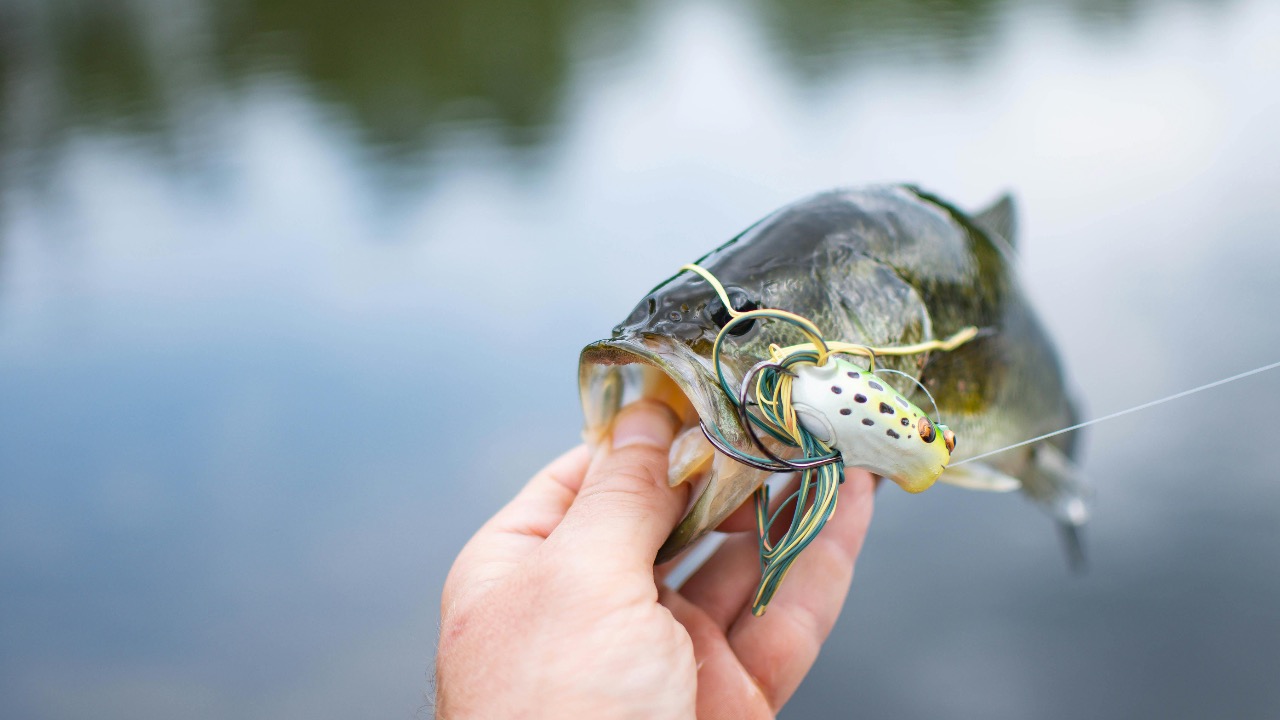
Broader lure roundups aimed at multiple species reinforce that advice. One multi-species guide notes that Topwater Lures, Use in low light or warm months when bass feed aggressively at the surface, can be especially effective during warm periods when fish are willing to travel vertically to strike. A summer-focused breakdown that starts with a Booyah Pad Crasher First positions hollow body frogs and other surface baits as ideal choices around matted vegetation and shallow cover during the hottest months.
Social media discussions among bass anglers show how strongly some anglers feel about these baits. One post listing top choices describes the WHOPPER PLOPPER as the Best topwater lure on the market, claiming that Bass absolutely destroy it and that it can be used by bass all year round in the right conditions. Product pages for modern topwaters emphasize casting distance, loud rattles, and durable finishes, such as a walking bait plug designed for long casts and loud surface commotion.
In a five lure kit, a single topwater plug can pull double duty. A popper can be worked slowly around docks at dawn, then walked quickly over submerged grass later in the day. A prop bait like the WHOPPER PLOPPER can cover long stretches of shoreline, while a frog can slide over matted vegetation where treble-hooked baits cannot go. Even if topwaters are more situational than jigs or worms, their ability to tempt big fish and reveal active zones on a lake makes them a valuable part of a streamlined selection.
How Experienced Anglers Narrow Their Five
While the five categories above appear again and again, individual anglers often tweak the exact mix based on their home waters and confidence. One seasoned angler who recorded a video titled 5 Lures that OUTPERFORM The Rest explained that he focuses on the only five bass lures that you need and encouraged viewers to stop chasing every new trend and instead learn how to present a small set of baits effectively. Another video on 5 Lures I Choose for Bass Fishing New Water describes how a pro selects a handful of lures when visiting an unfamiliar lake, prioritizing options that let him see what is going on with the bottom, the water clarity, and the mood of the fish without wasting time.
Hank Parker’s own list of the 5 Best Bass Lures includes a plastic worm, a jig, a spinnerbait, a crankbait, and a topwater, which lines up closely with the categories already discussed. He emphasizes that You cannot go without those and that if he is limited to five, that is going to be the baits he carries. That kind of overlap between a long-time professional and modern content creators suggests that the core five categories have held up across decades of lure innovation.
Regional guides add local nuance without changing the core structure. A pond-focused breakdown recommends crankbaits, soft plastics, and topwaters for a specific body of water, while a lake guide for Smith Mountain Lake highlights Crankbaits as effective year-round and suggests varying retrieve speed to trigger strikes. A summer-specific list that leads with a Booyah Pad Crasher First then layers in other topwaters, jigs, and plastics for hot weather, again using the same core categories but adjusting the order for seasonal conditions.
Reading Conditions With A Limited Tackle Box
Carrying only five lure types does not mean fishing blindly. Experienced anglers use each category as a tool to read conditions and refine their approach. A crankbait or bladed jig can be used early in the day to cover water quickly and check for active fish, with hard bait buyer guides explaining that with the ability to cover a lot of water quickly, these baits are great for creating reaction strikes and can be effective in a variety of depths nearly year-round. Once a few bites reveal a depth range or piece of structure, anglers can switch to a jig or worm to slow down and pick apart the area.
Discussions about how many lures are truly necessary stress that mastering a few presentations helps anglers interpret feedback from the fish instead of second-guessing lure choice. When a spinnerbait or bladed jig draws short strikes, for example, that may signal the need for a follow-up soft plastic. If a crankbait keeps ticking the tops of submerged grass without getting bit, that might prompt a change to a lipless version that can be ripped free or a swim jig that can glide through more cleanly.
Seasonal patterns also guide how the five lures are used. Forum posts on Best Bass Lures Per Season highlight that jigs and soft plastics are the Year around lures Are, then suggest adding crankbaits, spinnerbaits, spoons, tail and under spins as conditions dictate. In cold water, anglers may lean more heavily on jigs and worms, while in summer they might rely more on topwaters and moving baits like spinnerbaits and crankbaits. The key is that each of the five categories has at least one seasonal window where it shines, which keeps a small tackle kit from feeling limiting.
Examples Of Specific Models That Fit The Five
Within each category, certain modern lures have earned reputations as reliable producers. For jigs, many anglers favor compact flipping models that can slip through cover, and product listings for these baits often highlight heavy-duty hooks and weed guards, like the Berkley Swamp Lord that was Discovered in a citation trail from Untitled sources. For soft plastics, ribbed worms and creature baits with floating appendages are common choices, and buyers can find them in detailed online catalogs that show multiple sizes and colors tailored to different water clarities.
Crankbait selections often include a squarebill for shallow cover, a mid-depth plug, and a deep diver. One crankbait product listing showcases a deep running body style with realistic baitfish paint schemes, which fits neatly into the deep diver role in a five lure kit. Spinnerbaits and bladed jigs are available in countless combinations of blade shapes and skirt colors, but many anglers start with a white double willow spinnerbait and a green pumpkin bladed jig to cover clear and stained water.
For topwaters, the WHOPPER PLOPPER has become a staple for anglers who like a straight retrieve prop bait, while traditional poppers and walking baits remain favorites for those who prefer more cadence control. Social posts that rank the WHOPPER PLOPPER as the Best topwater lure on the market and claim that Bass absolutely destroy it show how a single model can earn a cult following. Meanwhile, pro anglers like Mike Iaconelli continue to rely on small poppers and walking baits as part of their deadly five, which keeps those classic designs in heavy rotation.
Adapting The Five To Different Waters
Even with a fixed set of categories, anglers adjust their exact five lures based on the type of water they fish most often. Those who spend time on clear highland reservoirs might lean toward natural shad and craw colors, finesse jigs, and subtle topwaters, while those who fish stained rivers may favor louder crankbaits, chartreuse spinnerbaits, and bulky jigs. Guides who focus on specific lakes, such as Smith Mountain Lake, stress that Crankbaits imitate baitfish or crawfish and can be effective year-round, but they also encourage anglers to experiment with retrieve speed and angle around local structure.

Leo’s been tracking game and tuning gear since he could stand upright. He’s sharp, driven, and knows how to keep things running when conditions turn.