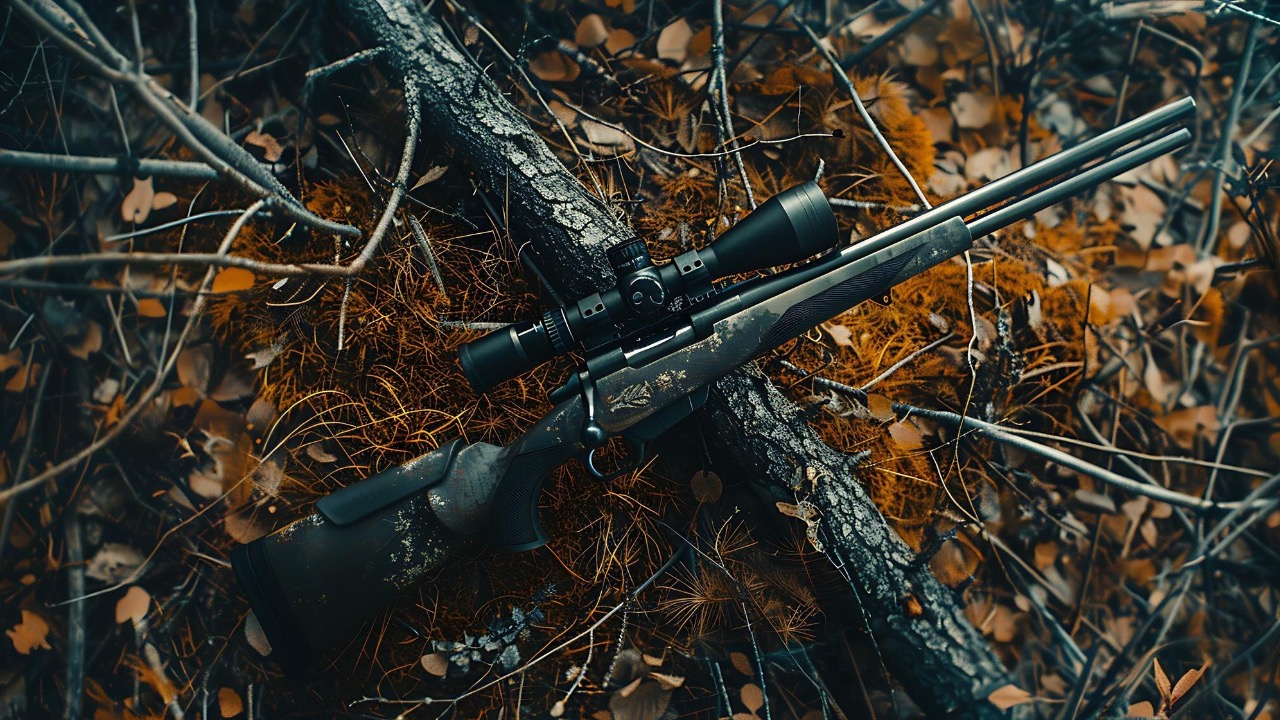
The firearms hunters trust after years in brutal weather
When hunters talk about rifles they trust, they’re thinking about mornings when ice coats the action, rain has soaked through every layer, and the only thing between them and a lost opportunity is whether the gun still runs. After years of that kind of punishment, a small group of rifles and shotguns keeps coming up in stories from guides, mountain hunters, and waterfowl diehards who work in the worst conditions. These are the firearms that keep cycling, keep shooting straight, and keep rust at bay when the weather tries to shut a hunt down.
Across those accounts, a pattern emerges. Hunters who live outdoors through entire seasons gravitate toward stainless or coated metals, synthetic stocks, sealed optics, and simple, proven actions. They pair that gear with disciplined maintenance and smart ammunition choices, building systems that survive brutal cold, salt spray, and weeks of neglect in camp trucks and boats.
What “all‑weather” really means in the field
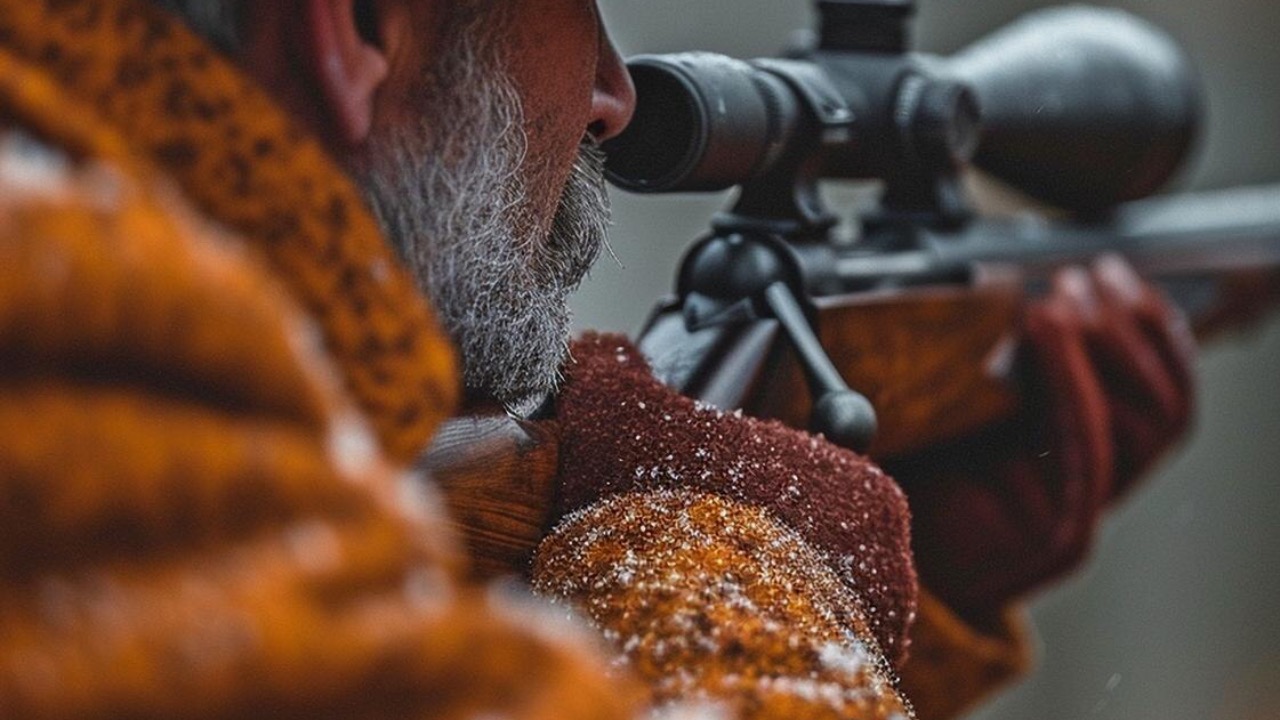
Marketing labels often promise all‑weather performance, but the definition in a catalog rarely matches what guides and serious hunters describe. For them, an all‑weather rifle is one that can ride in a scabbard through sleet, sit in a blind as temperatures swing from freezing to thaw, and still chamber a round without hesitation. That standard covers both mechanical reliability and resistance to corrosion.
Field reports describe rifles being dragged through mud, rained on for days, or carried in packs where condensation forms on cold metal every time a hunter steps into a warm tent. In coastal areas, salt spray adds another layer of abuse. Over time, the guns that keep working tend to share traits such as stainless or nickel‑treated steel, synthetic or laminated stocks that do not swell, and finishes that shed moisture instead of absorbing it.
Veteran hunters also emphasize that no amount of engineering can fully replace basic care. Even the best coatings will eventually give up if a firearm is put away wet and forgotten. That is why many seasoned hunters focus as much on how a rifle is built as on how easy it is to strip, dry, and reassemble after a long day in the elements.
Henry All‑Weather: a lever gun built for punishment
Among lever‑action fans, the Henry All series has become a reference point for durability in foul conditions. The manufacturer describes the Henry All‑Weather Lever Action as being Built for the outdoors, with a focus on performance after years of exposure to rain, snow, and grit. That design philosophy is laid out clearly in the model’s own Table of Content, which highlights how the rifle is tuned for extended exposure to the elements rather than occasional bad days.
To achieve that, the Henry All‑Weather uses specialized finishes on both metal and wood. Metal surfaces receive a corrosion‑resistant treatment that resists rust and pitting when moisture lingers on the action or barrel. The wood stock is sealed to prevent water from soaking in, then coated in a weatherproof finish that resists scratches and swelling. Together, those choices help the rifle maintain zero and smooth cycling even after repeated soakings and temperature swings.
Hunters who rely on lever guns in thick timber or brush value more than just rust resistance. They want a rifle that handles quickly when a shot window might last only seconds. The All‑Weather series keeps the familiar lever‑action handling that Henry is known for while adding the kind of finish that lets a hunter carry it on horseback, in a truck rack, or on an ATV without worrying about every scratch. That combination of classic form and hard‑use function is why the model appears so often in discussions of all‑weather hunting tools.
Weatherby Vanguard Backcountry and the mountain rifle trend
For hunters who climb steep ridges or cross alpine basins, weight and reliability matter as much as raw accuracy. The Vanguard Backcountry line from Weatherby targets that group directly. The rifle is built as a lightweight, pack‑friendly option with a weather‑resistant stock and metalwork designed to handle sudden storms and long carries in rough terrain.
The Backcountry series pairs the Vanguard action with synthetic stocks and protective finishes that resist moisture and abrasion. That approach aligns with Weatherby’s broader push toward mountain rifles, which is highlighted in coverage of how Weatherby targets mountain with Backcountry rifles and new magnum caliber offerings. The emphasis is on carrying a rifle that can be trusted when a stalk requires hours of climbing followed by a single, high‑stakes shot in thin air and shifting wind.
User feedback on the Backcountry platform often highlights how the rifles perform with premium ammunition. One owner notes that Hornady loads, referenced in the phrase Hornady’s out of, deliver the accuracy and terminal performance they expected from a rifle in this class. That kind of pairing between a corrosion‑resistant rifle and carefully chosen ammunition is common among hunters who face steep country and unpredictable weather.
Retailers that specialize in Weatherby products, such as those highlighted through Discovered Weatherby collections, often present the Backcountry family alongside other models that share similar design priorities. Lightweight stocks, stainless or coated barrels, and sealed actions are treated as baseline requirements rather than premium add‑ons for hunters who expect to be caught in mountain storms.
Modern bolt guns built for “all conditions”
Beyond specific mountain rifles, a broader category of modern bolt actions has emerged that are marketed explicitly for use in all conditions. These rifles usually combine stainless or carbon‑wrapped barrels, synthetic stocks, and adjustable triggers with weather‑resistant coatings. They are meant to serve as a single do‑everything rifle, from early‑season heat to late‑season blizzards.
Coverage of the best hunting rifles for all conditions highlights several examples that fit this pattern. One standout is the Savage 110 Ultralite camo, which blends the proven 110 action with a lightweight, weather‑tuned configuration. The article explicitly identifies the Savage 110 Ultralite camo model, underscoring how manufacturers now treat weight savings and environmental resilience as linked priorities rather than separate design goals.
Hunters who adopt such rifles often pair them with synthetic slings, sealed optics, and minimalist bipods to create systems that can be carried all day without fatigue. The goal is to maintain precision at distance while avoiding the swelling, warping, and rust that plagued older wood‑stocked, blued‑steel designs when they were exposed to days of rain or snow. By combining modern materials with long‑trusted actions, rifles like the Savage 110 Ultralite have become common choices for those who want one rifle to cover everything from pronghorn on dry plains to elk in sleet‑covered timber.
Shotguns that shrug off water and ice
Waterfowl hunters put firearms through some of the most punishing weather of any discipline. Guns ride in boats, lie across muddy blinds, and are constantly exposed to freezing spray and wet hands. In that environment, semi‑automatic shotguns with corrosion‑resistant parts and self‑cleaning gas systems have become the standard for serious duck and goose hunters.
One example that has drawn attention is the Mossberg 940 Pro Waterfowl. Coverage of new hunting guns highlights the Mossberg 940 Pro as a shotgun tailored to wet, cold conditions. The model incorporates a gas system designed to run for extended shot counts without cleaning, along with finishes that resist rust even when the gun is repeatedly soaked and then exposed to freezing air. For hunters who wade into flooded timber at dawn and stay until dark, those traits matter as much as pattern density.
Waterfowl guides often report that the shotguns they trust are the ones that can be hosed off at the end of a long day, wiped down quickly, and then put straight back into service the next morning. Synthetic stocks and fore‑ends, sealed internal parts, and corrosion‑resistant magazine tubes are common features on the models that survive multiple seasons of heavy use. The Mossberg 940 Pro Waterfowl fits squarely into that category, which is why it appears frequently in discussions of weather‑ready firearms.
Extreme weather and the .308 debate
Rifle choice is only part of the equation when hunts take place in deep cold or heavy moisture. Cartridge selection and ammunition construction also play significant roles. Among popular calibers, .308 Winchester often comes up as a versatile option that can handle a wide range of game and conditions. Hunters who plan for extreme weather, however, pay close attention to how specific loads behave in low temperatures and wet environments.
One detailed discussion of extreme weather .308 advice focuses on how ammunition construction affects reliability when moisture and temperature swings are constant. In that thread, experienced shooters highlight the benefits of nickel‑plated cases and sealed primers. A follow‑up comment singles out Nickel brass casing and nickel coated bullets with heavy duty sealant as ways to keep water out of the cartridge while maintaining consistent performance at a hunter’s desired maximum range.
Those recommendations reflect a broader understanding that cold temperatures can affect both powder burn rates and lubricant viscosity. Hunters who expect to shoot at longer ranges in sub‑freezing conditions often test their chosen loads in the cold, checking for changes in point of impact and velocity. Combined with rifles that have been proven to cycle smoothly when lubricants thicken, this approach helps ensure that a late‑season shot behaves exactly as it did during summer practice sessions.
How coatings, stocks, and design fight corrosion
Across rifle and shotgun categories, the firearms that survive years of harsh weather share several engineering strategies. First is the widespread use of stainless steel or treated carbon steel in barrels and actions. Stainless resists rust better than traditional blued finishes, while modern coatings add another layer of protection. Some manufacturers use nickel or similar treatments on internal parts to keep them from seizing when moisture finds its way into the action.
Stock material is another key factor. Traditional walnut can swell or shrink with moisture and temperature swings, which can shift point of impact or bind the action. Synthetic stocks, laminated wood, or sealed hardwoods avoid that problem. The Henry All‑Weather lever action, for example, relies on sealed wood and treated metal surfaces to stay stable after repeated exposure to rain and snow. The Vanguard Backcountry and similar mountain rifles lean heavily on synthetic stocks for the same reason, pairing them with bedding systems that keep actions firmly in place regardless of humidity.
Design simplicity also matters. Firearms with fewer small parts, generous clearances where debris might collect, and straightforward field‑stripping procedures are easier to keep running in the field. Lever actions, controlled‑round‑feed bolt guns, and gas systems tuned for dirty environments all show up repeatedly in hunters’ lists of trusted tools. Manufacturers that focus on harsh‑weather performance, such as those offering specialized lines of Whether facing extreme, tend to emphasize these design choices in their marketing and technical descriptions.
Maintenance rituals that keep guns alive
Even the most weather‑resistant firearm will eventually fail if it is never cleaned or dried. Experienced hunters develop maintenance routines that fit the realities of long seasons and remote camps. Those routines often focus less on full disassembly and more on quick, targeted steps that prevent moisture from turning into rust or ice.
Practical guidance on weather‑ready firearms stresses the importance of managing condensation. When a cold rifle is carried into a warm cabin or truck, moisture from the air condenses on the metal surfaces. A related tip explains that When your hunt and the shooter returns home, opening the action and standing the firearm in a corner to warm allows Frost to form on metal parts in a controlled way. Once the condensation appears, the recommendation is to wipe it off and apply a light protective oil, treating the metal to prevent corrosion before storage.
Many hunters in wet climates also carry small cleaning kits in their packs or trucks. These kits usually include a bore snake, a small bottle of oil, and a cloth for wiping down exposed metal. After a day of hunting in rain or snow, they run the bore snake through the barrel, wipe the exterior, and cycle the action several times to clear any water. That routine, repeated every evening, often makes the difference between a rifle that runs smoothly all season and one that starts to show rust by the second week.
Social media groups and forums devoted to specific brands or hunting regions, such as Weatherby communities highlighted through Discovered channels, frequently share photos and stories of rifles that have survived decades of hard use. In nearly every case, the owners credit a combination of solid design and consistent, simple maintenance rather than elaborate gunsmithing.
Digital communities and the shared playbook for bad weather
Hunters no longer rely solely on local mentors to learn how to keep firearms running in brutal weather. Online communities have become clearinghouses for hard‑earned lessons, gear failures, and success stories. Discussions about extreme weather performance often begin with a simple question but quickly turn into detailed threads that cover rifles, optics, ammunition, and maintenance in equal measure.
One example is the .308 weather thread mentioned earlier, where contributors trade specific load recommendations, such as nickel‑plated cases and sealed bullets, along with advice on zeroing at realistic field temperatures. Similar exchanges take place in brand‑focused groups, such as Discovered communities that revolve around particular manufacturers or regional hunting cultures. In those spaces, patterns emerge about which rifles and shotguns keep working year after year and which models struggle when exposed to freezing rain or coastal humidity.
Professional and corporate channels also play a role. A company presence like the Discovered profile for stock and chassis maker WOOX connects product designers with field users who can report how gear performs in real hunts. Feedback from guides and outfitters who spend entire seasons in the field often influences future design tweaks, such as more aggressive checkering on wet‑weather stocks or improved drainage around magazine wells.
Even platforms that are not dedicated to firearms, such as image‑driven boards and social feeds, contribute to this shared knowledge. Accounts tied to hunting brands, including Discovered social pages and feeds like Discovered or Discoveredboards, often showcase rifles and shotguns in real weather. Photos of snow‑covered bolt guns, mud‑splattered shotguns, and frozen blinds provide visual proof of which setups hunters actually carry when conditions turn ugly.
How guides and outfitters choose their workhorse guns
Guides and outfitters who spend entire seasons in the field tend to be unsentimental about gear. If a rifle or shotgun fails repeatedly, it is replaced. Over time, that process leaves them with a small stable of firearms that have proven themselves in rain, snow, and dust. Those workhorse guns often become the quiet benchmarks that other hunters look to when choosing their own equipment.
Interviews and reports from such professionals frequently highlight the same themes. They favor rifles with controlled‑round feed or highly refined push‑feed actions that can chamber rounds smoothly even when some grit has found its way into the system. They prefer shotguns with gas systems that keep running when fouled and with finishes that do not flake or rust after a few seasons of hard use. Models like the Mossberg 940 Pro Waterfowl and mountain rifles such as the Weatherby Backcountry series fit neatly into those preferences.
Guides also tend to standardize on calibers and loads that they know will perform in a range of temperatures. For big game, that often means cartridges like .308 Winchester or Weatherby’s own magnum offerings, paired with premium bullets that retain weight and expand consistently. For waterfowl, it means shotshells that pattern well in cold air and maintain velocity at typical decoy distances. In each case, the firearm and ammunition are treated as a single system that must function reliably when a client has only one chance at a trophy animal.
The quiet role of customer support and technical resources
Behind every rifle or shotgun that earns a reputation for weather resistance is a support structure that helps owners keep it that way. Technical resources, warranty service, and clear documentation all contribute to long‑term trust. Hunters who invest in premium all‑weather firearms expect not only durable coatings and smart design but also responsive help when something does go wrong.
Manufacturers that focus on harsh‑weather performance often back that commitment with detailed FAQs and service channels. Weatherby, for example, maintains dedicated support resources, including a Discovered FAQ hub that addresses common questions about their rifles and shotguns. Social channels like Discovered pages provide additional touchpoints where owners can share experiences and seek advice.
On the community side, platforms that host firearm discussions, such as Reddit, formalize their own data practices through policies like the Discovered privacy policy. While those documents focus on user information rather than ballistics or coatings, they frame the environment in which hunters trade advice about gear. Together with brand resources, they create a feedback loop in which real‑world performance stories influence future product development and purchasing decisions.
Why certain rifles keep rising to the top
After years of stories from blinds, ridgelines, and frozen marshes, a pattern is clear. The firearms that hunters trust in brutal weather are not always the flashiest or the newest. They are the ones that combine corrosion‑resistant materials, simple and reliable actions, and designs that are easy to maintain when conditions are miserable and time is short.

Leo’s been tracking game and tuning gear since he could stand upright. He’s sharp, driven, and knows how to keep things running when conditions turn.