Massive predators of North America and what actually happens when they clash
North America’s biggest carnivores inspire endless “who would win” debates, but the reality on the ground is less gladiator arena and more cold calculation. Massive predators survive by avoiding unnecessary risk, stealing food when they can, and fighting only when the payoff outweighs the chance of a crippling injury. When they do clash, size, numbers, habitat and even climate all shape the outcome.
Why giant predators rarely go all in
To understand what happens when apex hunters collide, it helps to start with their incentives. Large carnivores live on a tight energy budget. A serious wound can mean slow starvation, which is why one analysis of large predators describes them as “hypochondriacs” that avoid any fight that risks long term damage.
That risk calculus helps explain why most encounters between dominant hunters end with posturing, a quick theft of food, or simple avoidance. Even in Yellowstone, where grizzlies, wolves and cougars overlap, researchers describe a “lopsided” rivalry in which one species usually backs down rather than push a confrontation to the point of death. The result is a hierarchy built on intimidation and kleptoparasitism, the technical term for stealing another animal’s hard earned meal.
Grizzlies: heavyweight brawlers of the interior
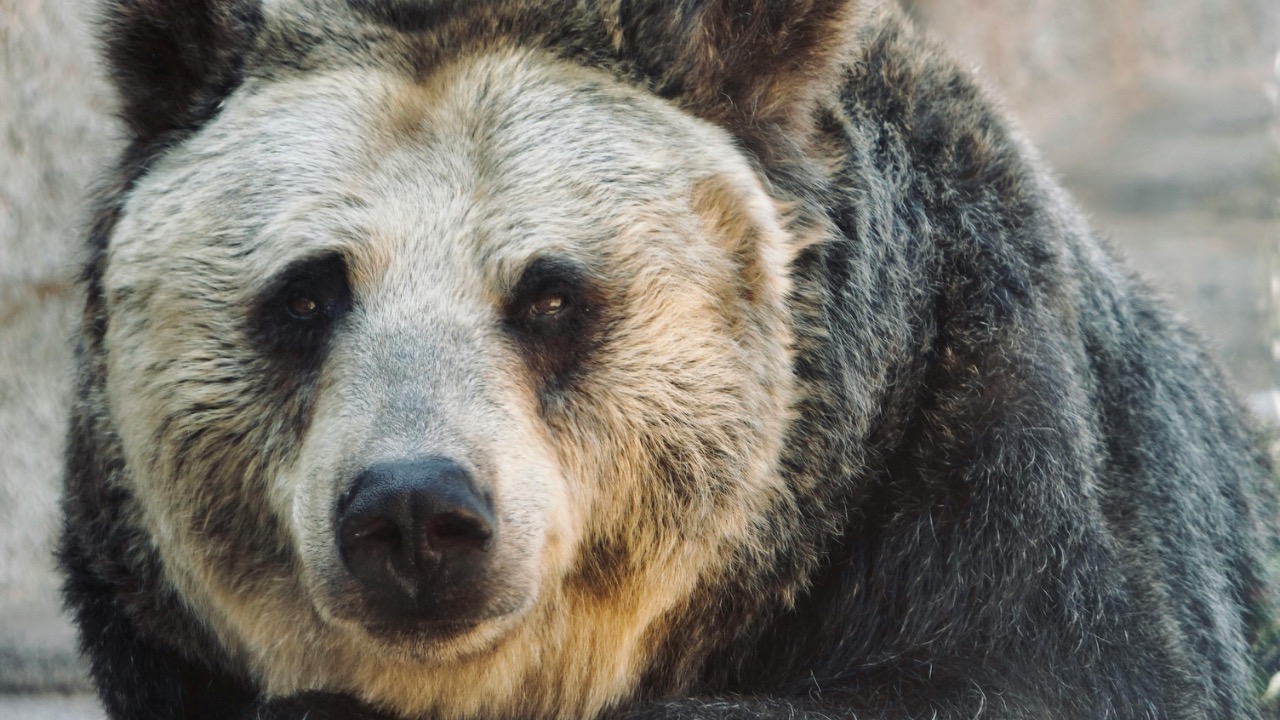
On land, the classic North American titan is the Grizzly Bear, a subspecies of brown bear built for power. Adult males can reach several hundred kilograms, with muscular shoulders and long claws suited to digging and fighting. Searches for grizzly bears emphasize their role as dominant omnivores that mix plant foods with meat and carrion.
Yet grizzlies are not invincible. A description of a hypothetical fight between a bear and a wolf cites a wolf at “6 ft, 450 lbs versus 10ft, 1500 lbs,” and notes that the kodiak is the largest grizzly type. The specific figures are exaggerated compared with typical wild wolves, but the comparison captures how much sheer bulk a big bear brings to any confrontation. That size lets a grizzly push other carnivores off a carcass with little more than a charge and a bluff.
Fatal attacks on humans remain rare. After a deadly incident in Banff, Grizzly specialists stressed that such events are exceptional, even though the risk always exists when people enter bear country. That reluctance to engage in risky violence extends to other predators as well.
Polar bears: Arctic specialists with crossover power
Far to the north, the Polar Bear is the largest land carnivore, a seal hunting specialist that rules sea ice. Searches for polar bears highlight their massive size, thick insulating fat and powerful limbs that double as paddles in icy water.
Compared with interior bears, polar bears are more strictly carnivorous. They rely on stealth and patience at seal breathing holes, yet they are also capable of tackling large prey such as walrus when desperate. That hunting style has led some commentators to argue that in a straight fight a polar bear’s stamina and killing technique might give it an edge over a similar sized brown bear. Others counter that inland Polar Bear Vs Grizzly Bear comparisons ignore how rarely such duels occur in nature.
Climate change is shifting that equation. As sea ice retreats, polar bears are spending more time on land, where they increasingly overlap with polar bears hybrids and brown bears. Hybrids known as pizzly or grolar bears have already been documented, and searches for pizzly and grolar bears describe offspring that blend traits from both species. These encounters are more about mating and competition for food than about staged battles.
Grizzly versus polar: the fantasy matchup and the real record
Online debates over who would win, polar or grizzly, have become a minor cottage industry. A detailed comparison of the two species’ size, bite force and claw length concludes that a very large polar bear might have a slight advantage in a neutral arena, while still stressing that both animals can “easily tear flesh from bone.” A separate analysis of which one would suggests that polar bears are more likely to walk away from a fight with a grizzly, yet also notes that researchers do not see frequent lethal clashes in the wild.
Informal accounts on forums and social platforms pull in scattered reports of actual fights. One Reddit discussion argues that “Yes, Polar Bears tend to beat Grizzlies, but its not a matter of ‘always’,” and points out that size overlap is significant. Another thread on who is the notes that the two species have produced fertile hybrids, which is strong evidence that they are closely related and behaviorally compatible enough to share territory without constant combat.
Even enthusiasts who argue strongly for one side often acknowledge that context matters. A polar bear on sea ice has home field advantage, while a grizzly in dense forest can use terrain and agility differently. Most real encounters likely end the same way that many wolf bear confrontations do, with one animal asserting dominance and the other retreating before the fight turns lethal.
Grizzlies and wolves: intimidation beats bloodshed
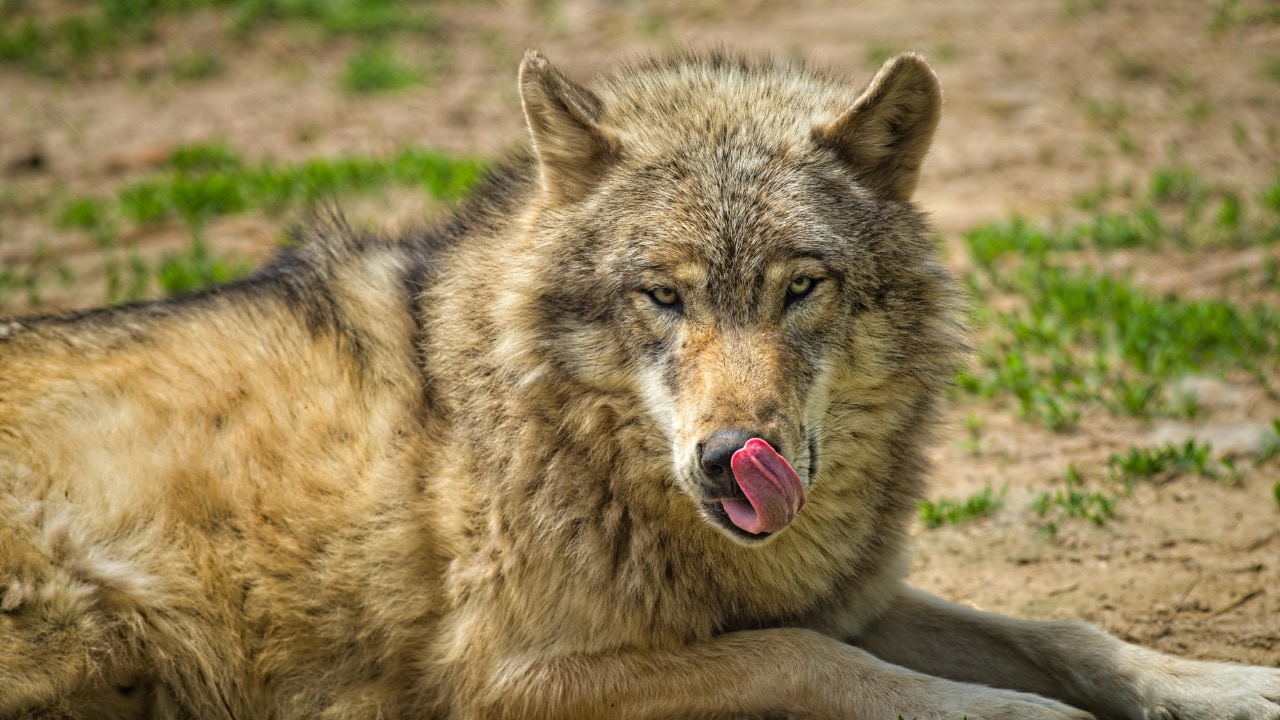
Nowhere is that pattern clearer than in Yellowstone, where grizzly bears and wolves share an elk rich landscape. A description of their interactions notes that “More grizzly bears are showing” up at wolf kills and that the bears often take over the carcass while wolves circle and harass. One biologist likens the wolves to “mosquitoes buzzing around the bear’s head,” and points out that individual “mosquitoes” cannot do much to a several hundred kilogram bear. That vivid analogy appears in coverage of Yellowstone Grizzly Bears.
Video from Yellowstone and other northern parks shows the same script. Wolves do the hard work of chasing and bringing down elk, then a grizzly arrives, charges once or twice, and claims the prize. The wolves protest at a distance and sometimes nip at the bear’s hindquarters, but they almost never escalate to a full pack attack. A social media post that starts “The interactions between top carnivores like wolves and bears are complex!” explains that more often than not, More grizzlies and wolves simply ignore each other or engage in brief stand offs over carcasses.
Even in thought experiments, pack advantage does not always translate into victory. A Quora contributor named Joshua Walters, described as a “Life long fan of wildlife” and “Author has 258 answers,” argues that in an average sized pack a group of wolves might eventually wear down a bear, but only at high risk to themselves. In nature, that kind of all out attack would be a poor trade for animals that depend on staying healthy through long winters.
Cougars and wolves: a quiet, unequal rivalry
If grizzlies dominate through size, cougars and wolves illustrate how predators with similar body mass sort out competition in quieter ways. Yellowstone currently holds “up to 45 cougars” and “around 130 g” gray wolves, according to a study that combined GPS tracking, kill site investigations and other analysis methods. That work, linked from coverage of Yellowstone and its predators, found that wolves routinely displace cougars from kills.
Another report on how cougars are learning to coexist with wolves explains that pumas have shifted their diet toward smaller prey and more rugged terrain. When wolves and cougars share the same ground, conflict tends to be one sided. A summary of their rivalry notes that “Wolves and cougars are locked in a strange feeding rivalry at Yellowstone” and that Wolves and their packs often push cougars off carcasses, while cougars rarely kill wolves in return.
Field work summarized in a report on how cougars and wolves compete confirms that Yellowstone is home to both predators, yet documented wolf cougar encounters skew toward wolves winning access to kills. Researchers found that cougars avoided areas with high wolf activity and that, in the data set, cougars did not kill wolves. The cats adjusted behavior instead, a quieter but effective way of surviving in a landscape dominated by packs.

Leo’s been tracking game and tuning gear since he could stand upright. He’s sharp, driven, and knows how to keep things running when conditions turn.