Calibers Hunters Swear By… But Shouldn’t
Every deer camp has a caliber that gets defended like family. Somebody’s uncle killed piles of game with it, somebody else read about it in a magazine years ago, and now it’s treated like gospel. The problem is that hunting conditions, bullet design, and expectations have changed. What worked passably decades ago often asks too much from modern hunters trying to make clean, repeatable kills. Shot angles are different, distances stretch, and patience runs thin when things go sideways. These are calibers that still get praised loudly, but when you look honestly at performance, forgiveness, and margin for error, they demand more compromise than most hunters should accept today.
.30-30 Winchester

The .30-30 earns respect for its history, but that reputation carries more weight than its performance. Inside 100 yards, it works fine. Past that, trajectory and energy fall off quickly, forcing you to pass shots you could take confidently with modern cartridges.
You end up judging distance constantly, worrying about drop, and limiting yourself to perfect broadside angles. It’s not unreliable, but it offers little forgiveness. Hunters swear by it because it worked once or twice, not because it consistently handles real-world conditions. When terrain opens up, the .30-30 turns into a self-imposed handicap.
.243 Winchester
The .243 is often defended as “enough gun,” and on paper it can be. In practice, it demands careful bullet choice and disciplined shot placement every time. Light-for-caliber bullets shed energy fast and don’t tolerate poor angles.
You find yourself waiting for ideal presentations while better cartridges would already be doing the job. Wind drift becomes a real issue past moderate distances, and blood trails can be thin. Hunters swear by the .243 because recoil is mild, but that comfort often comes at the cost of margin when things aren’t perfect.
.25-06 Remington
The .25-06 gets praised for flat shooting, but that reputation ignores how picky it can be. Bullet selection matters more than many admit, and penetration on larger-bodied deer can be inconsistent with lighter projectiles.
It performs well under ideal conditions, yet struggles when shots aren’t clean broadside opportunities. Wind drift and limited bullet weight options reduce confidence as distances stretch. Hunters swear by it because it shoots fast and looks good on a range card, but real animals don’t always cooperate like steel targets do.
.270 Winchester
The .270 has filled freezers for decades, but loyalty often replaces honest evaluation. It shoots flat, but recoil and muzzle blast discourage practice for many hunters. That leads to missed opportunities more than people admit.
Heavier bullets help penetration, but they blunt the very trajectory advantage people brag about. Lighter bullets can limit performance on tougher angles. Hunters swear by the .270 because it’s familiar, not because it offers the best balance of shootability, bullet selection, and forgiveness compared to newer options.
.35 Remington

The .35 Remington survives on nostalgia and short-range success stories. Its slow velocity and arcing trajectory make distance estimation critical, and wind can push bullets more than expected.
You’re locked into close-range hunting whether you want to be or not. When terrain opens up, confidence drops fast. Hunters swear by it because it hits hard up close, but they overlook how limiting it becomes outside thick timber. Modern cartridges do the same job with fewer restrictions and better consistency.
.45-70 Government
The .45-70 gets defended loudly, especially by hunters who like authority at the muzzle. The problem is how quickly that authority fades with distance. Drop is dramatic, wind matters, and follow-up shots take time.
You’re forced into range limits that don’t always match real hunting situations. While it works well up close, it leaves little room for error beyond that. Hunters swear by it because of tradition and power, but power alone doesn’t make a cartridge practical across varied terrain.
.22-250 Remington
Some hunters push the .22-250 into deer territory, and it’s often justified with perfect-shot stories. That’s the issue. It only works well when everything goes exactly right.
Light bullets offer minimal penetration and little forgiveness on angled shots. Wind drift and energy loss stack up fast. Hunters swear by it because it shoots flat and feels easy to handle, but the margin for error is thin. Ethical kills demand more consistency than this cartridge reliably provides.
.257 Roberts
The .257 Roberts has a loyal following that leans heavily on its manners and accuracy. What gets ignored is how limited bullet selection and velocity really are by modern standards.
It performs well on calm days with good angles, but struggles when wind, distance, or heavier-bodied deer enter the picture. Hunters swear by it because it’s pleasant to shoot, not because it excels when conditions deteriorate. Comfort doesn’t replace capability when decisions matter.
6.5×55 Swedish
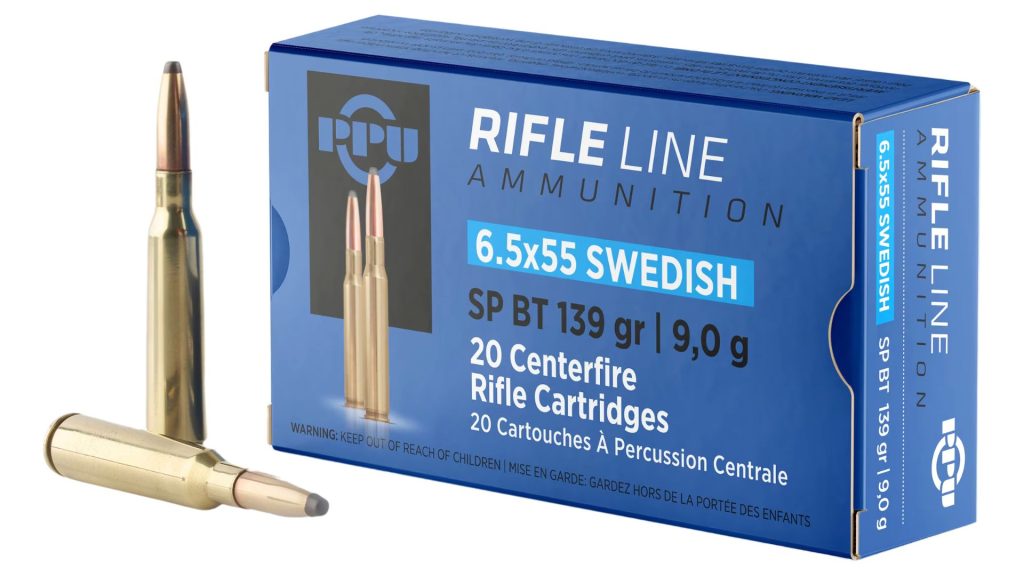
The 6.5×55 has a strong reputation built on history and sectional density. In older rifles, velocities are often lower than advertised, and that affects performance at distance.
Modern bullets help, but you’re still dealing with a cartridge that requires careful load selection and realistic expectations. Hunters swear by it because it’s proven, but that proof comes with caveats. Plenty of modern cartridges deliver similar penetration with flatter trajectories and fewer compromises.
.300 Savage
The .300 Savage sits in an awkward middle ground. It promises .30-caliber performance but lacks the velocity and reach hunters often assume it has.
Energy drops faster than expected, and trajectory limits shot distance more than many realize. Hunters swear by it because it sounds powerful and worked well in classic rifles. In real hunting scenarios, it doesn’t offer meaningful advantages over modern alternatives that shoot flatter and hit harder at range.
.32 Winchester Special
The .32 Winchester Special is rarely questioned by those who use it, mostly because few still do. Ballistics are unimpressive, and ammo options are limited.
You’re confined to short ranges and ideal shot angles, with little room for adjustment. Hunters swear by it because it’s familiar and inherited, not because it performs well by modern standards. Nostalgia doesn’t improve penetration, trajectory, or consistency when conditions aren’t ideal.
.280 Remington
The .280 Remington is often defended as misunderstood, but availability and support have always held it back. Factory ammo choices can be limited, and performance overlaps heavily with better-supported cartridges.
You gain little that others don’t do more easily. Hunters swear by it because it feels like a hidden secret, but practicality matters more than uniqueness. When ammo, rifles, and bullet options are considered, the .280 asks more effort without delivering clear advantages in return.

Asher was raised in the woods and on the water, and it shows. He’s logged more hours behind a rifle and under a heavy pack than most men twice his age.