The guns that earned their reputation for absolute reliability
Spend enough time around rifles and shotguns and you start to notice something: some guns develop a reputation that sticks for decades. Not because of marketing, but because they keep working when conditions are ugly and maintenance gets neglected. Mud, dust, cold mornings, cheap ammo—some firearms shrug it off and keep running.
If you hunt hard or spend serious time on the range, reliability stops being a talking point and becomes the one trait that matters most. These are the guns that have earned trust through years of real use. They’ve been carried in trucks, dragged through rain, and fired thousands of times without complaint. When you pick one up, you know it will fire when you pull the trigger.
Below are several guns that built that reputation the old-fashioned way: by working when everything else struggled.
Browning Auto-5
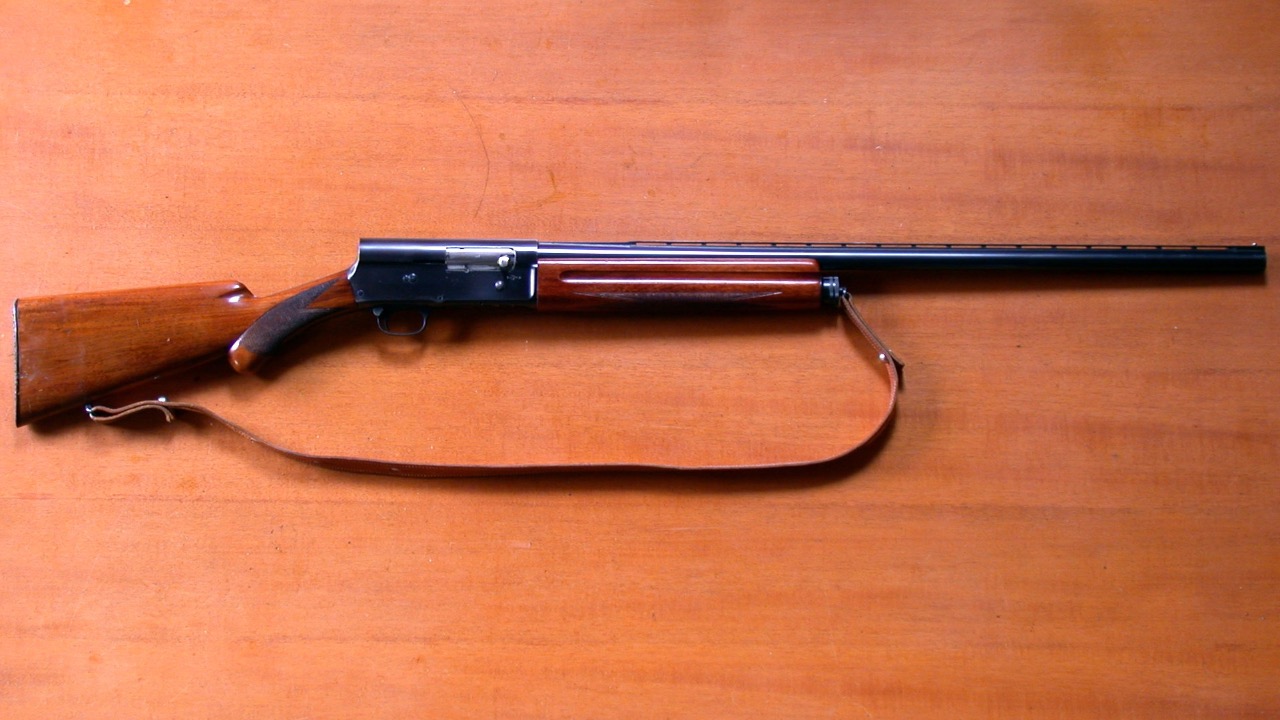
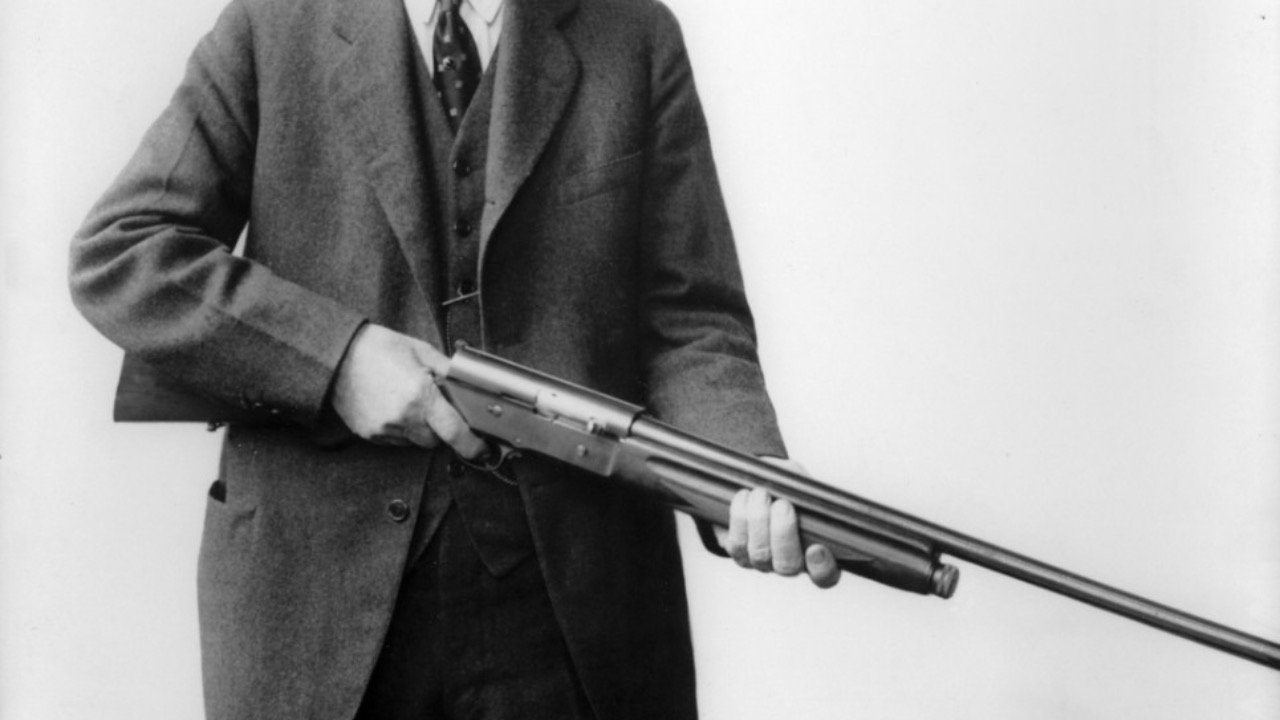
The Browning Auto-5 has been running reliably since the early 1900s, and that long-recoil system deserves most of the credit. Designed by John Browning, it cycles by allowing the barrel and bolt to travel together before separating, which gives it the power to handle a wide range of loads.
Out in the field, that design proved incredibly dependable. Waterfowl hunters carried these shotguns in cold marshes where ice, mud, and grit were common companions. Even with minimal cleaning, many Auto-5s kept cycling long after other semi-autos started choking. The recoil can feel different compared to modern shotguns, but reliability was never the issue. If you kept shells in the magazine, the Auto-5 almost always delivered the next shot.
CZ 527
The CZ 527 never became a household name, but experienced shooters know how dependable it is. Built around a mini Mauser-style action, it uses controlled-round feeding that grabs the cartridge as it leaves the magazine and guides it cleanly into the chamber.
In practical use, that system shines when conditions aren’t ideal. Dust, cold weather, or awkward shooting positions rarely interfere with feeding. The bolt cycles smoothly and the extractor is strong enough to deal with stubborn cases. Hunters who carried the 527 for varmints or small game often noticed the same thing: it kept running with very little drama. It may not have flashy marketing behind it, but reliability is exactly why the rifle built such a loyal following.
Benelli M2
The Benelli M2 is one of the most dependable semi-automatic shotguns ever put into the field. Instead of using a gas system, it relies on Benelli’s inertia-driven action. That design keeps the internal parts cleaner because it isn’t venting gas into the mechanism.
For hunters and competitive shooters, that means fewer problems during long days of shooting. The M2 handles rain, dust, and heavy use without needing constant maintenance. Many waterfowl guides have put tens of thousands of shells through these guns, and the story is usually the same—they keep cycling. As long as you shoulder it firmly and feed it decent ammunition, the M2 runs with impressive consistency.
Ruger No. 1
Single-shot rifles don’t get much attention today, but the Ruger No. 1 built a reputation around dependability. With no magazine, feed ramp, or complex bolt assembly, there are fewer parts that can cause problems. The falling-block action locks up solidly and fires with remarkable consistency.
In the field, that simplicity becomes an advantage. Hunters who carried a No. 1 for elk, bear, or plains game rarely worried about malfunctions because the system is so straightforward. Load a cartridge, close the lever, and the rifle is ready. The design also handles powerful cartridges comfortably, which helped the rifle earn respect among big-game hunters who value absolute confidence in their equipment.
Marlin 336
The Marlin 336 has been riding in pickup trucks and saddle scabbards for generations, and reliability is the main reason. Its lever-action system feeds cartridges directly from the tubular magazine into the chamber with a short, efficient motion.
Hunters who spend time in thick timber often rely on the 336 because it works in rough conditions. Rain, dust, and pine needles don’t seem to bother it much. The solid-top receiver also keeps debris out of the action better than many older lever designs. Over decades of deer seasons, the rifle proved something important: when you cycle the lever and line up the sights, it’s going to fire.
Tikka T3
The Tikka T3 earned its reputation quietly, through consistent performance in hunting camps and on ranges across the country. The bolt is famously smooth, but the reliability goes deeper than that. The feeding system handles a wide range of ammunition without hesitation.
Cold-weather hunters appreciate how well the T3 functions when temperatures drop. The action stays slick, and the detachable magazine feeds cartridges cleanly even with gloves on. Many rifles can shoot accurately at the range, but reliability in rough hunting conditions is another story. The Tikka T3 built its reputation because it continues working when weather and terrain start testing everything you carry.
Mossberg 500
The Mossberg 500 pump shotgun has been around since the 1960s and earned trust through sheer durability. Its twin action bars help keep the pump stroke smooth and prevent binding during rapid cycling.
For hunters, the shotgun’s reliability shows up during tough seasons. Muddy duck blinds, dusty upland fields, and freezing mornings don’t seem to stop it. The controls are easy to operate with gloves, and the action keeps feeding shells even after heavy use. It may not be fancy, but the Mossberg 500 has proven itself for decades as a shotgun that keeps firing when you need it.
Browning BLR
Lever-action rifles usually struggle with high-pressure cartridges, but the Browning BLR changed that reputation. Its rotating bolt locks into the barrel in a way that resembles modern bolt actions, allowing it to handle cartridges normally reserved for bolt rifles.
That design also contributes to its dependability. The detachable magazine feeds cartridges cleanly, and the action cycles with consistent force. Hunters using the BLR for elk, deer, and black bear often mention how smoothly it runs under pressure. When you’re working the lever quickly during a follow-up shot, the rifle keeps feeding and firing without hesitation.
Weatherby Mark V
The Weatherby Mark V was designed with strength and reliability in mind. Its multi-lug bolt locks securely into the receiver, allowing it to handle extremely high-pressure cartridges without issues.
In the field, that strong action translates into dependable performance. The bolt lift is short, which makes cycling faster and more controlled during follow-up shots. Hunters using the Mark V in harsh environments—mountain hunts, dusty plains, or wet forests—often report the same experience. The rifle continues feeding, extracting, and firing even when conditions are far from ideal.
Browning BAR (Hunting Rifle)
The Browning BAR hunting rifle built its reputation through decades of dependable semi-automatic performance. While semi-auto rifles can sometimes struggle with reliability, the BAR’s gas system has proven extremely consistent.
Deer hunters across North America have relied on these rifles for years. They cycle a wide range of hunting ammunition smoothly, and the action remains dependable even after long seasons of use. When a second shot is needed quickly, the BAR delivers it without hesitation. For many hunters who want semi-auto speed without sacrificing reliability, this rifle earned its place through years of dependable field use.

Asher was raised in the woods and on the water, and it shows. He’s logged more hours behind a rifle and under a heavy pack than most men twice his age.