9 Rifles hunters wish they hadn’t passed down
Every hunter I know has at least one rifle they wish they had never let leave the safe. Rifles that looked outdated, heavy, or boring at the time can turn into the guns we miss the most once they are gone, especially when the next generation does not really want them. Here are nine types of rifles hunters often regret passing down, and why hanging on to them a little longer might be the smarter move.
1. Grandpa’s beat-up pre-64 Winchester Model 70
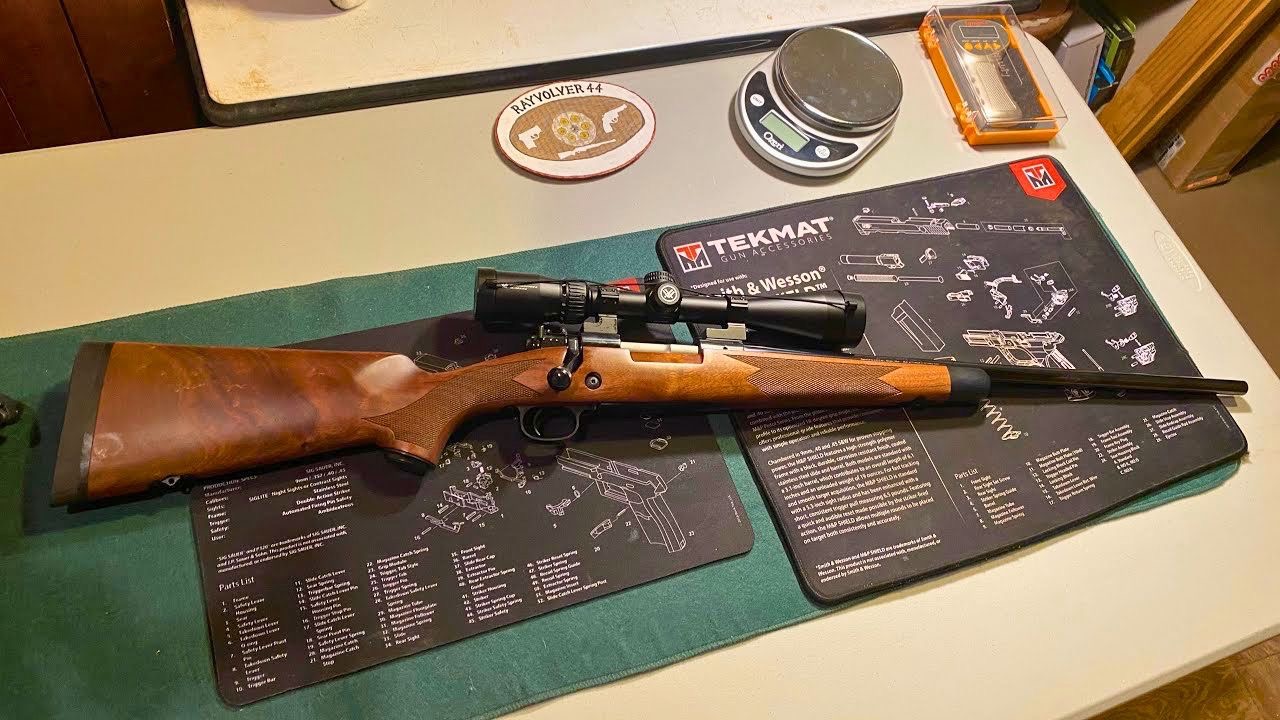
The old pre-64 Winchester Model 70, especially in .30-06 or .270, is the classic “ugly duckling” that gets handed off too soon. The stock is usually dinged, the bluing is thin, and the scope is older than the kid inheriting it. On paper, it looks like the perfect candidate to pass down and replace with something lighter and newer. Then the owner realizes that rifle has a controlled-round-feed action, a smooth bolt, and a trigger that breaks like glass, and suddenly the regret sets in.
Collectors and serious hunters know those pre-64s are not only historically important, they are also incredibly reliable in bad weather and rough country. When a hunter gives one away before the next generation is ready to appreciate it, that rifle often ends up in a closet or traded off for a budget AR. The real loss is not only monetary value, but the proven accuracy and field confidence that took decades to build.
2. The “boring” Remington 700 that stacked deer
Plenty of hunters look at an old Remington 700 ADL or BDL and see a plain, mass-produced bolt gun that has “had its time.” After a few decades of dragging it through the woods, they decide to pass it down and chase something trendier. Only later do they remember that this was the rifle that always printed tight groups with factory ammo and never failed to feed, even when the bolt was gritty with frozen mud. That kind of trust is hard to replace once it is gone.
When the hand-me-down 700 goes to a kid who is more interested in a modern chassis rifle, it can end up neglected or modified beyond recognition. The original owner then finds himself trying to tune a new rifle that never quite matches the old one’s consistency. Like a viewer who finishes a much-hyped second season and thinks, “I wish I had not bothered,” a hunter can look at a new purchase and realize the upgrade was not worth it compared with the rifle he let go.
3. The heavy-barreled .22 that taught everyone to shoot
That old heavy-barreled .22 bolt gun, often a Savage, CZ, or older Remington, is usually the first rifle to get passed down. It seems logical, since it is “just a .22” and perfect for a young shooter. The problem is that these rifles are often the most accurate guns in the safe, with triggers that break clean and barrels that stay consistent for thousands of rounds. Once it is gone, the original owner realizes he lost his best practice rifle for off-season trigger time and small-game hunts.
Serious riflemen know that confidence at longer ranges starts with rimfire fundamentals. A .22 that will print tiny groups at 50 yards is the perfect tool for working on wind calls, positions, and follow-through without burning expensive centerfire ammo. When that rifle gets passed down before the next generation is really committed to shooting, it can sit unused, and the original owner ends up trying to replace it with something that never feels quite as steady on the bags.
4. The “obsolete” .35 Remington lever gun
Lever guns in .35 Remington, especially old Marlin 336s, often get labeled as obsolete when hunters move toward flatter-shooting cartridges. The rifle might be heavy, the finish worn, and the iron sights a little crude. That makes it an easy candidate to hand off to a younger relative who wants a “woods gun.” Only later does the owner remember how that .35 Rem hit like a hammer inside 150 yards and cycled smoothly in thick brush where bolt guns snagged on every branch.
As ammunition options shrink for older cartridges, the person who inherited the rifle may not want to chase down boxes of .35 Remington, so the gun ends up parked in a safe. Meanwhile, the original owner is left trying to find a modern rifle that carries as well, points as naturally, and hits as hard on close-range deer and black bear. The regret is not only about nostalgia, it is about losing a tool that was perfectly tuned for a specific kind of hunting that newer rifles do not always handle as well.
5. The stainless .338 that only came out for big trips
Many hunters own one “big trip” rifle, often a stainless synthetic .338 Winchester Magnum or similar, that only comes out for elk, moose, or western hunts. Because it spends most of its life in the safe, it can feel like an easy rifle to pass down when a younger hunter starts talking about going west. The mistake is forgetting how dialed-in that rifle is with a specific load, and how much confidence it brings when a once-in-a-decade tag finally lands.
When that stainless .338 leaves, the original owner often ends up scrambling to set up a new rifle right before a major hunt. Breaking in a barrel, finding a load, and confirming drops at distance takes time and money. If the younger hunter is not yet serious about those big trips, the rifle may never see the mountains it was built for. The stakes are high, because when you are staring at a bull across a canyon, you want the rifle you already know, not the one you are still learning.
6. The single-shot that forced careful shooting
Single-shot rifles, whether a Ruger No. 1 or a break-action Handi-Rifle, often get passed down as “starter guns.” They are safe and simple, so adults feel good about handing them to kids. What they forget is how those rifles forced them to slow down, pick their shots, and make the first one count. Once the single-shot is gone, many hunters drift toward fast follow-up rifles and notice their shot discipline slipping over time.
There is a mental edge that comes from hunting with one round in the chamber and no quick backup. It changes how you stalk, how close you get, and how carefully you read the wind. When that rifle is handed off before the next generation is ready to hunt that way, it can turn into a novelty instead of a teacher. The original owner then finds himself missing the calm focus that single-shot carried into every season.
7. The “cheap” truck gun that never failed
Almost every seasoned hunter has owned a so-called truck gun, usually a beat-up bolt or lever rifle that lives behind the seat. It might be a budget Savage, Mossberg, or older Winchester that nobody worried about scratching. Because it looks rough and cost less than the pretty walnut rifle in the safe, it is often the first to be passed down or traded away. Only later does the owner realize that this was the rifle that always rode along, always worked, and never cared about dust, rain, or snow.
When that truck gun is gone, the replacement is usually something nicer that the owner hesitates to leave in the vehicle or bang around on gates and fence posts. That changes how often he has a rifle handy when coyotes pop out or a quick evening hunt opens up. The regret comes from losing a tool that fit the real, messy way people hunt and work, not the polished version that shows up in catalog photos.
8. The oddball caliber that suddenly got popular
Rifles chambered in oddball cartridges, like 6.5×55 Swedish, .257 Roberts, or 7×57 Mauser, used to be easy to give away. Ammunition could be hard to find, and newer cartridges seemed to do the same job with more factory support. Many hunters passed these rifles down thinking they were clearing out dead weight. Then the long-range and “classic cartridge” trends picked up, and suddenly those old chamberings started looking smart instead of outdated.
When the market swings back toward efficient, moderate-recoiling rounds, the hunter who let that oddball go realizes he gave away a rifle that fits modern thinking better than the magnums he kept. The younger relative who inherited it might not reload or care about its history, so the rifle sits unused while its value and reputation climb. That is a tough pill to swallow when you start seeing similar rifles bringing strong prices and renewed respect.
9. The custom Mauser that never got finished right
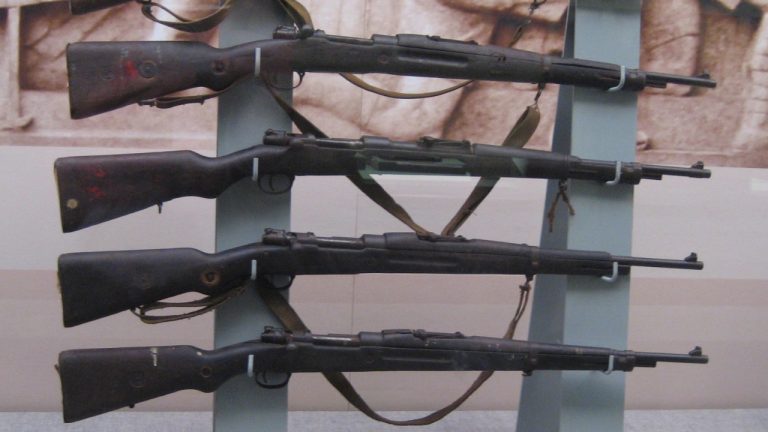
Custom Mauser builds, often based on surplus actions, can be frustrating projects. Maybe the stock never fit quite right, the bluing was uneven, or the gunsmithing took longer than expected. After years of tinkering, some hunters give up and pass the rifle down, figuring they are done sinking time and money into it. Only later do they realize that with a little more work, that Mauser could have been the smoothest, most personal rifle they owned.
Once it is gone, the original owner loses not only the action and barrel, but also the chance to finally get the stock bedding, trigger, and sights exactly where he wanted them. The person inheriting the rifle may not have the same patience or vision, so the project stalls again. For the hunter who started it, the regret is about more than steel and wood, it is about walking away from a rifle that could have carried his own story forward instead of ending up half-finished in someone else’s rack.

Asher was raised in the woods and on the water, and it shows. He’s logged more hours behind a rifle and under a heavy pack than most men twice his age.