State Approves Predator Reintroduction After a Century — Supporters Call It Historic
When a state signs off on bringing back a top predator after roughly a hundred years, it’s never a small decision. You’re talking about reshaping wildlife management, land use, and rural economics all at once. Supporters frame it as correcting a historical wrong. Critics see it as inviting conflict back onto working landscapes.
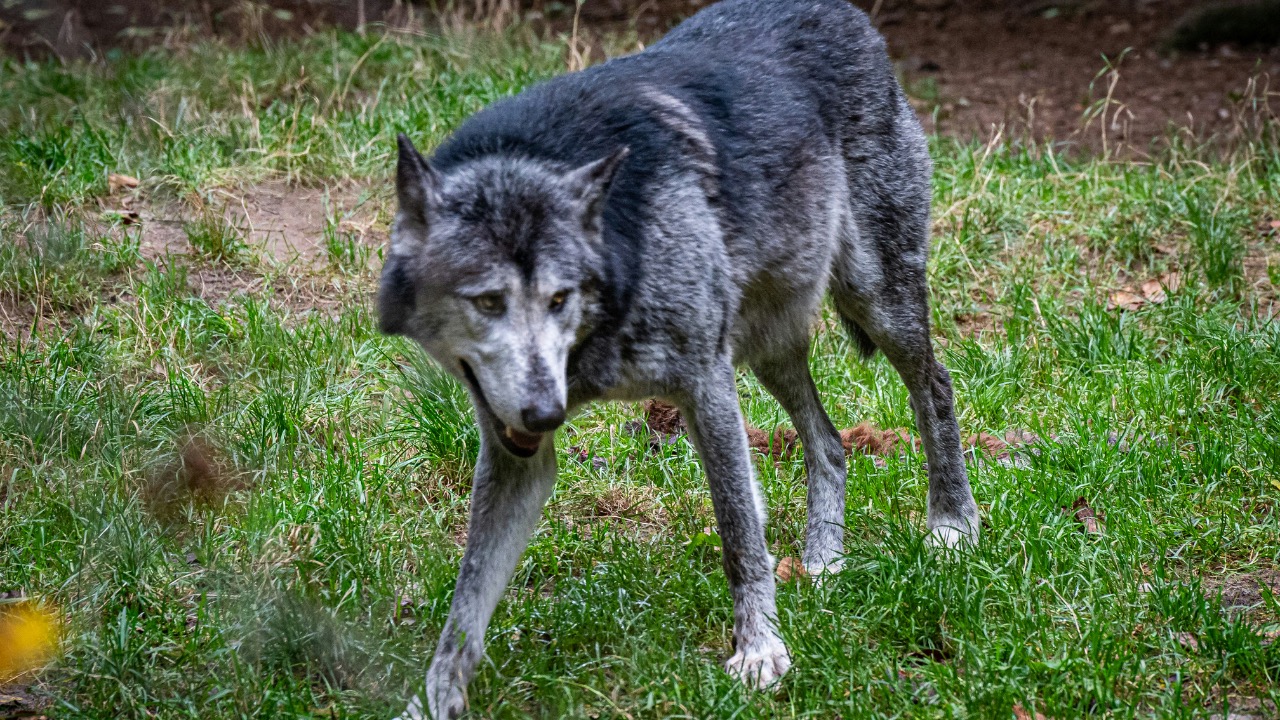
You’ve seen this story play out before in places like Colorado, where voters approved wolf restoration in 2020, and decades earlier in Wyoming and Montana after gray wolves were restored to Yellowstone National Park. Every reintroduction carries local wrinkles, but the themes are familiar: ecology, livestock, politics, and the question of who gets a say.
A Long-Awaited Ecological Reset
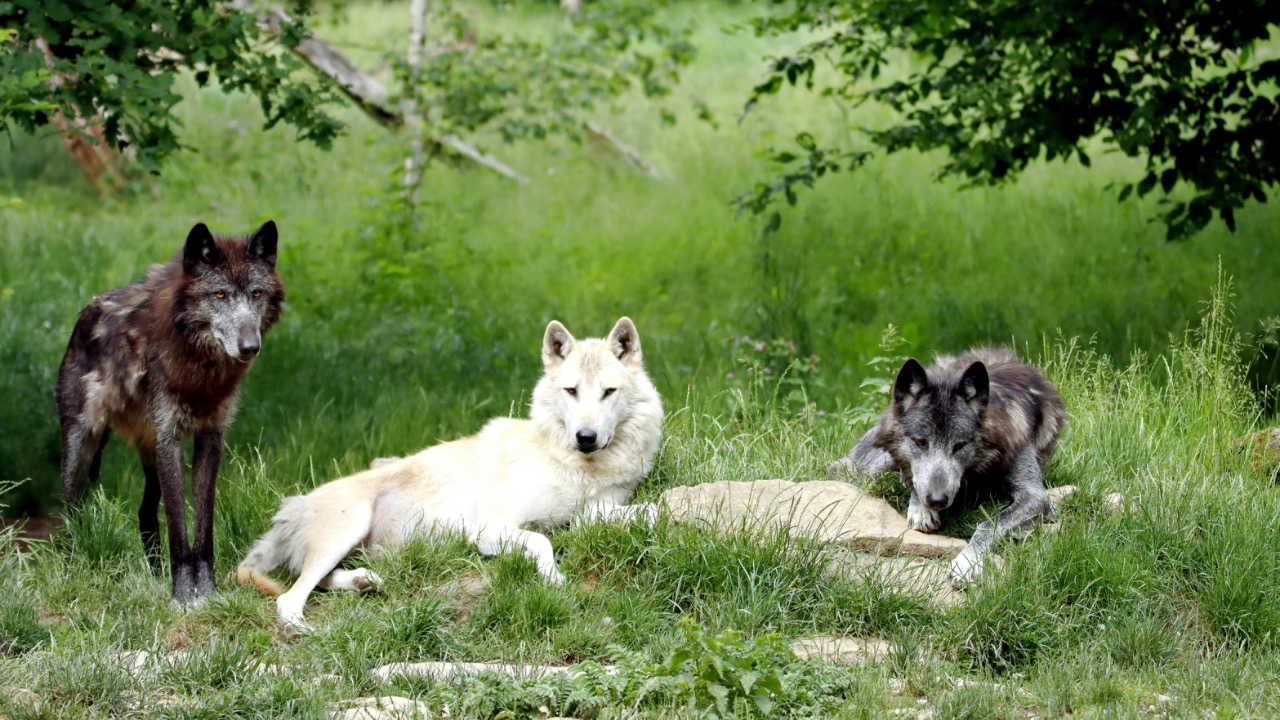
Supporters argue that removing apex predators a century ago set off ripple effects you still see today. Without wolves or other large carnivores, deer and elk populations expanded into areas they once used more cautiously. Over time, that pressure altered vegetation, streambanks, and even bird habitat.
You don’t need to look far for an example. After wolves were reintroduced to Yellowstone in the mid-1990s, researchers documented shifts in elk behavior and measurable changes to willow and aspen growth. Advocates believe a similar correction can unfold here, though they’re careful to note that ecosystems rarely rewind neatly. Restoration is about influence, not turning back the clock.
Ranchers Brace for Real Costs
For livestock producers, this decision isn’t academic. Predators don’t recognize fence lines or grazing allotments. Even a small number of animals can create losses, stress herds, and force changes in how cattle or sheep are managed.
States that have moved forward with reintroduction typically build compensation programs for confirmed depredations. Colorado’s wolf plan includes reimbursement and funding for nonlethal deterrents. Still, you know compensation rarely covers the full impact, especially indirect losses like weight decline or reduced conception rates. Ranchers who’ve lived through earlier predator returns in the Northern Rockies warn that coexistence requires constant vigilance and added expense.
Hunting Seasons Enter Uncertain Territory
If you’re a hunter, you’re probably wondering how this affects deer and elk tags. Predator restoration doesn’t automatically collapse ungulate numbers, but it does change herd dynamics. Calf survival, winter distribution, and migration routes can all shift once a top carnivore is back on the landscape.
Wildlife agencies usually respond with tighter monitoring and, in some cases, adjusted quotas. After wolves returned to the Greater Yellowstone area, elk numbers declined in certain units while stabilizing in others. You may see similar unit-by-unit management here, with biologists relying on collar data and harvest statistics to steer decisions rather than broad assumptions.
Urban Votes, Rural Consequences
One of the more charged aspects of modern predator reintroduction is how the decision gets made. In Colorado, wolves were approved through a statewide ballot initiative. Urban voters carried the measure, while many rural counties voted against it. That divide still shapes the conversation.
You’re likely to see similar tensions in any state considering or approving restoration. People who don’t run livestock or guide hunters often view predators through an ecological or cultural lens. Those who make a living off the land see daily operational realities. Bridging that gap will take more than press releases and public meetings. It will require long-term engagement on both sides.
Federal Protections and State Control
Another layer you can’t ignore is the legal framework. If the predator in question is listed under the Endangered Species Act, federal oversight shapes how the state can manage it. Delisting shifts authority back to state wildlife agencies, but lawsuits often follow.
In the Northern Rockies, wolf management bounced between federal and state control for years before stabilizing. That uncertainty affects everything from hunting seasons to response times for problem animals. As this newly approved reintroduction moves forward, expect careful coordination with federal agencies and close scrutiny from advocacy groups on both ends of the spectrum.
What “Success” Actually Means
Supporters call the approval historic, and in one sense, they’re right. Bringing back a species erased for a century signals a major shift in wildlife philosophy. But success won’t be measured in headlines. It will show up in population targets, conflict reports, and long-term funding.
You’ll know this effort is working if predator numbers meet science-based goals without overwhelming rural communities. That balance is hard-earned. Yellowstone’s wolves eventually transitioned from federal protection to regulated state hunting in places like Wyoming and Montana. Any new reintroduction will face the same long road. Historic votes are the beginning. Living with the outcome is the real test.

Asher was raised in the woods and on the water, and it shows. He’s logged more hours behind a rifle and under a heavy pack than most men twice his age.