The states where mountain lions are expanding fastest
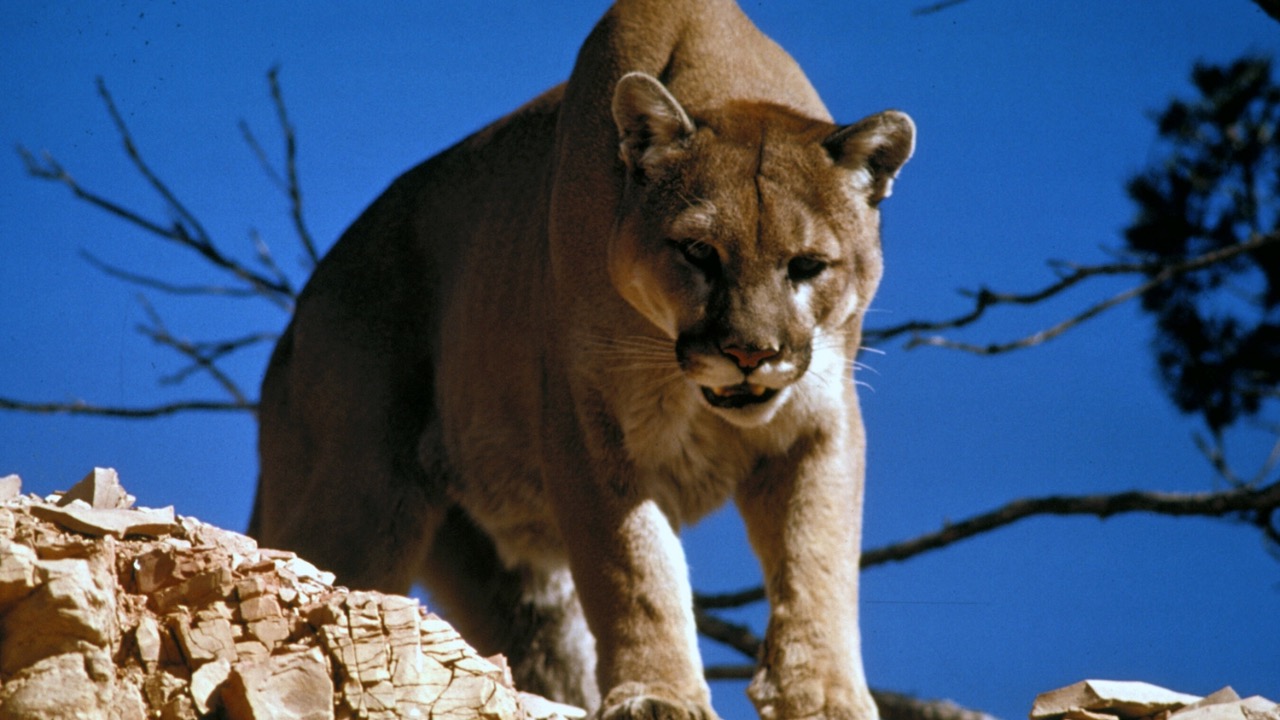
If you spend enough time in the woods, you start hearing the same story in different places. A hunter spots tracks where nobody remembers seeing them before. A trail cam catches a long tail slipping through a cedar thicket. A rancher loses a calf and begins looking a little closer at the ridgelines. Mountain lions have always been around in parts of the West, but in recent decades their range has been shifting and, in some places, expanding in ways that surprise even seasoned wildlife biologists.
A mix of factors drives that change. Growing deer populations, expanding forest cover, and stricter protections in some regions have helped lions reclaim ground they lost a century ago. Young males also travel incredible distances when searching for territory, sometimes pushing into states where lions were once considered rare. If you hunt or spend time outdoors, it’s worth knowing where those changes are happening fastest.
Nebraska
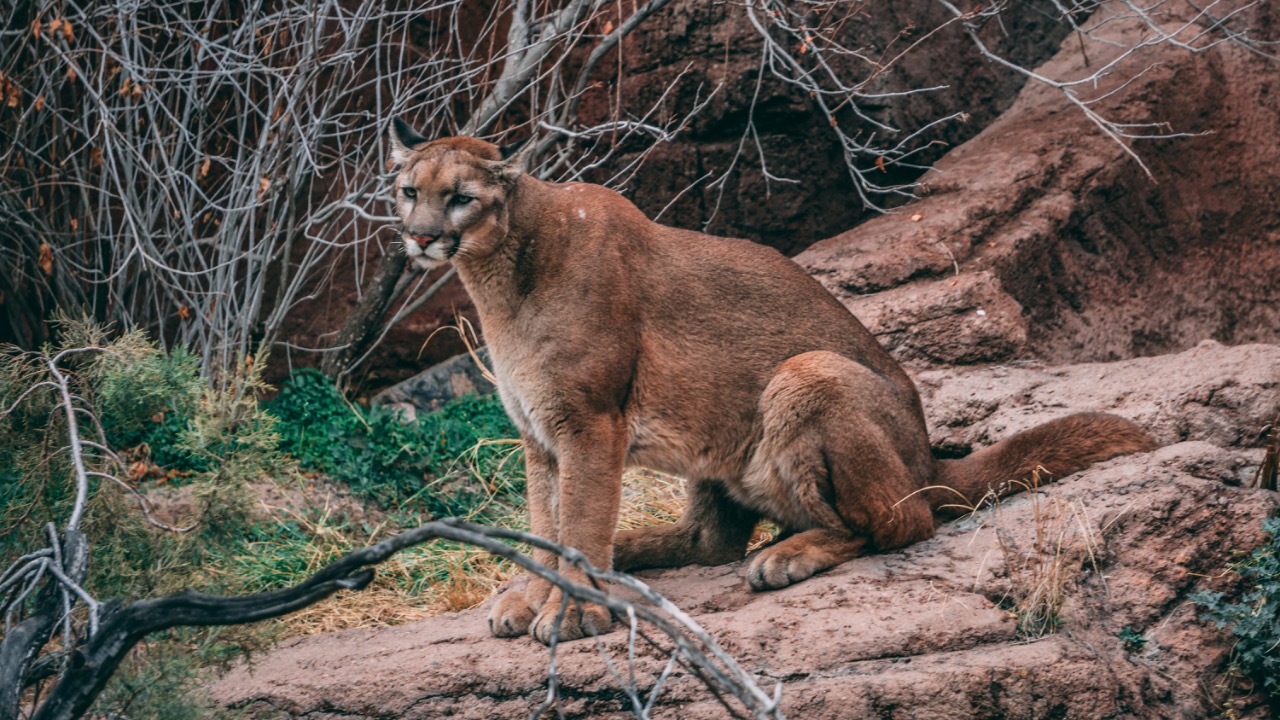
Nebraska wasn’t on many people’s lists of lion states twenty-five years ago. That has changed in a hurry. Mountain lions began appearing in the Pine Ridge region in the state’s northwest corner in the early 2000s, and since then the population has slowly taken hold.
You’re most likely to encounter them in the rugged country near the South Dakota border, where broken terrain and thick draws offer the cover lions need. Trail cameras and confirmed sightings have increased steadily, and the state now manages a regulated hunting season in certain units. Biologists say dispersing males occasionally show up across much of western Nebraska, which tells you the population isn’t standing still.
Missouri
Missouri doesn’t have a confirmed breeding population yet, but the number of verified mountain lion sightings has climbed steadily over the past two decades. Most of these cats are believed to be young males dispersing east from the Dakotas and western states.
If you look at the habitat across the Ozarks, it’s easy to see why they keep showing up. Plenty of whitetails, large blocks of timber, and relatively low human density in parts of southern Missouri make it workable lion country. Wildlife officials confirm sightings through trail cameras, tracks, and DNA when possible. The trend suggests lions are exploring the region more often, even if they haven’t settled in large numbers yet.
Kansas
Kansas might seem like unlikely lion territory if you picture nothing but open prairie. Spend time in the western half of the state, though, and you’ll find rugged breaks, river corridors, and isolated patches of timber that provide enough cover for a big cat.
Mountain lions have been confirmed in Kansas for years now, usually wandering animals moving through the state. Sightings often pop up along the Arkansas River and in the rougher country near Colorado. Biologists say most of these cats don’t stay long, but their presence keeps increasing. Every few years another one turns up farther east, which tells you the species is still probing for new ground.
Oklahoma
Oklahoma has also seen a steady increase in lion reports, especially across the western panhandle and the wooded hills of the southeast. Wildlife officials have confirmed dozens of sightings over the past couple of decades, many backed up by photos or physical evidence.
You’ll hear most of the talk around the Black Mesa area and the rougher terrain of the Ouachita Mountains. Deer numbers are strong, and those landscapes offer the kind of cover lions prefer when moving quietly through a region. While a stable breeding population hasn’t been firmly documented statewide, the regular appearances suggest dispersing lions are becoming more common visitors.
Arkansas
Arkansas sits in a natural corridor between western lion strongholds and the forests farther east. Over the years, the state has documented confirmed mountain lion sightings, particularly in the Ozark and Ouachita mountain regions.
These areas hold thick timber, steep slopes, and healthy deer populations—conditions lions tend to favor. Most animals confirmed in Arkansas appear to be transient males traveling long distances in search of territory. Even so, the increasing frequency of sightings keeps wildlife officials paying close attention. The habitat certainly looks suitable, and if lions continue pushing east, Arkansas is one of the places where they could eventually gain a stronger foothold.
Iowa
Iowa has surprised a lot of people with confirmed mountain lion sightings over the past twenty years. Several animals have been photographed or tracked across the state, and a few have even been harvested legally after wandering into areas where they weren’t expected.
Most of these cats are believed to originate in the Black Hills or other western populations before traveling east. River corridors, especially along the Missouri and Mississippi systems, provide natural travel routes. Even in a heavily farmed state, there are enough wooded draws and deer to support a roaming lion for a while. Sightings remain rare, but they occur often enough that wildlife officials take every report seriously.
Illinois
Illinois hasn’t historically been lion country, yet confirmed sightings have popped up often enough to get people’s attention. In several cases, wildlife agencies verified mountain lions using trail camera images or DNA evidence.
The state’s patchwork of farmland and forest may not look ideal at first glance, but river bottoms and large timber tracts still offer workable habitat. Deer are abundant, which removes one major obstacle for a traveling predator. Most experts believe these animals are passing through rather than settling down, but the steady trickle of reports shows lions are capable of reaching farther east than many people once believed.
North Dakota
North Dakota quietly became one of the more interesting lion states in the northern plains. The rugged Badlands region in the western part of the state supports a small but established mountain lion population.
You’ll find the best habitat in Theodore Roosevelt country, where steep coulees, juniper breaks, and rough terrain give lions the cover they need. Sightings have increased enough that the state now manages limited hunting seasons when populations allow. Beyond the Badlands, dispersing lions occasionally appear across other parts of the state, especially along river systems that offer travel routes through otherwise open country.
South Dakota
South Dakota holds one of the more stable lion populations outside the traditional western strongholds. The Black Hills region provides ideal habitat, and mountain lions have expanded well beyond that core area in recent years.
Young lions regularly disperse across the plains, sometimes traveling hundreds of miles. That movement sends animals into neighboring states and helps explain why sightings are rising across the Midwest. Wildlife managers keep a close eye on the population with regulated hunting seasons and monitoring programs. If you hunt or hike in western South Dakota today, you’re moving through country where lions are no longer a rare possibility.
Wisconsin
Wisconsin has become another state where lions show up often enough to make headlines. Over the years, several mountain lions have been confirmed through trail cameras, tracks, and DNA testing.
Most of these cats are believed to have traveled from the Black Hills population in South Dakota. The distance might sound extreme, but young male lions are known for covering huge stretches of ground while searching for territory. Northern Wisconsin’s forests and strong deer numbers provide workable conditions for a traveling predator. While the state doesn’t have a resident population yet, the steady stream of confirmed sightings shows lions are willing to explore the region.

Asher was raised in the woods and on the water, and it shows. He’s logged more hours behind a rifle and under a heavy pack than most men twice his age.