Why experienced hunters still rely on older rifle designs
If you spend enough time around seasoned hunters, you start noticing something. A lot of them carry rifles that look like they belong in another decade. While new rifles come out every year promising tighter tolerances, lighter materials, and modular everything, many experienced hunters keep reaching for designs that were proven long before those trends took off.
That isn’t nostalgia talking. Older rifle designs earned their place through decades of real use in rough weather, thick brush, and long seasons. They were built during a time when durability mattered more than marketing features. When a hunter trusts a rifle with a once-a-year shot opportunity, familiarity and reliability matter more than whatever the latest catalog is pushing. That’s why many hunters who know the woods well still rely on rifles built on older ideas.
They’ve Already Proven Themselves in Real Conditions
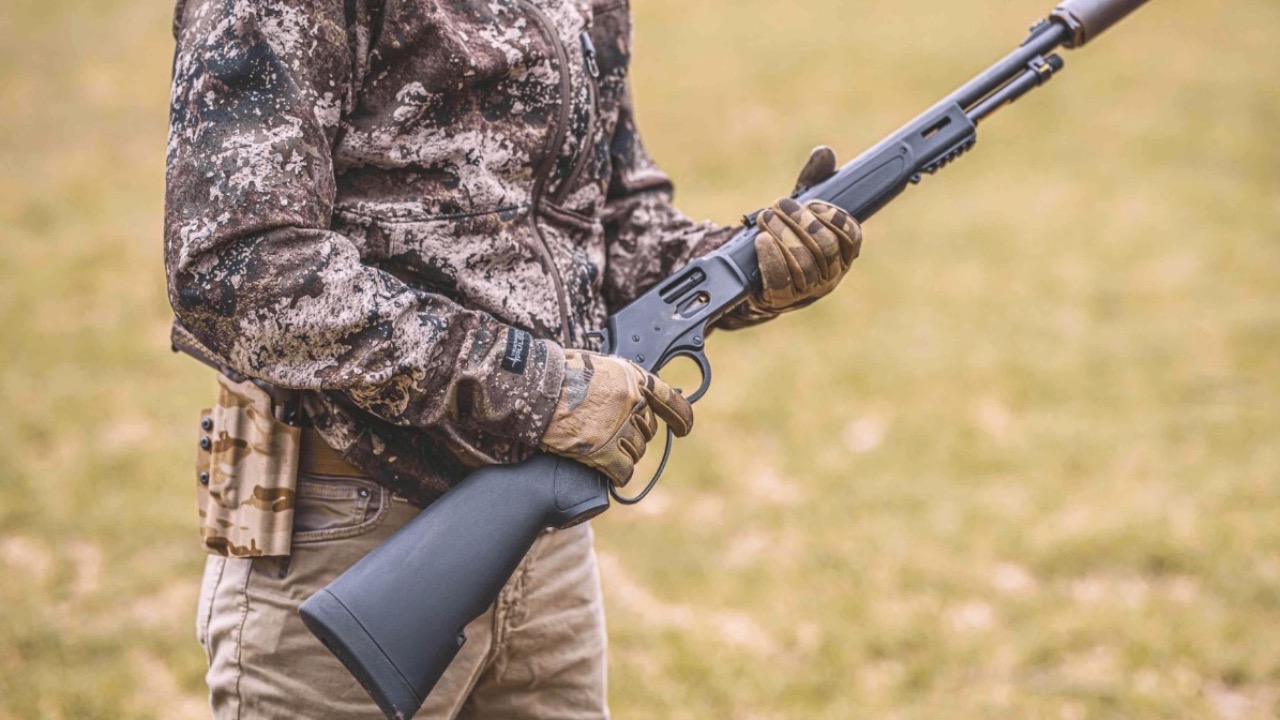
Older rifle designs have decades of field use behind them. When you carry something like a classic bolt-action that’s been around since the mid-20th century, you’re holding a design that’s already survived countless hunts, harsh climates, and thousands of rounds.
That history matters. Experienced hunters know these rifles have taken deer, elk, and moose across every terrain imaginable. The actions cycle in freezing weather, dusty plains, and wet forests because they were built with those realities in mind. When your season may come down to a single opportunity, trusting a system that has already proven itself year after year carries a lot of weight.
The Actions Are Usually Straightforward
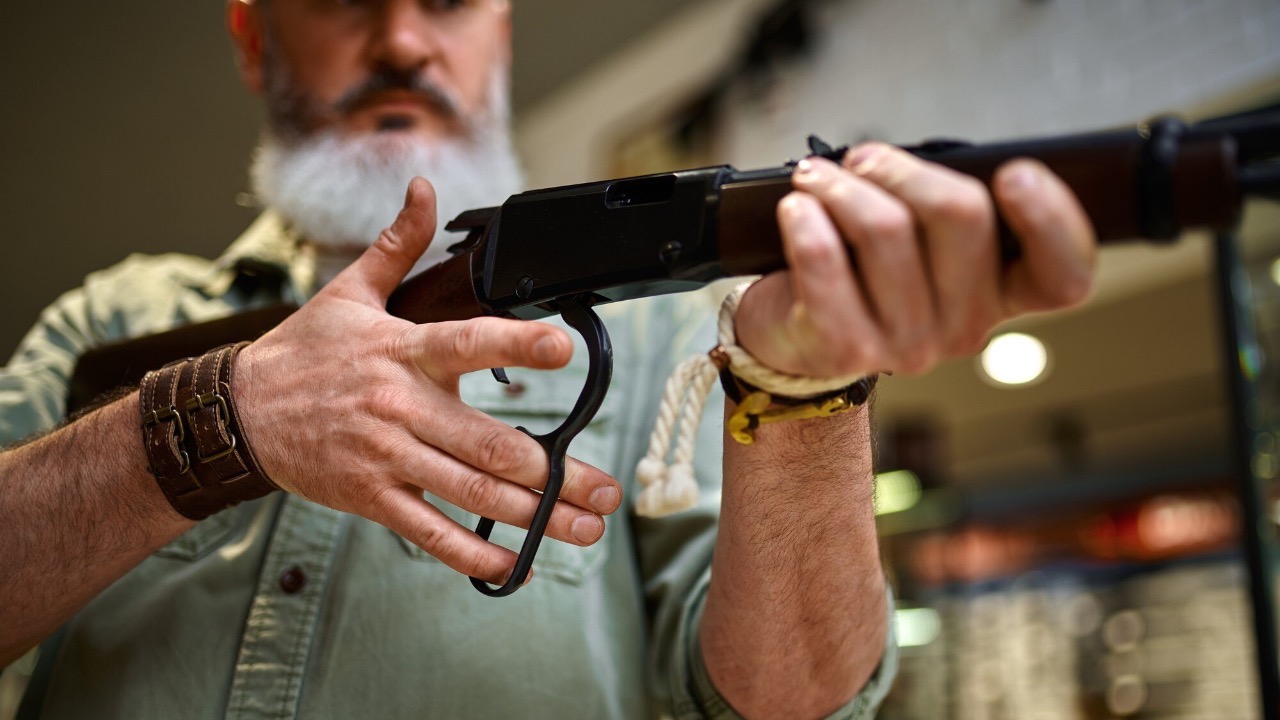
Many older rifle designs rely on mechanical layouts that are easy to understand and maintain. Bolt-actions, lever guns, and older pump rifles don’t hide their workings behind complicated parts or specialized tools.
When you run one of these rifles long enough, you get a clear sense of how it behaves. You know how the bolt feels when it chambers a round properly. You know how the safety moves and how the trigger breaks. That familiarity grows into confidence over time. Hunters who have spent decades with the same design rarely feel the need to chase newer platforms that add complexity without improving the experience in the woods.
They Balance Well for Field Shooting
A lot of modern rifles chase lighter weight and tactical styling, but older hunting rifles were designed around practical field use. Many of them balance naturally when you bring them to your shoulder, especially in standing or kneeling positions.
That balance makes a difference when you’re trying to steady a crosshair on a moving animal. A well-balanced rifle settles quickly and stays manageable during offhand shots. Experienced hunters recognize that trait immediately. After years in the field, they know that good balance often matters more than shaving a few ounces or adding rails and accessories.
The Triggers Were Built for Consistency
Older rifles often came with straightforward trigger systems that emphasized reliability and consistency. They might not be adjustable in the modern sense, but many of them break clean and predictable once you get used to them.
Hunters who’ve used the same rifle for decades know exactly how that trigger behaves. The pull weight, the travel, and the break become second nature. That kind of familiarity helps when the moment of truth arrives. A hunter doesn’t want surprises when lining up a shot. Older trigger designs tend to stay consistent over time, which is one reason experienced shooters stick with them.
Stocks Were Designed for Practical Use
Older rifle stocks were shaped around how hunters actually carry and shoot a rifle in the field. Classic walnut stocks with moderate comb heights and sensible grip angles still fit a wide range of shooters.
They also tend to shoulder naturally when you bring them up quickly. Hunters who’ve spent years still-hunting or walking ridgelines appreciate how those traditional stock designs guide the eye to the scope without forcing an awkward head position. While synthetic stocks dominate modern catalogs, many hunters still prefer the feel and ergonomics of older designs that were refined through long use.
They’re Easy to Maintain
Another reason experienced hunters stay loyal to older rifle designs is how easy they are to keep running. Most traditional bolt guns can be cleaned, inspected, and maintained with minimal tools.
That matters when you’re hunting far from the workbench. If something feels off, a hunter can often diagnose the issue quickly. Older rifles don’t rely on proprietary parts or specialized adjustments. A basic cleaning kit and some common sense usually keep them operating for decades. That level of independence appeals to hunters who spend more time in the field than on the internet researching upgrades.
Ammunition Availability Has Stayed Strong
Many older rifles are chambered in cartridges that have been staples for generations. Rounds like .30-06, .270 Winchester, and .308 Winchester remain widely available because hunters have trusted them for so long.
Experienced hunters know that consistency matters when choosing ammunition. A cartridge that’s easy to find and performs well in many rifles becomes a dependable partner over time. Older rifle designs often center around these long-established calibers, which means hunters don’t have to worry about specialty ammunition disappearing when trends shift.
They Encourage Better Shooting Habits
Older rifles often lack the modern accessories that can compensate for poor technique. Without adjustable chassis systems, oversized grips, or complex optics setups, the shooter’s fundamentals matter more.
That can actually improve your shooting over time. When the rifle demands good position, steady breathing, and careful trigger control, you naturally sharpen those skills. Many experienced hunters appreciate that relationship. They learned to shoot on rifles that required attention and discipline, and those habits stay with them long after newer designs come along.
Durability Was a Priority
A lot of older rifle designs were built with long-term durability in mind. Steel receivers, solid bolt assemblies, and sturdy stocks were the norm. These rifles were expected to last a lifetime.
Many of them have done exactly that. It’s common to find rifles that have passed through two or three generations of hunters and still function without issue. That kind of durability creates loyalty. When a rifle continues performing season after season, hunters see no reason to trade it in for something newer.
Familiarity Builds Confidence in the Field
After years of carrying the same rifle, everything about it becomes familiar. You know how it feels when you work the bolt. You know where the safety sits without looking. You know how it handles when you’re wearing gloves in cold weather.
That level of familiarity is hard to replace. When the pressure of a hunting moment arrives, the last thing you want is uncertainty about your equipment. Older rifle designs often stay in service because hunters trust them completely, and that trust was built one season at a time.
They Connect Hunters to Tradition
Older rifles carry stories with them. Many hunters remember the first deer taken with a particular rifle, or the family member who carried it before them. Those memories become part of the rifle’s identity.
That connection isn’t sentimental fluff. It reinforces confidence and respect for the equipment. When you carry a rifle that has already spent decades in the woods, it feels like part of a larger tradition. Experienced hunters understand that feeling well, and it’s another reason older rifle designs continue showing up in camps and tree stands across the country.
They Still Work Exactly the Way You Need Them To
At the end of the day, a hunting rifle has a straightforward job. It needs to fire when you pull the trigger, place a bullet where you aim, and handle tough weather without complaint.
Older rifle designs have been doing that for generations. They may not look flashy, and they rarely follow the latest trends, but they continue putting meat in the freezer. For hunters who care more about results than novelty, that kind of performance is reason enough to keep carrying the rifles they already trust.

Asher was raised in the woods and on the water, and it shows. He’s logged more hours behind a rifle and under a heavy pack than most men twice his age.