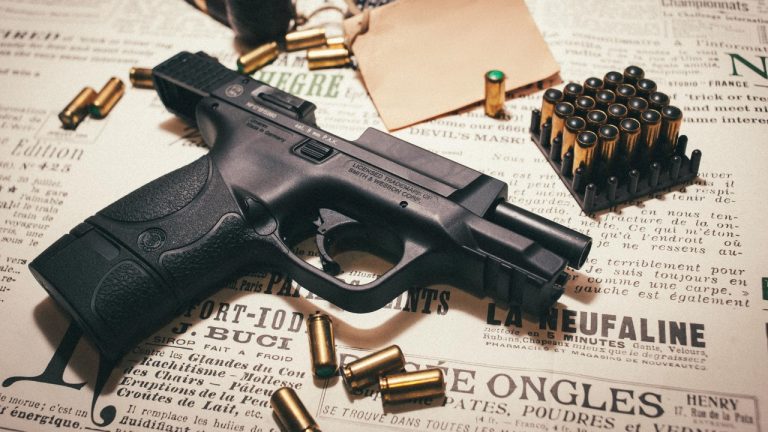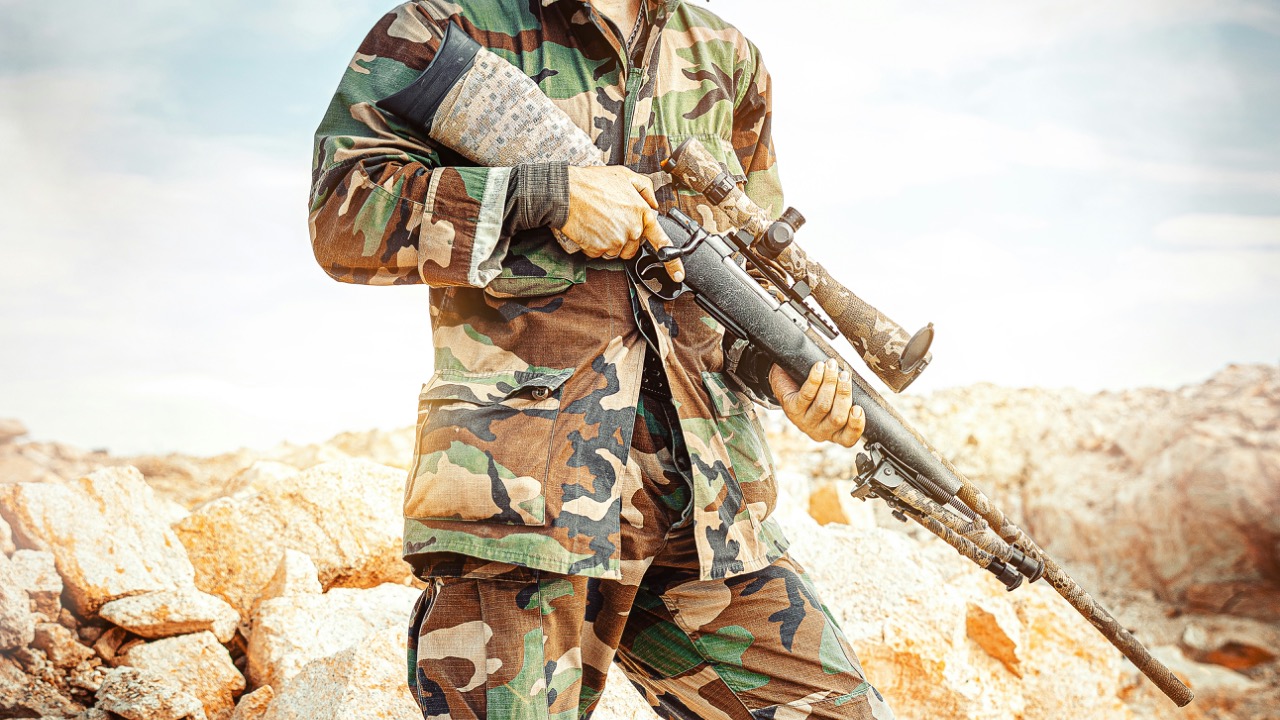
Hunting guns hunters trust season after season
Hunters who stay successful year after year tend to have one thing in common: they carry firearms that simply do not let them down. The most trusted hunting guns combine rugged reliability, practical accuracy, and ergonomics that still feel right when the weather turns bad and the adrenaline spikes. I look at season‑to‑season trust as something earned slowly, through clean kills, safe handling, and consistent performance rather than marketing claims.
That kind of confidence is not reserved for custom builds or high‑dollar safes. It grows out of smart choices about platforms, calibers, and maintenance, and from learning how to keep a rifle or shotgun tuned between seasons. From classic bolt guns to modern sporting rifles and even air rifles, the patterns are clear: the firearms hunters keep reaching for are the ones that fit their style, match their terrain, and keep working after years of hard use.
What makes a hunting gun worth trusting?
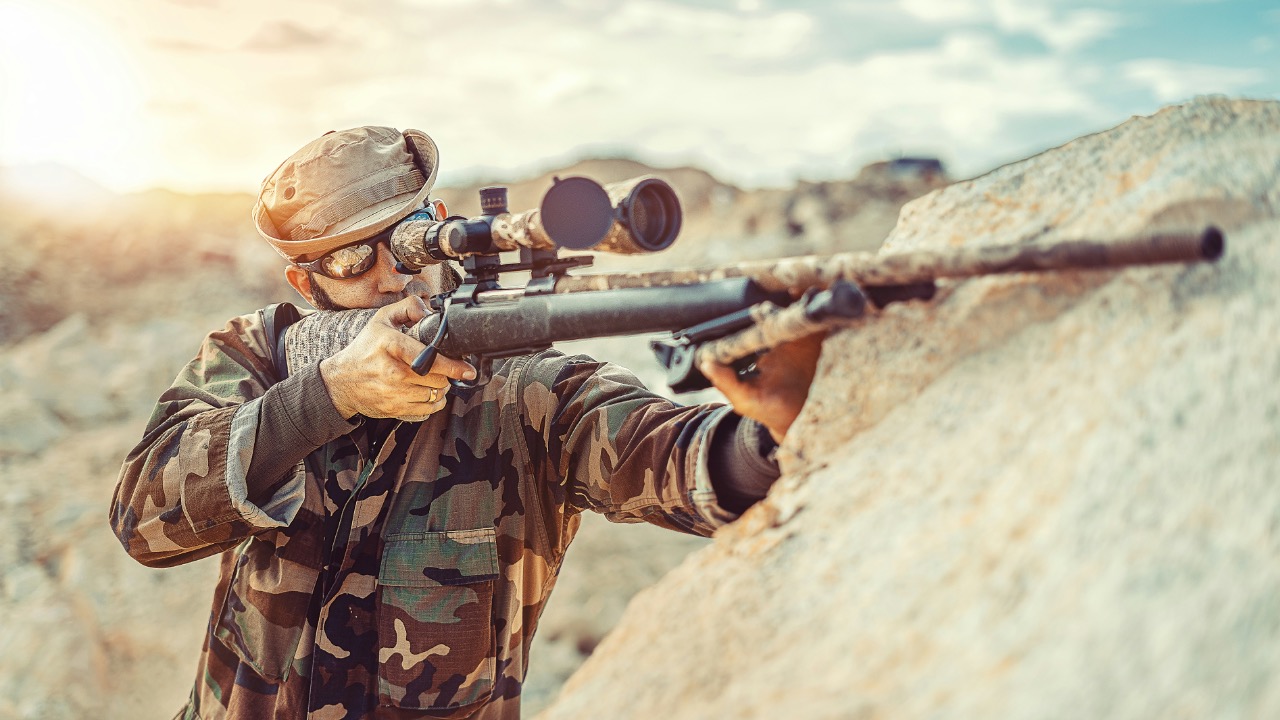
When I talk about a hunting gun that earns long‑term trust, I am really talking about repeatable performance under imperfect conditions. A rifle that groups well from a bench but shifts zero after a minor bump will not inspire confidence when a buck steps out at last light. Seasoned hunters tend to prioritize simple, durable actions, consistent triggers, and stocks that hold up to rain, mud, and travel. Lists of proven deer rifles consistently highlight workhorse bolt actions and practical semi‑autos that balance accuracy with field reliability, rather than chasing benchrest precision alone, and that pattern shows up clearly in independent rundowns of the best rifles for whitetails.
Trust also comes from how a gun fits into the rest of a hunter’s system. A rifle that is easy to carry all day, that mounts naturally with a scope at the right height, and that cycles smoothly even with gloves on is more likely to be used correctly under pressure. Over time, that familiarity translates into ethical shots and fewer surprises. The most common rifles in circulation, from mainstream bolt guns to popular semi‑autos, have earned their place because they are built to last and support a wide range of configurations, which is why guides that look at the Whether you are or sport shooter angle keep circling back to the same durable platforms.
Bolt‑action workhorses that keep delivering
Bolt‑action rifles remain the backbone of big‑game hunting because their simple mechanics and strong locking lugs stand up to years of abuse. In Canada, for example, the Leading the pack is the Remington Model 700, which is described as a workhorse for hunters and marksmen, with enough aftermarket support that owners can tailor it to their specific needs. That kind of ecosystem matters, because it lets a single rifle evolve with a hunter, from basic factory trim to upgraded stocks, triggers, and optics as skills and budgets grow.
Modern budget‑friendly bolt guns have followed the same formula of reliability first, refinement second. One widely cited value pick is the Best value: Ruger, which is singled out for delivering strong performance at a price that leaves room for quality glass. Hunters on forums echo that pattern, with one describing a current rifle as a Ruger 22‑250 that is “great albeit a little heavy at times,” a reminder that even when weight is a trade‑off, a dependable bolt gun can still earn a permanent slot in the truck.
Modern sporting rifles in the deer woods
In many states and provinces, modern sporting rifles have moved from the range to the deer stand, and the hunters who stick with them season after season tend to value modularity and fast follow‑up shots. One example that gets specific praise is a One new MSR that a writer is excited to try, the Savage MSR‑10 Hunter, which is chambered for serious big‑game cartridges and built around the same reliability expectations as traditional rifles. When a semi‑auto platform is tuned correctly and paired with appropriate ammunition, it can deliver the same ethical accuracy with the added benefit of quick second shots on hogs or coyotes.
Manufacturers have leaned into that crossover role. At Savage Arms, for instance, the product line spans classic bolt actions and purpose‑built MSR models, all marketed with an emphasis on ruggedness and field accuracy. That breadth reflects what I see in the field: some hunters still prefer a walnut‑stocked bolt gun, others want a synthetic chassis and detachable magazines, but both groups are chasing the same outcome, a rifle that cycles reliably in the cold and keeps its zero from one November to the next.
Air rifles and small‑game confidence
Trustworthy hunting guns are not limited to centerfire rifles. For small game and pest control, modern air rifles have carved out a serious niche, especially where noise or local regulations make powder‑burners less practical. The key is that the same standards apply: an air rifle must deliver consistent point of impact and enough energy for humane kills. Guidance on what you can hunt with an air rifle stresses that Accuracy and Reliability is paramount, because repeatable performance allows for precise aiming and humane harvesting of game.
That focus on precision over raw power is why many small‑game hunters stick with a single pellet rifle for years once they find one that groups well. A quiet, accurate air rifle can be used for backyard practice, then carried into the woods for squirrels or rabbits with minimal transition. The more time a hunter spends behind the same trigger, the more instinctive the holdovers and wind calls become, and that familiarity is exactly what turns a tool into trusted gear.
Caliber choices that stand the test of time
Caliber debates can get heated, but the cartridges that keep showing up in deer camps are the ones that balance recoil, trajectory, and availability. Classic rounds like .30‑06, .270 Winchester, and .308 Winchester have decades of field proof behind them, and hunters often pass down rifles chambered in these cartridges precisely because they know what to expect. One discussion about how often to re‑zero a rifle mentions a father who kills deer every year with a 30‑06 Remington 742 that has been zeroed since the 80’s, an anecdote that underscores how a well‑matched caliber and rifle can deliver predictable results for decades when nothing is disturbed.
Educational material on deer calibers emphasizes that cartridge choice is only part of the reliability equation. Hunters are reminded that, Finally, regular maintenance will ensure reliability and safety, and that clearing a firearm of dirt and debris is essential to keep all parts in working order. In other words, a time‑tested caliber in a neglected rifle is still a liability, while a well‑maintained mid‑range cartridge in a modern platform can be utterly dependable.
Pre‑season checks and sight‑in rituals
Even the most trusted hunting gun needs a pre‑season checkup to stay that way. Experienced shooters treat sight‑in as a non‑negotiable ritual, not a one‑time event. In one discussion, Hunters are urged to get out and shoot their hunting rifle, shotgun, or bow every year before the hunt, with enough lead time to correct any issues. That advice reflects a hard truth: travel, storage, and even temperature swings can shift a zero, and the only way to catch it is on the range, not when a buck is in the scope.
Some hunters discover the importance of this the hard way. A cautionary thread titled as a big mistake describes the Aprlesson that “Always have your tools ready for the job, in hunting and in life,” after a poorly sighted rifle led to a long, difficult recovery. On more technical forums, shooters detail their pre‑season routines, such as one who starts with a moderately heavy 25‑06 Remington Stainless Sendero and verifies point of impact before moving on to other guns. Those habits are what keep a rifle’s reputation intact from one season to the next.
Off‑season care that preserves reliability
The months after the last tag is filled are when a hunting gun either quietly degrades or gets set up for another reliable year. A thoughtful off‑season routine starts with inspection and cleaning, but it should not stop there. One guide to post‑deer season downtime notes that, after a long hunting season, it is important to inspect your gear and make sure it will be ready when you take a shot next season, advice that appears in a section introduced with Here are some ideas for your post‑season downtime and framed around what to do After the last hunt.
Other checklists are even more explicit that the work does not end when the general season closes. One Dec post‑hunting season checklist points out that the general hunting season may be over, but hunting‑related activities continue, from cleaning firearms to organizing gear like flagging tape and TP. I see that mindset as crucial: a rifle that is wiped down, lightly oiled, and stored correctly is far more likely to function flawlessly when it comes out of the case months later.
Legal responsibilities and safe handling between seasons
Trust in a hunting gun is not just mechanical, it is also about how responsibly it is owned and stored. Guidance on seasonal gear transitions stresses that every firearm decision after hunting season must align with the law, and that safe storage is part of the duty that comes with gun ownership. One resource on what to do with firearms after peak season frames this under the heading Know the Legal, emphasizing Regulations and Safe Handling and noting that Every decision must respect the Regu environment in which the hunter lives.
Safe storage and transport are not just legal boxes to tick, they also protect the firearm itself from damage that can erode reliability. A rifle that rides loose in a truck bed or sits loaded in a damp closet is more likely to suffer corrosion, stock warping, or optic damage. By contrast, a gun that is unloaded, locked, and stored in a dry, stable environment will hold zero better and function more consistently. In that sense, legal compliance and mechanical trustworthiness are intertwined, and both are part of being the kind of hunter who can rely on the same gun for decades.
Balancing tradition, innovation, and personal fit
Hunters today have more choices than ever, from classic walnut‑and‑steel rifles to lightweight synthetics and chassis guns. Some writers point out that, While they may not have taken the time to cover every model in depth, brands like Steyr with the Scout and companies such as Savage Arms have been consistently producing quality rifles that deserve a look. That observation matches what I see in the field: hunters who pick a solid platform, learn it deeply, and resist the urge to chase every new trend tend to be the ones who speak most confidently about their gear.
At the same time, innovation has opened new doors, from bowhunters who slip into rifle seasons to gain access to less pressured deer, as described in a piece about Mossy Oak ProStaffer Dennis Garrett of Harlan, Kentucky, in the Southeastern Kentucky Has It All region, to hunters who think more like farmers than predators. One reflection on “farming instead of hunting” notes that, Once we have obtained something, it ceases to be something we can seek out, a reminder that the real long‑term satisfaction often comes from tending a system over time. In the context of firearms, that means choosing a gun that fits, maintaining it carefully, and letting years of shared experience turn it into a tool you trust whenever the season opens.

Leo’s been tracking game and tuning gear since he could stand upright. He’s sharp, driven, and knows how to keep things running when conditions turn.