7 states where wild hog populations are growing the fastest
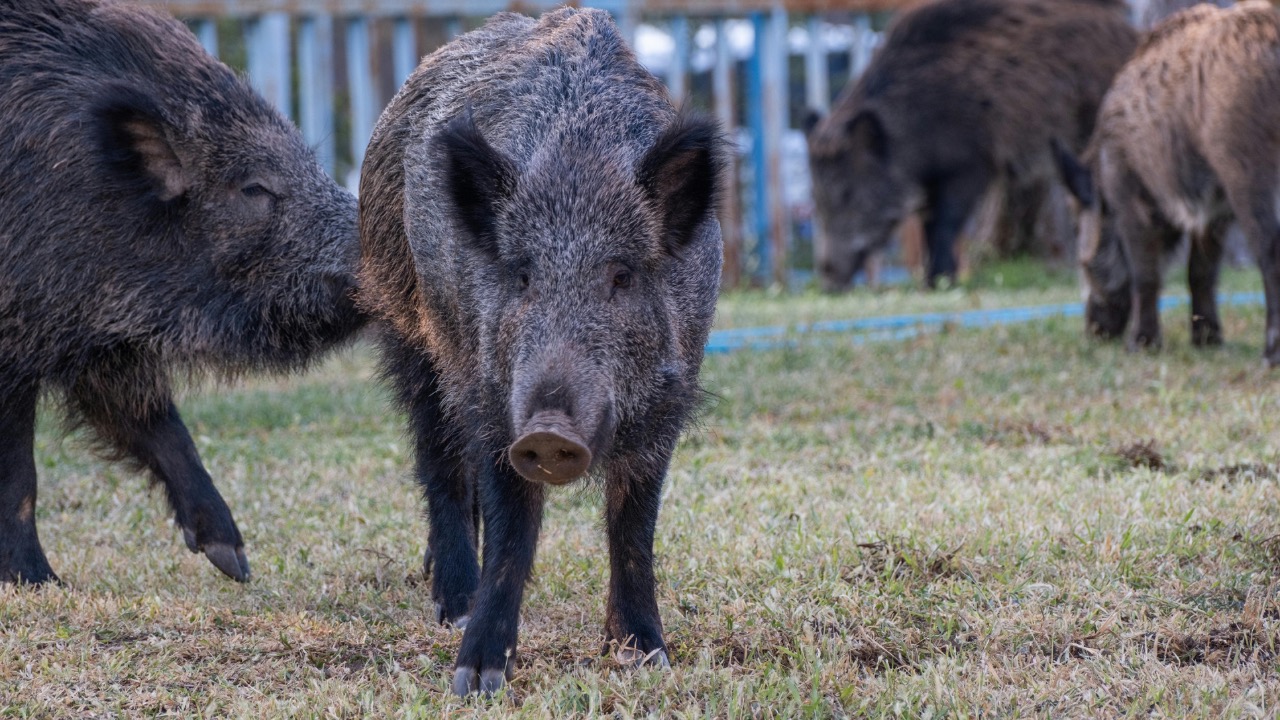
Wild hogs are rapidly expanding beyond their historic range, and some states are seeing far faster growth than others. Drawing on federal distribution maps and recent state level reporting, the following seven states show especially sharp increases in sightings, occupied counties, or estimated numbers. Together they illustrate how a species once tied mainly to the Southeast is now spreading into new regions and creating escalating costs for farmers, landowners, and wildlife managers.
1. Texas
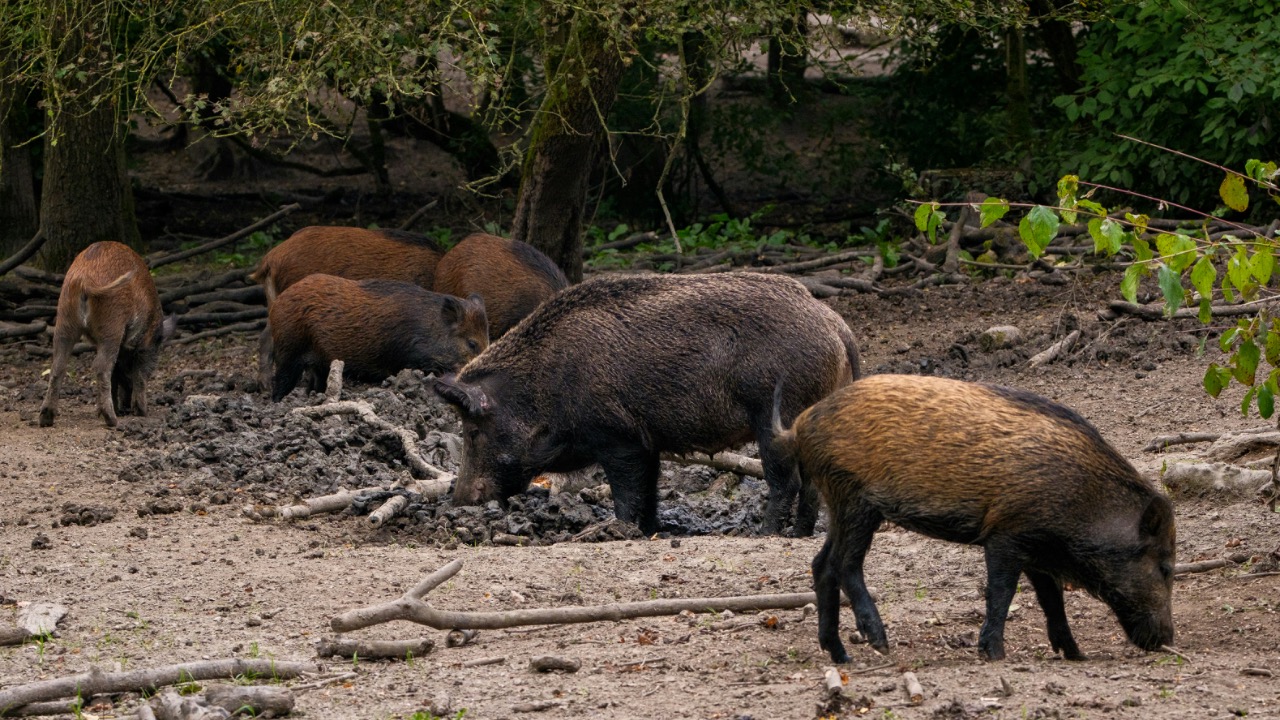
Texas is widely cited as having the largest single wild hog population, and multiple sources describe rapid expansion into new counties. A population model referenced in setting the record estimated an 18 to 21 percent annual growth rate with an average statewide population of 2.6 m, which aligns with reports that Texas holds a major share of the national total.
Recent rankings of Wild Hog Population by State list Texas at the top, and federal maps of feral swine distribution show the state nearly saturated with occupied counties. That combination of already high numbers and double digit modeled growth means Texas is not just a hotspot, it is a driver of national spread, with heavy implications for crop damage and disease risk.
2. Mississippi
Mississippi appears repeatedly in analyses of states where wild hog numbers are climbing fastest, with both agricultural losses and occupied range increasing. State specific searches for Mississippi highlight feral swine as a major wildlife concern, and federal distribution data show the state largely covered by established populations that have expanded northward from older strongholds.
A video feature on wild pigs in Mississippi, presented as an Encore, explains that the problem documented in 2017 has persisted, with landowners still battling rooting damage and competition with native deer and turkey. Follow up searches for Mississippi hogs describe feral pigs as entrenched across much of the state, which signals sustained, fast paced growth that has not yet been brought under control.
3. Arkansas
Arkansas the feral hog population continues to grow, with state officials describing “tens of millions of dollars” in damage to crops and livestock each year. That scale of loss, highlighted in a report on how feral hogs continue across Arkansas the, indicates both high numbers and ongoing expansion into new agricultural areas.
Search results for Arkansas show wild hogs listed among the state’s most pressing invasive species, and federal feral swine maps depict a broad band of occupied counties stretching from the Mississippi Delta into the Ozarks. As herds push into row crop fields and cattle pastures, producers face mounting costs for fencing, trapping, and habitat repair.
4. California
California has emerged as one of the fastest growing wild hog states outside the traditional Southeast, with populations spreading from coastal ranges into agricultural valleys. A ranking of the best states for places California at the top, describing The Golden State as offering extensive opportunity because of abundant feral pigs that now occupy public and private lands across several regions.
Searches for California hogs and federal feral swine distribution maps show established populations in a growing number of counties, including areas near vineyards and specialty crops. As numbers rise, land managers are increasingly concerned about soil erosion, damage to irrigation systems, and the risk that wild pigs will transmit disease to domestic swine herds and wildlife.
5. Missouri
Missouri has seen one of the more dramatic recent expansions of wild hogs in the central United States, particularly in the Ozark region. Federal feral swine distribution data show Missouri shifting from scattered reports to larger blocks of occupied habitat, a pattern consistent with breeding populations that are now firmly established.
Searches for Missouri highlight aggressive state led eradication campaigns that restrict public hog hunting in an effort to support coordinated trapping. Officials have linked wild pigs to extensive forest and pasture damage, and their rapid spread through rugged terrain complicates control efforts, which helps explain why Missouri ranks among the states where populations are growing fastest.
6. Michigan
Michigan represents the northern edge of rapid feral hog expansion, with reports of “fairly large” free ranging groups in several areas. Coverage of which states have the worst wild hog problem notes that Michigan is among the states where the wild animal has expanded westward and northward, signaling that populations are not only persisting but advancing into colder climates.
Search results for Michigan feral swine describe ongoing concern about damage to hay fields and hardwood forests, along with fears that wild pigs could spread disease to domestic hog operations. Because the state sits far outside the species’ historic core, each new county level sighting points to relatively fast growth from a small original base.
7. Pennsylvania
Pennsylvania rounds out the list as another northern state where feral hogs are expanding from a low starting point into a more persistent presence. Analyses of States Most Impacted by Wild Hogs highlight how even modest numbers can create outsized damage when they move into new territory, and Pennsylvania has begun to see that pattern in forested and agricultural counties.
Searches for Pennsylvania hogs show state wildlife agencies tracking feral swine as an invasive species, with targeted removal efforts in response to local outbreaks. Because the state is still early in its invasion curve, each new breeding group represents a relatively large percentage increase, which is why Pennsylvania is often cited among the places where wild hog populations are growing the fastest.

Asher was raised in the woods and on the water, and it shows. He’s logged more hours behind a rifle and under a heavy pack than most men twice his age.