The hard truths about prepping that cause some to rethink it
Prepping attracts practical people. You look at the world, see how quickly things can go sideways, and decide you’d rather be ready than surprised. That instinct makes sense. Storms knock out power. Supply chains stall. Jobs disappear. Being prepared for disruptions is responsible.
But once you get past the first pantry shelf of canned goods, the conversation changes. Real preparedness demands time, money, emotional bandwidth, and hard decisions most folks don’t think through. It forces you to confront uncomfortable realities about your skills, your community, and your limits. These are the truths that make some people pause and reassess what they’re really preparing for.
You Can’t Prepare for Everything
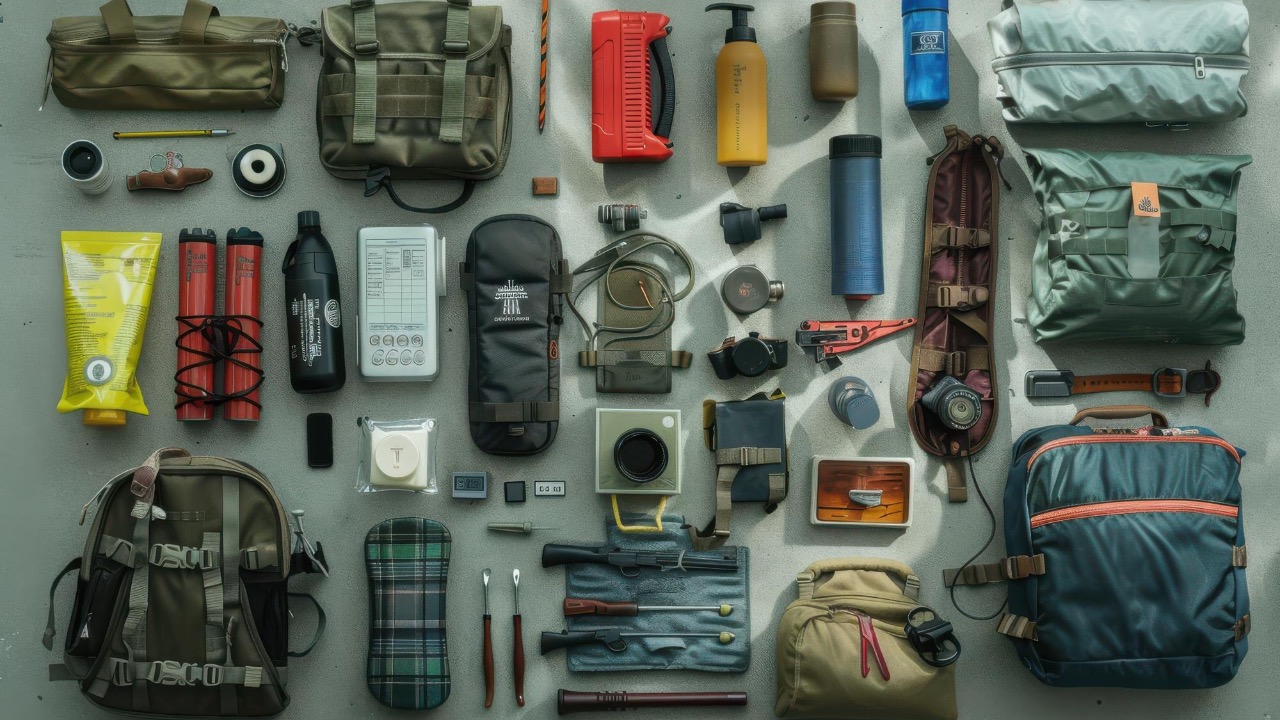
At some point, you realize there’s no finish line. You store food for six months, then wonder about a year. You buy a generator, then worry about fuel storage. You train in first aid, then start thinking about surgical care. The list never stops.
That endless scope wears people down. You can spend years chasing new scenarios without ever feeling secure. The hard truth is that risk management is about probability, not total control. Once you accept that, prepping becomes about priorities, not perfection. If you can’t live with uncertainty, this lifestyle will frustrate you fast.
Gear Doesn’t Equal Skill
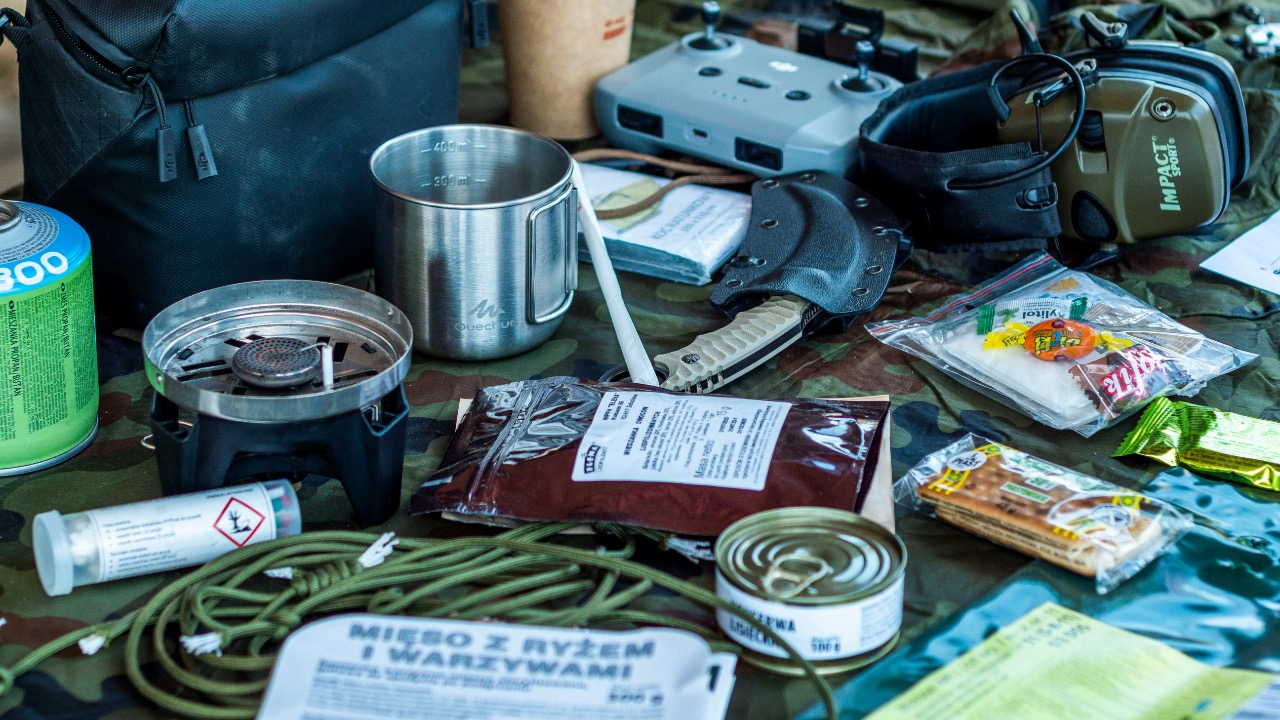
Buying equipment feels productive. Water filters, radios, night vision, medical kits—it all looks reassuring stacked in a closet. But without training, most of it becomes expensive clutter.
You don’t rise to the level of your gear in a crisis. You fall to the level of your training. If you’ve never treated a real injury, started a fire in the rain, or navigated without GPS, your stockpile won’t save you. Skill building takes time and repetition. It’s slower and less glamorous than shopping, and that gap is where a lot of preppers lose momentum.
Community Matters More Than Supplies
You might imagine riding out a disaster alone, self-contained and independent. In reality, long-term survival almost always depends on cooperation. Security, medical care, food production, and information sharing all benefit from trusted relationships.
Isolation sounds strong on paper. In practice, it’s exhausting and risky. A single injury or illness can overwhelm one person or one household. Building community requires vulnerability and compromise. That’s uncomfortable for people drawn to total self-reliance. But without allies, even the best-stocked setup has serious limits.
Financial Stability Is a Better Prep Than Most Gadgets
It’s easy to justify expensive gear under the banner of preparedness. But draining your savings for equipment can leave you exposed to the most common emergencies: job loss, medical bills, car repairs.
Cash reserves solve more real-world crises than tactical equipment ever will. The irony is that financial discipline—paying down debt, maintaining an emergency fund, keeping insurance current—is less exciting than stacking supplies. Yet it’s far more likely to carry you through tough times. Ignoring that truth leads some people to rethink where their money should really go.
Long-Term Storage Is Harder Than It Looks
Storing food for years sounds straightforward. In reality, rotation, temperature control, pests, and spoilage become ongoing chores. Fuel degrades. Batteries fail. Even sealed goods can surprise you.
You’re signing up for maintenance, not a one-time purchase. That commitment doesn’t always fit busy lives. Families move. Basements flood. Kids get into things. When you factor in time and attention, long-term storage becomes a lifestyle choice. For some, the effort outweighs the comfort it provides.
Physical Fitness Is the Weak Link
You can own every survival manual printed, but if you can’t hike five miles with a pack, your options narrow quickly. Real-world emergencies are physical. They require lifting, carrying, climbing, and endurance under stress.
Fitness is a daily discipline. It’s not something you buy once and shelve. That’s a wake-up call for many preppers who focus on gear but neglect conditioning. Improving strength and stamina takes months or years. Facing that reality forces an honest evaluation of how prepared you actually are.
Security Plans Carry Legal and Moral Weight
When people talk about defending their supplies, the conversation often stays theoretical. In reality, any defensive action has legal consequences and moral complexity. Laws don’t disappear during short-term emergencies, and even in extreme cases, actions have lasting impact.
You’re not preparing in a vacuum. You live in a community governed by rules and relationships. Thinking through those scenarios carefully—without fantasy—can temper extreme plans. That sober reflection makes some step back and reconsider how far they’re willing to go.
Burnout Is Real
Constantly consuming worst-case scenarios changes how you see the world. If every news event reinforces collapse in your mind, stress levels rise. That kind of vigilance is hard to sustain.
Prepping should increase peace of mind, not erode it. When preparation becomes obsession, relationships suffer and daily life feels tense. Recognizing that balance matters is crucial. You can be prepared without living in a permanent state of alarm. Finding that middle ground is what keeps prepping practical instead of overwhelming.
Most Emergencies Are Boring, Not Apocalyptic
The events you’re most likely to face are power outages, severe weather, temporary shortages, or localized unrest. They’re inconvenient and sometimes dangerous, but rarely world-ending.
If your plans only address total collapse, you may overlook the mundane disruptions that actually occur. A well-stocked pantry, backup heat, and a plan for evacuation often matter more than elaborate survival scenarios. Accepting that reality shifts your focus toward practical resilience instead of dramatic outcomes.
Your Location Shapes Everything
Where you live determines your real risks. Wildfire country requires different preparation than hurricane zones or urban high-rises. Ignoring geography leads to wasted effort.
You can’t apply a one-size-fits-all strategy to preparedness. Local climate, infrastructure, population density, and laws all matter. Tailoring your approach demands research and honesty about your environment. When people realize their plans don’t match their actual risks, they often reevaluate their priorities.
You Might Never “Use” Most of It
Here’s the quiet truth: if you never have to rely heavily on your preparations, that’s a good outcome. The goal is resilience, not validation.
Some struggle with the idea that years of effort might never be tested in a dramatic way. But preparedness works best when it fades into the background of a stable life. If your supplies sit untouched and your skills remain precautionary, you’ve succeeded. Accepting that can reframe the entire purpose of prepping and bring it back to what it should be—measured, practical readiness.

Asher was raised in the woods and on the water, and it shows. He’s logged more hours behind a rifle and under a heavy pack than most men twice his age.