California Hunter Ron Dailey Beats the Odds: 20 Days Stranded in Sierra Forest on Jerky and Prayer
Every hunter eventually thinks about the “what if.” What if the truck won’t start. What if a storm rolls in early. What if you take the wrong road deeper into the mountains than you planned. Most of the time those thoughts fade once the hunt begins. But every so often, one of those scenarios turns real.
That’s what happened to California hunter Ron Dailey during a solo hunting trip in the Sierra National Forest. What was supposed to be a quick trip into the mountains turned into nearly three weeks of survival at over 10,000 feet. Snow fell, supplies ran out, and rescue never seemed guaranteed. Yet Dailey stayed alive through rationing, stubborn determination, and a whole lot of prayer.
His experience offers a close look at how quickly things can go sideways in remote country—and how grit and good decisions can keep you alive longer than most people expect.
The Wrong Turn That Started Everything
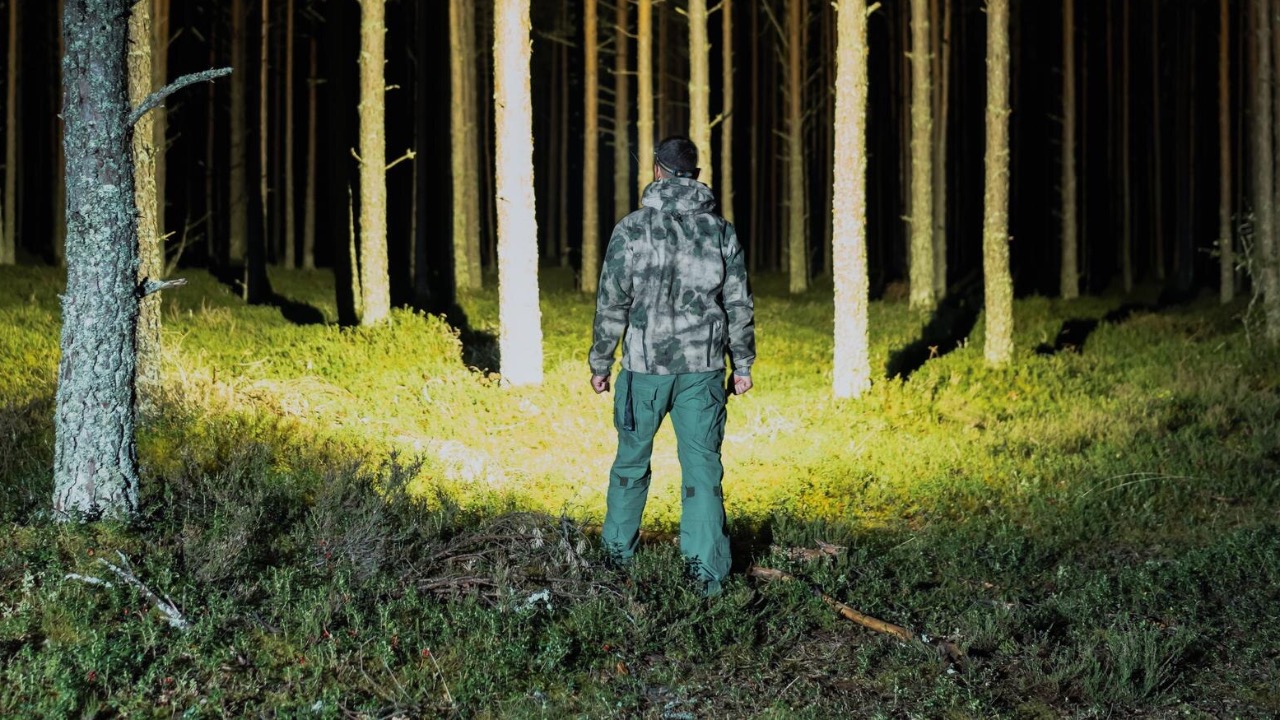
You head into the mountains thinking you know the roads. Hunters often rely on old logging routes and rough jeep trails to reach remote country. That’s exactly what Dailey did when he drove deep into the Sierra on October 13 for what he expected would be a one-day hunt.
Somewhere along the way he followed a rough track known as Diamond Road, a trail meant more for rock crawlers than standard trucks. The terrain quickly became worse than expected, and turning around wasn’t as easy as it should have been. Eventually his truck became unusable, leaving him stranded miles away from help.
A lot of hunters have faced a moment like that—staring at a trail you wish you hadn’t taken. The difference here was how deep he already was and how far the nearest help might be.
Snow Turned a Bad Situation Into a Survival Test
Mountain weather doesn’t care about your plans. Not long after Dailey realized he was in trouble, a storm rolled through the high country. Snow piled up around his truck during the first night, burying the road and making travel even harder.
At over 10,000 feet, conditions get serious quickly. Cold nights drain energy, and the thin air wears you down even when you’re healthy. Moving around burns calories you can’t afford to lose.
That early storm forced Dailey to stay put for a while. His truck became shelter, a windbreak, and the only place he could ride out the weather. In survival situations like this, staying with the vehicle is often the smartest move, especially when storms close the door on travel.
Rationing Food Became a Daily Calculation
You probably carry snacks on a hunting trip without thinking much about them. For Dailey, those few supplies became the difference between strength and starvation.
He had a small amount of food—mostly jerky and nuts—and about fourteen bottles of water when the ordeal began. Knowing rescue might take time, he carefully rationed what he had.
Stretching that food over nearly three weeks meant eating very little each day. At one point he was down to roughly fifty to seventy calories daily just to keep something in his stomach.
That kind of rationing takes discipline. Eat too much early and you’re finished later. Eat too little and your strength disappears. Dailey walked that line for days while waiting for a break.
The Truck Became His Shelter in the Mountains
When you’re stuck in the backcountry, shelter becomes the top priority after water. Dailey used his pickup as a base camp while he figured out what to do next.
Vehicles offer several advantages in survival situations. They block wind, provide insulation compared to sleeping outside, and make it easier for rescuers to spot you. Dailey stayed with the truck during the early days while snow and uncertainty made traveling risky.
He even modified parts of the truck interior to make resting easier. That kind of practical thinking matters when every night in the cold chips away at your strength.
For several days, that vehicle was the difference between a manageable survival situation and a deadly one.
The Moment He Realized Rescue Might Not Come
Search teams eventually began looking for Dailey after his family reported him missing, but deep wilderness can swallow a person quickly. Helicopters and ground crews can only cover so much terrain.
As the days passed, Dailey started realizing he might not be found quickly. That’s a tough moment for anyone alone in the mountains.
At that point the situation becomes mental as much as physical. Panic burns energy and clouds judgment. Calm thinking helps you stretch the time you have left.
Dailey later said that during those nights he relied heavily on prayer and faith to keep his mind steady while he waited and hoped for rescue.
High Altitude Made Every Step Harder
Eventually Dailey decided staying put might not be enough. He made the call to leave the truck and try walking out of the mountains.
The problem was the elevation. The area where he was stranded sits around 10,000 feet, where even healthy hikers feel the effects of thin air.
During the hike he often had to stop every hundred yards to catch his breath. Fatigue piled up quickly, and the rough terrain caused him to fall several times along the way.
Even experienced hunters underestimate how draining altitude can be when you’re already hungry, dehydrated, and exhausted. For Dailey, every step forward required a serious effort.
Losing His Phone Meant Total Isolation
Phones often give hunters a sense of security in remote country. But once you’re deep in the mountains, that signal usually disappears.
Dailey lost his phone during one of his falls while trying to hike out of the area. That meant no GPS, no emergency call, and no way to contact anyone even if service appeared.
At that point he was truly alone. No technology. No way to signal rescue except continuing to move and hoping someone crossed his path.
Situations like this remind hunters that electronics are helpful, but they can’t replace basic survival skills and judgment when things go wrong.
Six Days Without Food Tested His Limits
Toward the end of the ordeal, Dailey’s food finally ran out completely. For six days he went without eating anything while trying to move through the mountains.
By that point his strength was fading fast. Hunger drains muscle power and slows thinking, which makes navigating rough terrain even harder.
Yet he kept moving in short bursts, resting whenever he needed to. Sometimes survival isn’t about pushing hard. It’s about moving slowly enough that you don’t collapse before reaching help.
Those last days were likely the hardest stretch of the entire ordeal.
The Hunters Who Finally Spotted Him
After nearly twenty days in the wilderness, luck finally turned. A small group of hunters traveling along the Swamp Lake trail spotted a man sitting along the hillside.
At first they assumed he was another hunter resting. But something looked wrong when they saw how weak and exhausted he appeared.
When they approached, they realized it was the missing man they had heard about. Dailey stood, waved for help, and the group immediately stepped in to assist.
They gave him food and water and contacted authorities, ending one of the more remarkable survival stories the Sierra has seen in years.
The Walk That Nearly Finished Him
Before the rescue happened, Dailey had already pushed through one final stretch of hiking. He later described that trek as the hardest walk of his life.
Between hunger, altitude, and exhaustion, every hundred yards required a break. His legs were barely holding up, and he knew he was running out of strength.
Yet he kept moving because he believed staying still meant the end. Sometimes that stubborn refusal to quit becomes the difference between survival and tragedy.
That last effort put him in the exact place where other hunters eventually crossed his path.
Faith Played a Big Role in His Survival
Ask Dailey what helped him survive and he’ll mention more than just survival tactics. Throughout the ordeal he leaned heavily on his faith.
During the nights alone in the truck or resting along the trail, he prayed repeatedly and focused on staying hopeful. He later said many evenings felt like it was “him and God” out there in the mountains.
Mental strength matters in long survival situations. Hope gives you a reason to keep moving when your body wants to quit.
For Dailey, that belief helped him push through some very dark moments.
What Hunters Can Learn From His Experience
Stories like this hit close to home for anyone who spends time in the backcountry. Dailey himself later shared a simple piece of advice: bring more supplies than you think you’ll ever need.
Extra food, emergency gear, and a clear plan can make a huge difference if something goes wrong. The mountains are unforgiving, even for experienced hunters.
But his story also shows something else. When things do go sideways, determination matters. Calm decisions, careful rationing, and a refusal to quit can stretch your chances far longer than most people imagine.
Twenty days alone in the Sierra would break many people. Somehow, Ron Dailey walked out alive.

Asher was raised in the woods and on the water, and it shows. He’s logged more hours behind a rifle and under a heavy pack than most men twice his age.