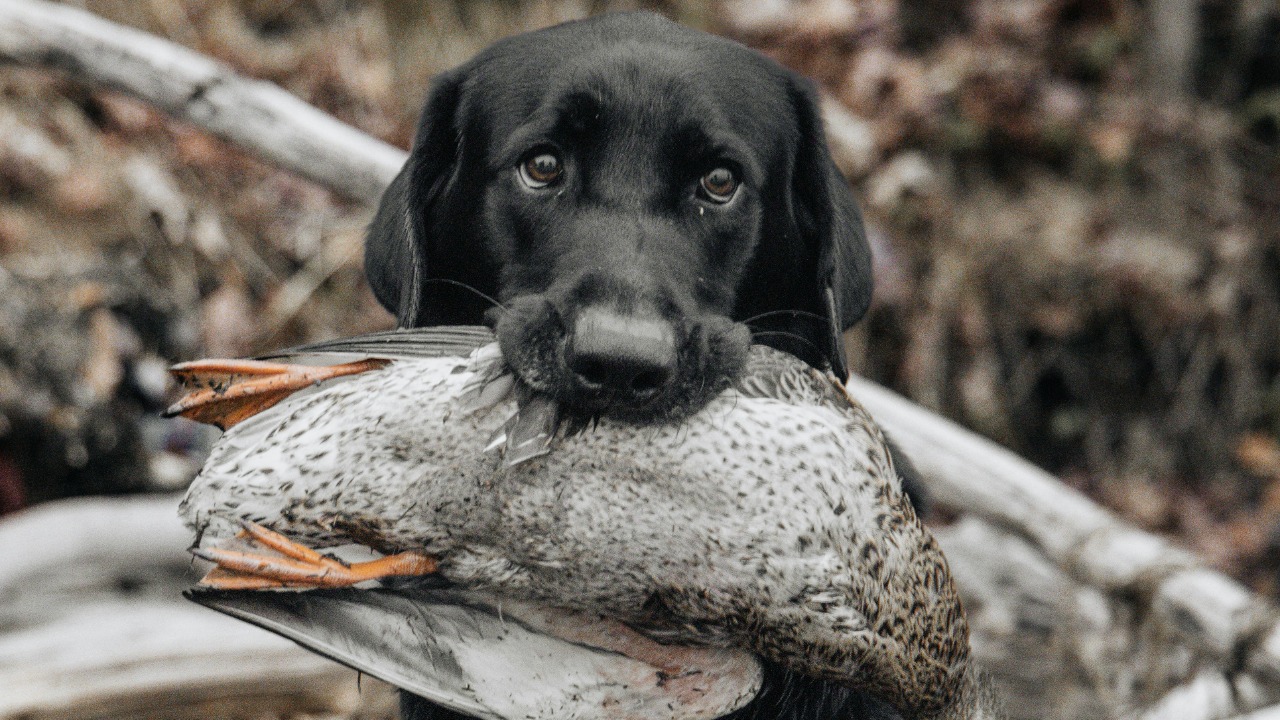
The Small Change That’s Improving Success Rates in hunting
Small adjustments in the field often separate a filled tag from another long walk back to the truck. Across modern hunting, the most reliable gains in success are coming not from radical new gear or secret spots, but from modest, repeatable tweaks that compound over a season. I have seen that when hunters focus on one or two precise changes in how they manage habitat or read country, their odds climb in a way that feels anything but small.
The most effective of these refinements share a pattern: they sharpen how you see animals, how animals experience your presence, and how predictably wildlife uses the ground you hunt. From subtle habitat work to smarter glassing, these incremental upgrades are reshaping success rates for deer and other game without demanding a total reinvention of tradition.
Reframing “success” as a series of small, controllable wins
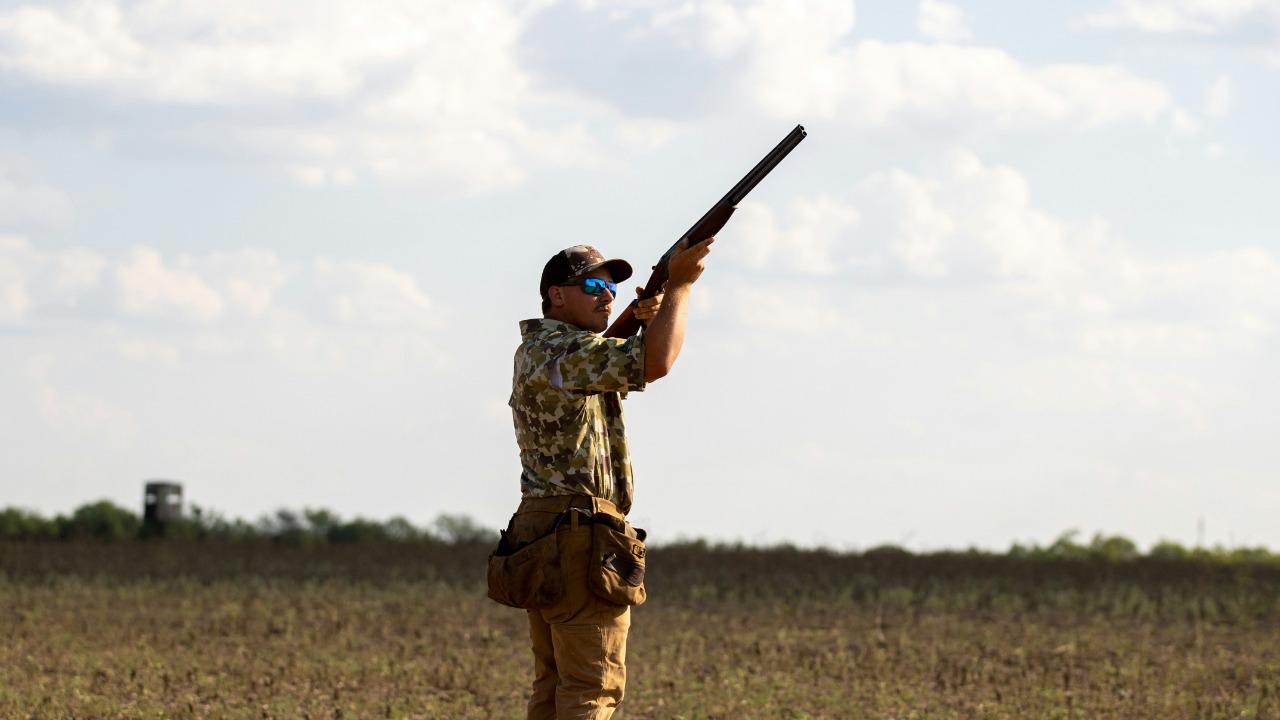
When hunters talk about success, the conversation usually jumps straight to antler size or meat in the freezer. I find it more useful to break success into smaller, controllable wins: getting within range more often, seeing game earlier in the day, or having animals behave calmly instead of bolting at the first hint of pressure. Once success is defined as a chain of these moments, it becomes obvious that a minor change in how you set up, move, or observe can shift the entire outcome of a hunt.
This mindset also lowers the stakes around experimentation. Instead of chasing a miracle tactic, I can test one variable at a time, like altering where I sit relative to a prevailing wind or trimming a single shooting lane in a thick funnel. Over a season, those micro-adjustments create a feedback loop: I see how deer react, I refine again, and my encounters become more consistent. The small change that improves success is rarely glamorous, but it is almost always repeatable and grounded in what the landscape and the animals are already telling me.
How modest habitat tweaks reshape deer movement
On private ground, the most powerful small change is often a subtle habitat improvement that nudges deer to move where you can hunt them effectively. Instead of trying to overhaul an entire property, I focus on micro-projects that make a specific trail, edge, or opening slightly more attractive or secure. By improving just a few key spots, I can influence daily travel patterns without turning the woods into a construction site that spooks every whitetail in the county.
Habitat specialist Steve Bartilla has long argued that even small improvements, such as tightening cover in a bedding area or enhancing a narrow food source, can make a disproportionate difference in how deer use a property. Backed by support from brands like Huntworth, his approach emphasizes targeted changes that make deer feel secure in daylight while still steering them past stand locations. When I apply that logic, I might hinge-cut a few trees to thicken a corridor, seed a modest strip of clover along an existing trail, or open a tiny pocket in the canopy to encourage browse. Each project is small enough to finish in an afternoon, yet together they create a pattern of movement that repeatedly puts deer within range.
Micro-adjusting stand placement instead of chasing new spots
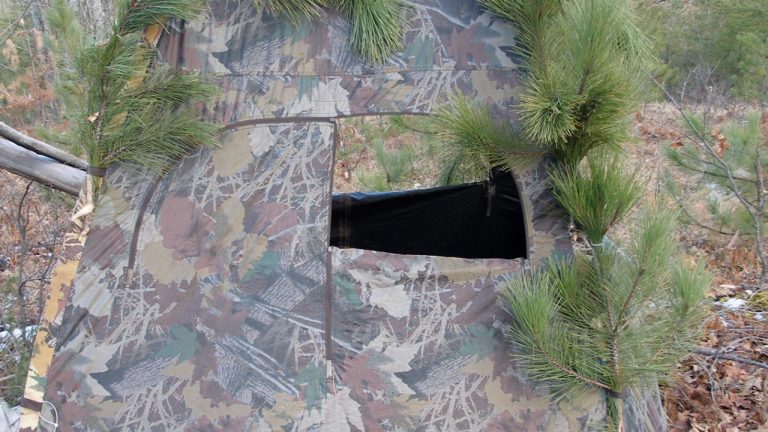
Many hunters respond to a slow sit by abandoning a stand and racing off to hang another one, often burning time and spreading scent across the property. I have had better results by making micro-adjustments to existing setups instead. Moving a stand 20 yards to account for a subtle wind swirl, shifting a few feet higher to break my silhouette, or rotating the platform to open a better shooting lane can transform a marginal tree into a high-odds ambush without rewriting the entire plan.
These small relocations matter because deer rarely change their core routes by hundreds of yards unless they are heavily pressured. More often, they skirt just out of range, using the same terrain features but hugging thicker cover or a slightly different contour. By studying where tracks and droppings actually concentrate relative to my tree, I can slide closer to the true line of travel while still respecting wind and access. Over time, this habit of fine-tuning stand placement, rather than constantly starting over, builds a network of proven trees that I trust in specific conditions, which directly raises my odds of consistent encounters.
Fine-tuning access and scent to stay “invisible” longer
Another small change with outsized impact is how I approach and exit a stand. Many blown hunts trace back not to what happens during shooting light, but to the noise, silhouette, or scent trail laid down on the way in or out. By slightly rerouting my access to avoid skylines, noisy leaf beds, or upwind crossings of likely bedding cover, I can arrive with far less disturbance. The difference might be as simple as circling an extra 100 yards to use a ditch, or timing my entry to coincide with a breeze that carries my scent away from known trails.
Once on stand, I treat scent control as a series of layered, modest improvements rather than a single magic product. Showering with neutral soap, storing outer layers in a clean bin, and dressing at the truck are all small steps that reduce contamination. The real leverage, though, comes from aligning those habits with wind and thermals so that my remaining odor drifts into areas deer are unlikely to use. When I combine cleaner access with disciplined scent management, deer often behave as if no one is there, feeding and traveling naturally instead of slipping through on edge. That calm behavior is what creates shot opportunities that would never appear if they sensed me 200 yards away.
Upgrading optics for earlier detection and better decisions
In open country or even broken timber, a modest upgrade in optics can be the small change that unlocks more opportunities. Clearer glass and a wider field of view let me pick up animals sooner, track their movement across ridges or cuts, and decide whether to move, wait, or reposition before they are on top of me. I do not need the most expensive binoculars on the market, but I do need a pair that gathers enough light at dawn and dusk to reveal subtle movement that cheaper lenses might miss.
Modern hunting binoculars are designed with this kind of situational awareness in mind. When I use optics that offer a larger field of view, especially in open areas, I can scan more country without constantly panning, which reduces fatigue and helps me catch fleeting motion on the edges of my vision. Guidance on the best hunting binoculars emphasizes how this broader window enhances overall awareness and decision making. In practice, that means I am less likely to be surprised by a buck slipping through a saddle or a herd of elk cresting a ridge, and more likely to be in position, calm and ready, when they appear.
Reading terrain with more discipline instead of more miles
Many hunters respond to slow action by walking farther and faster, hoping to bump into game. I have learned that a more effective small change is to read terrain with greater discipline before I ever leave the truck. Topographic maps, satellite imagery, and a basic understanding of how animals use wind and cover can reveal likely travel corridors, bedding benches, and feeding pockets that concentrate movement. By committing to hunt those features thoroughly instead of wandering, I trade random miles for targeted time in high-odds locations.
On the ground, this means slowing down at key features rather than charging past them. I pause at the head of a draw to glass, check for fresh sign where two ridges pinch together, and note how wind behaves around saddles or benches. Each observation feeds back into my mental map, helping me refine where I sit or still-hunt next. Over a season, this habit of reading and re-reading terrain, instead of simply covering more distance, leads to more encounters in predictable spots. The change is subtle, but the effect on success is profound, because I am finally hunting where animals want to be instead of where it is easiest for me to walk.
Using pressure and timing as precision tools
Hunting pressure is often treated as an unavoidable problem, but it can become a tool when I adjust my timing and positioning in small, deliberate ways. Rather than competing head-on with other hunters at obvious access points, I might slip into overlooked corners that receive less disturbance or time my sits to capitalize on how deer react to human movement. For example, if I know that nearby stands are typically occupied at first light and emptied by midmorning, I can plan to be set up along escape routes or secondary bedding cover that deer use after being bumped.
Timing also matters within a single day. A modest shift, such as committing to stay on stand an extra hour after most hunters leave for lunch, can pay off when pressured deer finally relax and move again. Similarly, hunting the fringes of legal light with optics and setups that allow safe, ethical shots often reveals animals that never appear during the more comfortable middle of the day. By treating pressure and timing as variables I can manipulate, rather than as fixed obstacles, I turn a crowded landscape into a predictable pattern that I can exploit with relatively small adjustments in when and where I hunt.
Refining shot selection and follow-up as a quiet force multiplier
Success rates are not only about seeing more animals, they are also about converting encounters into clean, ethical kills. A subtle but powerful change is to refine shot selection and follow-up discipline. Instead of stretching my effective range because a buck looks big, I commit to taking only those shots I have repeatedly proven in practice. That might mean passing on a quartering-to angle or a gusty crosswind at the edge of my comfort zone, even when the opportunity feels rare. Over time, this restraint leads to a higher percentage of recovered animals and fewer long, uncertain tracking jobs.
Follow-up habits matter just as much. The small decision to watch an animal carefully after the shot, mark the exact spot where it stood, and wait an appropriate amount of time before tracking can be the difference between a short blood trail and a lost deer. I also standardize how I read sign, noting the color and volume of blood, hair, and tracks before deciding whether to push or back out. These are not dramatic changes, but they compound across seasons, turning close calls into recoveries and marginal hits into rare exceptions. In the long run, that quiet improvement in efficiency is one of the clearest measures of real success.
Building a feedback loop so small changes keep paying off
The final small change that improves hunting success is simply taking notes. After each hunt, I jot down wind direction, deer sightings, stand location, and any unusual behavior I observed. Over weeks and years, those short entries reveal patterns that memory alone tends to blur. I start to see which winds truly work for a given stand, which access routes consistently produce calm deer, and which habitat tweaks actually shifted movement instead of just making me feel busy.
This feedback loop turns every outing into data for the next decision. When I return to a property, I am not guessing, I am iterating on a tested plan. The process also keeps me honest about what is working and what is not, so I can double down on the small changes that clearly move the needle and abandon those that do not. In a pursuit where luck will always play a role, that kind of disciplined refinement is the closest thing to control I can claim. It is rarely flashy, but season after season, it is what quietly raises my odds of success.

Leo’s been tracking game and tuning gear since he could stand upright. He’s sharp, driven, and knows how to keep things running when conditions turn.