Pentagon says 140 U.S. troops were injured during the first days of the Iran conflict
When a conflict breaks out, the early numbers rarely tell the full story. In the opening stretch of the current fight between the United States and Iran, the picture became clearer only after the dust settled and reports started coming in from across the region. The initial focus was on missile strikes, drone attacks, and air campaigns. But behind those headlines, another reality was taking shape.
Officials with the U.S. Department of Defense confirmed that roughly 140 American service members were injured during the first ten days of fighting in the conflict with Iran. Most of those wounds were classified as minor, though several troops remain seriously hurt and under intensive care.
If you want to understand what those numbers really mean, you have to look beyond the headlines and dig into where the injuries happened, how they occurred, and what the early days of this war have actually looked like on the ground.
The Number That Quietly Grew

In the early days of the conflict, casualty reports were limited. Initial public statements mentioned only a handful of severe injuries among American troops. As the situation developed, the total number of wounded gradually increased as medical reports came in from multiple bases across the Middle East.
Eventually, officials with the U.S. Department of Defense acknowledged that approximately 140 U.S. service members had been wounded during the first ten days of combat operations. The figure became public after reporters pressed officials for a clearer picture of the toll the fighting had taken on U.S. forces.
This kind of delayed accounting isn’t unusual in modern warfare. Blast injuries, concussions, and internal trauma often take time to diagnose. What might look minor during the initial hours after an attack can turn into something more serious once doctors run detailed examinations.
Most Injuries Were Classified as Minor
One detail that stood out in the Pentagon’s report was that most of the wounded troops did not suffer life-threatening injuries. According to military officials, the “vast majority” of those hurt were able to return to their units after treatment.
Roughly 108 of the injured service members were cleared to go back to duty after receiving medical attention. That number tells you something about the type of attacks American forces have faced so far—many involving blasts, debris, and shock waves rather than direct battlefield engagements.
Even so, injuries that seem minor in the short term can carry lasting effects. In modern conflicts, blast exposure often leads to concussions or traumatic brain injuries that may take weeks or months to fully reveal themselves.
Eight Troops Remain Severely Injured
While most of the wounded troops returned to duty, a smaller group suffered far more serious injuries. Pentagon officials confirmed that eight American service members remain classified as severely wounded.
Those troops are receiving advanced medical care, including treatment at specialized military facilities capable of handling complex trauma cases. Severe injuries in modern combat can include burns, penetrating wounds, and neurological damage caused by explosions.
For the families involved, those eight cases represent the harshest reality of the early fighting. Behind every number in a military briefing is a soldier dealing with a long recovery and a family waiting for news from hospital rooms far from home.
Drone Strikes Played a Major Role
The injuries did not come from large ground battles. Instead, much of the damage occurred during waves of missile and drone attacks targeting U.S. facilities across the region.
Iranian forces launched retaliatory strikes against American positions after U.S. operations began. Bases housing American personnel were hit with drones and rockets designed to damage infrastructure and disrupt operations.
Drone warfare has become one of the defining features of modern conflict. These aircraft are small, relatively cheap, and capable of slipping through air defenses if launched in large numbers. Even when they don’t destroy a base, the blast pressure from near misses can still injure troops nearby.
The Deadliest Early Attack Happened in Kuwait
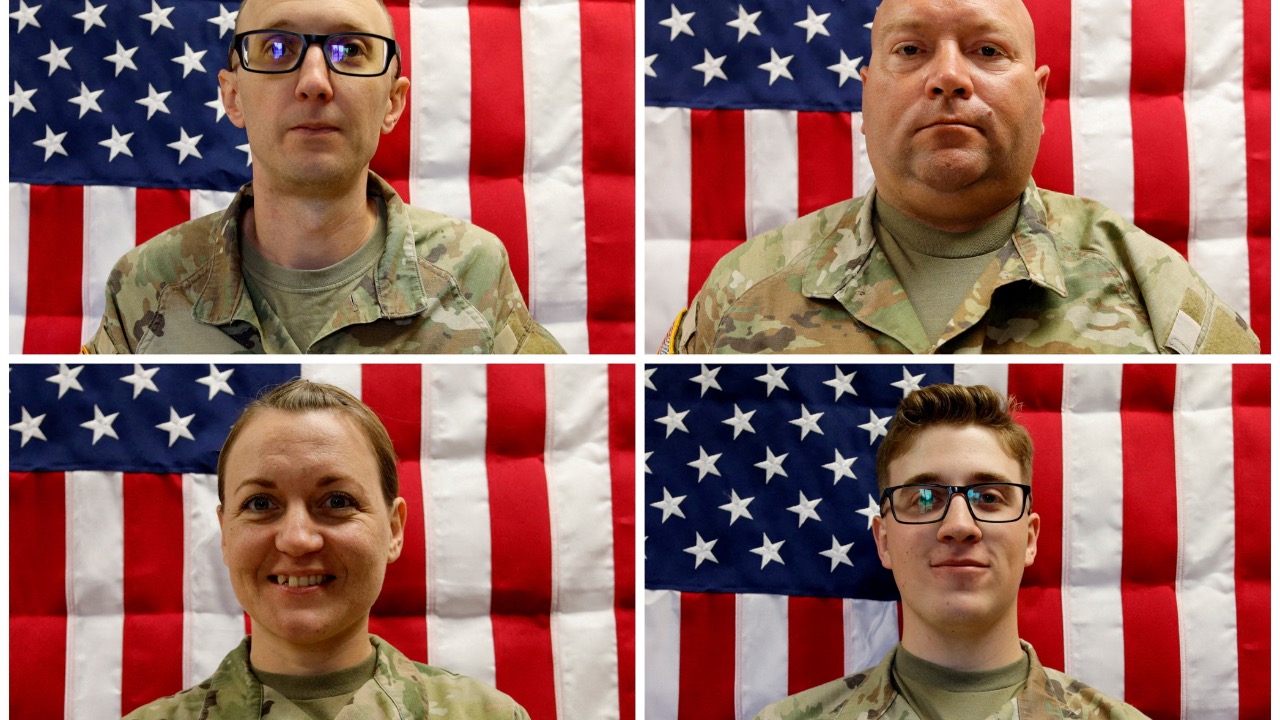
The most lethal incident in the early days of the conflict occurred in Kuwait. An Iranian drone strike hit a command facility used by U.S. forces, killing six American service members.
That attack represented the largest single loss of American life since the conflict began. The strike targeted a military operations center and sent shockwaves through the region’s network of bases.
For commanders, the attack underscored how vulnerable even well-defended installations can be when facing modern drone systems. It also triggered immediate changes in defensive posture across several American bases in the Middle East.
Another Soldier Died After an Earlier Attack
In addition to the six soldiers killed in Kuwait, another American service member died following injuries sustained during an earlier attack in Saudi Arabia.
That death pushed the early casualty count to seven U.S. troops killed since the conflict began. The losses came during retaliatory strikes launched after the initial U.S. and allied attacks on Iranian targets.
Even when fighting happens far from the American public’s daily life, these moments bring the reality of war sharply into focus. For the military community, each name on the casualty list carries weight across units and families alike.
The Fighting Began With Operation Epic Fury
The current conflict escalated rapidly after the launch of a military campaign known as Operation Epic Fury. The operation involved coordinated strikes against Iranian military targets and infrastructure.
The United States and allied forces targeted weapons facilities, missile launchers, and command centers believed to support Iran’s regional military activities. The campaign began near the end of February and quickly expanded across several locations tied to Iran’s military capabilities.
Once those strikes began, retaliation followed almost immediately. Iran responded with missile and drone attacks aimed at American positions throughout the region.
Many Injuries Came From Blast Effects
When people think of combat injuries, they often picture gunfire or shrapnel. But modern battlefields produce a different pattern of wounds.
Many of the injuries reported in this conflict are believed to come from blast pressure rather than direct impact. Explosions from missiles or drones can produce shock waves strong enough to cause brain injuries even if a soldier is several yards away.
Doctors have seen this pattern repeatedly in recent wars. The explosion itself may not leave visible wounds, but the force of the blast can disrupt brain function and lead to symptoms days or weeks later.
Why Early Casualty Numbers Often Change
Military casualty reports almost always evolve during the first weeks of a conflict. Medical teams continue evaluating injured personnel, and symptoms sometimes appear well after the original attack.
Blast exposure, in particular, has a habit of revealing its full impact over time. A soldier might initially report headaches or dizziness that later turns out to be a concussion or traumatic brain injury.
That’s one reason the Pentagon’s injury total increased as more reports arrived from field hospitals and medical units. What starts as a rough estimate often becomes more precise once doctors complete detailed evaluations.
The War’s First Days Set the Tone
The early phase of any conflict often shapes everything that follows. In this case, the opening days showed how quickly modern warfare can produce injuries even without large ground battles.
Missiles, drones, and airstrikes have defined the first stage of the fight between the United States and Iran. The wounded troops represent the immediate human cost of that exchange.
For now, the figure of roughly 140 injured service members provides the clearest snapshot of what those first days looked like for American forces. And if history is any guide, those numbers may continue to evolve as the conflict unfolds.

Asher was raised in the woods and on the water, and it shows. He’s logged more hours behind a rifle and under a heavy pack than most men twice his age.