Hunter Mauled by Grizzly in Brutal Attack—Lives to Tell the Harrowing Tale of Fighting Back
A veteran hunter pushed to the edge of death by a charging grizzly, clawing and biting his way out of the attack, sounds like a scene written for television. For a group of Canadian hunters in the Rockies, though, that nightmare unfolded in real time, leaving one man torn open, fighting back with his bare hands and his wits. His survival, and the losses suffered by others in similar attacks, show how quickly a routine day in the mountains can turn into a life-or-death struggle against one of North America’s most powerful predators.
The story of a hunter mauled by a grizzly and still able to tell what happened is not an isolated miracle. It fits into a pattern of encounters in British Columbia, Alberta and the northern United States, where hunters, anglers and hikers are crossing paths with grizzly bears more often. Some, like the man at the center of this account, survive through grit, fast thinking and help from partners. Others, such as an elk hunter in British Columbia who died weeks after his attack, do not.
The Predator Behind the Attack
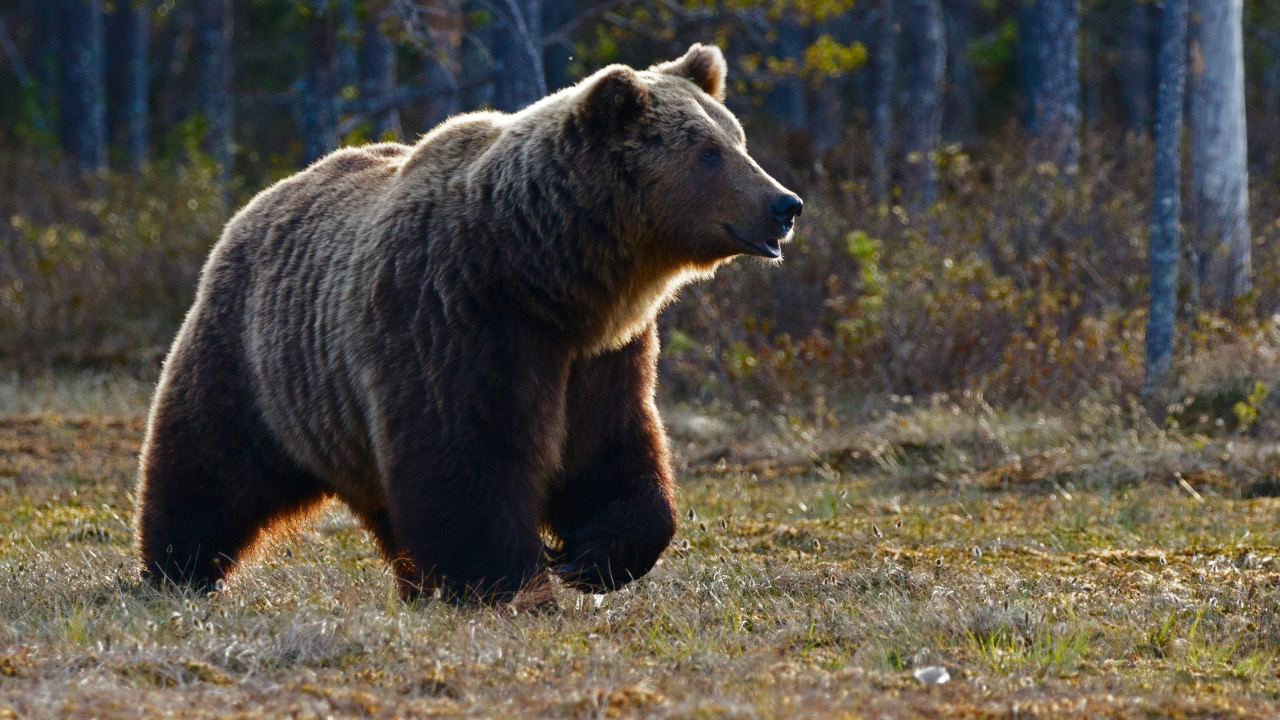
To grasp what it means to be mauled by a grizzly, it helps to understand the animal itself. A mature grizzly bear, cataloged in wildlife references as Ursus arctos horribilis, can weigh several hundred kilograms, with muscle, claws and teeth built for digging, running and killing. These bears can sprint faster than a human can run on level ground, and they often live in the same rugged country that attracts hunters looking for elk, deer or sheep.
In grizzly country, hunters are not just visitors. They move quietly through cover, often following game trails at dawn or dusk, exactly the times when bears are most active. The same skills that help a hunter slip within range of an elk also increase the chance of walking straight into a bear at close distance. When that happens, the animal’s reaction can be instantaneous. A sow defending cubs or a surprised bear over a carcass may charge with no warning, closing the gap in seconds.
Wildlife agencies in western Canada have described rising contact between people and grizzlies as more humans head into the backcountry and as bear populations recover in some regions. Those trends frame the attacks that have shocked communities in British Columbia and Alberta, and they set the stage for the brutal encounter that left one hunter bleeding on the forest floor, trying anything he could think of to stay alive.
A Routine Hunt Turns Violent
The hunter at the center of this account had gone into the mountains expecting a demanding but familiar day. He was experienced in the bush, comfortable with a rifle and confident in his ability to read sign and stay safe. That confidence was shared by people like Joe, an elk hunter and outdoor guide in British Columbia who also trusted his skills in wild places. Joe’s trip into the East Kootenays began as a standard outing, with plans to look for elk in thick timber and broken ridges.
In Joe’s case, the landscape held a deadly surprise. As he moved through the woods, he came across a grizzly bear with two cubs. That kind of meeting triggers one of the most dangerous situations in bear country, because a sow with cubs is primed to see any nearby presence as a threat. The account of Joe’s family describes how quickly the encounter turned from recognition to attack, with the bear closing the distance before he had time to react.
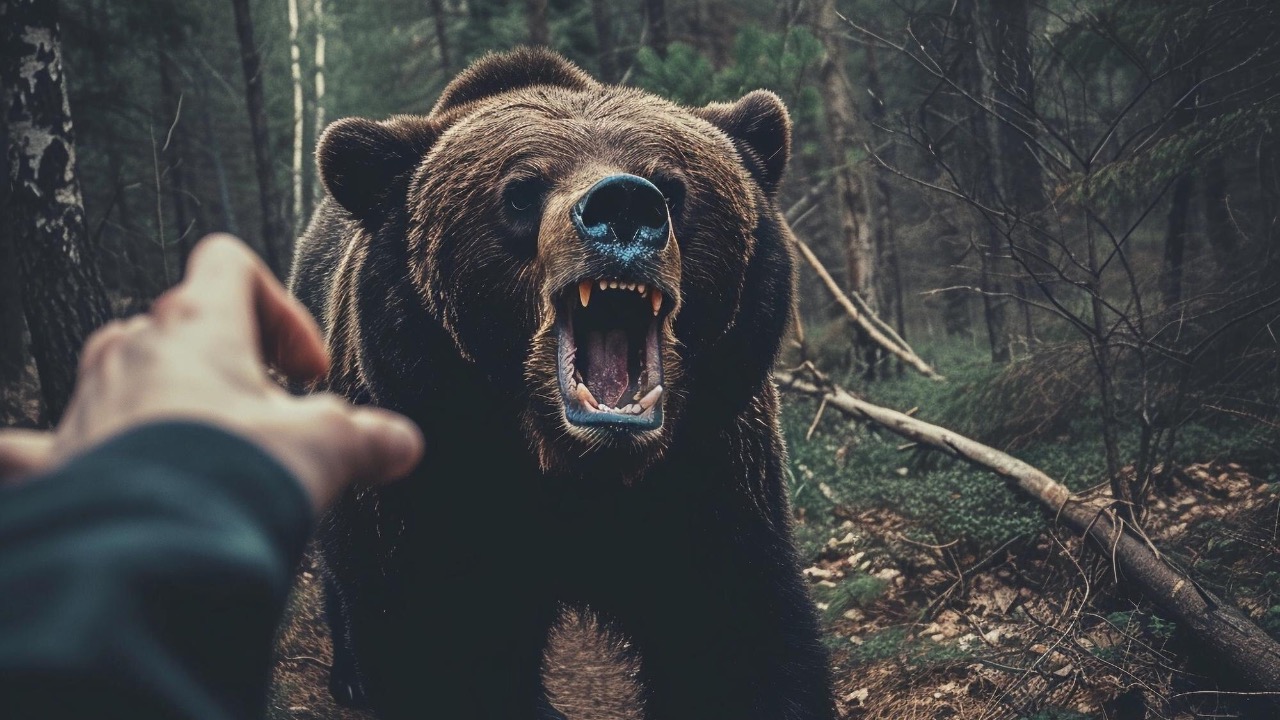
For the surviving hunter, the pattern was similar. He was focused on his quarry, moving through brush and listening for the sounds of elk or deer. The first sign of trouble was not a distant shape or a warning growl. It was the sudden crash of vegetation and the sight of a large brown form exploding from cover. In a heartbeat, the hunt was over and a fight for survival had begun.
Impact, Claws and Chaos
When a grizzly hits a person, the force is overwhelming. Hunters who have lived through attacks describe the first impact as being hit by a truck. In Joe’s case, the bear’s initial charge knocked him off his feet and drove him into the ground. The animal’s weight pinned him as claws and teeth began to tear into his body. His wife, Janice Pendry, later explained that Joe’s injuries included deep bites to his head and severe damage to other parts of his body, injuries so serious that he would eventually die of a blood clot weeks after the attack, even after rescuing himself.
The hunter who survived a similar mauling recounts the same blur of sensation. The bear’s claws raked across his back and shoulders, shredding clothing and skin. Teeth clamped down on his arm and then his head, crushing and shaking. The world shrank to fur, blood and the sound of his own bones grinding. He could feel ribs flex and crack under the animal’s weight. Breathing became difficult as the bear pressed down, trying to immobilize him.
In those first seconds, there was little room for strategy. Instinct took over. The hunter curled as best he could, trying to shield his neck and stomach. His rifle, the tool that had given him confidence all morning, was useless at that range. It had flown from his hands or was pinned under the bear’s body. The only weapons left were his fists, elbows and teeth.
Fighting Back with Bare Hands
Fighting a grizzly with bare hands sounds like fantasy, yet survivors have done exactly that. Joe, who had a background as a boxer and outdoor hunting guide, drew on that training as the bear mauled him. According to Janice Pendry, he repeatedly punched the bear in the nose, trying to drive it off. Instead of backing away, the animal intensified its assault, shifting its grip and inflicting new wounds. At one stage, she said, he felt the bear’s teeth in his head, but he kept striking, a tough fighter refusing to quit.
Another hunter, alone in the Alberta Rockies, showed a similar refusal to surrender. Jeremy Evans was attacked while hunting in that mountain range in 2017. The encounter came after a call that drew in a grizzly, and the violence that followed left him badly injured. His story, shared later with a hunting community, described the eerie silence that follows horror and the determination required to keep moving when the body is torn and shock is closing in.
In Montana, a man who survived a bear attack in the wilderness recalled a story his grandmother had once shared with him about large animals and their gag reflex. As the bear clamped down on him, he remembered that detail and acted on it, using his hands inside the animal’s mouth to trigger a reaction. That desperate move, rooted in a half-remembered family tale, helped interrupt the attack long enough for him to escape.
The hunter in the current account reached for similar tactics. With the bear’s head close to his, he clawed at its eyes and nose, aiming for the most sensitive spots. When the animal bit down on his arm, he shoved the limb deeper, trying to choke or distract it. Every move came with a cost in torn flesh, yet each second of resistance increased the chance that the bear would decide the fight was not worth the effort.
Lessons from a Boxer’s Battle
Joe’s story remains one of the most vivid illustrations of what it takes to fight back and what those efforts can and cannot change. During the attack in the East Kootenays, he kept punching, even as the bear’s aggression escalated. Janice Pendry described how he drew on his boxing skills and his toughness to keep striking, even after suffering catastrophic injuries. He eventually managed to break free and make his way to help, an escape that required both physical grit and mental clarity.
According to a detailed account of the incident, the B.C. Conservation Officer Service later described how Joe had encountered the sow and two cubs, survived the mauling and reached safety, only to face a long medical battle. His recovery involved treatment for deep wounds to his head and body. For a time, it appeared that he had beaten the odds. Then a blood clot formed, and weeks after the initial attack he died, turning a survival story into a reminder of how long the consequences of such trauma can last.
That sequence, from fight to escape to delayed medical crisis, shapes how hunters and families now talk about grizzly attacks. Surviving the first minutes is only the beginning. Massive blood loss, infection, organ damage and clots can all threaten a victim long after the bear has disappeared into the trees. Joe’s experience has become a reference point for others who head into similar country, a warning that toughness and skill matter, but that even the strongest fighter can be undone by injuries that keep unfolding inside the body.
Another Hunter, Another Mauling
Joe’s attack did not happen in isolation. Around the same period, another elk hunter in British Columbia was mauled by a grizzly and died three weeks later. That incident, described in detail by hunting and conservation writers, involved a man who had gone out on October 2 in search of elk. He was in familiar terrain in British Columbia, a place where people regularly go to recreate and hunt, when a grizzly bear attacked.
After the mauling, the hunter was transported for medical care and fought for his life for several weeks. Despite treatment, he did not recover. His death, three weeks after the initial encounter, reinforced the message that grizzly attacks can have long, unpredictable medical trajectories. The same account highlighted how the region has become a focal point for debate over grizzly management, as people who value access to wild places weigh the risks of sharing that space with large carnivores.
The story of this elk hunter, placed alongside Joe’s, illustrates both the common threads and the differences in how these attacks unfold. Both men were experienced in the outdoors. Both were hunting elk in British Columbia. Both encountered grizzlies in thick cover. One managed to fight his way out and initially appeared to be on the mend before a blood clot took his life. The other never left the medical system after the attack and died within the same month. Together, their stories frame the survival of the hunter in the current account as a rare outcome in a very narrow margin.
Airlift, Surgery and a Fragile Recovery
When a grizzly mauls a person, the response that follows can be as decisive as the fight itself. In one recent case, a hunter named Sayer was airlifted to a hospital after being mauled by a grizzly bear. While at the hospital, Sayer improved and was reported to be in non life threatening condition as of October 31. An EMS spokesperson described how emergency crews had reached him and coordinated the evacuation from remote country. The organization that supported him later said that he still faced a long road to recovery.
The hunter at the center of this account went through a similar sequence. Once the bear broke off the attack, either because it believed the threat was neutralized or because it was startled by noise or movement, his partners rushed in. They applied pressure to wounds, improvised bandages from clothing and gear, and used satellite communication devices to call for help. In rough terrain, every minute waiting for a helicopter or rescue team can mean more blood lost and more tissue damage.
When rescuers arrived, they had to stabilize him in the field before transport. That often means inserting IV lines, securing airways and managing pain while still in the backcountry. The flight out, whether by helicopter or fixed-wing aircraft, carries the victim from alpine slopes or dense forest to trauma centers equipped to handle massive soft tissue injuries. Surgeons then work to clean wounds contaminated with dirt and fur, repair torn muscles and ligaments, and monitor for complications like infection and clots.
For Sayer and for the surviving hunter in this narrative, the initial news from the hospital was cautiously positive. Both were described as being in stable or improving condition. Yet the experiences of Joe and the elk hunter who died three weeks after his attack show how fragile that stability can be. Families and medical teams must stay alert for subtle changes that might signal a new crisis, even after the most visible wounds have been stitched and bandaged.
Patterns Across Alberta and Beyond
Recent seasons have produced a string of grizzly attacks on hunters across western Canada. In Alberta, one report described how another hunter was mauled by a grizzly during a trip in that province. The incident was noted as part of a troubling pattern, coming after a separate attack in neighboring British Columbia. The Alberta case involved a hunter who was surprised at close range, a scenario that mirrors what happened to Joe and to the elk hunter in British Columbia.
Earlier, in the Alberta Rockies, Jeremy Evans had already become a symbol of survival after his own attack in 2017. His story circulated widely in hunting circles, with details about how he was hunting alone when the grizzly charged, how he endured the mauling and how he coped with the silence that followed. That silence, the moment after the bear leaves and the victim is left alone with injuries and fear, is a recurring theme in survivor accounts.
Across the border in Montana, the wilderness attack that left one man remembering his grandmother’s story about gag reflexes added another layer. In that case, the victim’s quick recall of a small piece of information made the difference between being crushed and finding an opening to escape. Together, the Alberta, British Columbia and Montana stories show that while every attack is unique, the conditions that lead to them and the split-second decisions that shape their outcomes share many similarities.

Asher was raised in the woods and on the water, and it shows. He’s logged more hours behind a rifle and under a heavy pack than most men twice his age.