Tragic Turn in the Brush: Texas Rancher Asher Watkins Killed by Charging Cape Buffalo During Dream Trophy Hunt
The final hours of Texas rancher and real estate executive Asher Watkins were meant to cap a lifelong dream in the African bush. Instead, the 52-year-old millionaire was fatally gored when a Cape buffalo suddenly charged through the brush during a guided safari in South Africa, turning a coveted trophy hunt into a stark reminder of how quickly power and planning can collapse in the face of wild nature.
Watkins, a prominent figure in Texas ranching and property circles, had traveled to Limpopo Province in pursuit of one of Africa’s most sought-after and dangerous big game animals. Within seconds of the buffalo’s charge, the man who built a fortune on land and livestock lay mortally wounded on foreign soil, leaving a stunned hunting party and a divided public to reckon with what his death represents.
The final stalk in Limpopo
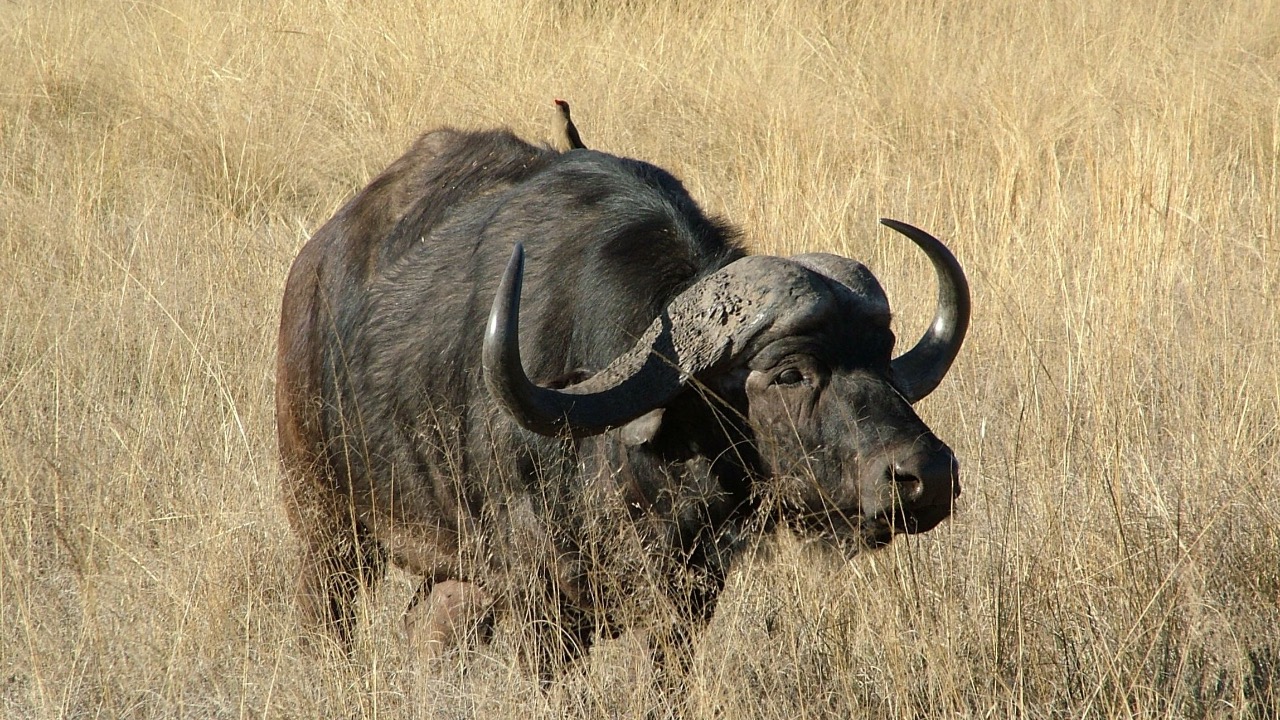
According to accounts from the hunting party, Asher Watkins was moving through dense cover in Limpopo Province with a professional hunter and a tracker when the attack unfolded. The group was pursuing a Cape buffalo, one of the so-called “Big Five” species that draw international hunters to South Africa’s private game reserves. In the thicket, visibility narrowed, and the buffalo broke from cover at close range, leaving almost no time to react before its horns struck Watkins with fatal force.
Friends and hunting commentators described Watkins as an avid and experienced hunter who had long dreamed of taking a mature Cape buffalo in Africa. A detailed social media tribute from a hunting community page identified him as a 52-year-old millionaire from Texas who had joined a professional hunter and tracker on the trip in Limpopo Province, South Africa, and who died after the animal’s sudden charge. That post, which circulated widely among big game enthusiasts, cast the incident as a devastating loss for a tight-knit circle of international hunters.
The safari was organized through a professional outfitter, and the party was operating under local permits and regulations when the encounter turned deadly. On a separate platform, a retrospective look at the year’s major Texas stories described how Watkins, a 52-year-old Texas millionaire associated with the Watkins Ranch Group in Dallas, was killed by a Cape buffalo while on a hunting trip in South Africa. Together, those accounts sketch a picture of a carefully planned, high-end safari that still could not eliminate the core risk of confronting a powerful wild animal at close quarters.
Who was Asher Watkins?
Within Texas ranching circles, Asher Watkins was known as more than a weekend sportsman. He was described in multiple accounts as a Texas rancher, a real estate executive and a millionaire whose business interests extended through the Watkins Ranch Group in Dallas. A year-end summary of notable Texas events highlighted him as a Texas millionaire from the prominent Watkins Ranch Group in Dallas, underscoring his status in both cattle and property markets.
An additional remembrance from an animal advocacy page referred to him as a Texas rancher and real estate executive and again specified that he was 52 at the time of his death. That same post framed him as a trophy hunter who had traveled to South Africa to pursue a Cape buffalo, a species that has become a symbol of both prestige and controversy in modern big game hunting.
Search results for Asher Watkins reflect this dual identity. On one hand he appears as a successful Texas businessman with deep roots in ranching, on the other as a globe-trotting hunter whose social media footprint and hunting connections placed him within an international network of outfitters, guides and fellow enthusiasts. Those two sides converged in Limpopo, where the wealth he built on land at home gave him access to private concessions and high-value tags abroad.
The Cape buffalo’s lethal reputation
The animal at the center of the tragedy is not a peripheral figure in African wildlife lore. The Cape buffalo is widely regarded as one of the continent’s most dangerous large mammals, a reputation reinforced by its massive build, unpredictable temperament and tendency to charge perceived threats. Wildlife references describe the Cape buffalo as a powerful bovine with a robust body, heavy horns and a social structure that can produce aggressive behavior when a herd member feels cornered.
General information on the Cape buffalo notes that adult bulls can weigh well over 1,000 pounds and are capable of short, explosive charges that outpace human reaction times. Hunters often refer to them as “black death,” a nickname rooted in stories of wounded animals circling back on their pursuers or erupting from cover with little warning.
Additional reference entries on the species’ behavior emphasize that even unprovoked animals can become aggressive if surprised at close range, especially in thick brush where escape routes are limited. That profile aligns with descriptions from Watkins’s hunt, where the buffalo reportedly charged from dense cover during a stalk, a scenario that leaves professional hunters little margin for error.
Another reference to the Cape buffalo’s ecology highlights the animal’s role in savanna ecosystems and its importance to both photographic tourism and hunting economies. That dual role helps explain why the species occupies such a contentious place in public debate: it is at once a charismatic wild icon, a source of revenue and, as in Watkins’s case, a lethal adversary.
Inside the guided safari industry
Watkins’s final hunt unfolded within a highly structured industry that caters to affluent international clients. Professional outfitters arrange travel, secure permits, coordinate with landowners and provide the professional hunters and trackers who lead clients into the field. One such operator, Coenraad Vermaak Safaris, confirmed in a public statement that Watkins was killed when a buffalo he was hunting fatally struck him and described the incident as sudden and unprovoked.
Coenraad Vermaak Safaris presents itself as a long-established outfitter that specializes in dangerous game hunts across several African countries. Its website, which markets guided hunts for Cape buffalo and other Big Five species, outlines the use of experienced professional hunters, trackers and support staff who are trained to manage risk in the field. Promotional material on Coenraad Vermaak Safaris emphasizes safety protocols, careful planning and adherence to local regulations, yet the Watkins case shows that even such structures cannot fully neutralize the unpredictability of wild animals.
Reports from Texas outlets and national broadcasters state that the safari company characterized the buffalo’s charge as sudden and unprovoked and that members of the hunting party were understandably shaken in the aftermath. One local report quoted the company’s expression of sympathy to Watkins’s family and its commitment to assist with the investigation and repatriation process. Another account noted that the professional hunter who guided the trip told multiple outlets that the buffalo was unwounded at the time of the charge, a detail that contradicts the more common narrative of wounded buffalo turning on their pursuers.
Within the broader safari industry, such incidents are rare but not unheard of. Other recent reporting described a Texas big game hunter who was killed while stalking an African Cape buffalo, again highlighting the lethal risk even experienced hunters face. These cases circulate quickly through hunting forums and social media, where they are dissected for lessons about shot placement, approach tactics and the limits of human control in wild spaces.
Conflicting narratives and public reaction
In the days after Watkins’s death, narratives about what happened and what it meant diverged sharply. Hunting community tributes portrayed him as a dedicated outdoorsman who accepted the risks inherent in pursuing dangerous game. A detailed post from a hunting-focused page described how tragedy struck the hunting community when Asher Watkins, an avid hunter from Texas, was gored by a Cape buffalo in Limpopo Province while accompanied by a professional hunter and a tracker. That account framed the event as a somber reminder of the respect such animals command.
At the same time, animal welfare advocates seized on the incident as an indictment of trophy hunting itself. An advocacy page that reported on Watkins’s death described him as a Texas rancher and real estate executive, 52 years old, who was gored to death by a Cape buffalo during a guided safari in South Africa, and used the story to question the ethics of killing charismatic wildlife for sport. Comment threads beneath that post filled with arguments over whether the buffalo’s survival and Watkins’s death represented a kind of moral inversion, with some readers expressing sympathy for the animal rather than the hunter.
Texas-focused coverage added another layer by emphasizing Watkins’s wealth and status. A feature that looked back on major Texas stories of the year highlighted him as a 52-year-old Texas millionaire from the Watkins Ranch Group in Dallas, killed by a Cape buffalo during a hunting trip in Africa, and noted that the full tally of his previous kills remained unknown. That framing invited readers to see the incident not only as a personal tragedy but also as a symbolic clash between a powerful landowner and the wild animals he pursued.
National coverage of a similar case, in which a Texas big game hunter was killed while stalking an African Cape buffalo, broadened the conversation to include questions about how often such hunts end in injury or death and what level of risk is acceptable in the name of sport and tradition. In that report, the safari company again described the attack as sudden and unprovoked, language that echoes the statements issued after Watkins’s death and that has become familiar in coverage of dangerous game incidents.
The ethics and economics of trophy hunting
Watkins’s death also revived long-running arguments about the role of trophy hunting in African conservation and rural economies. Supporters of regulated hunting point to the revenue generated by high-priced safaris, which can fund anti-poaching patrols, habitat management and community projects. Professional outfitters like Coenraad Vermaak Safaris market their services in part on this claim, presenting guided hunts as a way for wealthy clients to contribute to conservation while pursuing personal adventure.
Critics challenge that narrative and argue that the benefits are unevenly distributed and often fail to reach local communities. The hunting community tribute that reported on Watkins’s death included commentary about how corruption can limit the gains from hunting revenue, suggesting that even some hunters acknowledge the system’s flaws. Animal protection groups go further and contend that any conservation funding that depends on killing iconic species like Cape buffalo is ethically compromised and vulnerable to market swings.
In Watkins’s case, the optics were particularly charged. Here was a millionaire Texas rancher, accustomed to managing livestock and land at scale, traveling to Africa to pay for the chance to shoot a wild bovine that many locals regard with a mix of fear and respect. His death at the horns of that animal became, for some observers, a grim parable about hubris. For others, especially in the hunting world, it was a tragic but honorable end for a man who accepted the risks of his passion.

Leo’s been tracking game and tuning gear since he could stand upright. He’s sharp, driven, and knows how to keep things running when conditions turn.