The hunting rifles guides trust deep in the backcountry
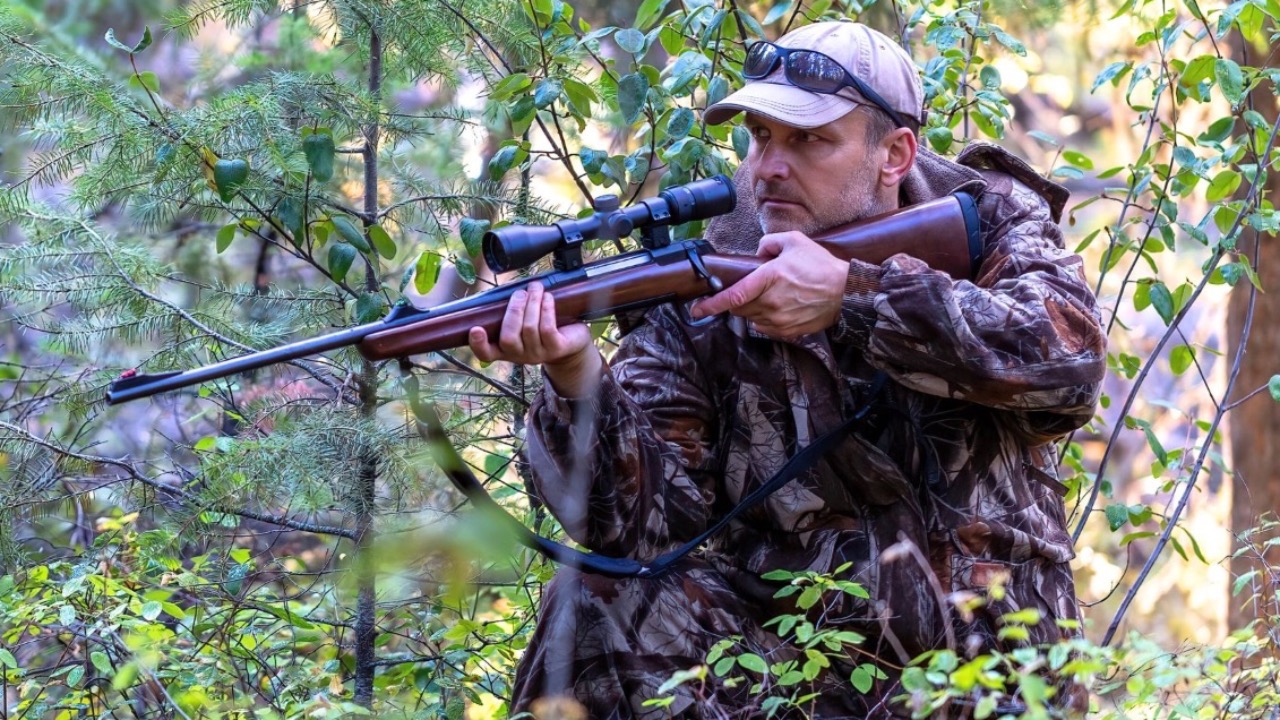
Spend enough time around professional hunting guides and you’ll notice something interesting about their rifles. They aren’t chasing trends, and they rarely show up with the newest thing on the rack. Guides spend months living with their gear in rain, snow, dust, and steep country where a single failure can ruin a hunt. When you’re days from the nearest road, the rifle on your shoulder needs to feed smoothly, hold zero, and work every single time you cycle the bolt.
That kind of reliability narrows the field quickly. Backcountry guides lean toward rifles with proven actions, practical weights, and triggers they trust without thinking about them. Accuracy matters, but durability and consistency matter more. When you see these rifles in camp, you know they earned their place the hard way.
Kimber Montana
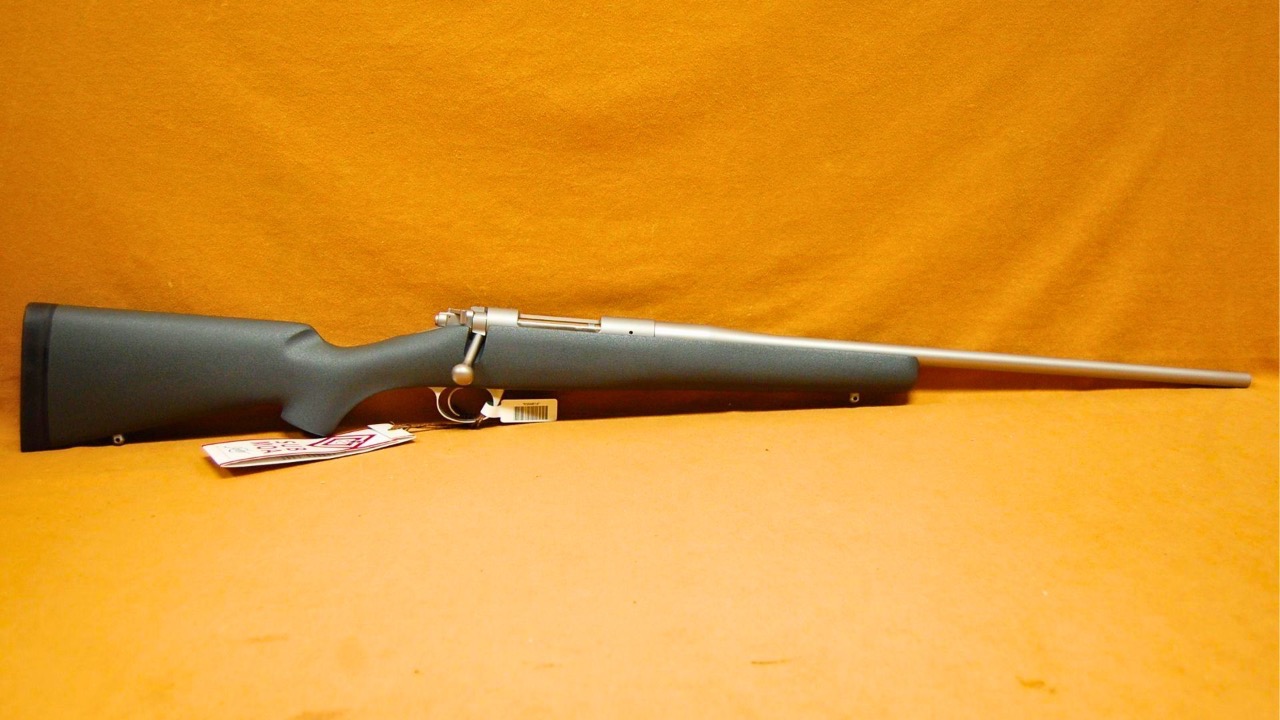
If you’ve ever hunted steep country, you understand why the Kimber Montana earned such loyalty among guides. The rifle is light enough that you hardly notice it during long climbs, but it still maintains the stiffness needed for reliable accuracy. That balance matters when you’re covering miles in sheep or mule deer country.
The controlled-round-feed action runs clean and smooth even after days of dust or wet weather. The synthetic stock shrugs off abuse, and the rifle rarely shifts zero once it’s dialed in. Guides appreciate that you can carry it all season without feeling worn down, yet still have a rifle capable of clean shots across open basins.
Tikka T3x Lite
Many guides quietly carry a Tikka T3x Lite because it does exactly what a backcountry rifle should do. The action cycles smoothly with very little effort, which matters when you need a quick follow-up shot without shifting position.
The rifle is also known for consistent accuracy straight from the factory. You’ll find guides chambering it in practical cartridges like .308 Winchester or .30-06 because those rounds are easy to find and perform reliably across a wide range of game. The lightweight design keeps fatigue down during long hikes, while the synthetic stock handles rain and rough handling without complaint.
Winchester Model 70 Extreme Weather
Guides who prefer a traditional controlled-round-feed action often reach for the Winchester Model 70 Extreme Weather. The design builds on decades of field use, and the claw extractor is trusted when a clean feed matters most.
The stainless steel construction paired with a durable synthetic stock holds up well in wet climates like Alaska or the Pacific Northwest. Many guides like the rifle chambered in .300 Winchester Magnum or .338 Winchester Magnum for the added reach and authority on larger animals. It’s not the lightest rifle in camp, but when conditions turn ugly, it keeps working.
Browning X-Bolt Hell’s Canyon Speed
The Browning X-Bolt Hell’s Canyon Speed shows up in guide camps more often than people realize. It’s built for harsh terrain, with a fluted barrel and Cerakote finish that resist weather and hard use.
Guides like the rifle’s adjustable trigger and consistent accuracy. When you’re helping clients get steady on a hillside, it helps to know the rifle will place bullets exactly where it’s aimed. The detachable rotary magazine feeds smoothly, and the overall weight stays manageable during long climbs. It’s a modern rifle that has proven it can handle serious hunting conditions.
Ruger Hawkeye Alaskan
The Ruger Hawkeye Alaskan has built its reputation in places where weather and big animals test equipment hard. Guides who work in bear country appreciate the strong controlled-round-feed action and sturdy construction.
The rifle balances well despite its compact design, making it easier to maneuver through brush or dense timber. Chamberings like .375 Ruger give it serious stopping power when hunts move into dangerous territory. The Hawkeye’s reliability is the real reason it stays in guide camps. When things happen fast and the stakes are high, the rifle keeps feeding and firing.
Weatherby Mark V Backcountry Ti
Some guides who spend weeks climbing high country appreciate how light the Weatherby Mark V Backcountry Ti feels on the shoulder. The titanium action and carbon-fiber stock keep weight remarkably low without sacrificing strength.
That matters when you’re covering steep terrain day after day while packing gear, spotting scopes, and camp supplies. Despite its lightweight build, the rifle maintains excellent accuracy. Many guides run it in cartridges like 6.5 PRC or .300 Weatherby Magnum to stretch effective range across wide mountain basins where animals rarely cooperate with close shots.
Savage 110 Ultralite
The Savage 110 Ultralite is another rifle that shows up in the mountains because it solves a common problem: weight. The Proof Research carbon-fiber barrel keeps the rifle light without giving up stability.
Guides appreciate the adjustable AccuTrigger, which allows them to fine-tune pull weight without complicated gunsmith work. The rifle also tends to shoot tight groups with factory ammunition, which saves time when preparing for a season. When you’re hiking ten miles into a basin with a pack on your back, every pound matters, and the Ultralite helps keep that burden manageable.
Christensen Arms Ridgeline
The Christensen Arms Ridgeline has found a place with guides who want a modern rifle capable of excellent accuracy in rough terrain. The carbon-fiber wrapped barrel reduces weight while maintaining rigidity.
Guides often mention how well the rifle carries during long days in the field. It balances nicely and handles steep shooting angles without feeling awkward. The stainless steel action resists corrosion, and the rifle tends to maintain its zero even after hard travel. For hunts that involve long climbs and unpredictable weather, that level of consistency earns trust.
Sako 85 Finnlight
The Sako 85 Finnlight is one of those rifles guides rarely brag about, but they rely on constantly. It combines excellent machining with a smooth action that cycles effortlessly even in cold weather.
The rifle’s synthetic stock handles wet conditions well, and the overall balance makes it comfortable to carry during long tracking days. Accuracy tends to be excellent, which is helpful when guiding clients across open tundra or high ridges. While it isn’t the cheapest option, guides who use it appreciate that it performs consistently season after season without needing much attention.
Remington Model Seven
The Remington Model Seven has been quietly riding in scabbards for decades. Its shorter action and compact design make it well suited for hunting thick timber and steep terrain.
Guides like how quick it handles when a shot opportunity appears suddenly. The lighter weight also helps when climbing or navigating brushy slopes. Chambered in practical cartridges like 7mm-08 or .308 Winchester, the Model Seven offers reliable performance without unnecessary bulk. It may not draw much attention in camp, but it has proven itself through years of hard use.
Bergara B-14 Ridge
The Bergara B-14 Ridge has gained a following among guides who want accuracy without carrying an overly heavy rifle. The action runs smoothly, and the barrel quality helps it produce consistent groups.
The rifle’s synthetic stock handles rain and rough handling well, which matters during multi-day hunts in unpredictable weather. Many guides appreciate how easily it shoots factory ammunition accurately, reducing the need for extensive load development. When you’re focused on helping clients rather than tuning equipment, a rifle that performs reliably with minimal effort becomes a valuable tool.
CZ 557 Synthetic
The CZ 557 Synthetic doesn’t show up in flashy advertisements, but it has earned respect among hunters who value reliability. The push-feed bolt runs smoothly and feeds consistently even when the rifle is dirty or wet.
Guides like the rifle’s solid feel and dependable trigger. The synthetic stock stands up well to abuse, and the rifle tends to hold zero even after long pack trips. Chamberings such as .30-06 or .308 Winchester keep ammunition practical and widely available. It’s the kind of rifle you can carry deep into the mountains without worrying about whether it will work when the moment comes.

Asher was raised in the woods and on the water, and it shows. He’s logged more hours behind a rifle and under a heavy pack than most men twice his age.