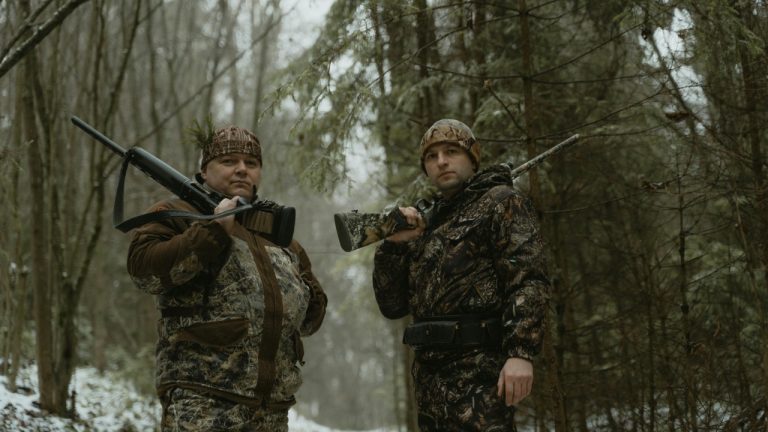
From Navy SEAL to Texas Whitetail Hunter: Marcus Luttrell’s Lone Survivor Grit Lives On in the Brush Country
Marcus Luttrell built his reputation in the mountains of Afghanistan, but the grit that carried him through that ordeal now shows up in a quieter setting: the mesquite flats and senderos of Texas whitetail country. His journey from United States Navy SEAL to South Texas hunter and veterans’ advocate connects battlefield survival, rural roots and a very specific culture of land, wildlife and service.
In the thick brush where big deer slip between cactus and live oak, Luttrell has found a way to keep testing himself while giving other veterans a place to breathe. The same determination that once kept him moving on shattered legs now powers hunts, TV shows and charitable work grounded in the soil and seasons of his home state.
The SEAL who became the “lone survivor”
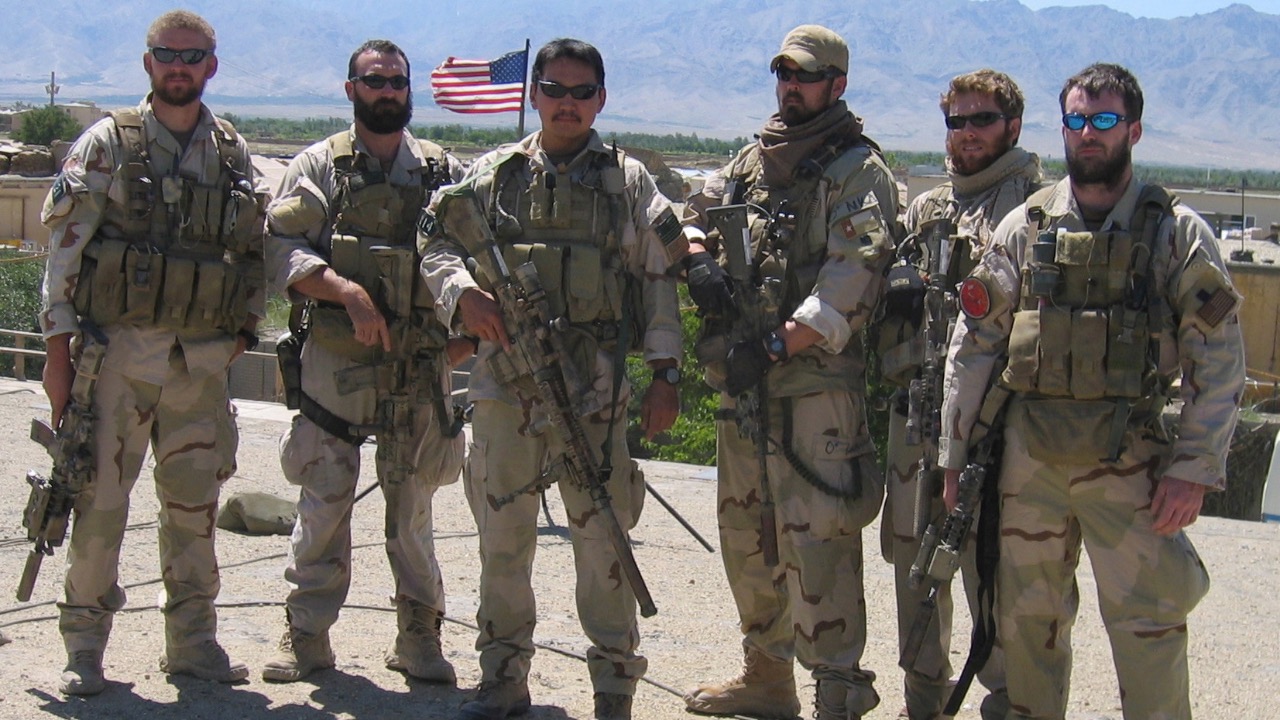
Any look at Marcus Luttrell in the field starts with who he was in uniform. Public records describe Marcus Luttrell as a retired United States Navy SEAL who received the Navy Cross and Purple Heart for his role in a 2005 mission in Afghanistan in which he was the lone survivor. That experience, later chronicled in the book Lone Survivor, turned a quiet Texan operator into a national figure associated with endurance under impossible odds.
Background material on his life notes that he was born and raised in Texas and that he and his twin brother Morgan grew up together before he entered the SEAL teams. One account describes how, during the ambush that wiped out his team, Marcus Luttrell was left alone, Gravely wounded, with a broken back and shrapnel injuries, then moved through the mountains for miles to evade capture. That ordeal, and the villagers who sheltered him, became central to his public identity and to the way he later framed resilience and loyalty.
After leaving active duty, Luttrell did not simply retreat from public life. He began speaking about combat, loss and recovery, and he helped create the Lone Survivor Foundation to support veterans and their families. The organization’s description explains that Marcus Luttrell’s Lone Survivor, the 2007 number 1 New York Times best-selling book, tells a harrowing and emotionally raw account of the mission and its aftermath, and that the foundation was built to help service members and families work through the consequences of war. That bridge from battlefield story to structured support would later intersect with his life in the hunting world.
Texas roots and a return to the land
Luttrell’s connection to the outdoors started long before he ever shouldered a rifle in combat. Accounts of his early life emphasize that he was born and raised in Texas, and that he learned to shoot and hunt as a boy. The same state that trained him in small-town fields and woods now provides the backdrop for his second act.
Texas itself is almost a co-star in his story. To the west, Big Bend is known for remote canyons, desert mountains and wildlife that ranges from birds of prey to deer and foxes. Guides to Big Bend describe how the diversity of wildlife enriches any attempt to photograph or hunt, with deer in meadows and predators working the edges. To the east, Angelina National Forest offers dense pine stands, lakes and bottomland habitat that feels a world away from the desert, yet still part of the same state that shaped him.
Even in more developed corners, the wild is never far. Travel guides around Beaumont describe how, Outside of town, there are thousands of acres of picturesque forests and marshlands to explore, with hunting, fishing and birding all within reach. That mix of city, marsh and timber mirrors the variety of terrain where Luttrell now spends much of his time, from family ranches to commercial properties that host veterans and paying hunters alike.
Brush country, big deer and the pull of South Texas
For serious whitetail hunters, South Texas carries a near-mythic reputation. Outfitters describe Trophy Deer Hunting on 24,000 acres of high fenced prime game managed South Texas ranches in Brackettville, Laredo and Refugio Tex, where genetics, feed and habitat combine to produce heavy-horned bucks. That same region, with its thornscrub and wide senderos, is where Luttrell often appears on camera and at charity hunts.
One televised hunt titled Lone Survivor Marcus Luttrell Hunts Texas Whitetail opens with a narrator explaining that down in the big deer country of South Texas the hunt will be on for a very special buck that only this part of the world can produce. The segment, dated Sep 10, 2023, shows him moving through that brush country with a practiced calm, treating the stalk with the same methodical focus he once brought to reconnaissance patrols.
Another production features him as co-host. In the series Beretta’s Wild & Raw, an episode description explains that in “Rancho Estrella – Luttrell Whitetail” co-host Marcus Luttrell is hunting for whitetail and oryx in south Texas on the 8,500-acr property known as Rancho Estrella in Texas. That mix of native whitetail and exotic game, set on a large private ranch, reflects a broader South Texas culture where land management, high fences and guided hunts are part of the economic fabric.
Beyond the screen, auction listings show how his presence turns a standard hunt into an event. A description for a charity package notes that Jan 7, 2012, Catarosa Ranch proudly presents this truly once-in-a-life-time donation for two lucky patriotic hunters to hunt alongside Marcus and fellow war hero Scott O Grady in SE Texas, with the promise of campfire stories to match the deer on the skinning pole. The same listing links back to Catarosa Ranch, underlining how private landowners see value in pairing their properties with veterans’ stories.
From hogs to whitetails: the way he hunts
Those who have shared a blind or a truck with Luttrell describe a style that blends military precision with ranch pragmatism. A long feature on hog hunting recounts a morning when “Here” was Luttrell’s in-laws’ ranch, near Marquez, where he was guiding a Tuesday morning hog hunt. The writer describes how he loaded guests into trucks and moved them across pastures, treating feral hog control as both necessity and sport.
In the same account, he holds up a rifle and says, “This is an H & K, ready to kill,” while handling a Heckler & Koch model 33 assault rifle. The description notes that it is Three feet long, black and heavy, a tool that in his hands looks as familiar as any deer rifle. The image is stark: a combat-tested operator using a 33 caliber-style platform to deal with invasive hogs tearing up Texas pasture.
When he shifts to whitetails, the tempo changes. Video segments from Lone Survivor Marcus Luttrell Hunts Texas Whitetail show him glassing patiently, whispering with guides and waiting for the right buck to step out along a sendero. The emphasis is on discipline: judging age and antler structure, weighing whether to take a shot, and talking through the decision with whoever is in the blind. It is a far cry from close combat, yet the same habit of reading terrain and staying calm under pressure is visible.
Television, auctions and the culture around him
Luttrell’s hunts are not just private outings. They sit at the crossroads of television, charity and a growing market for veteran-led outdoor experiences. His role on Beretta’s Wild & puts him in front of a national streaming audience, where the “Rancho Estrella – Luttrell Whitetail” episode and others frame him as both guide and student of the land. Viewers see him talk through shot placement, wind and animal behavior in a matter-of-fact tone that mirrors his speaking style on stage.
Another televised hunt, South Texas Warrior Whitetail, follows Military Veteran Chad Fleming, who gets the opportunity through a generous bidder at an auction for SCI and travels to South Texas to pursue a buck. The episode is tagged as Sports and Travel, and it underscores how charity auctions, outfitters and TV crews often combine to bring wounded or retired veterans into high-end hunting camps. Luttrell’s own auction hunts, like the Catarosa Ranch package, fit squarely into that pattern.
Online hunting auction platforms host listings where bidders can secure time in camp with him. One such listing, titled “Once-in-a-lifetime whitetail deer hunt with war heroes Marcus Luttrell and Scott O Grady in SE Texas,” spells out how a winning bidder will share blinds and campfire time with him. The description, hosted on an auction site, treats his presence as both a draw for hunters and a way to raise funds for conservation or veteran causes.
Healing, PTSD and the Lone Survivor Foundation
Behind the glossy footage and trophy photos sits a harder story about trauma and recovery. Luttrell has spoken openly about post-traumatic stress, chronic pain and the long shadow of combat. In one widely shared clip, Retired Navy SEAL Marcus Luttrell shared powerful testimony about life after service, chronic pain and his unexpected journey to healing through ib0gaine. He described the toll of opioid dependency, the emotional weight of trauma and how that treatment helped him reconnect with his purpose, his faith and his family, while advocates pushed for HB 3717 to fund clinical research into ib0gaine for substance use, PTSD, traumatic brain injury and other conditions in Texas.
The Lone Survivor Foundation sits at the center of his structured response to those issues. A profile of the group explains that in honor of his fallen team members, and all the veterans fighting for American freedom, he created the Lone Survivor Foundation to provide support. Program descriptions note that LSF’s Post-traumatic Growth Programs are held at relaxing, military-friendly facilities in Crystal Beach, Texas and Fayetteville, with multi-day retreats that include time for a Family Session as well as individual work.
Another overview of the foundation, hosted by TexVet, describes how the organization uses the story in Lone Survivor to connect with service members and then offers concrete help with PTSD, mild traumatic brain injury and chronic pain. The same page emphasizes that Marcus Luttrell’s Lone Survivor, the 2007 number 1 New York Times best-selling book, is not just a war story but a starting point for conversations about moral injury and long-term healing.
In that context, hunting is not just recreation. For some veterans who attend events with Luttrell, time in a blind or on a range can be part of a broader process of reclaiming focus and quiet. Outdoor retreats hosted by groups like the Lone Survivor Foundation often combine counseling with fishing, hunting or simple time around a fire, on the theory that structured challenge in nature can help reset nervous systems that have been on high alert for years.
Texas ranches as stages for service
The physical settings for these hunts matter. South Texas ranches like Rancho Estrella, Catarosa Ranch and others are not just backdrops. They are working properties where cattle, oil and wildlife all share the same fences. The description of Deer Hunting trips in South Texas, with 24,000 acres of high fenced prime game managed ranches in Brackettville, Laredo and Refugio Tex, shows how landowners invest heavily in habitat and game management to attract both paying clients and charity events.

Leo’s been tracking game and tuning gear since he could stand upright. He’s sharp, driven, and knows how to keep things running when conditions turn.