Over 200 Animals Pulled from Nightmare Conditions in California—One Man’s Cruelty Ends, Hope Begins for Neglected Creatures
On a quiet property in California, what looked from the road like a typical rural spread hid a grim reality. Inside, authorities discovered 229 animals living among carcasses, filth and neglect, a scene that investigators later described as one of the worst cruelty cases they had ever handled. Over two days, 215 of those animals were pulled from the property alive, ending one man’s control over them and beginning a long, uncertain road to recovery.
The rescue in Nevada County has become a defining case for local law enforcement and animal advocates, not only for its scale but for what it reveals about gaps in oversight and the heavy burden placed on small rescue groups. It also offers a rare, close look at how a sprawling operation unfolds when hundreds of living beings need to be saved at once.
The welfare check that opened a hidden world
The case began as a routine welfare check on a rural property outside Grass Valley, a city in Nevada County in the Sierra foothills. A sheriff’s office sergeant responded to the call and, according to later accounts, immediately saw several dead animals on site. That first look from the driveway was enough to trigger a deeper search of the land and outbuildings.
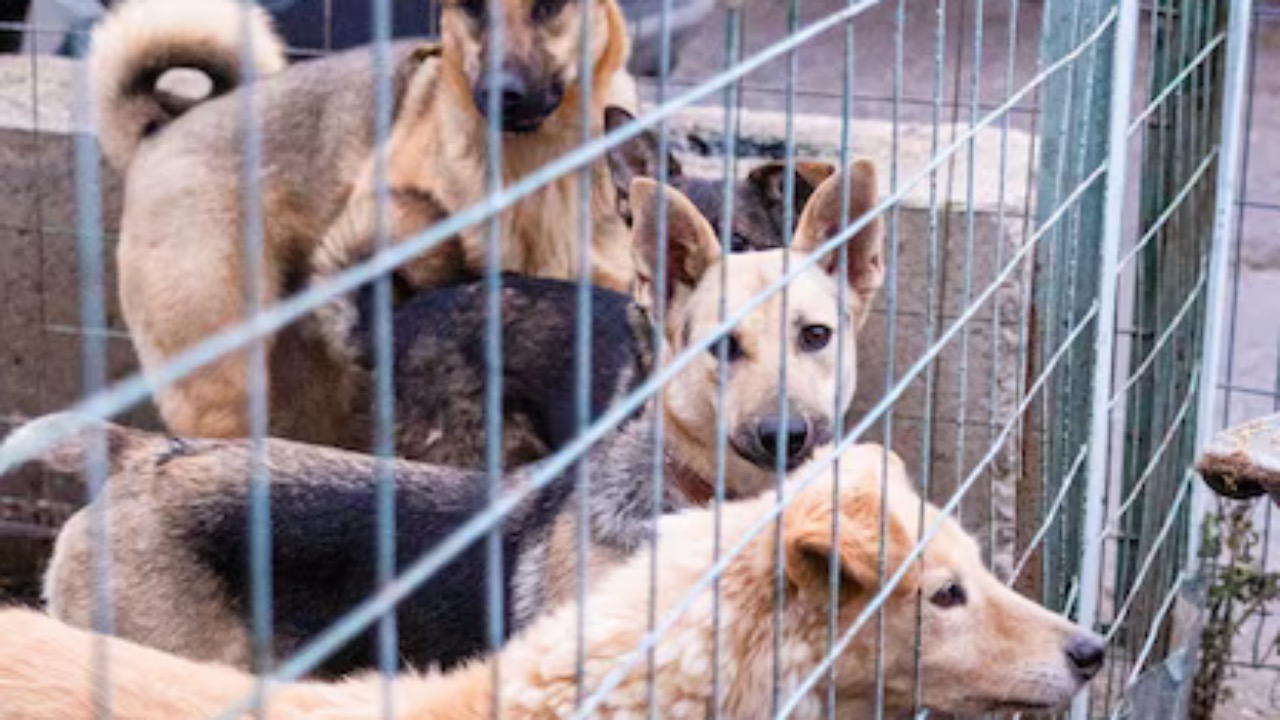
Inside pens, barns and makeshift enclosures, authorities found a chaotic mix of species. Reports describe dogs, cats, goats, sheep, pigs, horses and other farm animals crowded together or isolated without adequate food, water or shelter. Some were confined in small cages; others stood in deep mud and waste. The sergeant’s initial observations led investigators to treat the scene as a potential large-scale cruelty case and to secure a warrant for a full search of the property on Meyer Ravine Road in Grass Valley.
When the search unfolded, authorities counted a total of 229 animals on the property. That figure, documented in an official summary of the case, captured the sheer scope of what had been hidden behind fences and tree lines. In the same report, officials noted that 215 living animals were ultimately removed from the site over the course of two days, with the remaining number representing animals that were found dead or too far gone to save.
The operation quickly grew beyond a single welfare check. Deputies, animal control officers and partner organizations converged on the property with trailers, crates and veterinary teams. The Nevada County Sheriff’s Office later described the scene as one of the most complex extractions it had ever coordinated.
A two day rescue measured in numbers and heartbreak
Once the warrant was served, the property became a triage zone. Over the course of two days, authorities and volunteers worked methodically to document, assess and remove each animal. The official tally remained stark: 229 animals identified on site and 215 living animals transported to safety. Those two figures, 229 and 215, now define the case in public records and news accounts.
Investigators and rescuers moved through barns and paddocks, photographing conditions and cataloging each animal as evidence. Some were so weak they had to be carried out. Others were skittish from lack of socialization or from living in constant stress. Field veterinarians evaluated which animals could be transported immediately and which needed stabilizing care on site before being moved.
Authorities later described the extraction as a dramatic two day effort that pushed local capacity to its limits. One account of the operation noted that officers and rescue workers labored from early morning into the night, using headlamps to keep working after dark as they tried to reach every animal before conditions worsened. Officials stressed that the priority was to get the animals out alive while also preserving the evidence needed to support criminal charges.
At the center of the operation was the man who controlled the property. Law enforcement reports state that he was arrested in Grass Valley and now faces multiple felony counts of animal cruelty tied directly to the conditions investigators documented. Those charges reflect both the number of animals involved and the severity of the neglect alleged by authorities.
Inside one of Nevada County’s worst cruelty scenes
For Nevada County, the case stands out not only for the number of animals involved but for the conditions described by those who entered the property. Investigators reported finding decomposing bodies near living animals, contaminated water sources and enclosures that offered little protection from the elements. Some animals appeared emaciated, with visible ribs and hip bones, while others showed signs of untreated injuries or chronic illness.
In one television segment on the case, local officials described how tonight more than 200 animals were receiving treatment after being removed from the property. That same coverage noted that responders saw dead animals in the front pasture as they arrived, a visual that helped convey the urgency behind the rapid escalation from welfare check to full-scale rescue.
Another detailed report on the operation explained that authorities rescued over 200 animals from the private property in Grass Valley, Calif., following suspicion of mistreatment. That account emphasized how the mix of species and the spread of the property made the rescue especially challenging. It also quoted officials who said the case ranked among the most severe they had ever seen in terms of both neglect and the logistical hurdles involved in removing so many animals safely.
Video from the scene, including footage shared in a segment titled Grass Valley man arrested after hundreds of animals seized, showed officers leading animals into trailers and carrying smaller creatures in their arms. Viewers could see the worn fencing, cluttered yards and makeshift pens that had served as home for the animals before the rescue. Those images helped translate official numbers into a visceral understanding of what 200 suffering animals look like in practice.
From crime scene to sanctuary: where the animals went
Once removed from the property, the animals needed immediate shelter, food and medical care. Local partners, including established rescue groups and county facilities, stepped in to absorb the sudden influx. A Nevada County based nonprofit that works closely with local authorities became a central hub for many of the animals, coordinating intake, veterinary assessments and placement.
According to one detailed account, over the course of the two days, 215 living animals were rescued and transferred into the care of partner organizations, with each intake logged for both legal and welfare tracking. Another official report reiterated that in total, it was determined that the property housed 229 animals, and that those numbers would guide both the criminal case and the long-term planning for the animals’ care.
Rescue groups reported that some animals required intensive veterinary treatment, including rehydration, parasite control and wound care. Others needed behavioral support after months or years in stressful, isolated conditions. Horses and larger farm animals were placed in foster pastures or sanctuaries, while dogs and cats were triaged for eventual adoption once they were healthy enough.
One of the organizations that took in a significant share of the animals described on its site how more than 200 animals arrived in a short window, stretching staff and volunteer capacity. The group’s public updates focused on both the immediate medical needs and the longer term work of socializing and rehoming the animals. Supporters were asked to help with donations of hay, specialized feed and funds for veterinary bills.
The man at the center and the charges he faces
The property owner, identified in law enforcement records as a Grass Valley man, now faces multiple felony counts of animal cruelty. According to an official summary, authorities found a total of more than 200 animals on his land, along with numerous dead animals in various stages of decomposition. Those findings formed the basis of the criminal complaint.
One detailed report explained that the man was arrested after the Nevada County Sheriff’s Office completed the two day extraction and documented the conditions. The same account noted that the case involves felony counts of animal cruelty, reflecting both the number of animals affected and the severity of their treatment. The charges are expected to move through the local court system, with prosecutors relying heavily on the photographs, veterinary reports and intake records compiled during the rescue.
Legal experts who follow animal cruelty cases point out that large scale neglect cases like this one can be complex to prosecute. Each animal can represent a separate count, and defense attorneys sometimes argue that their client was overwhelmed rather than intentionally abusive. In this case, the presence of dead animals alongside living ones, as well as the documented lack of basic care, is likely to be central to the prosecution’s argument that the cruelty rose to a felony level.
While the man’s name has been widely reported, the focus for many in Nevada County has shifted from the individual to the systemic questions the case raises. Residents and advocates are asking how a property with 229 animals in deteriorating conditions remained out of view for so long, and what changes might prevent a similar situation from developing elsewhere.
How neighbors, deputies and rescuers pieced the case together
The initial welfare check that opened the case did not happen in a vacuum. Rural communities often rely on a mix of neighbor reports, routine patrols and sporadic inspections to flag potential neglect. In this instance, a concern serious enough to trigger a welfare check brought a sheriff’s sergeant to the gate. From there, the visible dead animals and the smell of decomposition prompted a deeper look.
Law enforcement accounts describe a methodical process. After the first visit, the sergeant documented observations and coordinated with animal control to secure a warrant. Once the warrant was in place, a larger team returned to the property, this time prepared to conduct a full search and, if needed, remove animals. That second visit is when the full scale of the situation became clear.
Local television coverage captured some of the coordination in real time. In one segment, a reporter noted that tonight more than 200 animals are being treated after a massive rescue in Nevada County that led to the arrest of a man in Grass Valley, giving viewers a sense of how quickly the welfare check had escalated into a major operation. The same coverage showed rows of transport crates and trailers lined up along the rural road, with deputies directing traffic as animals were loaded.
Community members also played a role after the rescue began. As word spread that more than 200 animals had been pulled from a single property, local residents and businesses offered hay, feed, blankets and volunteer hours. Some signed up to foster animals once they were cleared medically and behaviorally, helping relieve pressure on shelters already operating near capacity.
The long road from survival to recovery
Removing animals from a cruelty scene is only the first step. For the 215 living animals rescued from the Grass Valley property, survival now means months or even years of recovery. Many arrived underweight, with untreated medical conditions and little experience with kind human contact.

Leo’s been tracking game and tuning gear since he could stand upright. He’s sharp, driven, and knows how to keep things running when conditions turn.