9 Garden Vegetables That May Not Be Worth the Effort
Every gardener eventually learns that not every crop earns its space in the dirt. Seed catalogs make everything look productive and easy, but the reality in your backyard can be very different. Some vegetables demand constant attention, perfect timing, or more room than they realistically give back in harvest. Others simply cost less and taste just as good when you grab them at the store or farmers market.
That doesn’t mean these crops are impossible to grow. Plenty of gardeners still enjoy the challenge. But when you’re trying to make the most of your space, water, and time, some vegetables end up feeling like more work than they’re worth. If you’ve ever walked back inside after a long afternoon in the garden and wondered why you bothered planting something in the first place, you’ll probably recognize a few of these.
Celery
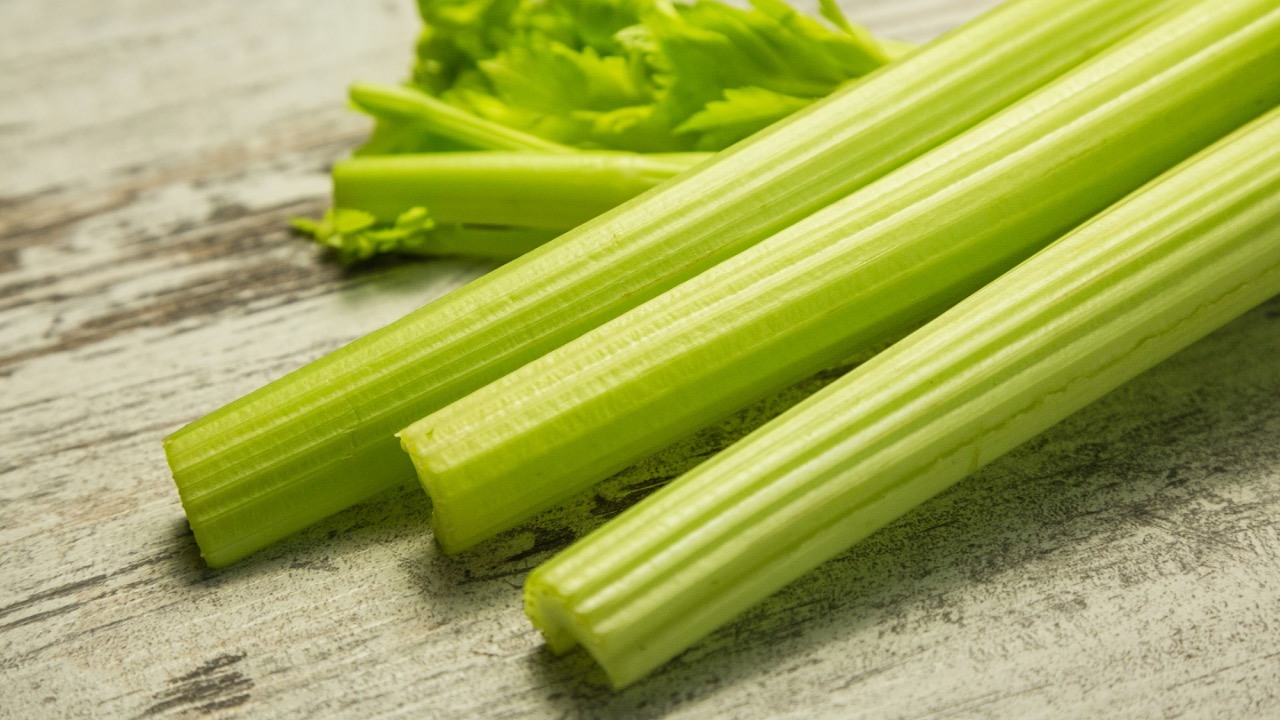
Celery looks harmless when you see it in a seed packet, but once you start growing it, you realize how demanding it can be. It requires steady moisture, rich soil, and a long growing season. Let the soil dry out for even a short stretch and the stalks turn tough and stringy. Keeping it watered through summer heat often becomes a constant chore.
You also deal with slow growth and fairly small yields. A whole row might produce only a handful of usable bunches. Considering how inexpensive celery is at the grocery store, many gardeners decide their effort is better spent on crops that respond faster and produce more food in the same space.
Brussels Sprouts
Brussels sprouts have a reputation for being stubborn, and that reputation didn’t come out of nowhere. The plants take a long time to mature and require a full growing season before you see decent results. Meanwhile they grow tall, take up valuable bed space, and demand steady fertilizing to produce properly.
Even after months of care, the harvest can be disappointing if temperatures swing too much or pests move in. Aphids and cabbage worms tend to find these plants quickly. When you compare the work involved to the price of sprouts in the store, many gardeners eventually decide the effort doesn’t balance out.
Cauliflower
Cauliflower is one of those vegetables that looks rewarding until you try growing it yourself. It demands cool weather, steady nutrients, and consistent watering. If anything falls out of line—heat spikes, uneven moisture, or poor soil—the heads develop poorly or fail entirely.
Timing is another headache. The plant needs the right conditions at the exact moment it begins forming a head. Miss that window and you end up with small or misshapen cauliflower after months of waiting. For many gardeners, the amount of babysitting required makes it feel like a gamble every season.
Fennel
Fennel brings a nice flavor to the kitchen, but it can be frustrating in the garden. The plant bolts easily when temperatures rise, sending up flowers before the bulb has time to develop properly. Once that happens, the harvest is mostly lost.
Another issue is space. Fennel plants spread out more than many gardeners expect, and they don’t always produce large bulbs unless conditions are ideal. Since fennel bulbs are easy to find in most grocery stores, a lot of backyard growers eventually decide their garden beds are better used for vegetables that respond more predictably.
Artichokes
Artichokes look impressive growing in the garden, but they’re not always practical for the average backyard plot. These plants grow large, require rich soil, and often take more than one season before producing dependable harvests. In colder climates, they can struggle without protection.
Even when they grow well, the yield can be surprisingly small. A single plant might produce only a handful of artichokes during the season. Considering the space they occupy, many gardeners end up dedicating valuable ground to a crop that doesn’t provide much return compared to easier vegetables.
Rutabagas
Rutabagas are hardy root vegetables, but they take patience and space to grow properly. The plants need several months in the ground and often compete with summer heat if planted too late. When conditions aren’t right, roots stay small or develop uneven shapes.
Another challenge is soil quality. Rutabagas prefer loose, well-prepared beds, and heavy soil slows their development. After all that time and effort, you may pull up roots that are no larger than a tennis ball. Since rutabagas are inexpensive and widely available, many gardeners skip growing them after trying once or twice.
Kohlrabi
Kohlrabi has a unique look and flavor, but growing it successfully can be inconsistent. The bulbs develop best in cool weather, and once temperatures rise, they tend to become woody and tough. Timing the planting correctly becomes critical if you want a tender harvest.
The harvest window is also short. Wait too long and the bulbs lose their quality quickly. Because of that narrow margin, some gardeners find themselves missing the ideal moment and ending up with tough, fibrous vegetables. Compared with other cool-season crops, kohlrabi often feels like a vegetable that demands more attention than it returns.
Eggplant
Eggplant grows well in warm climates, but in many gardens it turns into a slow and sometimes stubborn crop. The plants require steady heat, fertile soil, and consistent watering to produce healthy fruit. If temperatures dip or the soil lacks nutrients, production drops off quickly.
Pests can also become an issue, particularly flea beetles that chew holes in young leaves. Even after protecting the plants and waiting through the season, yields can be modest. Many gardeners enjoy eggplant dishes, but after growing it a few times, they often decide the effort doesn’t match the harvest.
Endive
Endive can be tricky for backyard gardeners because it demands careful timing and attention. The plants prefer cool conditions and can bolt when the weather turns warm. Managing that narrow temperature window often becomes the main challenge.
Some varieties also require blanching to reduce bitterness, which adds another step to the process. That means tying leaves or covering the plants so the inner growth stays pale and tender. For gardeners who prefer vegetables that grow with minimal fuss, endive sometimes ends up feeling like more work than it’s worth.

Asher was raised in the woods and on the water, and it shows. He’s logged more hours behind a rifle and under a heavy pack than most men twice his age.