Wildlife officials report rise in predator encounters across multiple states
Wildlife officers across the West are logging more reports of predators showing up in places where people live, work, and hike. From mountain lions padding through college campuses to wolves and bobcats turning up near busy roads and parks, the pattern is forcing agencies to rethink how they talk to the public about risk. The encounters are still rare compared with the number of people outside every day, but the trend line is clear enough that officials are sounding the alarm and asking communities to adjust.
What I am seeing in the latest advisories is not panic, but a push for people to understand that predators are reclaiming habitat at the same time development keeps pushing deeper into wild country. That overlap is playing out in Colorado, California, Oregon, Idaho, Washington, and beyond, with each state wrestling with the same basic question: how to keep people, pets, livestock, and native carnivores alive on a crowded landscape.
Predators on the move in a changing West
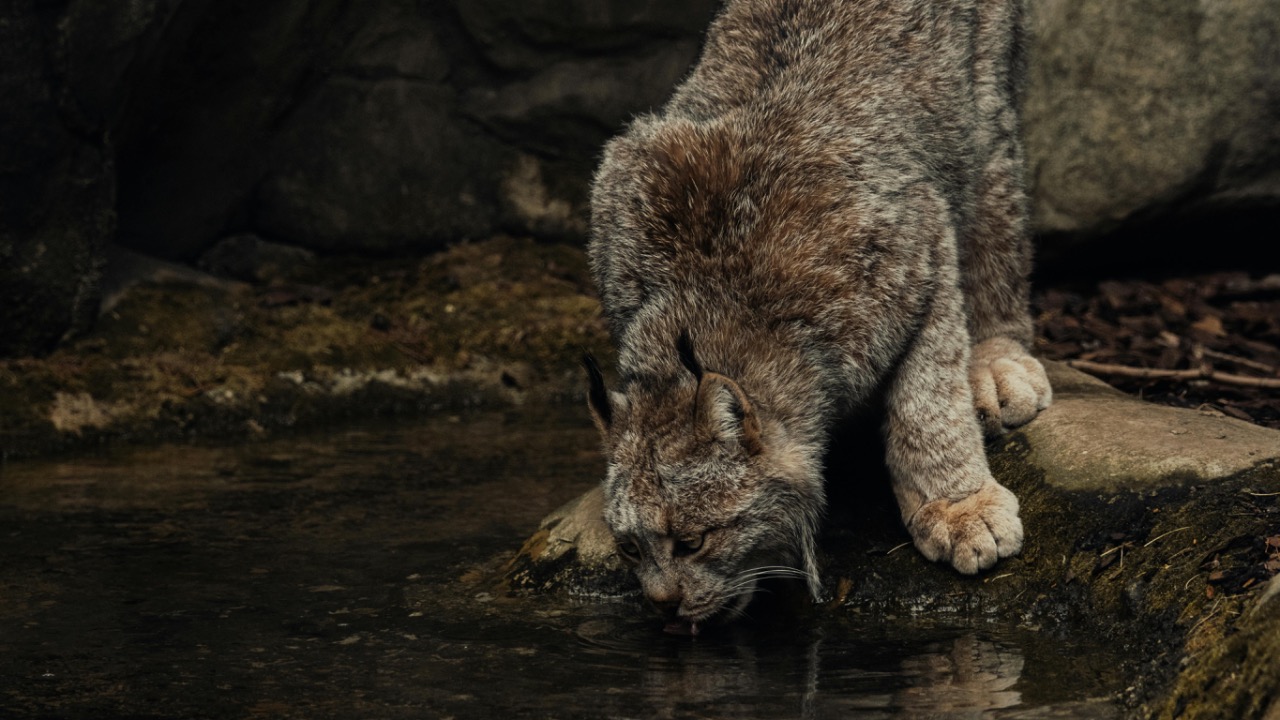
Across the Rockies and the Pacific states, wildlife managers are tracking predators that are more visible than they were a generation ago. In mountain states like Colorado, long term conservation work has kept mountain lions, black bears, and other carnivores on the landscape even as the Front Range has filled in with new subdivisions. On the coast, large and mid sized predators are filtering through a patchwork of suburbs, farms, and public land, using river corridors, ridgelines, and greenbelts as travel routes that often line up with where people like to recreate.
That overlap is especially obvious in big, fast growing states such as California, where mountain lions, coyotes, and black bears are now routine visitors in some neighborhoods. Farther north, predators are moving through heavily forested country in Oregon and Washington, then stepping out along trailheads, campgrounds, and small towns that sit right on the edge of prime hunting habitat. The result is not an explosion of attacks, but a steady rise in close range encounters that feel a lot more personal to the hikers, dog walkers, and homeowners involved.
Colorado’s Front Range: more cats, more people, more warnings
Colorado’s mix of booming metro areas and steep, wild foothills makes it a natural hotspot for run ins with predators. Along the Front Range, communities from Fort Collins to Colorado Springs sit within a short drive of big tracts of public land, and the same canyons that funnel commuters into town also funnel wildlife down from the high country. That is why state and local officers in Colorado keep reminding residents that lions, bears, and foxes are part of the neighborhood, not distant curiosities.
In mountain communities and resort towns, that message is getting more specific. Around places like Estes Park and the high country near Crosier Mountain, officers are tying safety advice to real world incidents and investigations, then pushing that information out through social media and local partners. When local authorities in Jefferson County addressed residents with a “Good Day, Friends” message about two confirmed Mountain Lion attacks on dogs, they paired the warning with blunt reminders for pet owners to leash animals, stay alert at dawn and dusk, and report any bold behavior. That kind of direct outreach is becoming standard as predator sightings creep closer to backyards.
California’s predator comeback and suburban edge
California is seeing its own version of this story, with predators reclaiming ground in a state that once tried hard to wipe them out. Wildlife managers point out that Wildlife conservation programs have helped mountain lions, black bears, and other carnivores hang on in the face of heavy development pressure. At the same time, the state’s growing population means more people are living and playing in the same foothills and river bottoms that predators use as travel corridors, which is why agencies are investing in public education instead of assuming these animals will stay tucked away in remote mountains.
The tension is especially visible in and around California communities that sit right on the wildland urban edge. In Los Angeles County, for example, residents are used to seeing coyotes and the occasional mountain lion on trail cameras, and now they are being told to prepare for wolves as well. Earlier this month, a gray wolf documented in the county drew attention to the fact that California‘s wolves were wiped out by hunters and trappers about a century ago, with the last documented wolf killed in the 1920s, and that their slow return now has to be managed around highways and dense human development.
Oregon and Washington: bobcats, cougars, and crowded trailheads
Farther north, the evergreen states are dealing with their own surge in sightings. In Oregon, mountain lions, black bears, and bobcats move through a checkerboard of timberland, farms, and growing cities, and they are increasingly showing up near places like Oregon City and other Willamette Valley communities. Residents near Oregon City have been urged to secure attractants and keep pets close after reports of predators moving along greenbelts that double as neighborhood walking paths.
In neighboring Washington, officials are seeing similar patterns in state parks and coastal forests. When a bobcat turned up near a busy trail in Larrabee State Park, officers used the incident to explain why Wildlife encounters like that are becoming more common as human development pushes into habitat that still offers food, water, and shelter. The message to hikers was straightforward: give predators space, keep dogs leashed, and understand that seeing a carnivore on the trail is a sign of a functioning ecosystem, not an automatic emergency.
Idaho campuses and mountain towns feel the pressure
Idaho sits at the crossroads of several predator populations, and its mix of college towns and rural communities is starting to feel that. In Idaho‘s river valleys and forested hills, mountain lions and black bears follow deer and elk right down to the edge of town. That is why residents in places like Lewiston are seeing more advisories about what to do when a big cat shows up where it is not expected.
Earlier this month, LEWISTON police and campus officials reported that a mountain lion was sighted on the Lewis Clark College campus during the late evening hours of Sunday, February 1, 2026. The alert that went out to students and staff spelled out the basics: do not run, make yourself look big, keep eye contact, and, if attacked, fight back. For a generation of young adults who may have grown up thinking of mountain lions as distant wilderness animals, getting that kind of message on a phone screen is a jarring reminder that predators are sharing the same streets and sidewalks.
Warnings from parks, police, and small town officers
Local law enforcement and park rangers are increasingly the ones delivering predator news straight to the public. In one recent case, Police issued an urgent warning after a wild predator was spotted prowling a residential neighborhood, using a video message from Brent Guthrie to walk residents through what had happened and what to watch for next. The same pattern shows up on popular walking trails, where officers have told people to Back away slowly if they encounter a cougar and to report any animal that seems unafraid of humans.
Park visitors are hearing similar language. When a predator was spotted in a concerning location inside a recreation area, officials told Visitors to keep dogs leashed and give wildlife space, stressing that the animal was behaving naturally but that people needed to adjust. In another advisory, Officials issued an urgent warning after a wild predator was spotted in an unexpected location, explaining that the sighting was concerning because it showed how closely human activity now overlaps with the animal’s home range. In each case, the goal was not to demonize the predator, but to get people thinking about how their own behavior can either escalate or defuse a risky encounter.
Mountain towns, foxes, and cougars in the backyard
High elevation communities are seeing some of the most visible changes, simply because they sit right in the middle of prime predator habitat. In Aspen’s West End, for example, residents have watched foxes and mountain lions move through alleys and yards, drawn in part by food scraps and other easy calories. One local official, Xaiz, recalled how a deer that people had been feeding in Rio Grande Park eventually nudged a person with its rack, a small incident that still drove home how quickly wild animals can lose their fear of humans when food is involved.
Those stories are why officers keep hammering on attractant control. In Aspen and other Colorado mountain towns, residents are being told to bring in bird feeders at night, clean up fallen seed, and secure trash so that foxes, bears, and lions are not rewarded for hanging around. The same advice is showing up in Jefferson County, where local authorities have used social media posts about management in the Rocky Mountains to explain how feeding wildlife, even unintentionally, can set the stage for more aggressive behavior. It is a simple equation: the fewer easy meals predators find in town, the more time they spend hunting in the hills where they belong.
Livestock, rural communities, and the cost of more predators
Out in farm and ranch country, the stakes look a little different. A convergence of wildlife trends across North America is forcing livestock owners to rethink how they protect their animals, especially in regions where wolves, coyotes, and bears are all on the upswing. In NORTHERN MICHIGAN, for example, producers are being told that rising predator activity across North America forces livestock owners to rethink guardian strategies, with some turning to larger guardian dog breeds, reinforced fencing, and night penning to keep calves and lambs alive.
Similar pressures are showing up in the West. A report from NORTHERN MICHIGAN noted that Black bear numbers continue climbing, a trend that mirrors what ranchers are seeing in parts of the Rockies and Pacific Northwest. In California, the long running debate over wolves and livestock has flared again after the state killed four wolves from a pack that had been preying on cattle, even as conservationists pointed out that, Around 14 years ago, a lone gray wolf crossing the border from Oregon into California marked the start of the species’ slow return. That tension between protecting livelihoods and restoring native predators is not going away.
What the science says about risk and coexistence
For all the dramatic headlines, the data still show that serious attacks are rare compared with the number of people outside every day. One recent analysis pointed out that Animal attacks often make headlines, but research suggests they are rare in the wild, especially predation encounters. However, human expansion into wild areas and the spread of outdoor recreation are increasing the chances of conflict with people, which is why agencies are putting so much emphasis on education instead of relying on lethal control alone.
Federal researchers are backing that up with detailed work on predator behavior. At the National Wildlife Research Center, scientists studying predator ecology are looking at how carnivores respond to hazing, non lethal deterrents, and changes in land use. Their findings feed into broader efforts by USDA Wildlife Services and to develop economic and environmentally sound strategies for managing predators, game, and other wildlife species of concern. On the ground, that science translates into practical advice: secure attractants, use guard animals where appropriate, and reserve lethal control for situations where other tools have failed.
How to stay safe when predators share your backyard
For people living, hiking, or hunting in predator country, the basics still matter most. Wildlife agencies across the country are telling residents to lock up trash, feed pets indoors, and clean grills so they do not smell like a free buffet. One guidance document on black bears notes that Wildlife agencies encourage practical steps to reduce conflicts, including securing garbage, removing bird feeders when bears are active, keeping a distance from bears, and reporting sightings. Those same principles apply to mountain lions, coyotes, and wolves, with the added emphasis on keeping kids and pets close in known predator habitat.

Asher was raised in the woods and on the water, and it shows. He’s logged more hours behind a rifle and under a heavy pack than most men twice his age.