Nearly 300 Dogs Escape Fake ‘Rescue’ Nightmare in Mexico—San Diego Shelters Step Up for Cross-Border Heroes
Nearly 300 dogs crammed inside a single house in Ensenada turned out to be victims of a fake rescue that had quietly operated for years. When the truth finally surfaced, the crisis drew together an unlikely coalition of neighbors in Baja California and animal advocates in San Diego, who rushed to move the animals across borders, into surgery rooms and, eventually, into homes.
The story that followed is not only about neglect and hoarding, but also about how legitimate rescues, shelters and small volunteer groups in two countries tried to repair the damage. It underscores how fragile animal welfare systems can be, and how quickly they must stretch when a single bad actor implodes.
The fake sanctuary behind closed doors
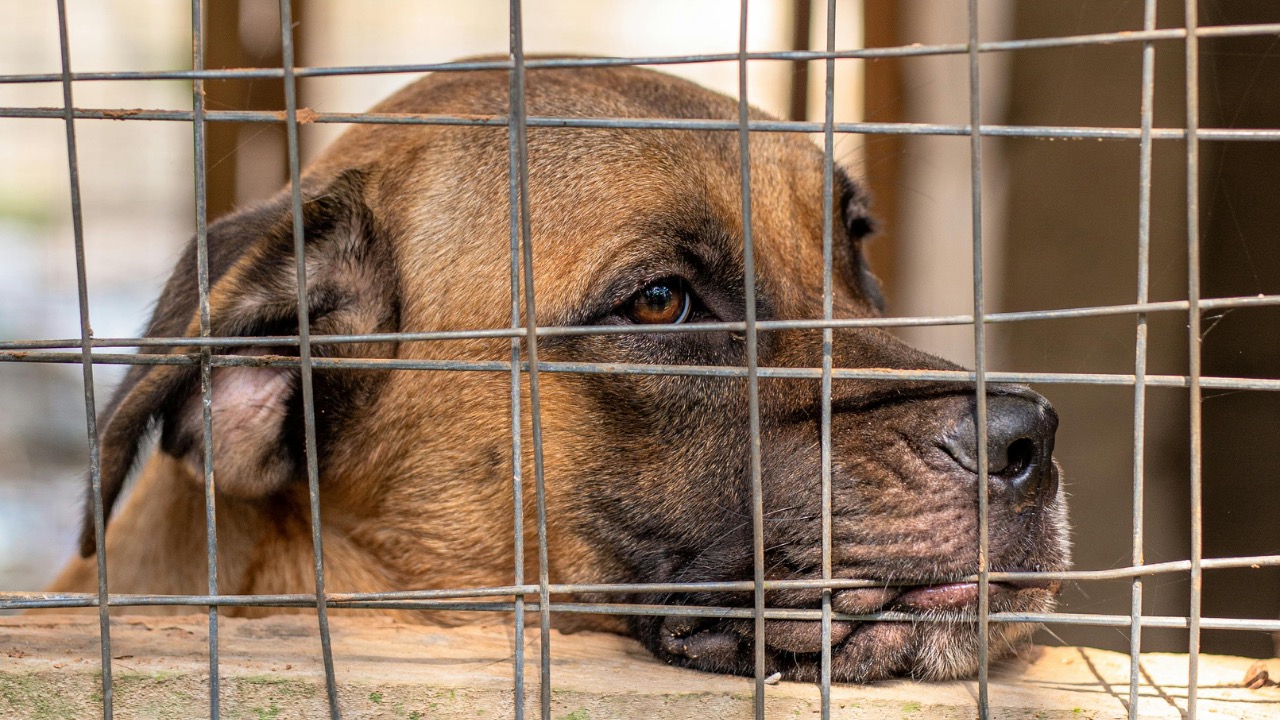
For years, locals in Ensenada suspected something was wrong at a property that called itself a shelter but rarely let anyone inside. Accounts from neighbors described constant barking, overpowering smells and a sense that the place was hiding more than it was helping. Those suspicions were confirmed when authorities and rescuers finally entered and found around 300 dogs packed into a house that was never designed to hold them.
Reporting on the case describes how the property, located in Ensenada, functioned as a hoarding site rather than a genuine rescue. Since 2021, people living nearby had tried to raise alarms, and the eventual discovery revealed cramped rooms, filthy floors and dogs competing for limited food and water. The phrase “Neighbors Knew Something Was Wrong” became shorthand for the years of ignored warning signs.
Between early Jul 5 and Jul 6, according to local accounts, the house was transformed from a sealed box into a triage scene. Volunteers, veterinarians and municipal workers moved dogs into crates, separated the sickest animals and tried to document injuries and infections. The case quickly became a reference point in Baja conversations about how easily a self-described Shelter can become a Dirty Secret when oversight is weak and demand for rescue services is high.
Inside the hoarding crisis
The scale of the hoarding was unusual even in a region that regularly confronts neglect cases. In this house, roughly 300 dogs were confined to a single residence, with no meaningful separation between healthy and sick animals. Social media posts from partner groups later described dogs with untreated skin conditions, eye infections and old fractures that had never been set.
Advocates who later shared updates explained that the animals had lived for years in isolation from normal life. Many were under-socialized, frightened of strangers and unused to basic routines like walking on a leash. Yet they were also described as “sweet” and “calm” once removed from the worst conditions, a reminder that temperament often survives even extreme neglect. Videos from rescue partners showed dogs tentatively wagging their tails as they were loaded into vans.
The hoarding case did not exist in a vacuum. Earlier posts from cross-border groups had already warned about a pattern of similar operations in Mexico that presented as rescues while allowing animals to accumulate. In one widely shared appeal, the group Underdog Heroes labeled a new discovery “URGENT MEDICAL FUNDS hoarding case in Mexico,” tying it to the same shady network. That pattern suggested a systemic problem rather than a single isolated hoarder.
San Diego rescues answer the call
Once the Ensenada house was opened, the question shifted from discovery to logistics. Local capacity in Baja was nowhere near enough to absorb hundreds of traumatized dogs at once. At that point, San Diego organizations stepped in, turning a cross-border relationship that usually moves animals in smaller numbers into a large-scale emergency pipeline.
Coverage of the response describes how multiple San Diego shelters and rescues coordinated to move dogs north, arrange veterinary care and begin the long process of rehabilitation. The effort was framed as a regional response, with groups on both sides of the border treating the dogs as a shared responsibility rather than someone else’s problem. The same reporting notes that these San Diego teams were already operating near capacity before the Ensenada case, especially in the summer when stray intake spikes.
Despite that strain, local shelters in San Diego still found room for hundreds of animals from Ensenada. One detailed account of the operation explains that San Diego shelters stepped up to take in the majority of the dogs, organizing transport runs, medical evaluations and temporary housing.
The 38 dogs left behind
Even with that surge of help, the response could not reach every animal right away. Reports on the operation specify that, Aug 4, there were still about 38 dogs left on the property that San Diego shelters were unable to take in. The figure became a painful shorthand for the limits of even a strong rescue network.
Separate social media updates from advocates on the ground added further context. One widely viewed video posted on Aug 1 stated that there were still 54 dogs remaining on the Ensenada property that had once been home to the founder of the scam rescue. The discrepancy between 54 and 38 likely reflects a fast-moving situation, with some dogs moved out while others remained in limbo.
Advocates described those remaining animals as some of the hardest to place: larger dogs, those with more serious medical issues or behavioral challenges, and those simply overlooked in the chaos of the first rescue wave. Their fate highlighted a recurring tension in animal welfare, where the most adoptable animals move quickly while the most damaged linger.
From hoarding house to adoption kennels
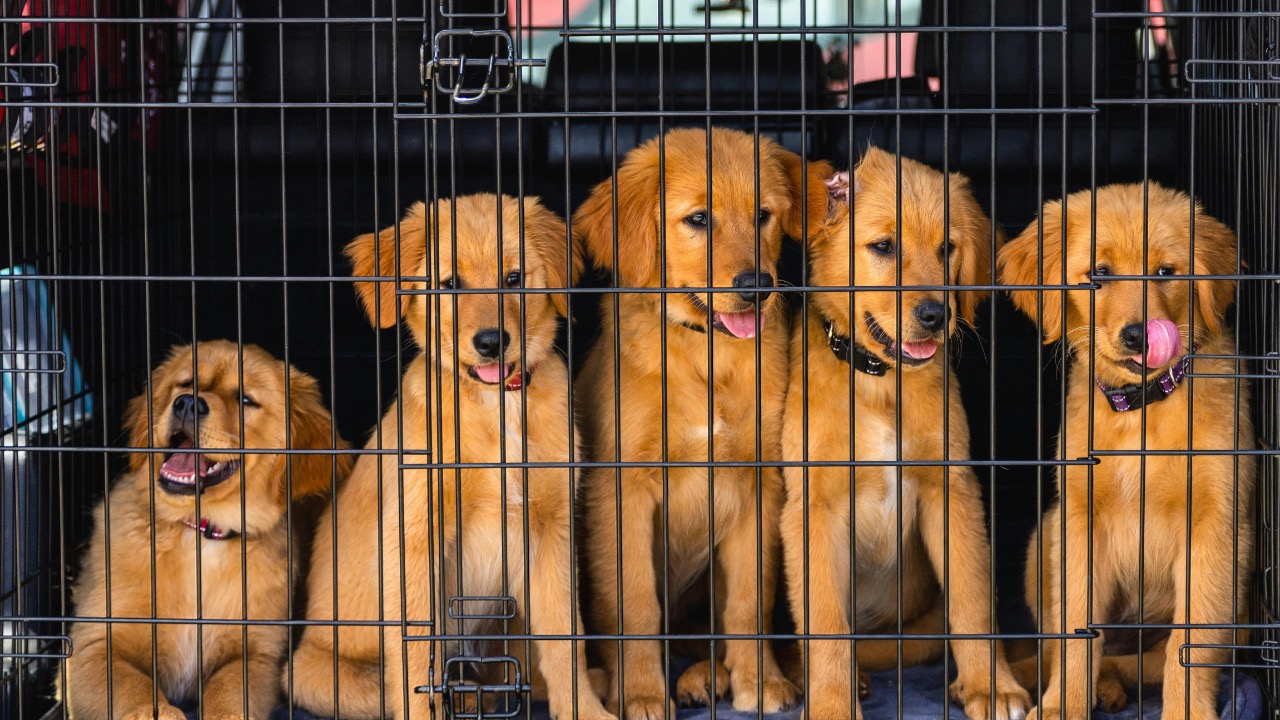
Once in San Diego, the Ensenada dogs entered a second phase of their journey. They had escaped the hoarding house, but they still faced months of medical treatment, behavioral work and waiting. Partner organizations such as Compassion Without Borders shared that these dogs were rescued from “a heartbreaking hoarding case where 300 dogs were confined to a house,” and that, as of Jan 19, Today many were still waiting for permanent homes.
Videos from local shelters showed the dogs gradually decompressing. Staff described their demeanor as sweet and calm, with some still a little scared and shy because they came from isolated and unsanitary conditions. A clip from a separate hoarding rescue in La Mesa, shared in Dec, used nearly identical language, which underlined how similar these cases can look once animals reach the safety of a shelter environment.
For adopters, the Ensenada dogs came with both challenges and rewards. Many had never lived indoors, walked on a leash or received consistent affection. Yet they also had no experience of normal life to unlearn, which allowed some to adapt quickly once they felt secure. Rescue staff encouraged potential adopters to see past scars and consider how quickly dogs can change when given stability.
The rescue ecosystem: volunteers, nonprofits and donors
The Ensenada case also cast a spotlight on the rescue ecosystem that exists between Baja California and San Diego. Groups like The Animal Pad describe themselves as All volunteer, nonprofit organizations dedicated to rehabilitating and rehoming dogs, with a long history of pulling animals from Mexico and placing them in Southern California homes.
Other partners include Soulmate Animal Rescue, which states plainly on its site that “Our mission is to aid and save helpless and vulnerable dogs wherever they may be,” and that it is 100% non profit, donation run and volunteer powered. The San Diego Humane Society, identified as a non profit dedicated to animal welfare that provides adoption and veterinarian services plus training, often operates as the region’s safety net when local capacity is stretched.
These organizations rely heavily on public support. The Animal Pad’s donation page framed the Ensenada response as a test of how quickly the community could mobilize, with references to the cost of emergency veterinary care, transport and long term boarding. Soulmate Animal Rescue’s available dogs list, which highlighted animals pulled from the Ensenada case, gave a concrete sense of how many individual lives were still in transition.
San Diego’s broader shelter crunch
The cross-border rescue unfolded at a time when San Diego shelters were already under pressure. After major holidays, especially the Fourth of July, the San Diego Humane Society often reports a surge in lost and frightened animals. In one post, the organization warned that many pets were MISSING in the area and urged residents to Please check ALL of the local shelter campuses for their animals.
That kind of seasonal spike means that when a mass rescue like Ensenada happens, there is little slack in the system. Kennels that might otherwise be used for local strays are suddenly filled with cross-border cruelty cases. Staff and volunteers must juggle reunification efforts for lost pets with the intensive care that hoarding survivors require.
Despite those constraints, the San Diego Humane Society and partner rescues continued to waive some reclaim fees, extend hours and promote adoption events, trying to move healthy animals out of shelters quickly so that more vulnerable dogs could take their place. The Ensenada dogs became part of that larger balancing act, sharing space and attention with local animals that also needed homes.
Patterns of neglect and repeated warnings
The Ensenada hoarding house was not an isolated warning sign. Before this case, The Animal Pad had already been involved in pulling more than one hundred dogs from grave conditions in Mexico, as described in a video that chronicled how a local non profit “just rescued more than a hundred dogs from grave conditions in Mexico.” Another broadcast described 400 dogs in dire condition rescued from an Ensenada shelter, reinforcing that large scale neglect has surfaced more than once in the region.
Local coverage in Baja linked the Ensenada house to broader questions about enforcement. The piece that detailed the Baja reaction argued that the scandal might change how the region thinks about animal protection. It suggested that neighbors, who had long complained without result, now had a powerful example to point to when demanding more inspections and clearer standards for anyone operating as a rescue.
On social media, advocates used the case to educate the public on how to vet organizations. They encouraged donors and volunteers to look for transparency about intake numbers, veterinary partnerships and adoption outcomes, and to be wary of operations that refuse visitors or cannot explain where their animals come from and where they go.
Cross-border heroes and the road ahead
Behind every transport van and adoption photo, the Ensenada response was driven by individuals who rarely appear in headlines. Long time fosters, such as those tagged in the Underdog Heroes appeal, opened their homes to dogs that needed intensive care. Volunteer drivers crossed the border repeatedly, sometimes in personal vehicles, to move small groups of animals to safety. Shelter staff in both countries worked extended hours, cleaning kennels and monitoring post surgery recoveries.
The San Diego Humane Society’s lost pet campaigns, which urge residents to reclaim animals quickly, indirectly support these efforts by freeing space for cruelty cases. When local families respond to those calls and pick up their pets, they create room for dogs like the Ensenada survivors who have nowhere else to go.

Leo’s been tracking game and tuning gear since he could stand upright. He’s sharp, driven, and knows how to keep things running when conditions turn.