8 Survival myths that collapse under real-world conditions
Survival TV and campfire lore are full of tricks that sound clever until you try them with cold hands and a racing heart. Out where mistakes actually cost blood, teeth, or body heat, a bad myth can be worse than no plan at all. I have spent years watching those myths fail in the field, and the eight below are the ones I see collapse fastest under real-world conditions.
1. Myth No: You Can Survive Solely off Natural Survival Foods Flip
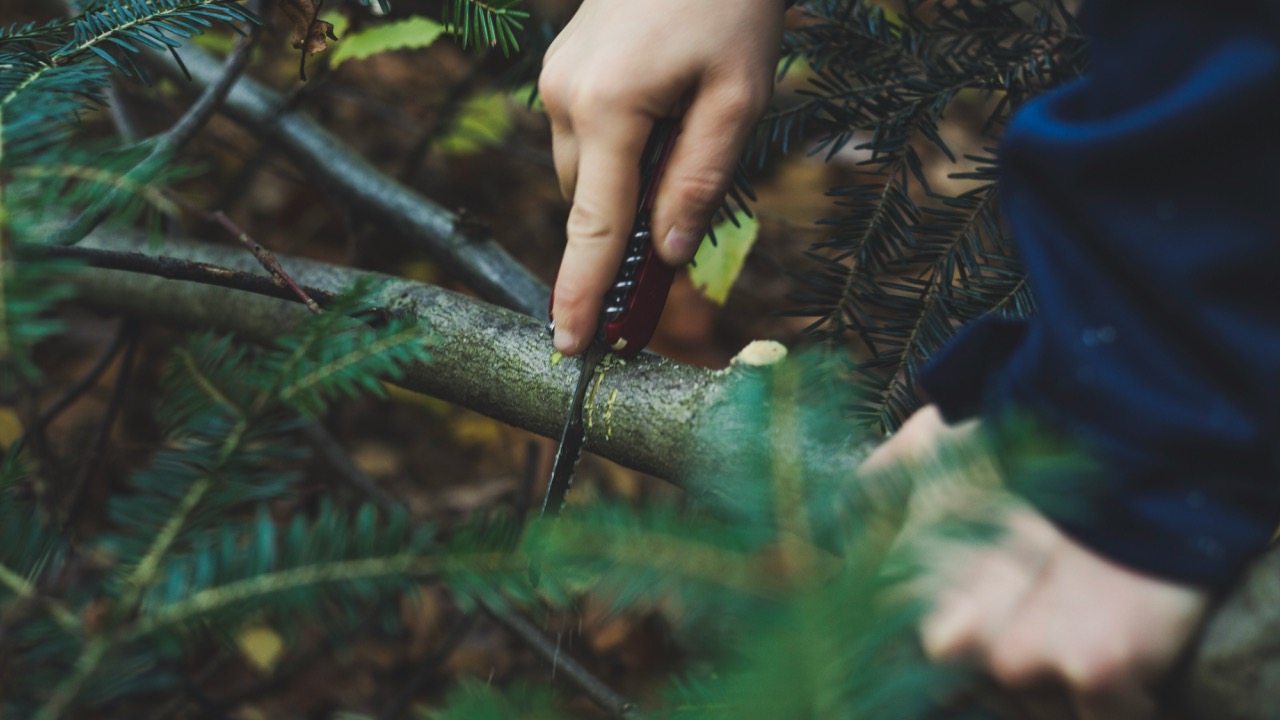
Myth No that You Can Survive Solely off Natural Survival Foods Flip through a glossy foraging guide and it feels like the woods are a buffet. One popular breakdown of 30 common myths warns that banking on wild edibles is a fast track to starvation or poisoning. Plants change with season and region, and lookalikes can put you in liver failure instead of back at the truck.
In real emergencies, calories matter less in the first 72 hours than water, shelter, and medical issues. I treat wild food as a bonus, not a plan. The stakes are simple: if you walk into the backcountry assuming berries and roots will carry you, you are gambling your life on botany skills most people do not have under stress.
2. Food is your top Priority
Food is your top Priority sounds logical when your stomach growls, but physiology does not care about campfire logic. A detailed breakdown that set out to BUST the Top 10 Myths About Survival notes that Food as Priority usually belongs near the bottom of the list. Healthy adults can function for days with minimal calories, but only hours if they are hypothermic, badly dehydrated, or bleeding.
When I teach new hunters and hikers, I hammer the rule of threes: roughly three minutes without air, three hours without shelter in brutal weather, three days without Water, and three weeks without serious Food. Chasing fish or squirrels while you are already lost burns daylight and energy. The real priority is stabilizing your body and signaling so you do not spend a second night out.
3. Water Myth: Clear, running water is always safe
Water Myth thinking says that if a creek is cold, clear, and moving, it must be safe. A detailed list of Water myths points out that parasites and bacteria do not care how pretty the stream looks. Giardia, cryptosporidium, and agricultural runoff ride happily in “pristine” mountain water.
In the field, I either boil, filter, or chemically treat every source that is not coming straight from a known safe tap or sealed bottle. Diarrhea and vomiting in a survival situation are not an inconvenience, they are a direct threat to your ability to walk, think, and stay hydrated. Trusting your eyes instead of proven treatment methods is how a minor misadventure turns into a medevac.
4. How to drink from any cactus in the desert
How to drink from any cactus in the desert is one of those TV tricks that refuses to die. Detailed guidance on How to find in arid country stresses that There is only one type of barrel cactus that reliably offers drinkable moisture. Many others are packed with alkaloids that cause vomiting, diarrhea, and kidney stress.
Even where that one species grows, You still have to identify it correctly and process it without shredding your hands. Separate reporting on Water Content in Cacti notes that Most cacti are approximately 70 to 90% water, but that does not make them a safe canteen. In desert survival, the real play is planning water, reading terrain for seeps, and traveling smart, not hacking into random spines.
5. You can drink cactus water safely because Water Content is high
You can drink cactus water safely because Water Content is high sounds persuasive when you hear that Most Cacti are approximately 70 to 90% water. A detailed breakdown of cactus water explains that the pulp is often acidic and laced with compounds that wreck your gut.
I have seen people take a few desperate gulps from the wrong cactus and spend the next hours doubled over, even in non-emergency conditions. In a real survival scenario, that reaction accelerates dehydration and can make walking impossible. The safer move is to carry more water than you think you need, learn which specific plants are edible, and treat cactus moisture as a last-ditch, species-specific option, not a blanket solution.
6. Myth: You can suck the Venom out of a snakebite
Myth thinking says that if a snake tags you, you slash the wound and suck the Venom out like an action hero. A widely shared guide on Animal attack myths spells it out: Don’t cut and suck snake bites. Venom enters the bloodstream very quickly, and cutting adds tissue damage and infection risk without removing a meaningful dose.
Modern wilderness medicine focuses on immobilizing the limb, keeping the victim calm, and getting to antivenom. I carry a pressure bandage, not a razor blade, for this reason. The stakes are huge for backcountry workers, ranch hands, and hikers in rattlesnake country: clinging to the movie version wastes the critical window when calm evacuation and proper care can save a limb or a life.
7. MYTH: Finding food is the first task in any emergency
MYTH thinking that Finding food should be your first task is stubborn, especially among new preppers. A detailed breakdown of food priorities points out that Food may not be your top concern when exposure or bleeding can kill you in hours. Chasing calories while you are wet and shivering is a good way to die with a full snare line.
When I run scenarios with students, I watch them waste daylight setting deadfalls instead of building a windproof shelter. The broader trend is clear: people overestimate hunger and underestimate cold. For hunters, anglers, and backcountry travelers, reordering that instinct toward shelter, fire, and water is one of the most important mindset shifts you can make.
8. Survival Myths That Are Completely Wrong, Ranked By How Wrong They Are
Survival Myths That Are Completely Wrong, Ranked By How Wrong They Are might sound like a joke list, but the underlying point is serious. A widely shared breakdown of bad advice highlights how confidently people repeat tactics that have never been tested under stress. From drinking alcohol to “warm up” in a blizzard to trusting tampons as trauma dressings, the gap between myth and reality is wide.
I look at these ranked myths as a checklist of what to unlearn before you head out. The stakes go beyond hardcore bushcraft types. Families car camping, day hikers near trailheads, and anyone driving winter backroads all face situations where a half-remembered TV trick could steer them wrong. Replacing those myths with boring, proven skills is what actually keeps people alive.

Asher was raised in the woods and on the water, and it shows. He’s logged more hours behind a rifle and under a heavy pack than most men twice his age.