Why some shooters still prefer used rifles over brand-new models
At a time when rifle makers tout the latest coatings, triggers, and optics-ready receivers, a sizable share of shooters still walk past the glass cases of new guns and head straight for the used rack. For them, a previous owner is not a red flag but a selling point, tied to lower prices, proven reliability, and sometimes better real-world performance than a brand-new model. Their choices reveal a quiet but persistent skepticism about modern production quality and a belief that the smartest money in rifles is often spent on something that has already seen the range.
That preference is not driven only by nostalgia. From documented cost savings and slower depreciation to concerns about factory shortcuts and the appeal of already customized setups, the logic behind buying used rifles is rooted in practical tradeoffs that many shooters find hard to ignore.
Price, depreciation, and the economics of “already broken in”
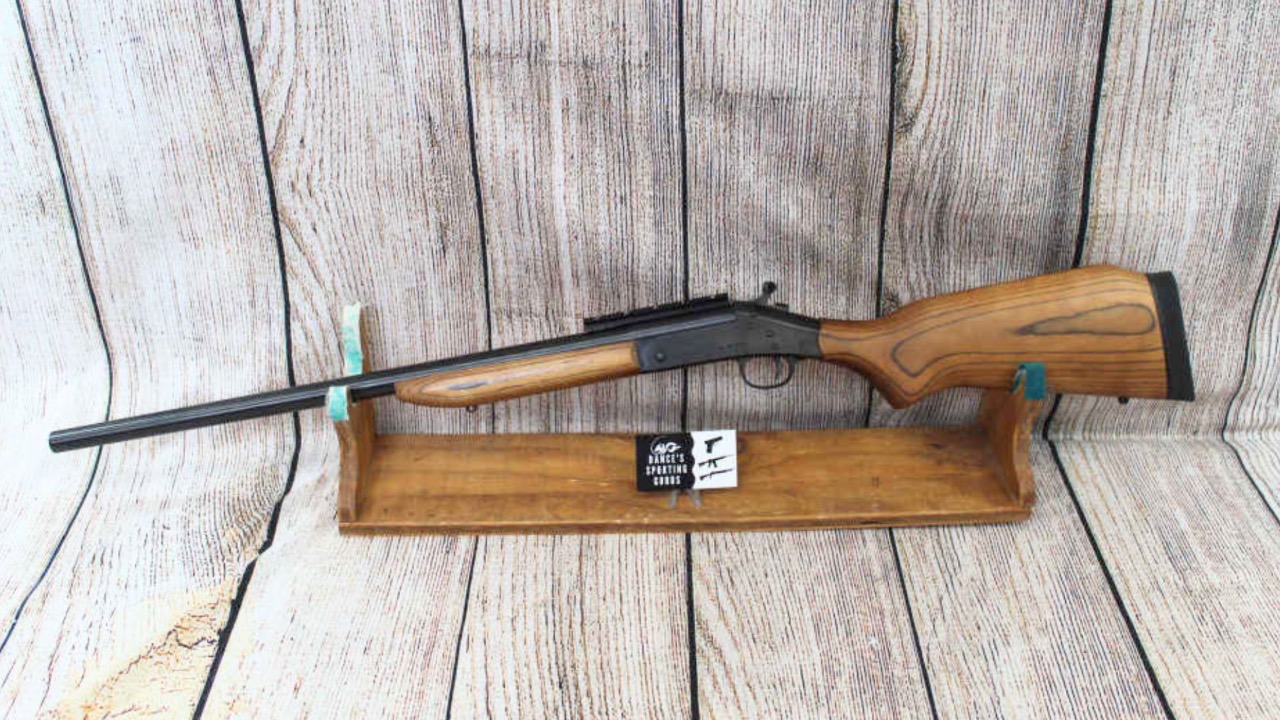
For most buyers, the first reason to consider a used rifle is simple arithmetic. A new firearm typically loses value the moment it leaves the store. One analysis of new and used guns notes that a brand-new gun’s value tends to dip by about 15 percent to 25 percent immediately after purchase, and if it is a common model, it can later sell for only a fraction of its debut price. That depreciation curve makes the second owner far less likely to lose money when it comes time to resell.
Advocates of used guns emphasize that a firearm is an investment and that buying used can stretch a budget into higher quality tiers. A guide to the Benefits of buying used guns frames the decision exactly that way: Buying a gun is an investment, and the right used example can deliver more capability for the same money than an entry-level new rifle. When a buyer avoids the steep initial drop in value, the effective cost of ownership often shrinks.
Enthusiasts on discussion forums and Q&A sites echo that view. One contributor who compared new and used guns argued that a buyer can often save significant money by going used, particularly with high quality brands that hold up well over time. Another shooter on a hunting forum pointed out that there are risks in any used purchase, but that one potential benefit of buying a used one is getting something that might otherwise be out of reach at full retail price.
Real-world examples illustrate how this plays out. A user named Kalashalite, responding to a question about old rifles, described how Marlin Model 60 rifles are not especially collectible but hold value well, and that a private buyer would spend a realistic amount for a well kept example. In practice, that kind of stable used value can mean a shooter buys a rifle, uses it for years, then sells it with minimal loss compared to the original price.
Concerns about modern production quality
Price alone does not explain why some shooters actively avoid new rifles. A growing chorus of independent armorers and industry insiders has raised concerns that many current-production guns leave the factory with issues that previous generations would have considered unacceptable. A video titled “Why 80% of New Guns Are Garbage” features Mar explaining that, in recent years, independent armors and industry insiders have been documenting a trend that the firearms industry has tried to keep quiet. According to that critique, a large share of new guns require post-purchase work to run as reliably as buyers expect.
Mar points to examples where new rifles ship with rough chambers, poorly fitted stocks, or subpar triggers that need immediate attention. While the exact 80 percent figure is a rhetorical flourish rather than a formal statistic, the underlying complaint is familiar to many gunsmiths who see a steady stream of brand-new rifles come in for basic corrections. For shooters who have watched that pattern, a used rifle that has already been vetted by real use can feel like a safer bet.
Other content creators take a more balanced view but still acknowledge that older rifles often feel better built. In a segment that asks whether new hunting rifles are better than old ones, Oct notes that people often say “they do not make them like they used to” and admits that he usually agrees. While modern rifles can be lighter and more modular, he argues that some older actions and barrels exhibit a level of machining and durability that is harder to find at comparable prices today.
These critiques do not mean all new rifles are flawed. A guide to Buying a new firearm highlights clear advantages, such as factory warranties, the peace of mind that comes from being the first owner, and the ability to choose exactly the model and configuration desired. For shooters who prioritize those factors, new remains attractive. Yet the perception that factory quality control has become inconsistent pushes many others toward rifles that have already proven themselves on the range or in the field.
Why a “broken in” rifle can shoot better
Beyond economics and distrust of factory shortcuts, some shooters simply believe that a well used rifle performs better. In a video on used firearms that outperform new ones, Jun describes the appeal of a well broken in gun that just feels right in the hand. He argues that some used firearms are “running circles” around fresh-from-the-box competitors, particularly when the original owner has already done the hard work of barrel break-in, trigger tuning, and sighting.
Barrel break-in is one of the most cited advantages. New barrels often have microscopic roughness that smooths out over the first few hundred rounds. A shooter who buys new must either follow a careful break-in routine or accept that early groups may be less consistent. By contrast, a buyer who picks up a used rifle that has already seen regular use can step straight into a barrel that has settled into its long-term performance pattern.
Jun also points to ergonomics. Stocks that have been handled and carried tend to lose the slightly sharp edges and stiff feel of brand-new synthetic or wood furniture. Controls may operate more smoothly after repeated cycles, and even the trigger pull can feel more predictable once mating surfaces have worn in together. For shooters who care less about pristine finishes and more about how a rifle behaves during a fast follow-up shot, that kind of break-in is an asset rather than a flaw.
Experienced hunters often talk about “trusting” a particular rifle because they know exactly how it behaves in wind, cold, or rain. A used rifle with a known track record can inspire that confidence more quickly than a new gun that has yet to be tested outside the controlled environment of an indoor range.
Customization, accessories, and out-of-the-box readiness
Another recurring theme among used-rifle fans is the value of inheriting someone else’s upgrades. A detailed breakdown of why buying a used firearm can be a smart move highlights cost savings as one of the most compelling reasons to consider buying a used gun, but it also stresses the availability of customization and accessories. Many used firearms come with aftermarket upgrades or accessories that can enhance the shooting experience, such as improved triggers, better stocks, or quality optics that would cost extra if purchased separately.
The same source notes that availability of customization and accessories can be a deciding factor for shooters who want a tailored setup without paying full retail for each component. Its section on Availability of Customization used firearms already include these enhancements, which can represent hundreds of dollars in added value.
By contrast, new rifles often arrive in what some buyers see as “bare bones” trim. A guide for people buying guns in Arkansas notes that Out-of-the-box limitations are common. New guns often require extra accessories, such as optics or grips, which add to the overall cost. A rifle that looks affordable on the shelf can end up significantly more expensive after a scope, rings, sling, and upgraded stock are factored in.
Online marketplaces amplify this dynamic. A review of the Pros and Cons of Buying Used Firearms Online points out that used guns listed on large platforms can be found with a wide variety of configurations, including models that are no longer in production and rifles that already include desirable accessories. Buyers browsing those listings are not just comparing prices. They are weighing complete packages, from bipods and muzzle brakes to premium glass that would cost far more if purchased separately.
Risk, vetting, and how experienced buyers manage uncertainty
Even fans of used rifles acknowledge that the category carries risk. A long range hunting discussion titled “New vs Used” opens with a blunt warning: There are a lot of things that could go wrong by buying a used firearm. Hidden corrosion, improper home gunsmithing, or an unknown round count can turn what looks like a bargain into an expensive repair project.
Experienced buyers manage that uncertainty through careful inspection and smart sourcing. Many recommend sticking to reputable shops or online sellers with strong feedback, rather than anonymous private listings. One thread participant suggests that a used rifle is far more attractive if it comes from a known shooter who maintains equipment well, or from a store that offers at least a short-term guarantee.
Guides on buying used guns often stress a few basic checks. Prospective buyers are encouraged to inspect the bore for pitting or erosion, check that the action cycles smoothly, ensure the safety functions correctly, and look for signs of amateur modifications, such as over-polished feed ramps or drilled and tapped holes that are off center. Some shooters bring a bore light and a set of dummy rounds to test feeding and extraction before committing to a purchase.
Legal considerations also factor in. Organizations that advise gun owners on law and liability, such as those linked through firearms training ranges, remind buyers that they are responsible for understanding transfer laws in their state, whether they buy new or used. A resource connected to uslawshield.com, discovered through a citation trail from a range article, emphasizes that education about local regulations is part of responsible ownership, regardless of where a rifle comes from.
For many shooters, the key is accepting that used rifles are not “risk free” but that the risks can be managed with knowledge and patience. Those who lack confidence in their ability to evaluate a firearm sometimes choose to pay a gunsmith for a pre-purchase inspection, treating it like a mechanical check before buying a used car.
Where new rifles still have the edge
Despite the strong case for used rifles, new models retain clear advantages that keep them popular. A detailed comparison of buying new versus used firearms notes that one of the biggest advantages of buying new is the peace of mind that comes with a factory warranty and the knowledge that the gun has not been altered or abused. For first-time buyers in particular, that reassurance can outweigh the potential savings of a used purchase.

Leo’s been tracking game and tuning gear since he could stand upright. He’s sharp, driven, and knows how to keep things running when conditions turn.