Rifles that earn long-term trust
Rifles that earn long-term trust share a few traits: they work when conditions are ugly, they stay in service for decades, and they keep soldiers alive when everything else is going wrong. I have spent years around rifles in the field and in the shop, and the five here stand out for how consistently professionals keep coming back to them.
1. The AK-47’s Enduring Soviet Legacy
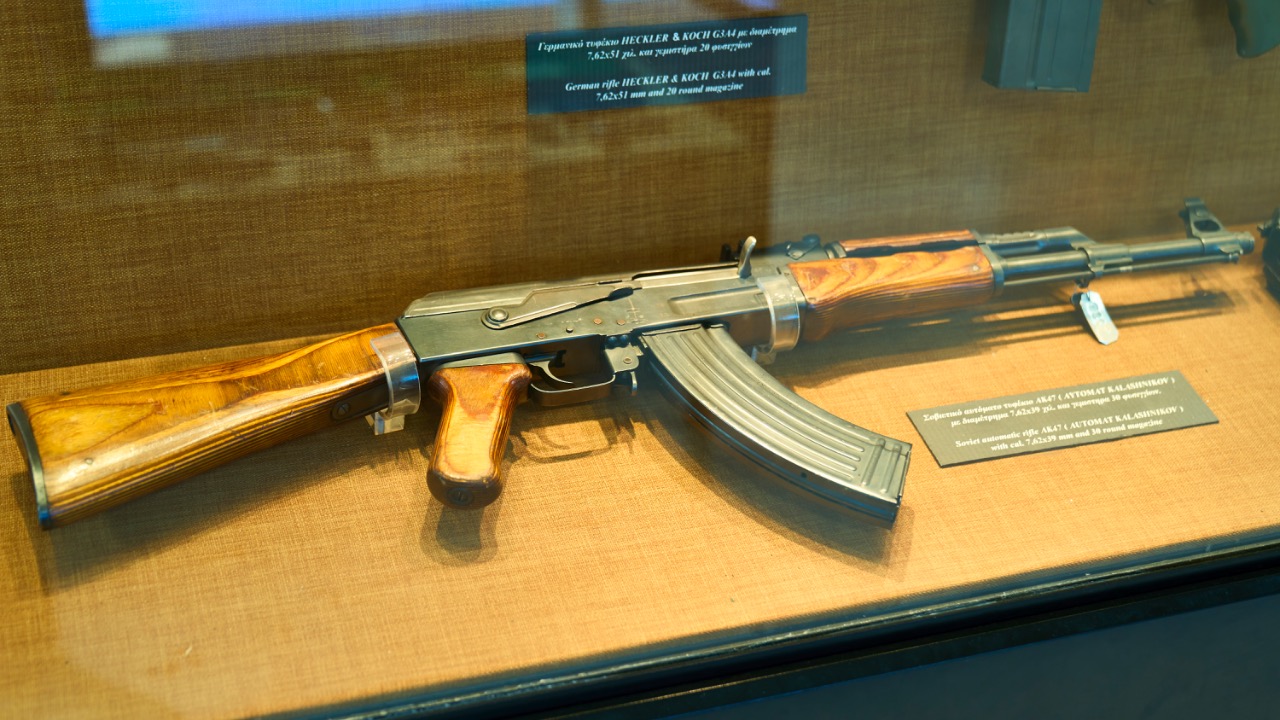
The AK-47, designed by Mikhail Kalashnikov and adopted by the Soviet Union in 1949, is the rifle most people picture when they think about battlefield durability. A 2017 U.S. Army report on small arms proliferation notes that more than 100 million have been produced worldwide and calls its performance “unparalleled reliability in adverse conditions.” That kind of scale means entire generations of fighters learned to trust that stamped receiver and long-stroke gas system.
When a rifle keeps running in mud, sand, and neglect, it shapes tactics and politics alike. The AK-47’s loose tolerances, forgiving magazines, and simple controls let poorly supplied forces stay in the fight, which is why insurgent groups and national armies still lean on it. For anyone who cares about gear that will fire when maintenance falls behind, this rifle is the baseline.
2. The M16’s Evolution in American Service
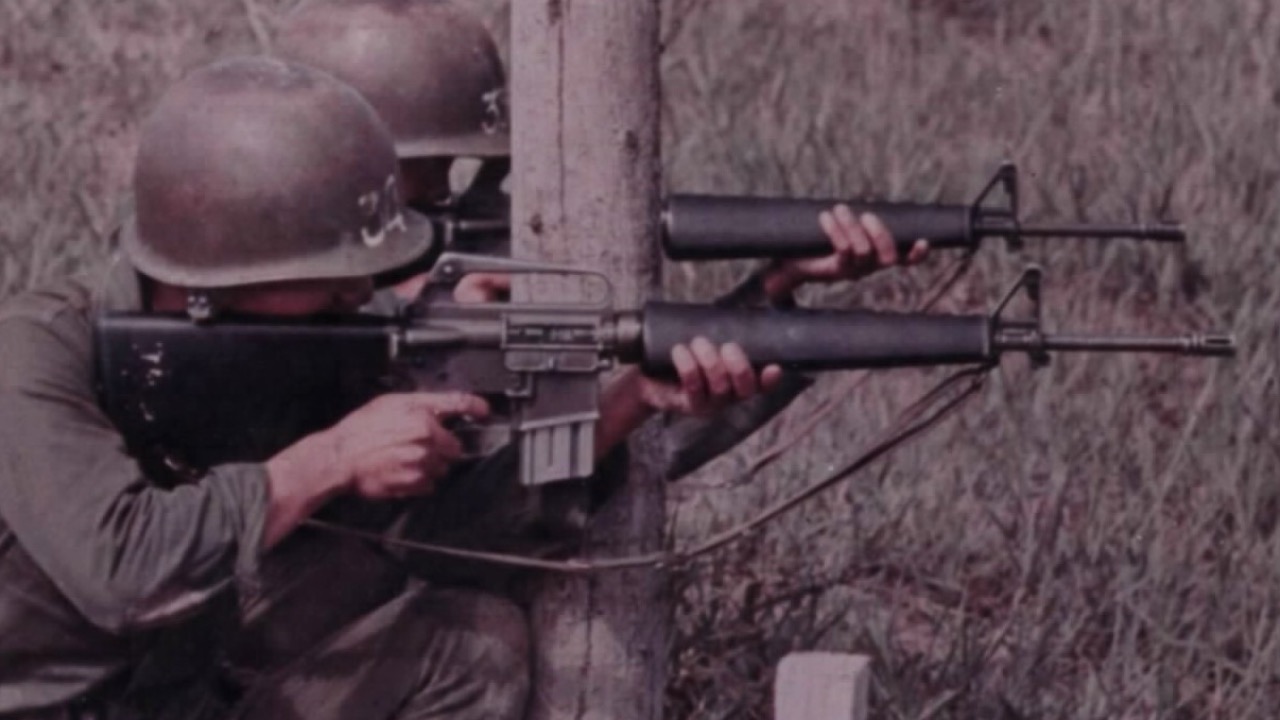
The M16 rifle entered U.S. service in 1964 during the Vietnam War and had a rough start, with early jamming problems that cost lives and confidence. By 1967 it had evolved into the M16A1 variant with chrome-lined chambers and other fixes that directly targeted those stoppages. Over 8 million M16s were eventually produced, and it remained the standard U.S. service rifle until the M4 began partially replacing it in 1994.
That long tenure, more than 50 years in American hands as highlighted in an overview of its evolution, shows how a platform can earn back trust through smart engineering changes instead of being scrapped. For troops, the lesson is clear: when a rifle is supported with steady upgrades, from barrel treatments to magazines, it can stay relevant across new wars and new training standards.
3. The Lee-Enfield’s British Battlefield Resilience
The Lee-Enfield No. 4 Mk I was adopted by the British Army in 1941 and carried through World War II, then on into the Korean War in the 1950s. According to an archival summary, production of this version topped 2 million rifles. A 1945 British War Office evaluation praised its smooth bolt action and said it “outlasted expectations in mud and sand,” which is about the highest compliment a bolt gun can get from people who depended on it.
That combination of fast cycling and grit tolerance meant British and Commonwealth troops could keep accurate fire going even when trenches filled with water or dust storms rolled in. For modern shooters, the Lee-Enfield shows how a well-designed bolt action can still deliver serious volume and reliability, making it more than a museum piece and closer to a working tool that earned its keep.
4. The Mauser 98’s Precision German Heritage
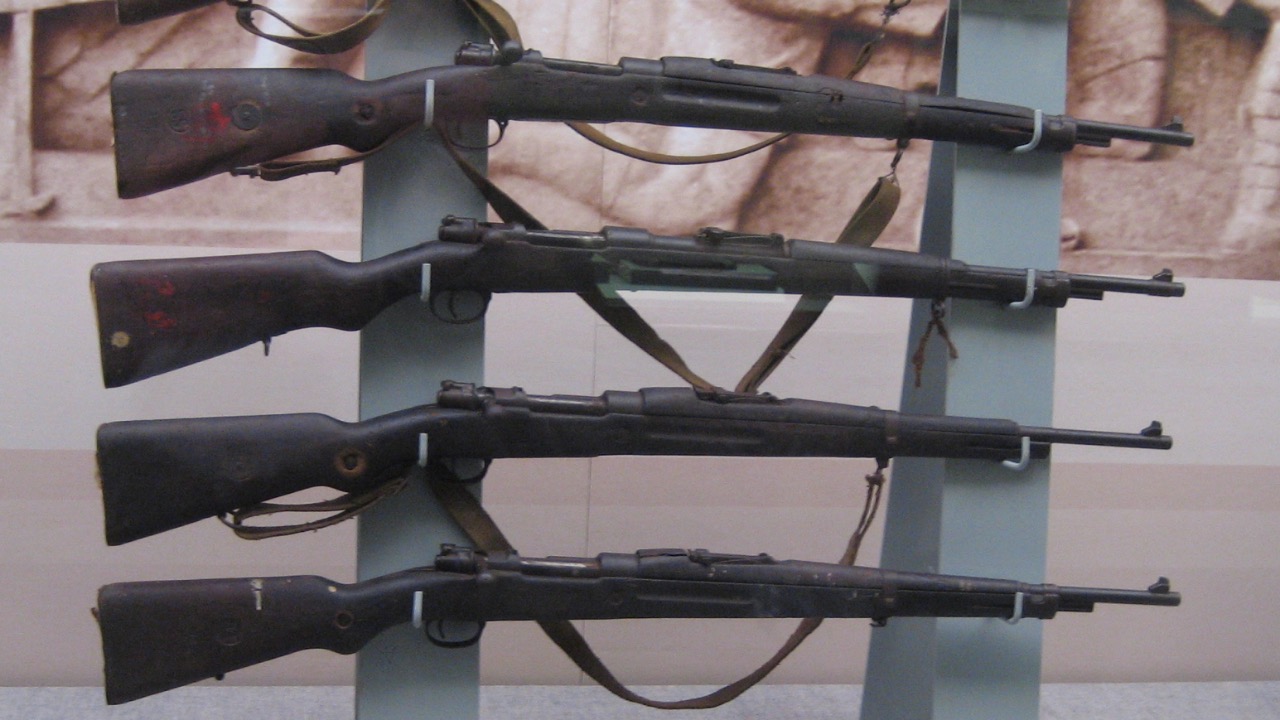
The Mauser Model 98, developed by Paul Mauser and introduced in 1898 for the German Empire, set the pattern for what a controlled-feed bolt rifle should look like. A later carbine version, the Karabiner 98k, became the main German infantry rifle, with more than 5 million produced between 1935 and 1945. A German retrospective called it “the rifle that defined infantry reliability,” a line that matches what hunters and armorers have said for generations.
Its dual front locking lugs, massive claw extractor, and strong receiver ring became the blueprint for countless sporting rifles after the war. When a design keeps getting copied for over a century, it tells me the original solved real problems. For anyone who cares about a rifle feeding and extracting every time, even with rough ammo, the Mauser 98 remains the standard reference point.
5. The FN FAL’s NATO-Wide Adoption
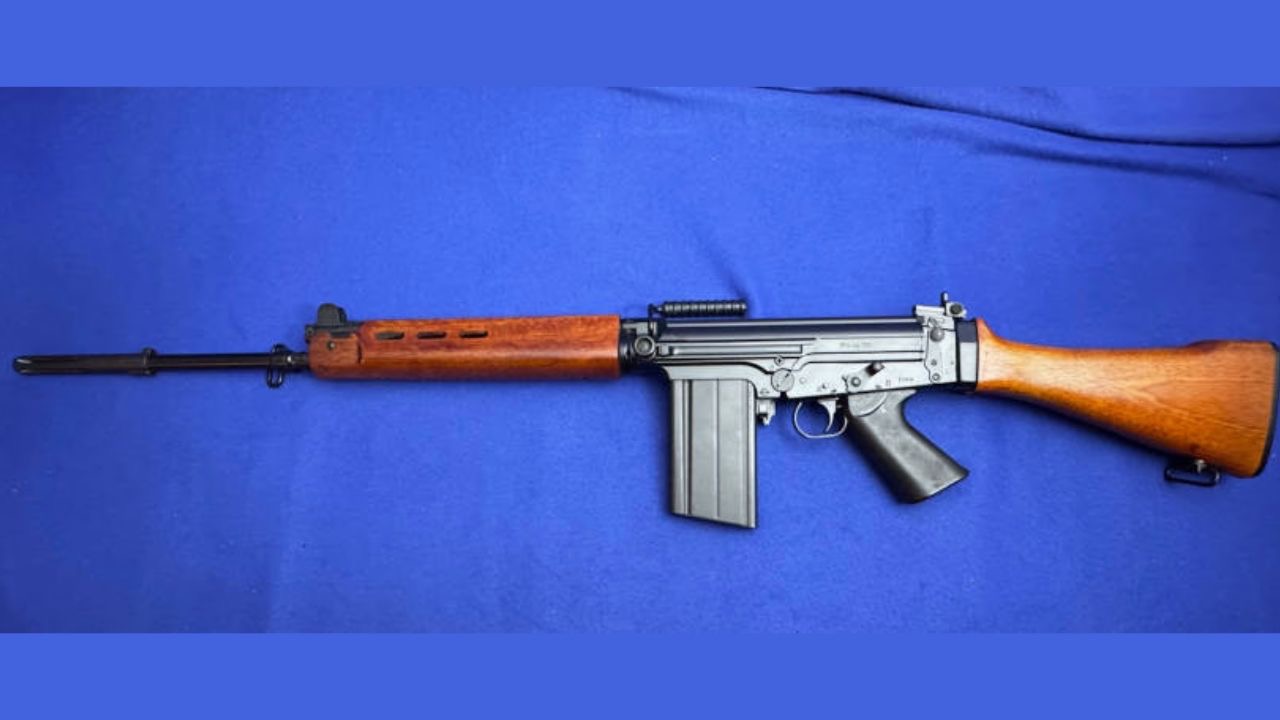
The FN FAL came out of Fabrique Nationale in 1947, designed by Dieudonné Saive around what would become the 7.62×51 NATO cartridge. It was adopted as a NATO standard in 1953 and eventually served in more than 90 countries, with roughly 2 million rifles built by 1980. A NATO arms study praised its 7.62mm NATO chambering and “battle-proven endurance across climates,” from European winters to African heat.
Variants like the British L1A1 stayed in front-line use into the 1990s, which says a lot about how well the design handled recoil, dirt, and field abuse. For soldiers and armorers, a rifle that can be issued across dozens of nations and still keep parts, training, and performance in line is a huge advantage, and the FN FAL earned that role the hard way.

Asher was raised in the woods and on the water, and it shows. He’s logged more hours behind a rifle and under a heavy pack than most men twice his age.