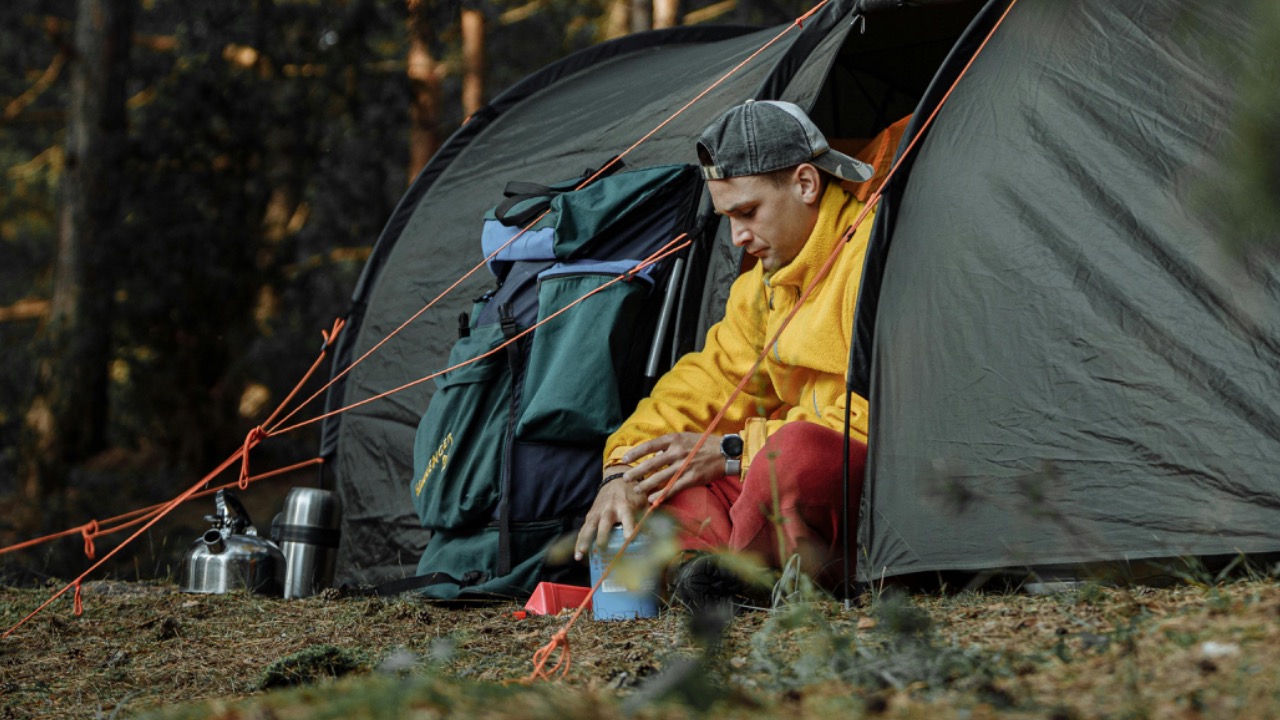
10 survival skills every camper should know before heading out
You don’t need to be deep in the backcountry for things to go sideways. A wrong turn, a sudden storm, or a busted piece of gear can turn a routine camping trip into a long night in a hurry. The difference between a good story and a bad situation usually comes down to what you know before you ever leave the truck.
These aren’t flashy skills. They’re the kind that keep you steady when something breaks, gets lost, or doesn’t go according to plan. If you’ve spent enough time outdoors, you learn quickly that preparation isn’t about packing more gear—it’s about knowing how to work with what you’ve got.
Reading Terrain Without a Map
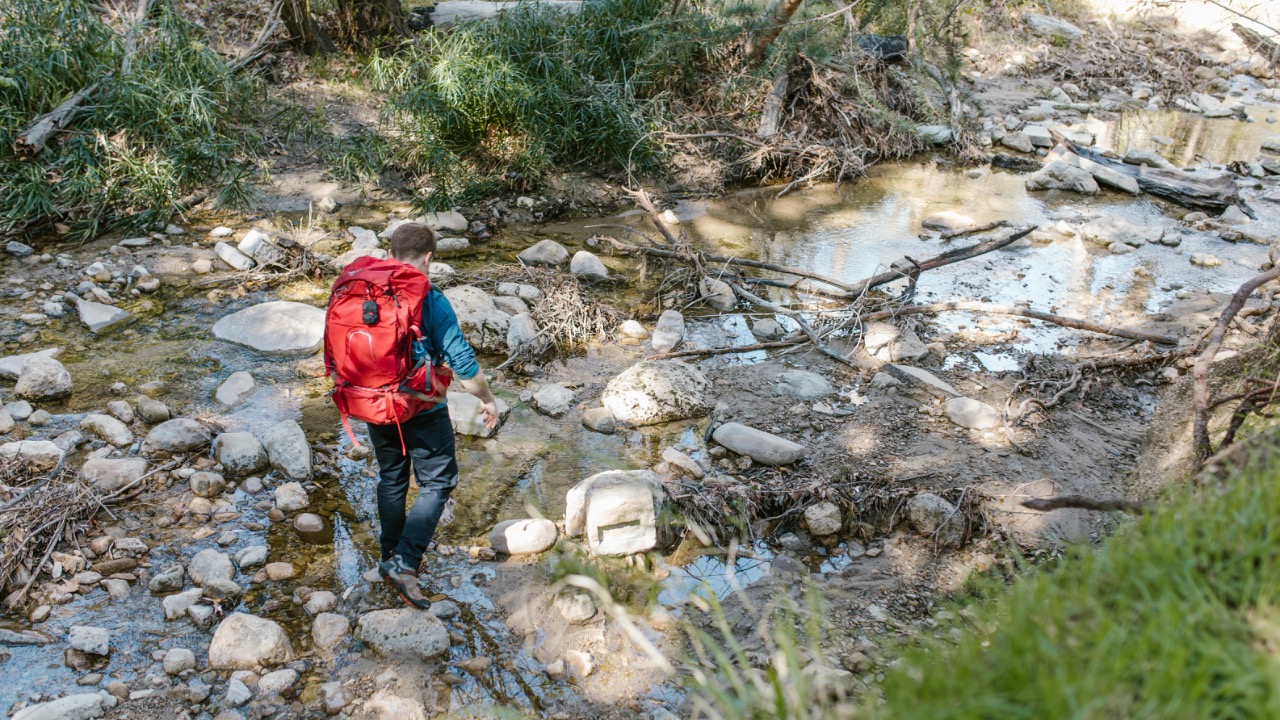
When you lose your sense of direction, the landscape itself can guide you if you know what to look for. Water flows downhill, ridgelines offer visibility, and valleys tend to lead toward roads or civilization. Paying attention to these patterns gives you a built-in backup when your navigation tools fail.
You don’t need to overthink it. Start noticing slope direction, sun position, and how trails naturally form. Over time, you’ll recognize how terrain funnels movement. This skill builds quietly, but once it clicks, you’ll stop feeling turned around so easily when you step off a marked path.
Building a Fire in Wet Conditions
Starting a fire when everything’s damp separates prepared campers from frustrated ones. Dry fuel still exists—you just have to look harder. Dead branches caught off the ground, the inside of split wood, and bark from certain trees can all give you a fighting chance.
You’ll also need to manage airflow and structure more carefully. A loose pile won’t cut it when moisture is working against you. Take the extra time to build a proper base and protect your flame early. Once it catches, maintaining it becomes far easier than starting from scratch again.
Managing Sweat to Stay Warm
Most people think cold comes from the weather. More often, it comes from your own sweat. Overheating on a hike, then cooling off too fast, is a common way to end up chilled even in mild conditions.
You have to pace yourself and adjust layers before you feel uncomfortable. Open zippers, remove layers early, and stay ahead of moisture. Dry clothing matters more than heavy clothing. Once you learn how to regulate heat instead of reacting to it, you’ll stay warmer with less effort.
Using Natural Windbreaks
Wind drains heat faster than most people expect, especially at night. You don’t always need a tent to deal with it if you choose your campsite carefully. Hills, rock formations, and dense tree lines can cut wind dramatically.
Position yourself on the protected side of terrain, not the exposed edge. Even a slight change in location can make a noticeable difference. Once you start paying attention to wind direction and how it moves through an area, you’ll camp more comfortably without adding extra gear.
Finding Dry Ground in Bad Weather
When rain sets in, water follows predictable paths. Low spots, slight depressions, and even areas that look flat can turn into puddles overnight. Picking the wrong spot can leave you sleeping in damp gear by morning.
Look for ground that’s slightly elevated with a gentle slope to shed water. Avoid areas near the base of hills or along natural drainage lines. A few minutes spent reading the ground before you set up camp can save you hours of discomfort later.
Packing for Access, Not Just Weight
A well-packed bag isn’t only about balance—it’s about what you can reach when you need it. If your rain gear, headlamp, or first aid kit is buried, it might as well not be there when conditions change quickly.
Think through your day and pack accordingly. Keep essential items where you can grab them without digging. The goal is to reduce downtime when something unexpected happens. Once you get this right, your whole camp routine becomes smoother and more efficient.
Staying Found Instead of Getting Lost
There’s a difference between finding your way back and never losing it in the first place. Staying aware of landmarks, trail changes, and direction of travel keeps you grounded even in unfamiliar areas.
You don’t need constant navigation checks. Instead, build the habit of glancing back occasionally and noting how things look in reverse. That small effort helps you recognize your path on the return trip and keeps you from second-guessing every turn.
Managing Light After Dark
Darkness changes everything. Tasks that feel easy during the day become slow and clumsy without proper light. Managing your light source—whether it’s a headlamp or flashlight—makes a big difference in how smoothly your evening goes.
Keep spare batteries accessible and use light intentionally. You don’t need full brightness for every task. Preserving battery life while maintaining visibility keeps you functional longer. Once you get used to working efficiently in low light, nighttime stops feeling like a limitation.
Handling Minor Injuries Early
Small injuries can turn into bigger problems if you ignore them. A blister, a small cut, or a sore joint can affect how you move, which then leads to more strain elsewhere.
Take care of issues as soon as they show up. Clean wounds, tape hot spots, and rest when something feels off. You don’t need a full medical setup—just awareness and a willingness to act early. Staying ahead of minor problems keeps them from becoming trip-ending ones.
Knowing When to Stay Put
Movement feels productive, but it isn’t always the right call. If you’re unsure of your direction, low on energy, or dealing with bad conditions, staying put can be the smarter move.
Set up a visible, stable position and make yourself easier to locate if needed. Conserve energy, stay warm, and wait for better conditions or daylight. Experience teaches you that patience often beats pushing forward blindly when things aren’t lining up.

Asher was raised in the woods and on the water, and it shows. He’s logged more hours behind a rifle and under a heavy pack than most men twice his age.