Experts warn as aggressive wildlife attacks on livestock increase sharply
Wildlife specialists and local officials are warning that aggressive encounters between predators and farm animals are becoming more visible, more costly, and harder to predict, even as some regional data show conflicting trends. Ranchers, researchers, and law enforcement all describe a similar pattern: livestock losses are rising in several hotspots while predators push deeper into human-dominated areas, forcing communities to rethink how they share space with wild animals.
At the same time, formal complaint numbers in places such as Minnesota show that not every species or region is on the same trajectory, complicating any simple story of a uniform surge. That tension, between local spikes and broader variability, sits at the heart of the current debate over how serious the threat is and how urgently policy should respond.
Predators on the move as habitats shrink
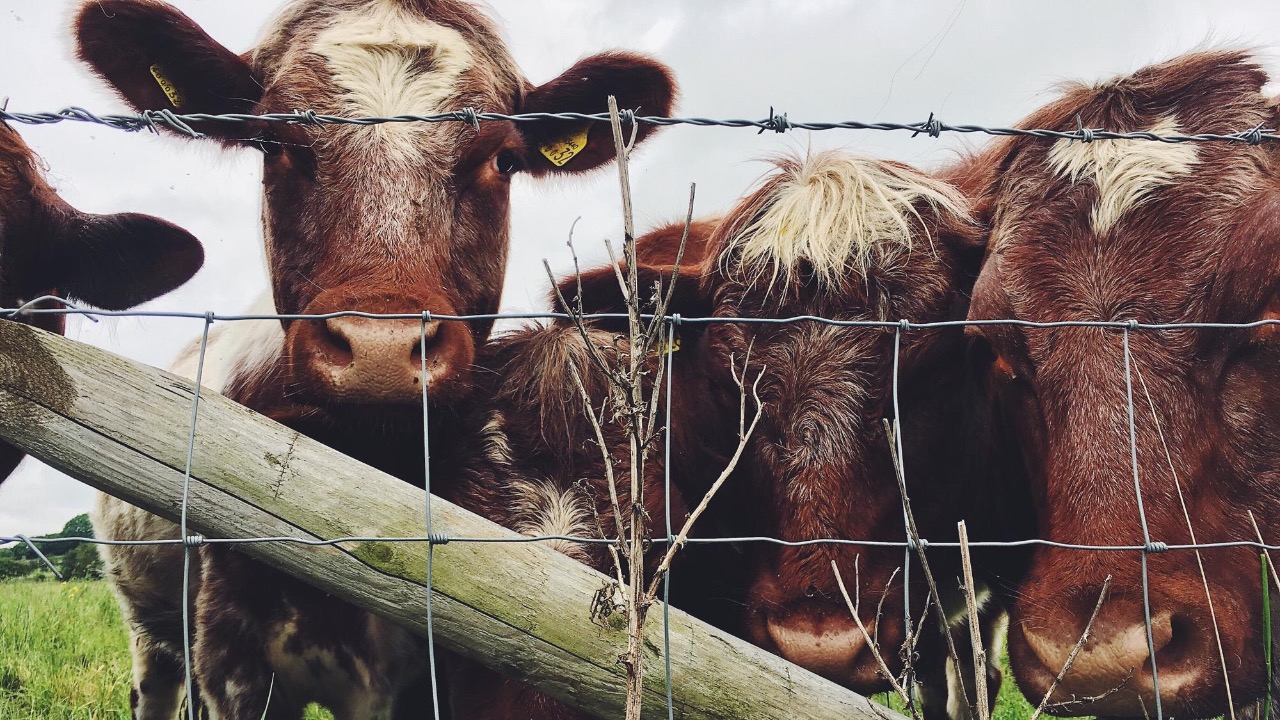
Across the United States, predators are expanding into suburbs and exurbs where livestock and pets are easier targets than wary wild prey. In Southern California, officials have focused on coyote sightings as an early warning sign that wild animals are being squeezed into smaller, fragmented territories, which leaves Wildlife is already as habitats are lost or reduced due to drought and development. When coyotes and similar predators lose access to stable food and shelter, they turn more often to backyard poultry runs, small ruminants, and unsecured feed as low-risk opportunities.
Similar pressures are playing out in other fast-growing regions. In North Texas, local experts have described how Humans are building, pushing bobcats and coyotes to adapt to subdivisions and hobby farms that were once open range. Biologists warn that as these boundaries blur, predators that historically avoided people begin to test fences and explore barns, raising the odds that livestock will end up in their path.
Local spikes, national uncertainty
Despite the headline-grabbing nature of recent attacks, there is no single national dataset that proves a uniform, countrywide surge in livestock predation. Instead, the evidence points to sharp increases in specific places and species, layered over more stable or even improving trends elsewhere. In Minnesota, for example, state figures show that wolf-related conflicts with farm animals and pets actually fell after a previous spike, with Ranchers and pet owners reporting far fewer attacks as conditions returned closer to normal.
Those Minnesota numbers, which include a drop in verified kills and formal complaints, stand in sharp contrast to warnings from other regions that describe a worsening threat to herds. The divergence underscores how local ecology, weather, and management all shape how often predators and livestock collide. Where deterrence programs and habitat protections are working, conflicts can fall quickly, while areas without those tools, or facing new invasive predators, may experience exactly the kind of sharp increase that farmers are now sounding alarms about.
Hybrid and invasive predators change the stakes
One of the most unsettling developments is the emergence of hybrid and invasive predators that do not fit neatly into traditional management playbooks. Experts have raised alarms about hybrid creatures that are attacking both people and livestock, describing Experts issue warning about a problem that could be catastrophic because these animals are not native to North America. That warning is especially serious for small-scale producers who lack the resources to adapt quickly when a new predator appears.
Hybrid animals can be bolder, more adaptable, or more efficient hunters than either parent species, which magnifies the risk for outdoor herds. In agricultural regions of the Southeast, specialists have also documented how similar non native animals can spread rapidly and overwhelm both crops and fences, with one report noting that just take out in their path. When that kind of pressure lands on pastureland, livestock losses can mount quickly, even if traditional predators like wolves or coyotes are holding steady elsewhere.
Officials confront a rise in dangerous encounters
While the data picture is patchy, public warnings from law enforcement and wildlife agencies have become more frequent and more urgent. In Jefferson County, Colorado, the Jefferson County Sheriff Office has alerted residents to increased mountain lion activity after at least two pets were killed, a pattern that puts nearby livestock at obvious risk. That kind of advisory suggests that big cats are testing the edges of neighborhoods where goats, sheep, and backyard cattle are often kept with minimal protection.
Elsewhere, a series of wild animal incidents has prompted officials to stress that Officials issue warning that people are occupying the space where these animals once roamed freely, and that human behavior is creating new feeding opportunities. Taken together, these alerts point to a feedback loop in which unsecured garbage, outdoor pet food, and poorly managed compost draw predators closer, increasing the chance that a herd in an adjacent field will be the next target.
Climate shifts and altered predator behavior
Climate variability is also reshaping how and when predators come into contact with livestock. In some regions, warmer winters are shortening hibernation or dormancy periods and extending the active season for species that can threaten farm animals. One expert account describes how Normally these animals remain inactive for nearly three months, resulting in fewer incidents, but changes in temperature are now associated with more cases.
Researchers tracking animal aggression have also flagged behavioral changes that arise when food is scarce or competition intensifies. In one observed pattern, Researchers issue warning that animals under stress start really fighting, like grappling, which can spill over into more aggressive behavior toward other species, including domestic stock. Applied to marginal rangelands or drought-stricken forests, that insight helps explain how climate stress can indirectly amplify livestock attacks even if predator numbers do not explode.
Human behaviour is tilting the balance
Alongside climate and habitat change, human choices are directly shaping how often predators and livestock collide. Analysts of recent incidents have stressed that Human behaviour matters, because feeding wildlife, poor waste management, and illegal keeping of wild animals all strip away natural fear and caution. The same pattern appears in rural communities where residents leave carcasses or grain out overnight, unintentionally training predators to associate farmyards with easy meals.
Urban fringe areas add another layer of risk. In North Texas, where bobcats and coyotes are on the rise, backyard chickens, miniature goats, and small ponies have become popular lifestyle choices that are not always matched with secure fencing or night housing. When people treat livestock as pets without adopting the defensive mindset of commercial ranchers, they create soft targets that emboldened predators quickly learn to exploit. Over time, that shift in behavior on both sides can look like a sharp increase in attacks, even if the underlying predator population has only inched upward.
Coyotes as a bellwether predator
Coyotes occupy a special place in this story because they thrive in almost every environment where people keep animals. Extension specialists have argued that Understanding coyote behavior can help humans avoid aggressive encounters, in part by recognizing early warning signs such as repeated scouting passes near pastures or bold approaches to barns. Coyotes function as a kind of real time indicator of how well a community is managing attractants, because they respond quickly to any new food source, from spilled feed to unprotected lambs.
Officials in Southern California have gone further, asking residents to treat coyote sightings as a signal that ecosystems are being forced to Why are coyote sightings important, since disruptions can cause entire food webs to suffer and readjust. When coyotes move in large numbers into peri urban areas, that shift can also indicate that smaller predators and scavengers are on the move, multiplying the number of species that might test a fence line or harass a herd.
Livestock producers caught in the middle
Farmers and ranchers are bearing the immediate costs of this shifting relationship with predators. Traditional practice has been for Livestock owners to use a mix of non lethal and lethal methods, from guard dogs and fladry to targeted removal of problem animals, to protect domestic herds. Many producers now say the pace of change in predator behavior, combined with legal limits on lethal control, is outstripping the tools they have on hand.
Conservation scientists, meanwhile, warn that indiscriminate killing can backfire by disrupting social structures and pushing younger, less experienced predators into riskier behavior around people and stock. The Minnesota wolf case, where conflicts fell after a spike, suggests that carefully managed deterrence and clear rules can stabilize the situation. That example serves as a counterpoint to the more alarming narratives, a sign that with the right mix of policy, education, and support, livestock producers do not have to accept ever rising losses as inevitable.
What a smarter response could look like
Weighing the scattered data and vivid case studies suggests that the real story is not a simple nationwide explosion of livestock attacks but a patchwork of local surges driven by habitat loss, climate shifts, invasive predators, and human habits. In some regions, experts describe Experts issue warning that devastating creatures attacking livestock have grown tremendously in number, while other areas report declining conflicts thanks to proactive management. That contrast suggests that the sharpest increases are preventable, not preordained.
A smarter response would start with better data, so that local spikes are identified early, and with targeted support for producers who face new or hybrid predators. It would also include community wide campaigns to change the behaviors that draw wildlife into close contact, from unsecured trash to casual feeding. If officials, ranchers, and residents treat each new incident as part of a broader pattern rather than an isolated shock, they can push the trend lines back toward stability, even as wild predators continue to adapt to a human dominated world.

Leo’s been tracking game and tuning gear since he could stand upright. He’s sharp, driven, and knows how to keep things running when conditions turn.