Fifteen predators more likely to pursue than retreat
Predators that choose to chase instead of back away shape how entire ecosystems function, from open savannas to city edges. When a hunter is more likely to pursue than retreat, every potential encounter forces prey to make instant, high‑stakes decisions about whether to freeze, flee, or fight. I focus here on fifteen of those relentless hunters and on what their behavior reveals about speed, strategy, and survival.
Across species, pursuit is not a single tactic but a spectrum of decisions, from explosive sprints to dogged endurance runs and aerial dogfights. By examining how these predators commit to the chase, and how often that commitment actually pays off, I can trace a common thread that links cheetahs, wolves, raptors, sharks, and even insects that hunt with astonishing efficiency.
Relentless pursuit: how biologists define the chase
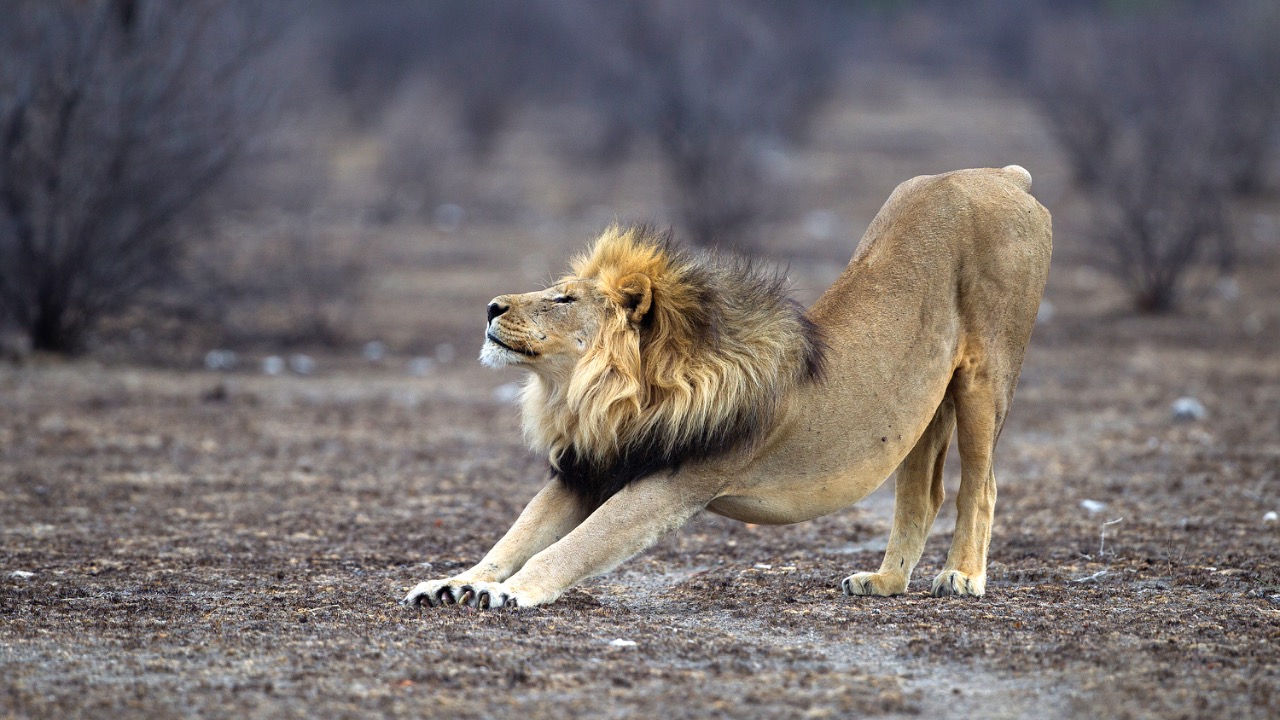
When I talk about predators that are more likely to chase than retreat, I am really talking about what researchers call pursuit predation. In its classic form, a hunter detects a target, commits to a run, swim, or flight, and keeps closing the gap until it either captures the animal or the prey outruns it and escapes. Biologists describe this as a strategy mostly used by carnivorous species in the kingdom Animalia, including iconic examples such as cheetahs, lions, wolves, and eagles that rely on speed or endurance rather than stealth alone.
That definition matters because it separates these hunters from those that wait in hiding. Ambush predators avoid long chases and instead strike from cover, often in a single explosive movement that quickly incapacitates and captures the prey. By contrast, pursuit predators accept the cost of fatigue, injury, and visibility in exchange for more chances to bring down mobile prey in open environments. When a cheetah launches into a sprint or a wolf pack breaks into a trot behind a fleeing deer, they are embodying this commitment to the chase, and they rarely break it off without a clear reason.
From search to capture: why some hunters commit
To understand why some predators are so inclined to pursue, I look at the basic structure of predation itself. Ecologists often break it into a sequence of stages, described in one influential framework as Contents that move from 1 Definition to 2 Taxonomic range and then into 3 Foraging. Within that foraging section, the process is further divided into 3.1 Search, 3.2 Assessment, and 3.3 Capture, with capture then split into ambush, ballistic interception, and pursuit. A hunter that tends to chase is essentially weighting that final 3.3 stage toward sustained movement instead of a short strike.
For predators that favor pursuit, the key decision point is the Assessment stage. In that moment, the animal weighs distance, terrain, wind, and the prey’s condition before committing to a chase that might last seconds or minutes. A lion scanning a herd or a hawk eyeing a rabbit is not just reacting, it is running a rapid cost‑benefit calculation about whether a full chase is worth the energy and risk. When the odds look favorable, these species rarely hesitate, because their entire hunting strategy is built around turning that assessment into a decisive, committed run.
Fifteen predators that rarely back down
Across the animal kingdom, at least fifteen predators stand out for their tendency to chase instead of withdraw once they have locked onto a target. On land, I would place cheetahs, lions, wolves, African wild dogs, coyotes, bobcats, tigers, and dholes in that group, along with clouded leopards and the Sunda clouded leopard, all of which rely heavily on active hunting rather than passive waiting. In the air, peregrine falcons and other diurnal raptors often initiate high‑speed dives or long pursuits rather than giving up when prey bolts. In water, sharks such as great whites and some tuna species commit to powerful, extended runs once they launch an attack.
Several of these hunters, including the clouded leopard (Neofelis nebulosa), the Sunda clouded leopard (Sunda Neofelis diardi), the tiger (Panthera tigris), and the dhole are facing a separate pressure: their preferred prey species are shrinking, with some analyses finding that 50 percent of their prey is classified as declining. That scarcity can push them to chase marginal targets they might once have ignored, which means more encounters where backing off is no longer an option. When food is harder to find, the instinct to pursue rather than retreat becomes even more pronounced.
Speed specialists: cheetahs, lions, and wild dogs
Among the most committed chasers are the speed specialists of African grasslands. Cheetahs are the obvious sprinters, but lions and African wild dogs also fit the mold of predators that tend to run rather than yield when prey breaks cover. Once a lioness launches into a run or a wild dog pack locks onto a fleeing antelope, the chase often continues until one side collapses from exhaustion or the terrain changes. These species are textbook examples of pursuit predation, where the hunt depends on rapid acceleration, tight turns, and the ability to maintain high speed for just long enough to close the gap.
Their commitment to the chase rests not just on anatomy but also on social coordination and experience. Young lions learn quickly that a half‑hearted run rarely succeeds, while wild dogs refine pack tactics that keep prey from doubling back or reaching shelter. Their behavior stands in sharp contrast to Unlike ambush predators that rely on surprise and a single pounce; these hunters accept that each kill may require a long, visible chase where quitting early means going hungry.
Endurance hunters and coursing canids
Some of the most determined chasers are not the fastest sprinters but the best endurance runners. Wolves, dholes, coyotes, and African wild dogs are often described as coursing predators, a term used for hunters that can sustain prolonged chases over long distances. Once a pack of wolves or a group of dholes commits to a pursuit, they may follow their target across valleys, through forests, and over snow or rock, relying on sheer stamina to wear down the prey. This style of hunting favors predators that are more likely to keep coming than to break off after a short burst.
Researchers studying escape behavior describe how Coursing predators such as canids and many diurnal birds of prey can sustain these prolonged chases and will initiate them at greater distances from cover or safety. As a result, prey animals must decide to flee earlier and run farther, because once a wolf pack or a coyote starts moving in, the odds of the predator simply turning away are low. In these systems, pursuit is not a rare escalation, it is the standard response whenever a vulnerable animal is detected in open ground.
High‑mobility hunters at the road’s edge
Predators that are built to move quickly across large territories often pay a price for that mobility when their ranges intersect with roads. High‑speed chasers such as coyotes and bobcats are especially vulnerable in fragmented landscapes where highways cut through hunting grounds. When these animals commit to a chase, they may cross multiple roads in a single pursuit or track prey along roadside edges, which increases their exposure to vehicles and human activity.
One analysis of road impacts on carnivores describes how High mobility predators such as the bobcat (Lynx rufus) and the coyote (Canis latrans) in California are particularly susceptible, both to direct mortality and to the way roads limit movement and genetic exchange. For a coyote that is more inclined to pursue a rabbit across a culvert than to abandon the chase, or a bobcat that follows a rodent corridor along a highway shoulder, the very behavior that makes them effective hunters can increase their risk. Their refusal to retreat easily from a chase becomes a liability in human‑dominated environments.
Raptors, dragonflies, and aerial pursuit
Not all relentless chasers run on the ground. In the air, raptors such as peregrine falcons, hawks, and eagles specialize in high‑speed dives and agile dogfights that often continue until one bird outmaneuvers the other. Once a falcon commits to a stoop toward a fleeing pigeon or duck, the predator rarely peels away without at least attempting a strike. These birds rely on acute vision, rapid wing adjustments, and the ability to track erratic flight paths, which makes retreat less common once the attack sequence begins.
Among smaller aerial hunters, dragonflies are remarkable for how often their chases succeed. One analysis of predator efficiency notes that, While many predators fail in most of their attempts, dragonflies can reach a shockingly high 95 percent success rate when they pursue prey in flight. That figure reflects not only their speed and agility but also the precision of their approach and interception. When a dragonfly launches after a mosquito, it is acting as a tiny pursuit specialist that almost never needs a second try.
Measuring hunting success across species
To compare how effective different predators are once they decide to chase, I look at hunting success rates. These figures capture the percentage of attempted hunts that end with a kill, and they vary widely across species and hunting styles. Some big cats, such as leopards and lions, may succeed in a minority of their attempts, while others, like certain marine mammals or specialized birds, convert a higher share of chases into meals. The willingness to pursue does not always translate into high success, but it often reflects a strategy that accepts many failures in exchange for occasional big wins.
One compiled List of animals by hunting success rate, organized by Common name, Family, and Hunting success rate, shows that some members of the family Felidae can reach around 60 percent success in particular contexts. That kind of efficiency suggests a strong link between careful assessment, well‑timed pursuit, and the ability to exploit specific habitats or prey behaviors. When a predator combines a high tendency to chase with a high success rate, it becomes one of the most influential hunters in its ecosystem.
Prey decisions, depleted food, and the future of pursuit
For prey animals, facing a predator that is more likely to pursue than retreat changes the entire decision tree around escape. When a deer, antelope, or rodent spots a wolf, lion, or raptor, it must decide how close it can allow the predator to come before bolting, knowing that once the chase starts, the hunter is unlikely to give up quickly. Studies of escape behavior emphasize how prey adjust their flight distances and routes in response to predators that can sustain long chases, because a late start can be fatal when the hunter is built for endurance or speed.
At the same time, prey depletion is reshaping how these predators behave. The analysis that highlighted Neofelis, the Sunda clouded leopard, Panthera tigris, and the dhole also warned that many large carnivores now have at least 50 percent of their prey classified as declining. As those food sources shrink, pursuit predators may be forced to travel farther, take greater risks, and chase less optimal prey, from livestock at the edge of farms to smaller animals that provide fewer calories. I see a feedback loop in which relentless hunters, pressured by scarcity and fragmented habitats, double down on their instinct to chase, while prey species and human communities scramble to adapt to predators that are increasingly unwilling to back away.

Leo’s been tracking game and tuning gear since he could stand upright. He’s sharp, driven, and knows how to keep things running when conditions turn.