Raccoons aren’t villains — what their behavior really means
Spend enough nights outdoors and you’ll hear them before you see them—scratching, chattering, tipping over something that probably shouldn’t have been left out. Raccoons get labeled as troublemakers, but most of what they do makes sense once you understand how they live. They aren’t out there causing problems for the sake of it. They’re surviving in a world that’s been reshaped around them.
If you’ve ever watched one up close, you know there’s more going on than mischief. Their behavior tells a story about pressure, opportunity, and adaptation. Once you read it right, the frustration starts to give way to a little respect.
They’re Not Breaking In—They’re Following Food
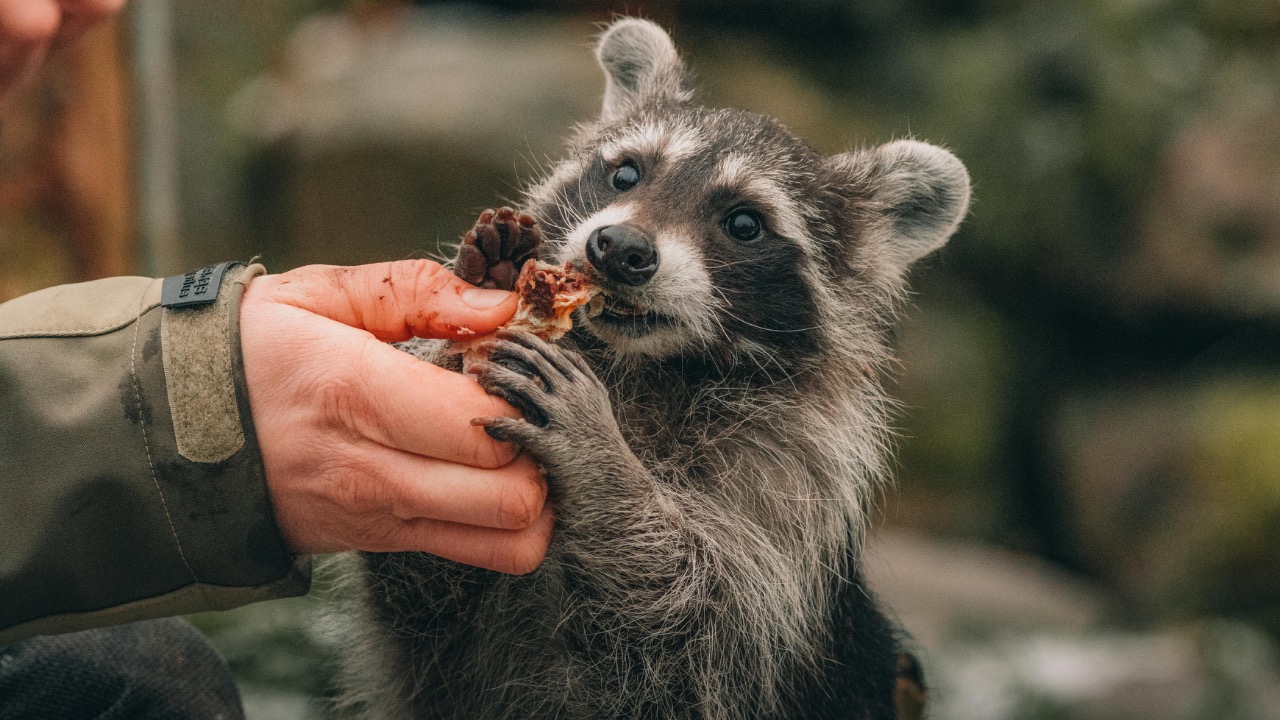
When a raccoon tears into a trash can or works at a shed door, it can feel personal. In reality, you’re seeing a pattern that’s been reinforced over time. If food was there once, they’ll keep checking. Their memory for reliable meals is sharp, and they return to the same spots night after night.
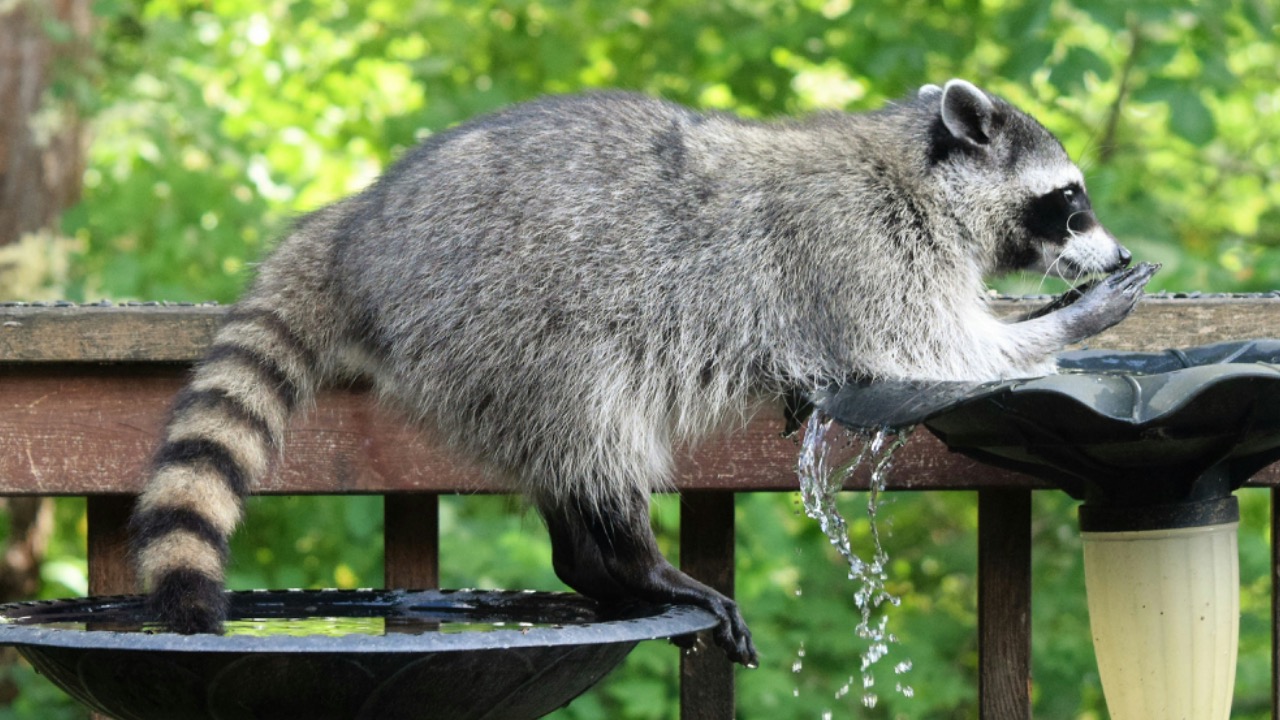
You might think they’re targeting your place, but they’re responding to opportunity. Pet food, unsecured garbage, even bird feeders all send a signal. Once they connect a location with calories, they’ll work it hard. It’s less about destruction and more about persistence.
That “Bold” Behavior Is Learned, Not Natural
A raccoon walking right across your yard while you’re standing there can feel unsettling. It’s easy to assume aggression, but most of the time you’re seeing learned tolerance. In areas where people don’t pose a threat, raccoons adjust quickly.
They figure out what’s dangerous and what isn’t. If they’ve never been chased off or pressured, they’ll act like they belong there. That confidence isn’t natural instinct—it’s built from repeated safe encounters. Change that pattern, and their behavior shifts just as fast.
Daytime Sightings Don’t Mean Something’s Wrong
Seeing a raccoon out during the day makes people nervous, and the first thought is often disease. While that can happen, it’s not the default explanation. Nursing females, young raccoons, or animals pushed off a food source will move in daylight when they need to.
You’re usually looking at pressure, not illness. Competition, limited food, or disturbance at night can push them into hours they’d normally avoid. It’s not typical behavior, but it’s not rare either. Jumping straight to worst-case assumptions misses what’s actually happening.
They Use Your Property Like Natural Habitat
Decks, crawl spaces, and attics might feel like invasions, but to a raccoon, they function like hollow trees or rock dens. They’re drawn to dark, protected spaces where they can rest or raise young. Your structure simply fills that role.
If they’ve settled in, it’s because the spot checks all the boxes—dry, hidden, and safe from predators. They’re not trying to cause damage. The damage comes from them doing what they’d do anywhere else: nesting, moving, and making space for themselves.
Raiding Doesn’t Mean They’re Hungry
A tipped trash can looks like desperation, but raccoons often raid even when food is plentiful. They’re opportunistic feeders, meaning they’ll take easy calories whenever they find them. It’s about efficiency, not survival on the edge.
If something smells like food, they’ll investigate. If it opens easily, they’ll come back. You’re seeing a shortcut in action. Wild foods take time and effort. Garbage doesn’t. Once they learn that difference, they’ll keep choosing the easier option every time.
The “Masked Bandit” Reputation Comes From Their Hands
Raccoons get blamed for damage that looks deliberate, but their dexterity is the real story. Their front paws can open latches, peel back materials, and manipulate objects in ways most animals can’t.
What looks like calculated destruction is often curiosity paired with capability. They’re testing, pulling, and feeling their way through anything that might lead to food or shelter. That level of interaction makes them seem smarter—and more troublesome—than they really are.
A Real-World Case: The Feeder That Never Stayed Full
A few seasons back, a landowner kept losing corn from a spin feeder set along a timber edge. Every morning it was empty, far faster than deer could clean it up. Cameras told the story. One raccoon had learned to climb the tripod, hang onto the motor housing, and trigger the spinner with its weight.
Night after night, it returned and repeated the same move. No panic, no rush—just a routine that worked. It wasn’t random behavior. It was a learned solution to a steady food source. Once the feeder was modified, the visits stopped just as quickly.
They’re Adapting Faster Than Most Animals
Raccoons thrive where other species struggle because they adjust quickly. New environments, new food sources, new risks—they process and respond without much hesitation. That’s why they show up everywhere from backwoods creeks to city alleys.
You’re not dealing with a stubborn animal. You’re dealing with one that reads changes and reacts fast. That adaptability can be frustrating when it affects your property, but it’s also the reason they’ve held their ground while other wildlife fades out of developed areas.
Conflict Usually Comes Down to Access
When problems repeat, it’s almost always because access hasn’t been removed. If they can get in, they will. If food is available, they’ll take it. Behavior follows opportunity every time.
You don’t fix the issue by blaming the animal. You fix it by changing what’s available. Secure the attractants, block the entry points, and the behavior disappears. Raccoons move on quickly when the payoff is gone. They’re not loyal to a location—they’re loyal to results.
They’re Doing Exactly What They’re Built to Do
At the end of the day, nothing a raccoon does is out of line for the species. Foraging, denning, testing objects, revisiting food sources—it all lines up with how they’ve survived for generations.
The conflict shows up because your space overlaps with theirs. Once you understand that, the behavior stops looking like trouble for the sake of trouble. It’s a system at work. You don’t have to like it, but you can predict it—and that makes all the difference.

Asher was raised in the woods and on the water, and it shows. He’s logged more hours behind a rifle and under a heavy pack than most men twice his age.