12 animals you should never get close to in the wild
Wildlife tourism and outdoor adventure are booming, but so is the temptation to get dangerously close to animals for a better photo or story. Around the world, some species are responsible for staggering numbers of injuries and deaths, often when people underestimate them or ignore basic safety rules. The following twelve animals highlight why keeping a respectful distance is not only smart for visitors but also essential for the animals themselves.
Mosquitoes
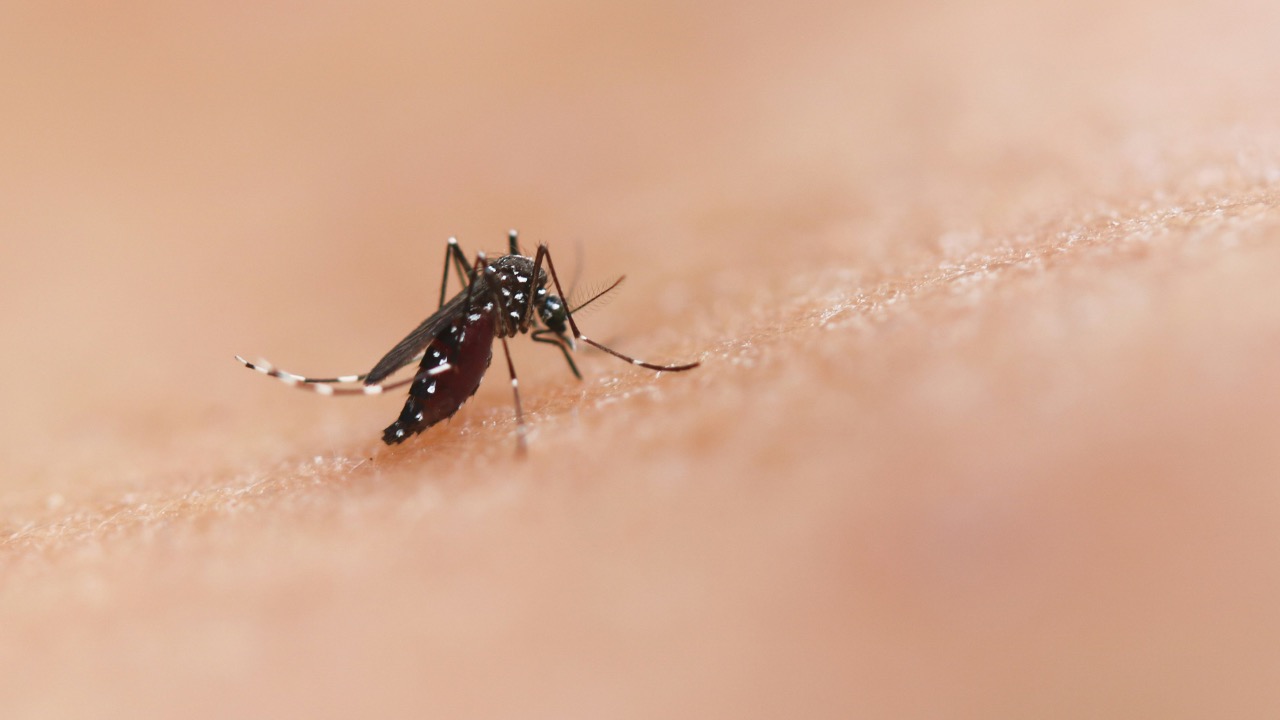
The smallest creature on this list is also the deadliest. According to one analysis of global risk, Mosquitoes kill an estimated 725,000 people per year through diseases such as malaria, dengue and Zika. Another assessment calls Mosquitoes the deadliest animal in the world, linked to more than one million deaths annually. The danger is rarely the bite itself but the pathogens transmitted when mosquitoes feed on blood.
In many climates, close contact is unavoidable, which makes prevention vital. Long sleeves, insect repellent and bed nets remain key defenses, while local public health campaigns often target breeding sites. Travelers who treat mosquitoes as a trivial nuisance rather than a lethal vector put themselves at unnecessary risk.
Hippopotamuses
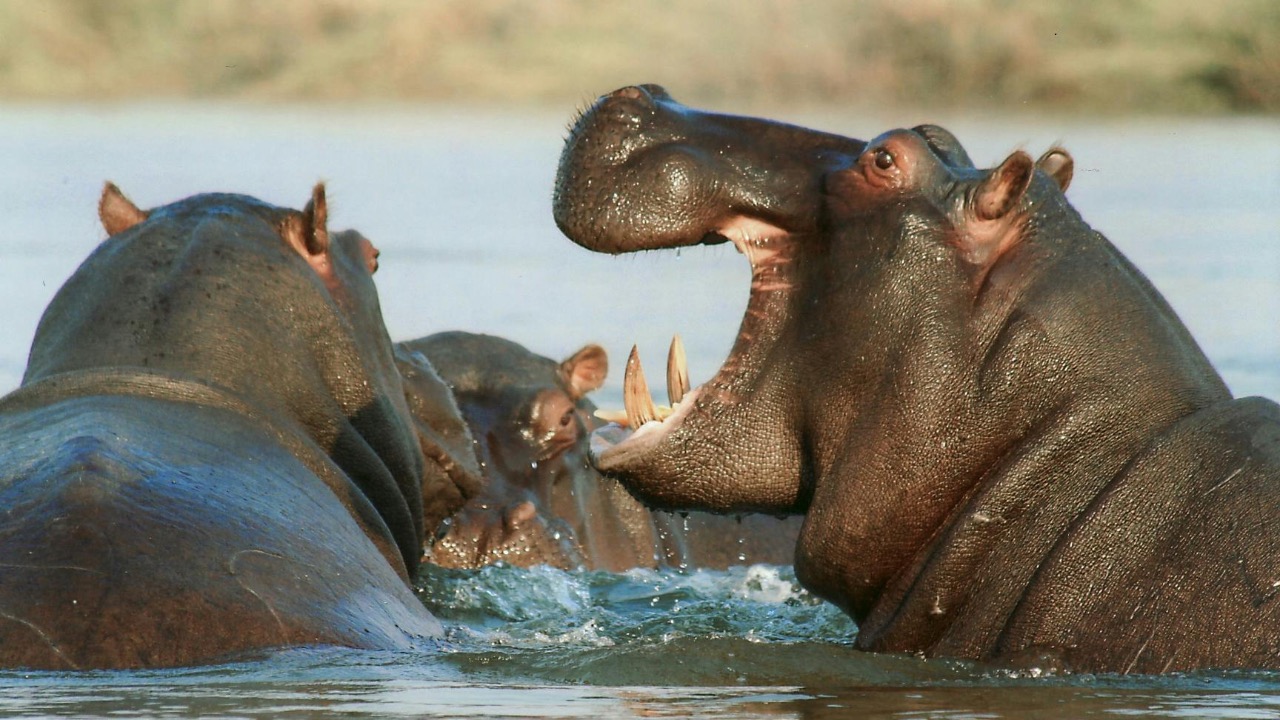
On African rivers and lakes, the most dangerous mammal is often not the lion but the hippopotamus. One travel account describes the species bluntly as the world’s deadliest mammal, noting that even though they are ungainly herbivores they can be very aggressive if they sense a threat to territory or calves. Another guide stresses that visitors should never approach a on land or in the water and should always maintain a safe distance.
Hippos can outrun humans over short distances and can overturn boats with ease. A seemingly calm animal half submerged in water may charge without warning if a canoe or safari vehicle drifts too close. Respecting exclusion zones on rivers and avoiding hippo paths at dusk and dawn are basic survival rules on safari.
African elephants
Elephants are often portrayed as gentle giants, yet field reports describe them as a dangerous and deadly mammal when provoked. One safety briefing warns that visitors who see wild elephants must remember that they are dangerous animals and should not approach them. Another overview of the species cautions readers not to be fooled by their cartoonish appearance, since Elephants can and do kill people.
Most incidents involve vehicles or people blocking an elephant’s path, getting between adults and calves, or crowding a feeding animal. Guides in parks across Asia and Africa typically insist on generous buffer distances and a clear escape route for both elephants and vehicles. Ignoring those instructions to move closer for a photograph can trigger a charge in seconds.
Bison and moose
North American parks showcase huge herbivores that look placid until something crosses an invisible line. In Yellowstone National Park, where Bison roam near roads and boardwalks, a sign that reads “Danger: Do not approach wildlife” is common for a reason. One report notes that Bison are responsible for killing or injuring visitors who get too close, even as many tourists still walk toward them for selfies. A separate account describes Bison as a huge and deadly animal, with males navigating family herds and defending them aggressively.
Moose pose a similar threat in northern forests. One discussion calls them one of the deadliest animals and another warns that Moose are dangerous and that people should not try to touch or approach them, especially in the wild. Cows with calves and bulls during the rut are especially volatile. In both cases, the safest view is from inside a vehicle or at long range with binoculars.
Cape buffalo
In East African savannas, African or Cape buffalo have earned a reputation as unpredictable and quick to charge. One safari account warns that African buffalo can be the most dangerous animals a visitor will encounter and that They are responsible for many human deaths. Another description of Bison in a different context reinforces how large bovids can become deadly when they perceive a threat.
Buffalo often hide in thick bush, which means hikers or off-road vehicles can stumble into a herd at close range. Wounded individuals are notorious for circling back on hunters. Professional guides treat them with the same caution they reserve for big cats, which is a useful benchmark for any traveler.
Polar bears
In the Arctic, the top predator is not a wolf but the polar bear. One safety guide for visitors to Greenland states that the most dangerous animal in the Arctic is the polar bear and urges travelers to enjoy wildlife but keep distance. Another resource aimed at young readers reminds them that polar bears are wild animals and that it is not safe for human beings to get close to them.
Research cited in a separate analysis found 73 polar bear attacks between 1870 and 2014 that resulted in 20 deaths and 63 injuries. Unlike many predators, polar bears may investigate humans as potential prey, particularly when hungry. Arctic communities such as the Inuit have long developed systems of patrols and deterrents to guard against Polar Bears near settlements, a reminder that tourists on sea ice or remote shorelines should never travel without expert support and deterrent tools.
Grizzly and other bears
Across North America and parts of Europe and Asia, bears attract crowds of photographers and hikers. One safety advisory is blunt: Bears are deadly. Another warns people in bear country not to approach or feed bears and repeats the maxim that a fed bear is a dead bear, since food conditioning often leads to lethal management decisions. A separate wilderness tip sheet states that visitors should never approach bears under any circumstances.
Grizzly bears in particular are described as one of the most deadly animals in the world, even as writers also call them beautiful and majestic. Social media posts from mountain parks show tourists standing dangerously close to wild bears, prompting warnings such as “Do not do this! You will die! (maybe).” The consistent message from researchers, park rangers and bear advocates is simple: observe from afar, store food properly and carry deterrent spray instead of a camera at arm’s length.
Nile and saltwater crocodiles
Crocodiles combine stealth, explosive speed and crushing bite force. One overview of deadly animals lists Nile Crocodiles among the species tourists should never underestimate. Another analysis of global mortality notes that Crocodiles are opportunistic hunters that can ambush people at riverbanks. Travel advice for northern Australia explains that the saltwater crocodile is one of the Top End’s most famous residents and that it is best to avoid them in the wild, even though attractions like Crocosaurus Cove The offer controlled encounters.
Elsewhere, a zoo warning labels Saltwater crocodiles as EXTREMELY dangerous and urges visitors who see one in the wild to keep their distance. A separate travel note about outback roads tells drivers to keep a safe distance from wild animals and specifically mentions crocodiles that are common in waterways. Whether the species is Nile or saltwater, the rule is the same: stay well back from water edges, obey local signage and never swim where crocodiles may be present.
Box jellyfish and other venomous sea life
In tropical oceans, some of the most lethal animals are nearly invisible. Marine biologists describe the box jellyfish as one of the most venomous creatures in the sea, with tentacles that can cause cardiac arrest in minutes. A reference entry on box jellyfish highlights their dangerous sting and distribution in Indo-Pacific waters.
Similar caution applies to stonefish, which one conservation group calls the world’s most venomous fish and advises people not to touch. Another museum profile of the blue-ringed octopus notes that despite its small size and pretty colours, it carries enough toxin to kill a human. Snorkelers and divers are repeatedly urged to follow a simple rule: look but do not touch marine wildlife.

Leo’s been tracking game and tuning gear since he could stand upright. He’s sharp, driven, and knows how to keep things running when conditions turn.