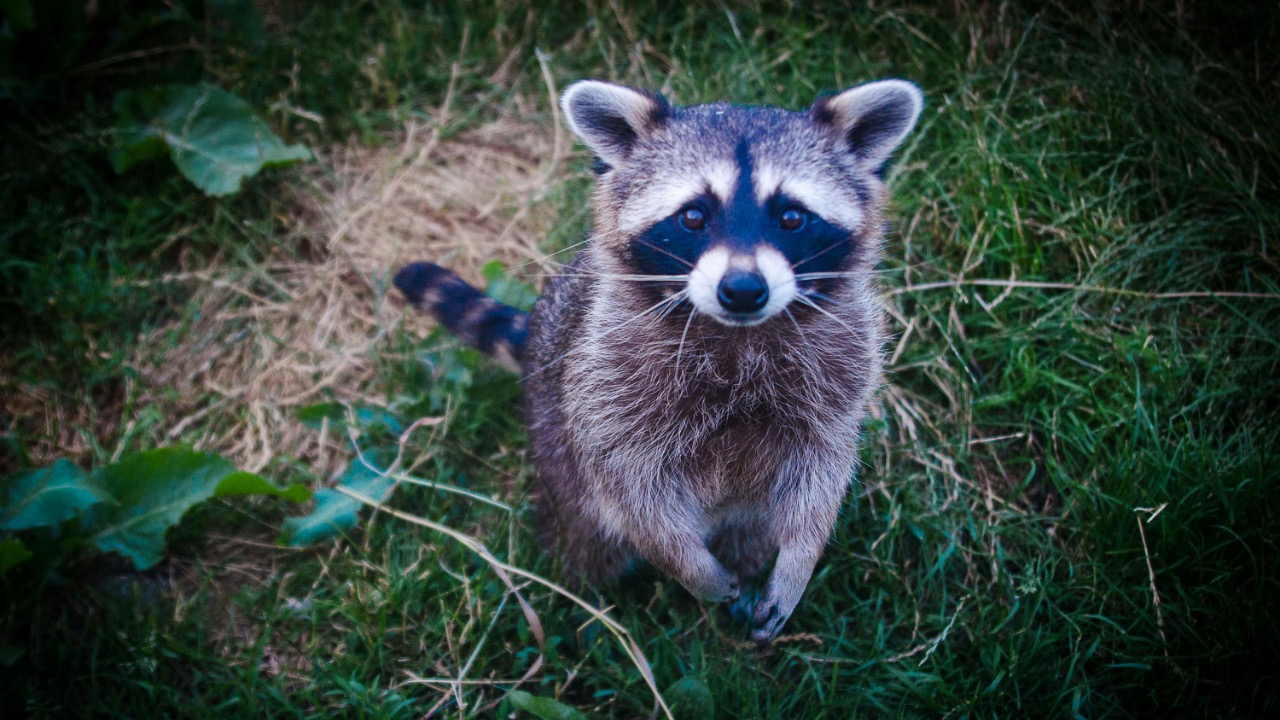
12 reasons raccoons might actually be good to have around
Raccoons have a reputation for raiding trash cans and staring down porch lights at midnight, but ecologists and wildlife rehabilitators describe a far more complex animal. Look past the tipped-over bins and raccoons emerge as adaptable omnivores that quietly fertilize soil, spread seeds, clean up carrion, and keep several nuisance species in check. Handled responsibly, their presence can signal a surprisingly healthy, functioning backyard ecosystem.
That does not mean every raccoon encounter is harmless or that property damage is impossible. It does mean the story is more balanced than the usual “pest” label suggests. Here are 12 evidence-backed reasons raccoons might actually be good to have around, along with practical context on when coexistence works and when intervention is justified.
1. They act as nighttime gardeners

Wildlife specialists describe raccoons as accidental gardeners because of what and how they eat. Their diet includes a wide range of plants, fruits, nuts, invertebrates, and small animals, and the seeds from those meals often pass through their digestive system intact. As raccoons travel and defecate, they deposit those seeds in new locations, along with a ready-made packet of nutrients.
One overview of environmental benefits notes that this constant movement turns raccoons into quiet landscapers. Their foraging and seed dispersal can help regenerate patches of vegetation that might otherwise remain bare, especially along fences, hedgerows, and stream banks. For homeowners, that can translate into fuller hedges, volunteer shrubs, and a more diverse understory without any human planting.
2. Their droppings feed the soil
Gardeners talk a lot about compost, yet one of the most overlooked soil amendments in suburban yards comes from wildlife. Raccoon scat is rich in nitrogen and organic matter, and conservation advocates describe it as a natural fertilizer that boosts plant growth when it breaks down in place. A discussion of backyard wildlife notes that droppings can fertilize plants with nitrogen and seeds, turning what many people see as a nuisance into a nutrient input for lawns and beds.
Members of a conservation group highlight that droppings fertilize plants while also returning undigested seeds to the soil. Over time, those deposits can improve soil structure, especially in corners of the yard that rarely see mulch or compost. The key caveat is hygiene: raccoon latrines near play areas or patios should be cleaned with proper protection, but scattered scat in wild corners of a property is usually best left to enrich the ground.
3. They are effective seed dispersers
Ecologists often measure the health of a habitat by how well seeds move through it. Raccoons excel at this task because they feed on berries, tree fruits, and agricultural crops, then roam widely at night. A wildlife education group explains that raccoons play an important role in their ecosystems and that highly variable diet make them excellent distributors of seeds that help diversify and replenish an ecosystem.
In practical terms, raccoons can help spread native plants from nearby parks or wooded lots into yards, especially species that birds or wind alone might not move as efficiently. The result can be a richer mix of shrubs and groundcover, which supports more insects, birds, and small mammals. For homeowners who value pollinators and songbirds, raccoon-assisted seed dispersal is an invisible but real service.
4. They clean up carrion before it spreads disease
Dead animals on roadsides and in yards are more than an eyesore. They can harbor pathogens and attract flies and other scavengers that spread disease. Omnivores like raccoons reduce that risk by eating carrion that might otherwise linger. Wildlife specialists who work on humane removal note that raccoons help clean up dead animals on and in nearby green spaces.
Backyard-focused guidance echoes this point, listing carrion cleanup as one of the ways raccoons improve garden health. By removing carcasses, they interrupt disease cycles that can affect pets and people, especially in areas where rodents or small mammals carry parasites. It is an unglamorous job, but one that quietly benefits anyone who uses the same outdoor spaces.
5. They provide natural pest control
Few homeowners complain about fewer grubs in the lawn or fewer slugs in the vegetable bed. Raccoons are opportunistic feeders that consume insects, grubs, snails, and small vertebrates, which makes them allies in managing certain pests. A wildlife education site notes that raccoons help keep a property free of pests and that their preference for a variety of foods means they target several unwanted species at once.
One nonprofit explains that raccoons help keep such as beetles, grubs, and even some rodents. Lifestyle coverage of backyard wildlife builds on this by describing how raccoons eat insects, grubs, and other small animals that would otherwise damage plants. In effect, they function as a roaming, nocturnal pest control crew, reducing the need for chemical treatments that can harm pollinators and soil life.
6. They help cycle nutrients through the yard
Ecologists often describe raccoons as nutrient cyclers. They consume materials from one part of the food web and return them to the soil in another form. Advocates in a conservation group emphasize that raccoons are excellent so long as people do not feed them and keep trash secured.
This cycling happens through several channels. Raccoons eat insects that fed on plants, then deposit nutrients in different parts of the yard. They consume fallen fruit that might otherwise rot in place and concentrate its nutrients where they rest or den. Over time, those movements can even out nutrient hotspots and support more consistent plant growth. For gardeners who already use compost and mulch, raccoons add another layer of organic recycling that costs nothing and operates every night.
7. They control some stinging and biting insects
Homeowners often reach for sprays or traps when yellow jackets or similar insects build nests near patios and decks. Raccoons can reduce that pressure in a quieter way. Backyard guidance that evaluates raccoon impacts lists several specific benefits, including that raccoons remove yellow jacket nests and other insect colonies while foraging.
One summary of raccoon behavior notes that raccoons remove yellow jacket nests and clean up carrion, which together reduce the number of stinging insects and flies around gardens. While raccoons are not a complete solution to aggressive wasp populations, their appetite for larvae and pupae can weaken nests and help keep numbers manageable without heavy pesticide use.
8. They sit comfortably in the urban food web
Urban and suburban ecosystems are often simplified compared with wild landscapes, with fewer predators and less diversity. Raccoons adapt well to these environments and fill several ecological roles at once. Lifestyle reporting on backyard wildlife notes that raccoons sit comfortably in the pest cycle in yards, acting as both predator and scavenger.
Coverage that highlights Raccoons sit comfortably in the backyard pest cycle points out that their presence can stabilize populations of smaller animals that might otherwise boom without checks. By preying on rodents, insects, and even some amphibians, raccoons help prevent single species from dominating small urban green spaces. In turn, that balance supports a wider range of plants and animals, from ground beetles to owls.
9. They are a sign of a functioning habitat
Wildlife rehabilitators often talk about raccoons as indicators of habitat quality. They require access to water, shelter, and a varied food supply, so their presence suggests that at least some of those resources are available. A wildlife center in North Texas stresses that the raccoon plays an important role in the ecosystem and that people should speak for them because they cannot speak for themselves.
In a widely shared message, the North Texas Wildlife Center wrote that cannot speak for, and urged residents to welcome wildlife by letting them be. That message treats raccoons not as intruders but as part of a broader community of animals that signal ecological resilience. A yard that supports raccoons often supports songbirds, pollinators, and beneficial insects as well.
10. They help control some bee predators
Concerns about pollinator decline have pushed more homeowners to think about how backyard choices affect bees. Raccoons can play a small but real role here too. Wildlife specialists who catalog raccoon diets point out that raccoons eat several insects that prey on bees or compete with them for resources, which indirectly benefits pollinator populations.
Guidance on raccoon ecology notes that raccoons are one of the predators that help limit some of the bee’s main predators in certain habitats. By consuming wasps and other aggressive insects that attack hives or solitary bees, raccoons reduce stress on pollinator communities. While they are not a replacement for native plantings or reduced pesticide use, they contribute to a more favorable environment for bees and other pollinating insects.
11. They encourage better human habits
Living alongside raccoons often pushes people to manage waste, pet food, and outdoor spaces more carefully. Municipal fact sheets urge residents to secure trash, feed pets indoors, and seal entry points to attics and crawl spaces. A raccoon fact sheet from Frisco, Texas, for instance, walks residents through practical steps to reduce conflicts, from using tight-fitting lids to trimming tree branches away from roofs.
As those upgrades take hold, raccoons indirectly improve neighborhood sanitation and reduce attractants for other, less welcome species such as rats. Home and garden guidance that asks whether raccoons are good around a yard explains that simple measures like securing garbage cans and removing easy food sources can make raccoon visits brief and non-destructive. In that scenario, raccoons pass through as part of the local wildlife rather than settling in as long-term nuisances.
12. They remind communities that all wildlife has a place
Beneath the practical benefits, raccoons also shape how communities think about wild animals in developed areas. Educators and rehabilitators argue that seeing raccoons in a yard can be a teaching moment for children and adults who rarely encounter non-domesticated animals up close. Messages from wildlife advocates often stress that all wildlife are welcome and that coexisting with raccoons builds empathy for less visible species.
One education group explains that raccoons play an important role in their ecosystems and that their presence supports the health of their environment. Another community post frames raccoons as part of a broader effort to let wildlife be, rather than reacting with fear or hostility. When residents understand that raccoons help cycle nutrients, disperse seeds, control pests, and clean up carrion, the animals shift from villains to complex neighbors.
How to welcome raccoons without inviting trouble
Recognizing raccoon benefits does not mean ignoring real risks. Public health agencies and wildlife professionals stress that raccoons can carry diseases, that they may become aggressive if fed, and that they can cause property damage if they den in attics or chimneys. The goal is coexistence with boundaries, not open invitations.
Experts consistently recommend a few basic practices. First, never feed raccoons intentionally, since fed raccoons can become aggressive and lose their natural wariness of people. Second, secure trash and compost with tight lids or bungee cords so raccoons focus on natural foods instead of human leftovers. Third, close off potential den sites by repairing soffits, capping chimneys, and installing hardware cloth over crawl space vents.

Leo’s been tracking game and tuning gear since he could stand upright. He’s sharp, driven, and knows how to keep things running when conditions turn.