Animals that seem harmless — until they’re not
You spend enough time outdoors, you start to recognize a pattern: the animals that look the calmest are often the ones that’ll put you in a bad spot the fastest. It’s not always the fangs, claws, or size that matter—it’s attitude, territory, and how close you are when something flips a switch.
A lot of these animals don’t go looking for trouble. But if you read them wrong, crowd them, or catch them at the wrong moment, they can turn from background scenery into a real problem. Here are a few that deserve more respect than they usually get.
Deer
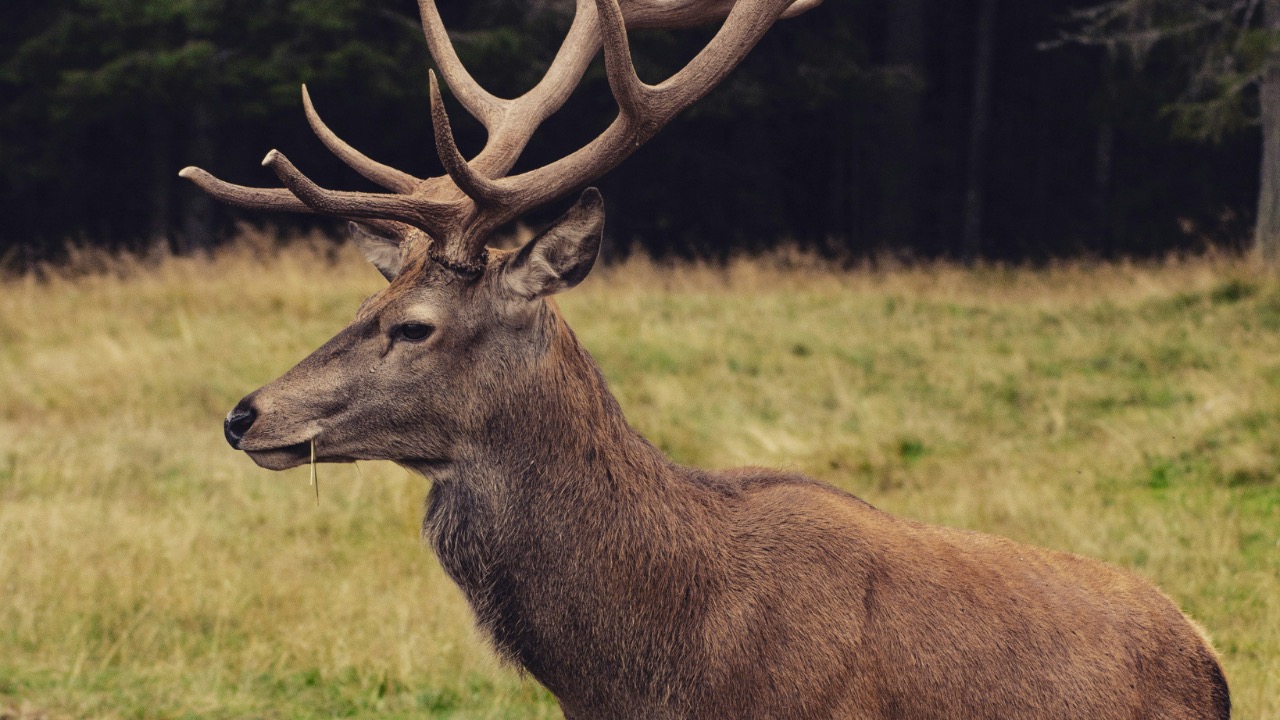
You’ve probably watched deer step quietly across a field and thought of them as harmless. Most of the time, they are. But get too close—especially during rut or around a fawn—and things can change fast.
A buck with antlers isn’t just for show. They’ll charge, kick, and try to pin you if they feel threatened or keyed up from hormones. Even does can lash out when protecting young. People get hurt every year trying to approach or feed them, forgetting they’re still wild animals with sharp hooves and quick reflexes.
Moose
A moose looks slow and almost lazy at a distance, like it’s moving through molasses. That illusion disappears the second one decides you’re a problem.
They’re unpredictable, especially in the fall and late spring. A moose can cover ground faster than you expect and has no hesitation about stomping something into the dirt. Most incidents happen because someone got too close without realizing it. If the ears pin back or the head lowers, you’re already too near.
Hippopotamus
On paper, a hippo doesn’t seem like a hunter. It spends most of its day in the water, barely moving, with that wide, almost cartoonish face breaking the surface.
But pound for pound, it’s one of the most dangerous animals you can run into. They’re highly territorial and aggressive, especially in rivers. Boats get flipped, people get charged, and it happens fast. That big mouth isn’t for show either—it’s strong enough to crush bone without much effort.
Swan
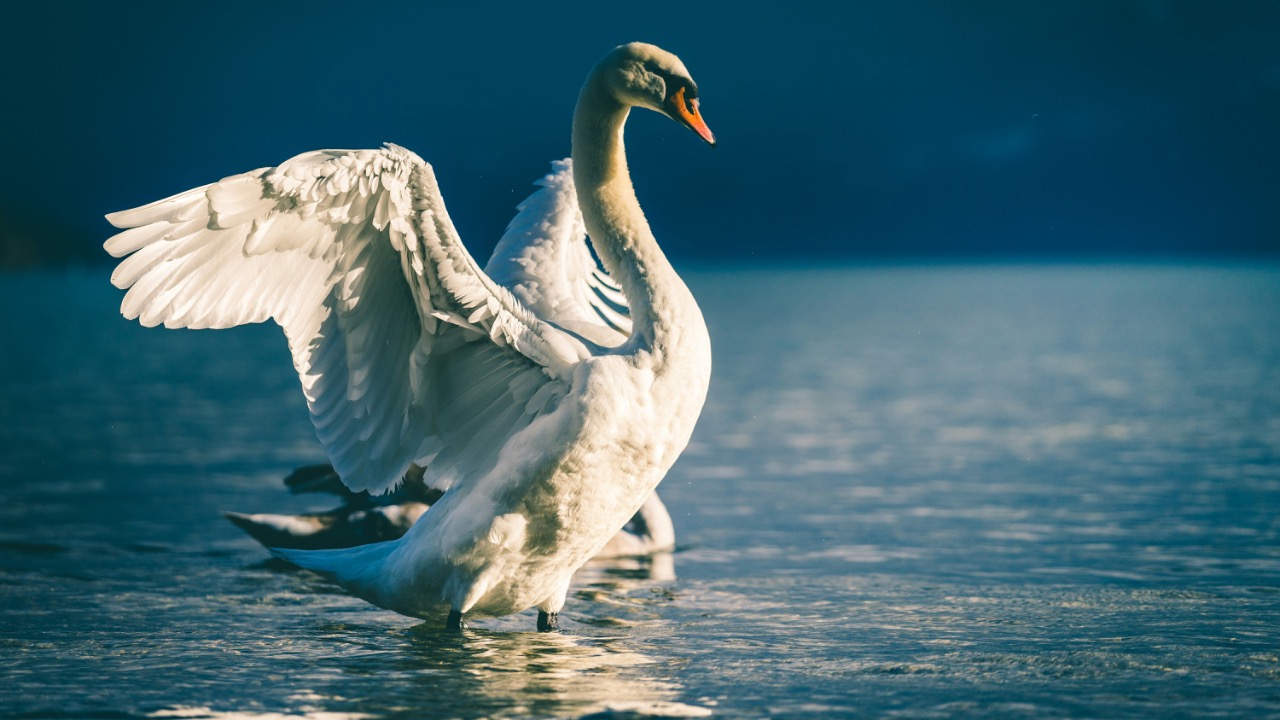
A swan gliding across a lake looks like the definition of calm. People treat them like living decorations, getting close for photos or trying to feed them.
That’s usually where the trouble starts. Swans are extremely protective of their space, especially during nesting season. They’ll hiss, charge, and use their wings like clubs. It doesn’t take much for them to knock someone off balance or send a kid running. They’re not out to hunt you, but they won’t tolerate you either.
Raccoon
Raccoons get a reputation as clever little bandits, digging through trash and slipping around unnoticed. That image makes people underestimate them.
Corner one, though, and you’ll see a different animal. They’ve got sharp teeth, fast hands, and no hesitation about using both. Add in the risk of disease, and a close encounter becomes more serious than most expect. It’s never a good idea to approach one, especially in daylight when something might already be off.
Dolphin
Dolphins carry a friendly reputation, built on years of movies and tourist encounters. They’re curious and often approach people in the water.
But they’re still powerful, wild animals. There have been cases of dolphins ramming swimmers, biting, or showing aggressive behavior when overstimulated or competing. You’re dealing with something that can outswim and outmuscle you without effort. That playful nudge can turn into something rough if you don’t keep your distance.
Chimpanzee
At a glance, a chimp can seem almost human in its expressions and movements. That familiarity can fool you into thinking they’re approachable.
They’re anything but. Chimps are incredibly strong and territorial, and when they attack, they don’t hold back. Bites, grabs, and coordinated aggression are all on the table. Most serious incidents happen when people forget they’re dealing with a wild primate, not something domesticated or predictable.
Kangaroo
A kangaroo standing upright doesn’t look especially threatening. People see them as oversized, laid-back grazers.
The reality is different if you push one. Kangaroos will lean back on their tail and kick forward with both legs, using sharp claws that can open you up quickly. They’re known to square up and fight, especially males. If a kangaroo feels cornered or challenged, it won’t hesitate to engage.
Goose
You’ve probably dealt with geese in a park or near water, and you already know they don’t scare easily.
They’re territorial to a fault. During nesting season, they’ll charge without warning, hissing and flapping as they come. It’s not just noise—they’ll bite and use their wings to strike. Most of the time it’s more intimidation than damage, but it can still catch you off guard and knock you around if you’re not paying attention.
Slow Loris
The slow loris looks like something you’d expect to see in a kid’s book—big eyes, small frame, and slow movements.
That appearance hides a rare trait: it’s one of the few venomous mammals. When threatened, it can deliver a bite that causes serious reactions in humans. The danger isn’t obvious, which is what makes it risky. People see something harmless and get too close, not realizing what they’re dealing with.
Blue-Ringed Octopus
You might never notice one unless you’re looking closely. It’s small, often tucked into shallow water, and easy to overlook.
But when those blue rings light up, you’re looking at a serious problem. Its venom is potent enough to shut down your muscles in minutes. There’s no dramatic buildup—just a quick bite and a fast decline. It’s a reminder that size doesn’t mean much when it comes to risk.
Cone Snail
A cone snail looks like something you’d pick up and toss in your pocket after a day on the beach.
That’s a mistake people have made more than once. Some species carry a harpoon-like tooth that injects venom strong enough to paralyze almost instantly. You won’t feel much at first, which makes it even more dangerous. By the time you realize something’s wrong, you’re already in trouble.
Out in the wild, the biggest mistake you can make is assuming calm equals safe. Give animals space, read their behavior, and don’t get comfortable just because something looks harmless. That’s how you keep an interesting encounter from turning into a bad one.

Asher was raised in the woods and on the water, and it shows. He’s logged more hours behind a rifle and under a heavy pack than most men twice his age.